
Debrigarh Recorded Its First Confirmed Dhole Breeding After the Species’ Return
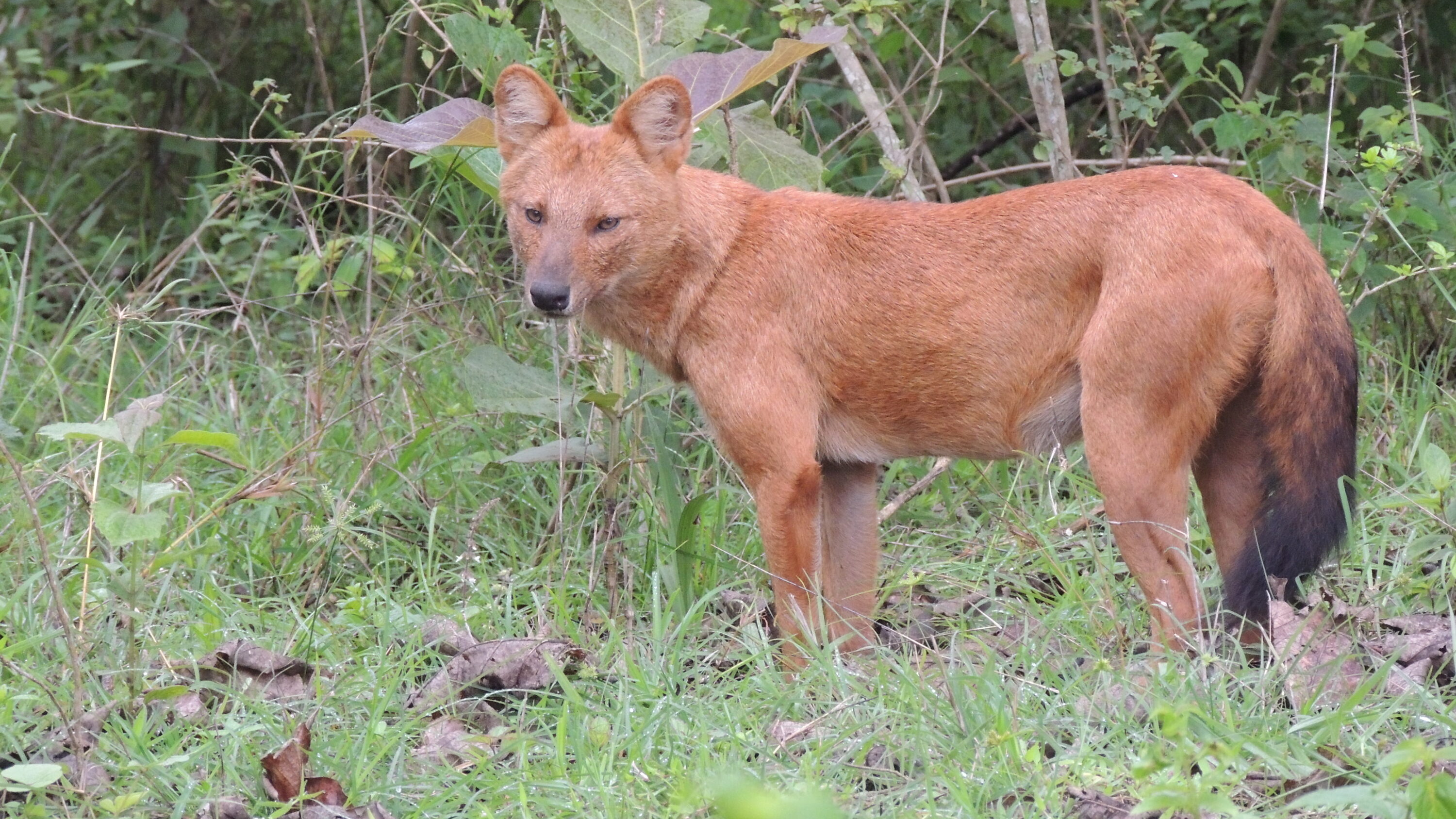
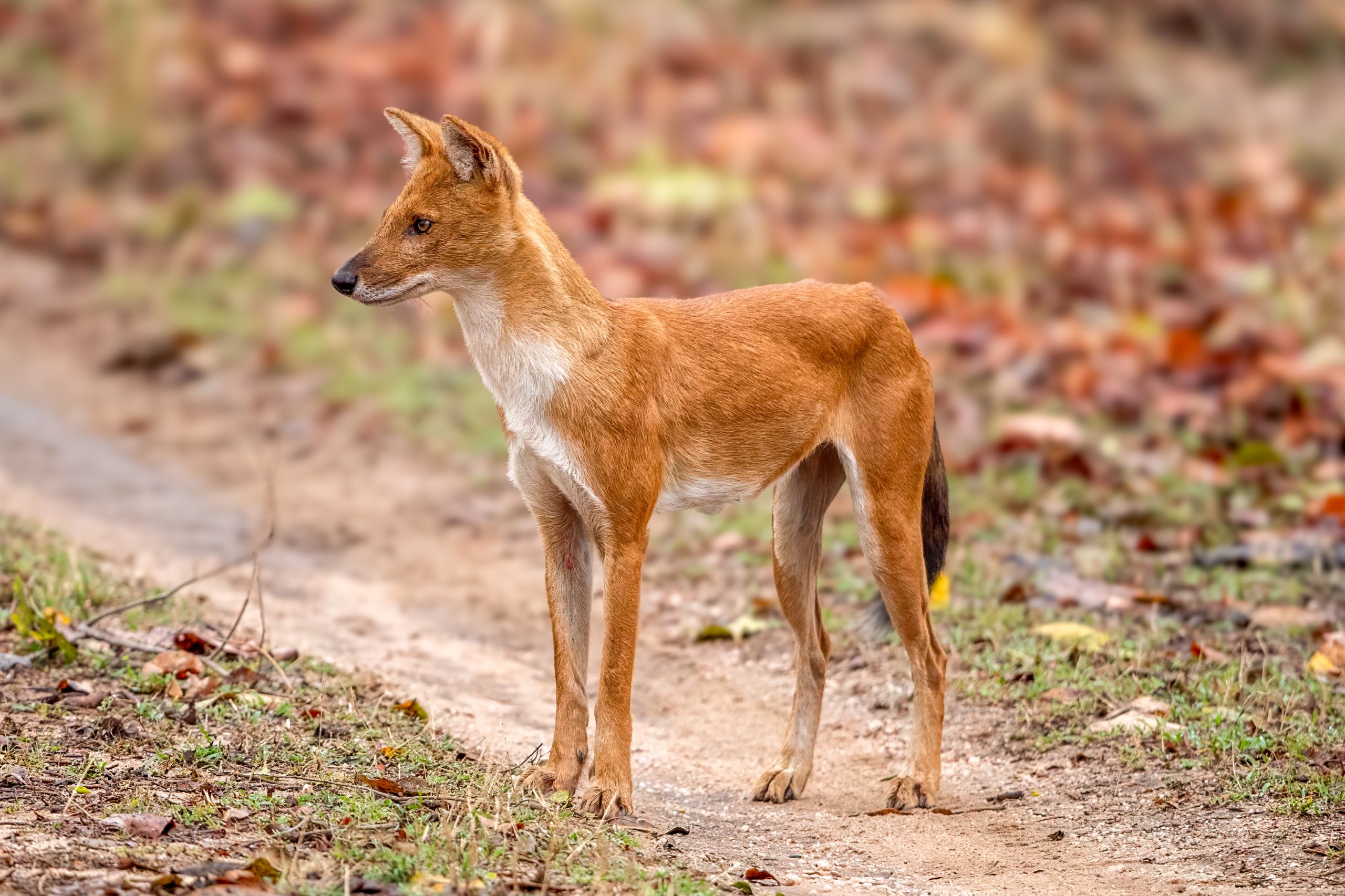
Debrigarh Wildlife Sanctuary in Odisha, India has recorded its first confirmed breeding of dholes (Cuon alpinus) following the species’ return to the landscape. Forest officials reported in May 2026 that camera traps had recorded a female moving with two pups estimated to be three to four months old.
A lone dhole was first recorded in the sanctuary in 2023 after the species had been absent from the landscape for years. A pair was later observed together in July 2025, and officials followed their movements across the sanctuary. By early 2026, the pair’s activity had become concentrated in a smaller part of the core area, which officials interpreted as a possible sign of breeding.
The breeding was notable because the pair appeared to rear the pups without the support of a larger pack. Dholes are highly social canids and normally rely on pack structure during breeding and pup rearing, so officials described the observation as unusual.
After the pups were confirmed, the sanctuary deployed 26 camera traps around the breeding area and restricted disturbance near waterbodies and salt licks. Officials also recorded a deer kill near the dholes’ resting area. Hirakud Wildlife Division described the event as a positive sign and attributed it to secure habitat, prey availability and protection inside the sanctuary. Officials presented the pups as a possible early foundation for a future pack, rather than evidence that a stable breeding population is already established.
Population & status
Related news
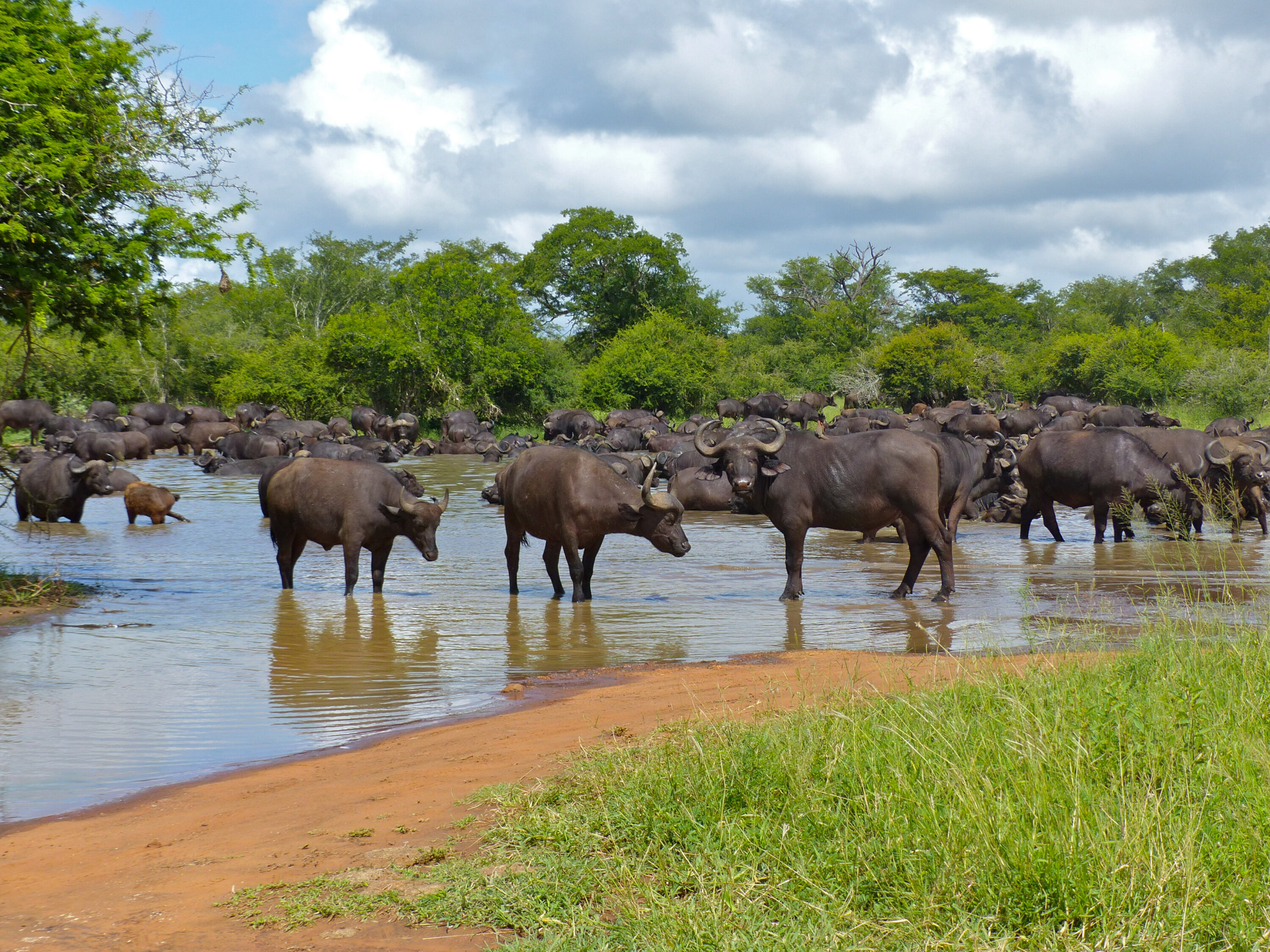
African Buffalo Herds Concentrated in Wetlands and Forest During Gambella's Dry Season
A two-year study in Ethiopia's Gambella National Park found similar but uncertain buffalo abundance estimates in 2022 and…
Read story →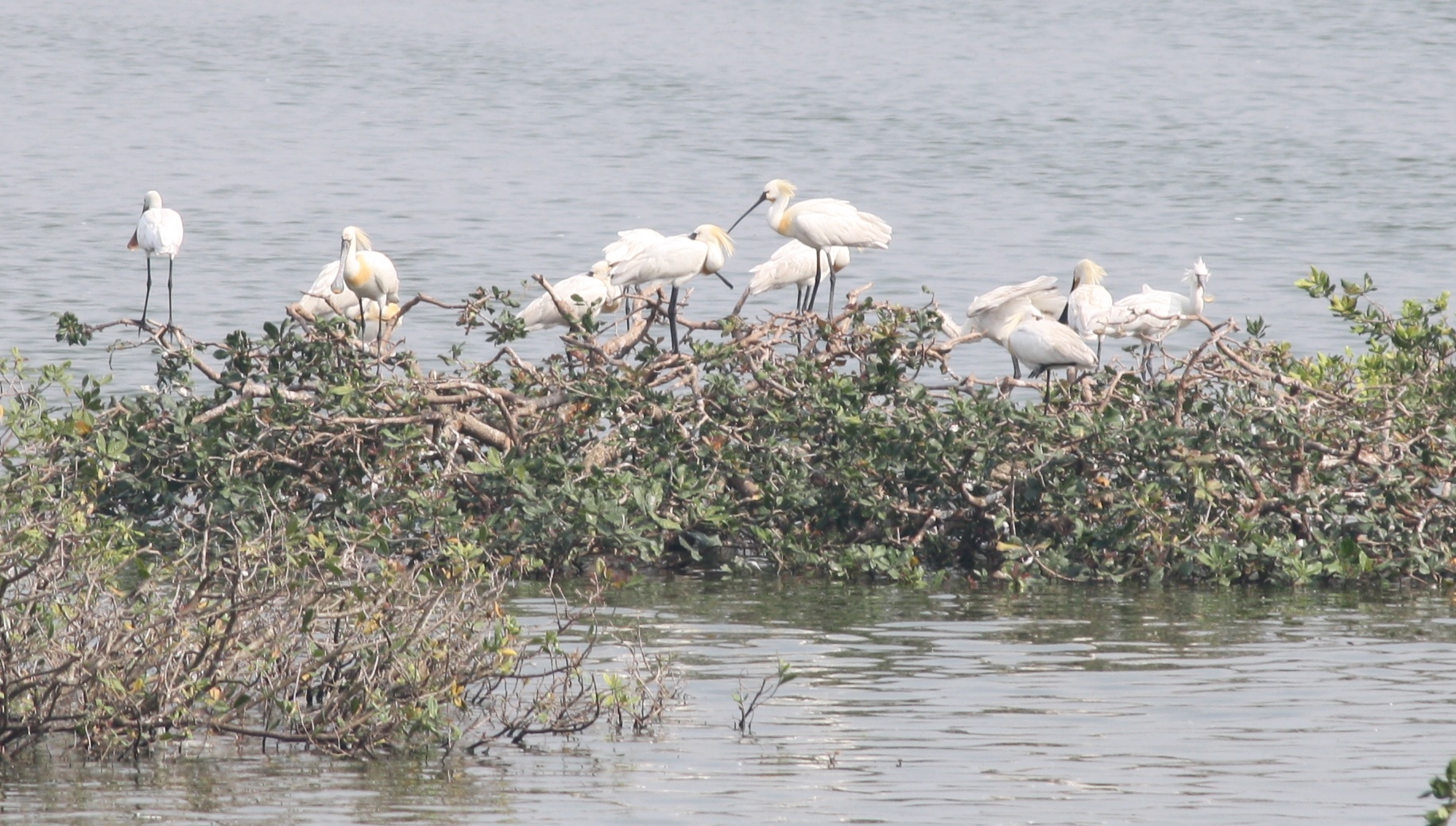
Therthangal Spoonbill Colony Returned to 12 Active Nests After Complete Breeding Failure
Six breeding seasons at Therthangal Bird Sanctuary in Tamil Nadu ranged from 12 active Eurasian Spoonbill nests in…
Read story →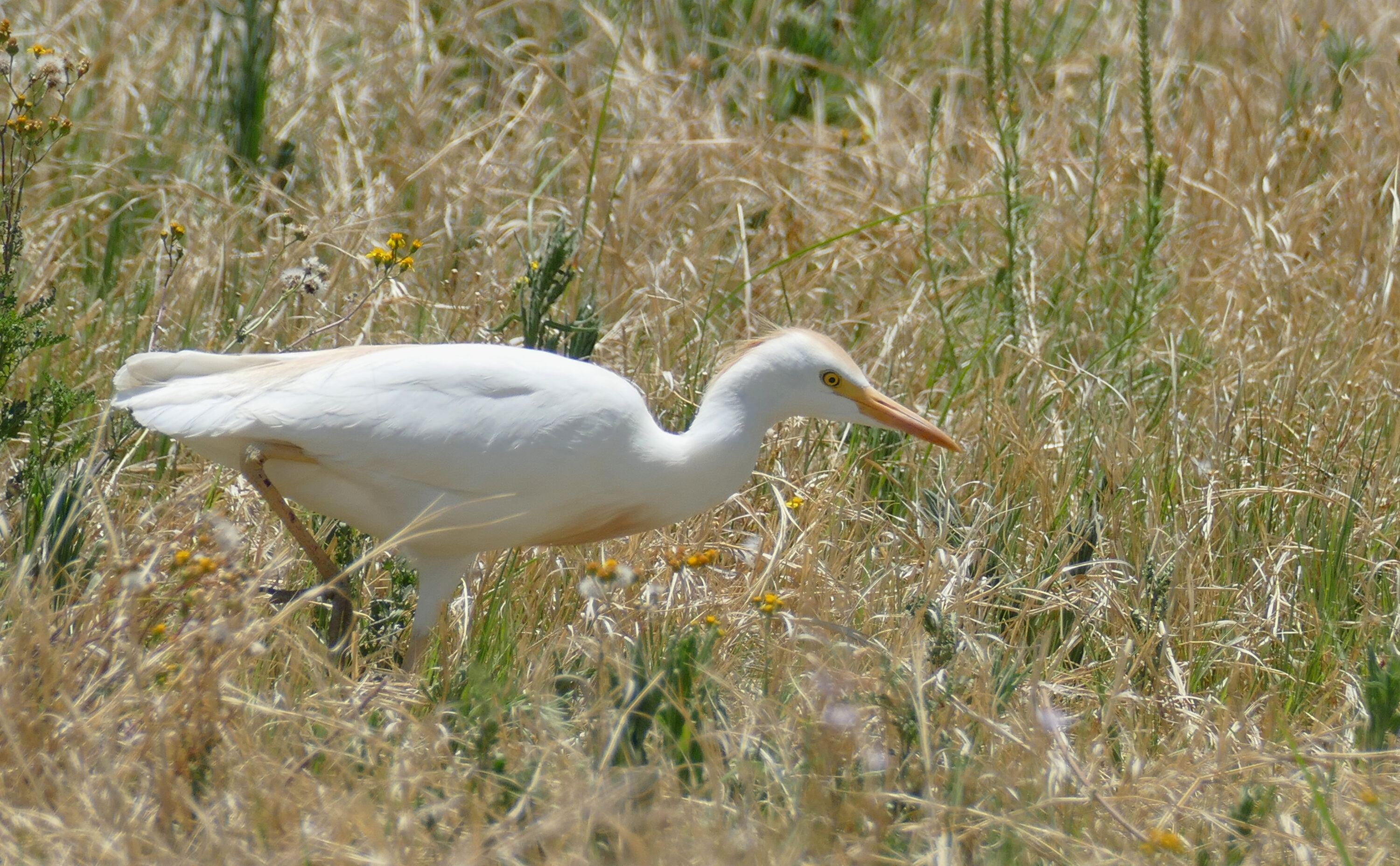
Cattle Egret Reporting Rate Rose From 0.38 to 0.60 in Southern African Atlas Data
A systematic review of 173 studies found generally stable or increasing cattle egret populations in the better-studied parts…
Read story →SPECIES IN THIS STORY
Species in this story
Independent research and conservation news archive
Did you find this information useful?
Wildlife Vagabond is independently built and maintained. Voluntary support helps cover source verification, hosting and continued work on research and conservation news.
Support Wildlife VagabondThe news archive will remain freely available.