
Desert cottontail density did not track four climatic factors in Chihuahua
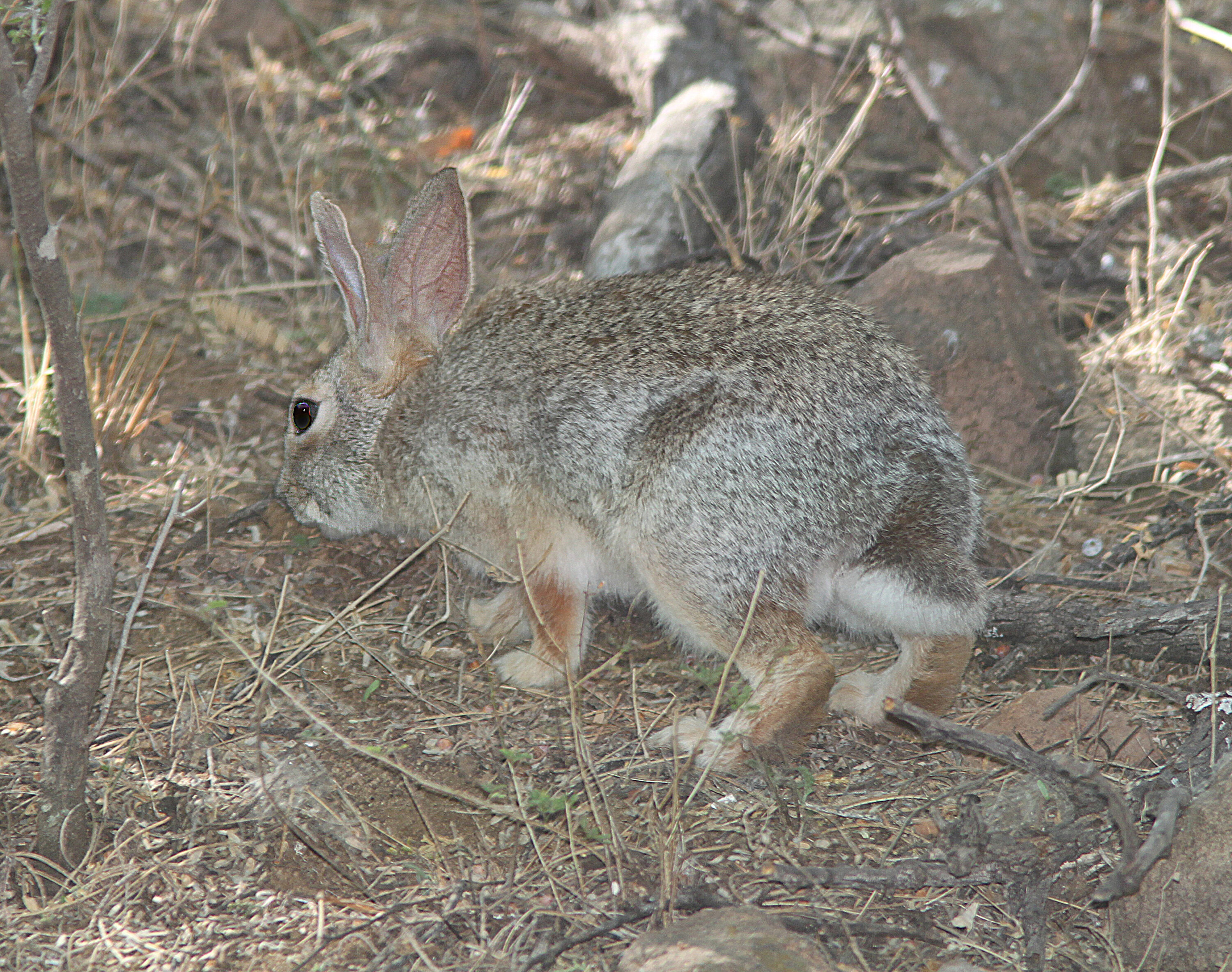
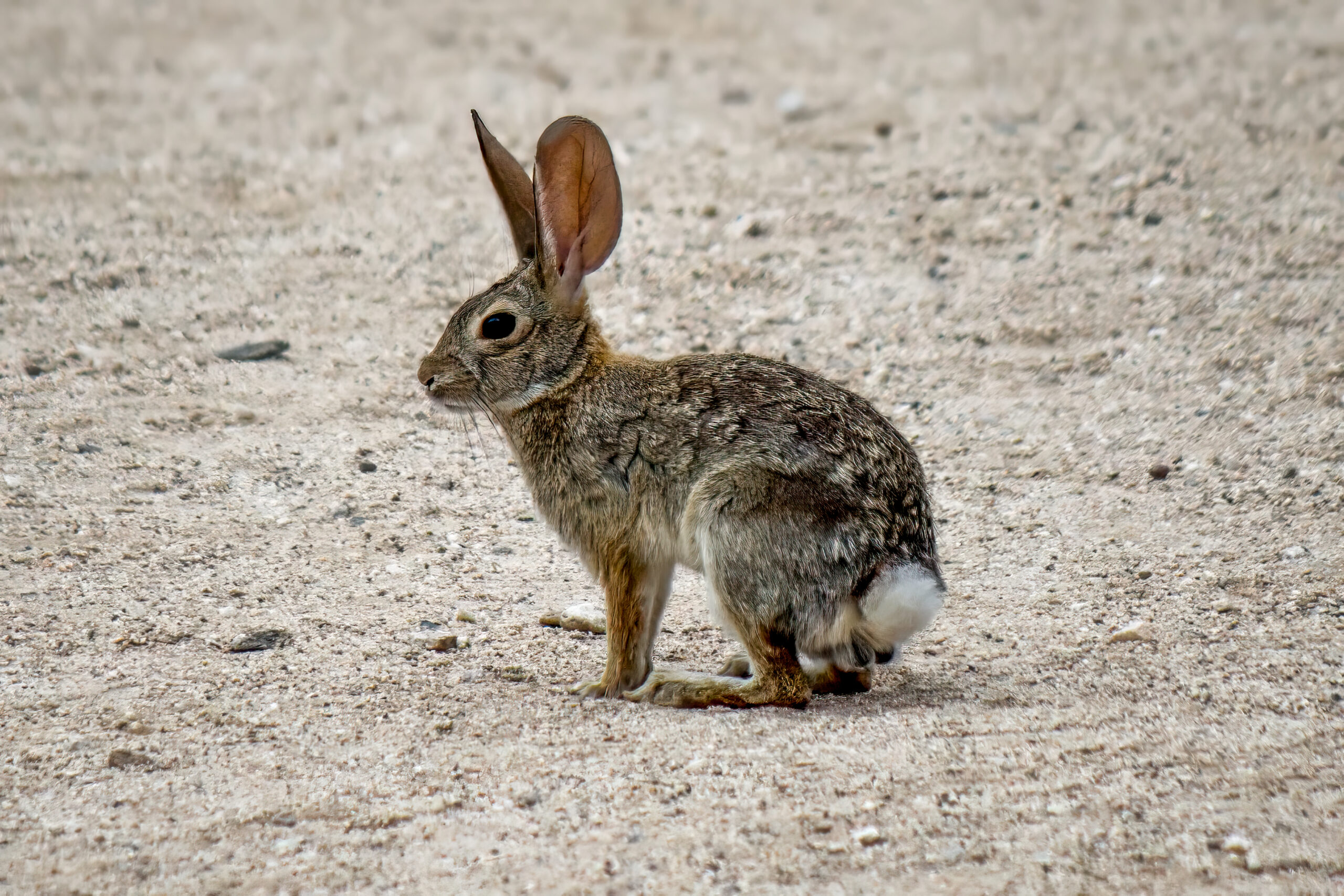
A year-long field study of desert cottontails (Sylvilagus audubonii) and black-tailed jackrabbits (Lepus californicus) in northern Mexico found contrasting relationships between population density and local climate. Published on 15 May 2026 in the Journal of Mammalogy, the study found no relationship between desert cottontail density and the four climatic factors examined.
The researchers worked in a semi-desert area of Chihuahua adjacent to the Médanos de Samalayuca Natural Protected Area. From December 2022 to November 2023, they estimated the monthly population density of both lagomorph species using fecal pellet counts. Rather than counting rabbits and hares directly, the researchers used droppings left in the study area as an indirect basis for following changes in density from month to month. Monthly precipitation, temperature, photoperiod and wind data were obtained from nearby meteorological stations and compared with the density estimates using linear models.
Desert cottontail density showed no relationship with precipitation, temperature, photoperiod or wind speed during the study period. This contrasted with black-tailed jackrabbits at the same site. Jackrabbit density was negatively related to photoperiod and total precipitation, while positive relationships were found with temperature and general wind speed.
The authors had expected climatic conditions to help explain changes in the density of both species because lagomorph populations in arid environments often fluctuate with weather and resource availability. Instead, the two species differed markedly even though they occupied the same semi-desert landscape and were monitored over the same months.
The researchers conclude that black-tailed jackrabbit populations at the study site were sensitive to the climatic factors examined, whereas desert cottontails appear to respond to other ecological factors. They interpret the contrast as evidence that the two lagomorphs can follow different ecological strategies in arid environments despite living side by side. The result is limited to the climatic relationships observed during this one-year study and does not by itself identify which other factors drove the desert cottontail’s monthly density changes.
Ecology
Related news
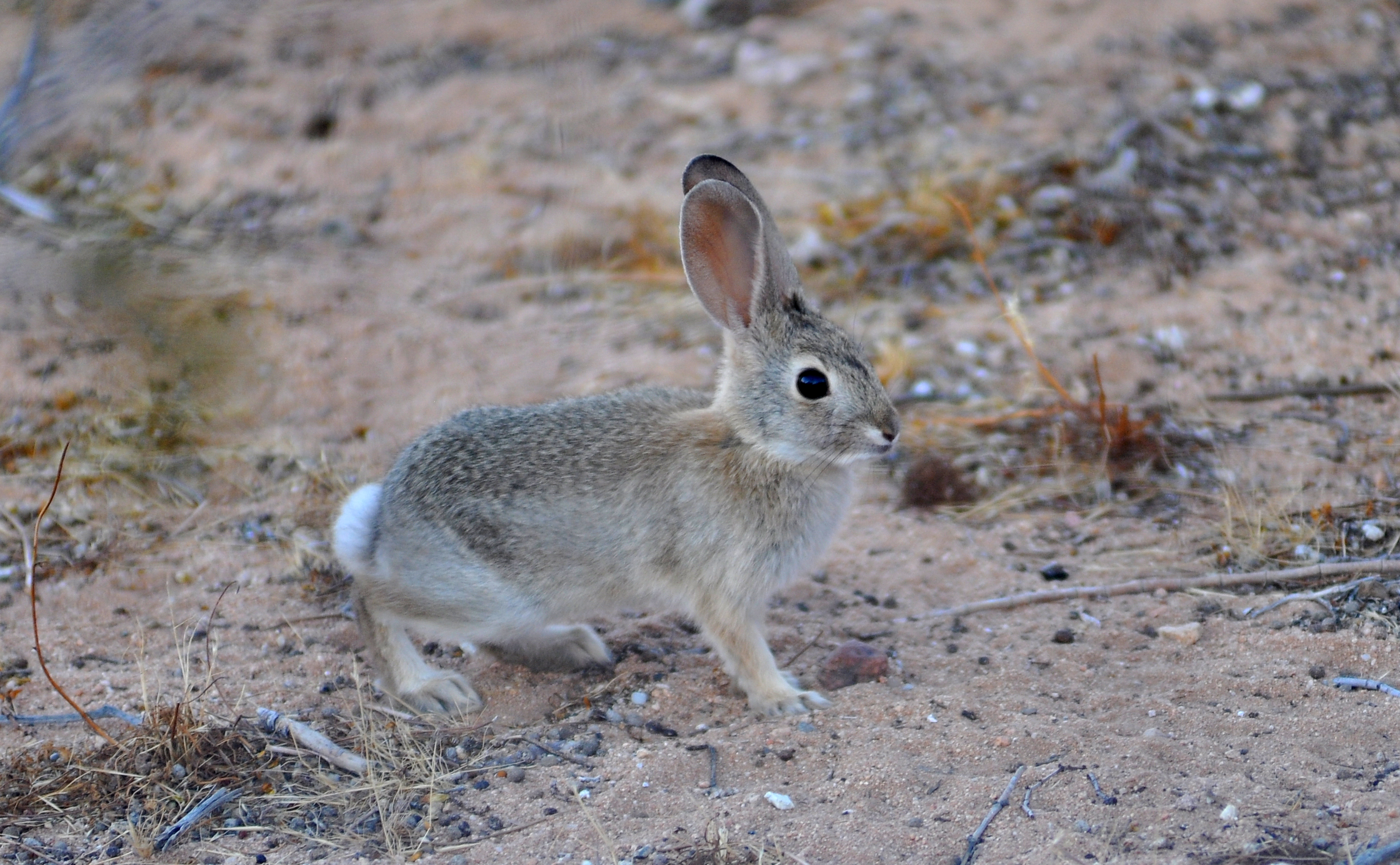
Likely Mojave Plague Epizootic Appeared to Involve Both Desert Cottontails and Black-tailed Jackrabbits
A 2026 paper describes what the authors consider the first likely plague epizootic reported from the Mojave Desert…
Read story →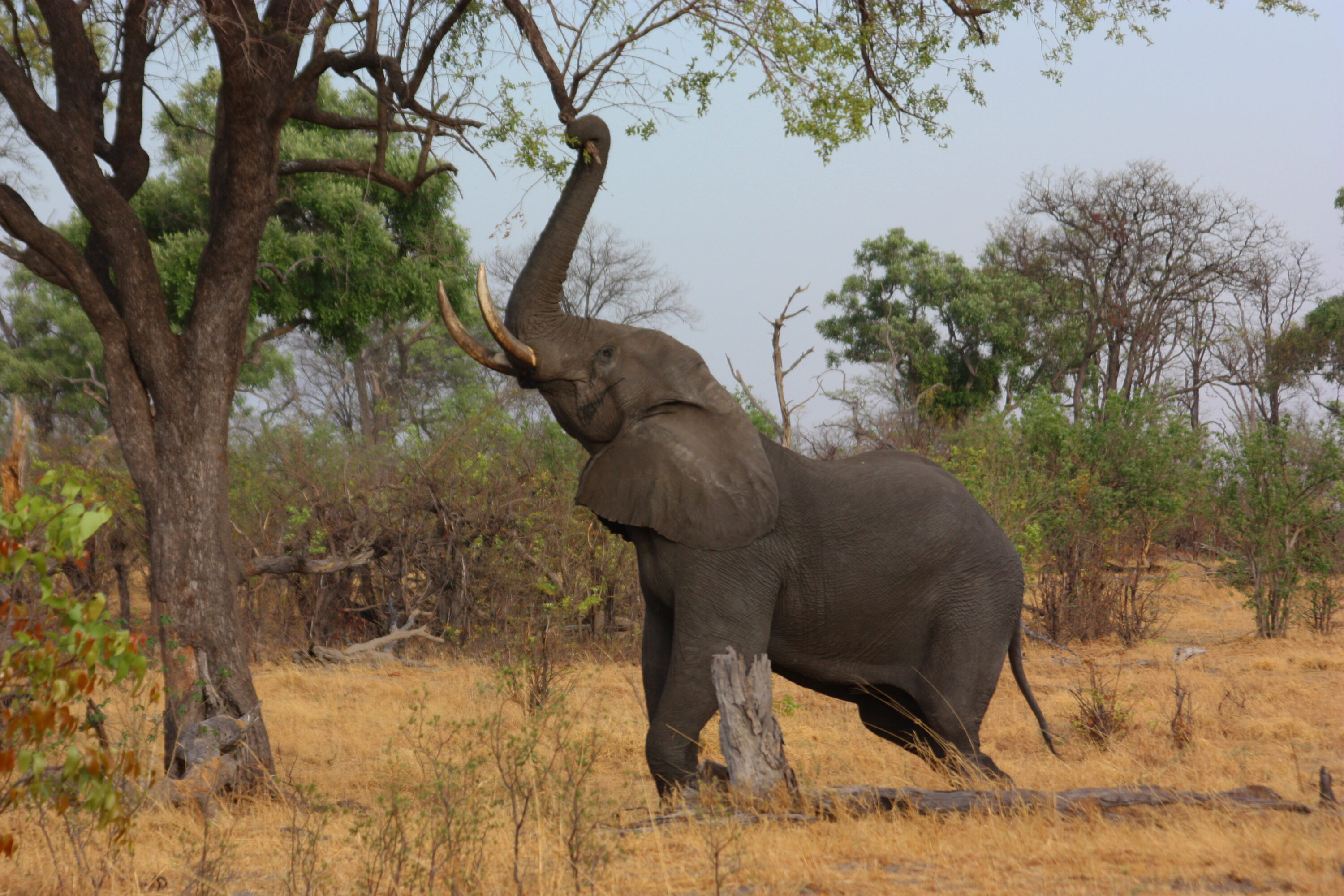
African Bush Elephants Distinguished Artificial Food-Quantity Patterns at Close Range
In experiments in South Africa, four semi-tame elephants chose between visual patterns representing canopy size and leaf density.…
Read story →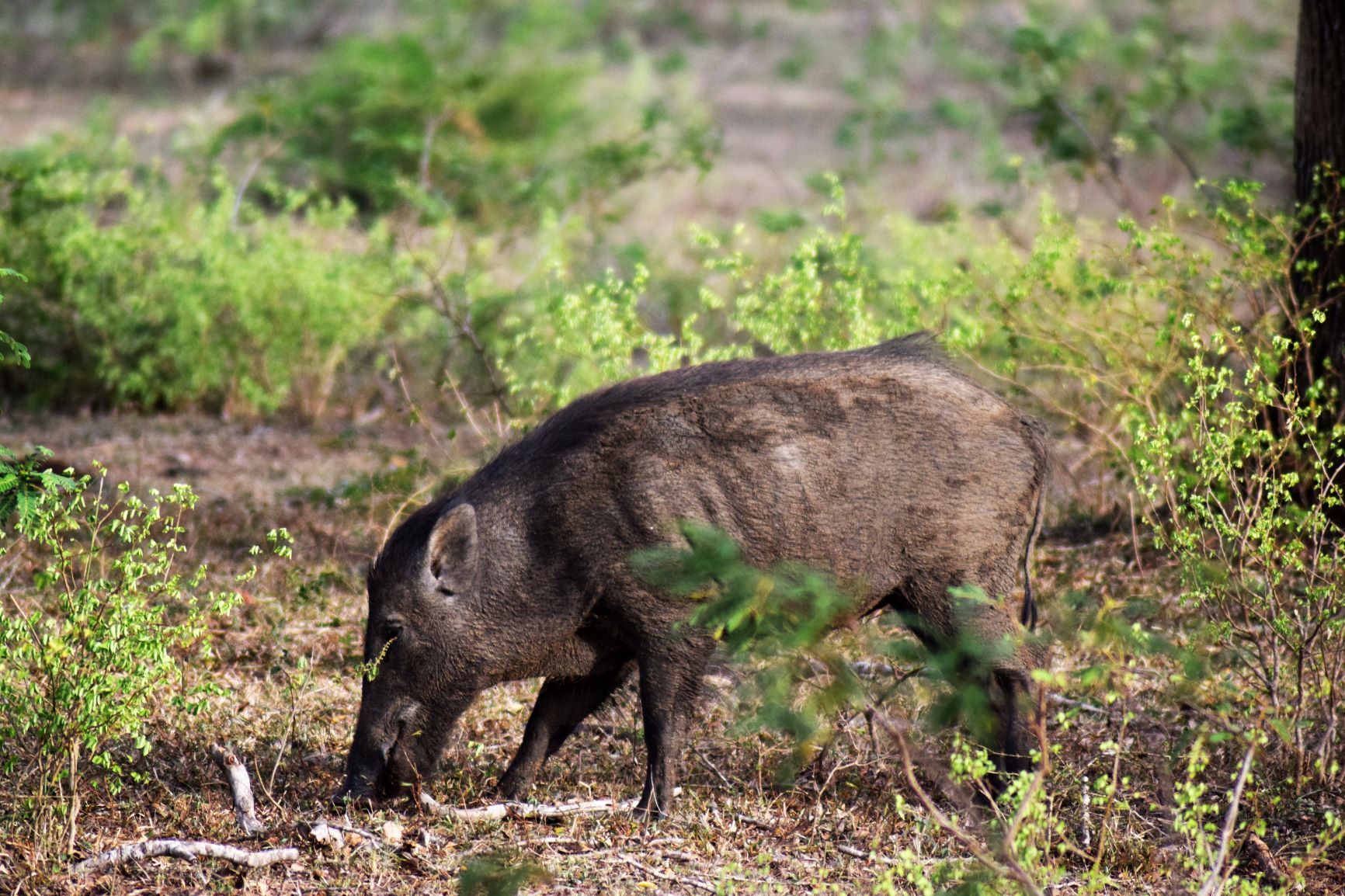
Maps Show Where Wild Boar Could Thrive and Spread on Jeju Island
Researchers mapped potentially suitable wild-boar habitat across roughly 36% of Jeju Island and identified eight possible corridors linking…
Read story →SPECIES IN THIS STORY
Species in this story
Independent research and conservation news archive
Did you find this information useful?
Wildlife Vagabond is independently built and maintained. Voluntary support helps cover source verification, hosting and continued work on research and conservation news.
Support Wildlife VagabondThe news archive will remain freely available.