
Likely Mojave Plague Epizootic Appeared to Involve Both Desert Cottontails and Black-tailed Jackrabbits
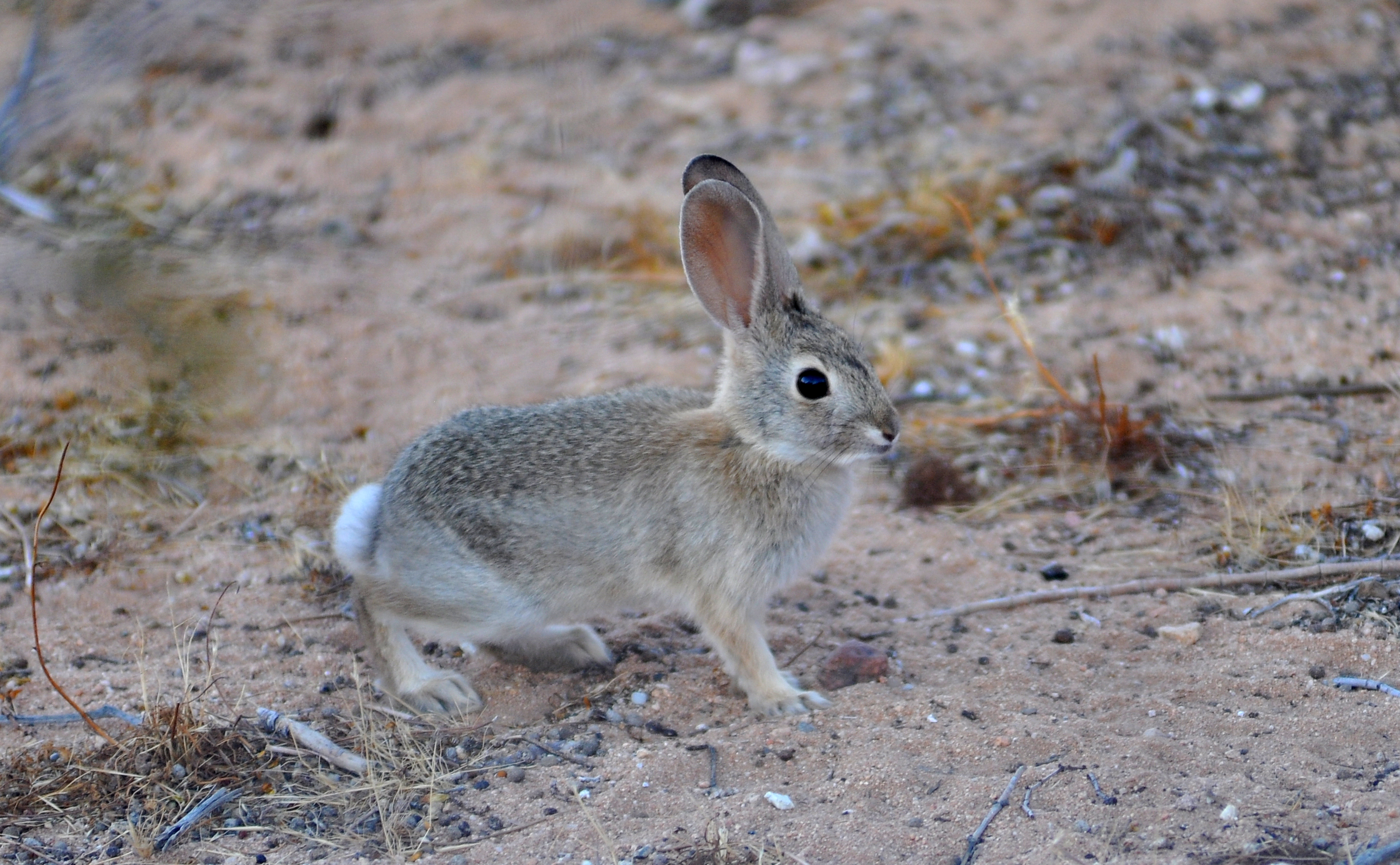
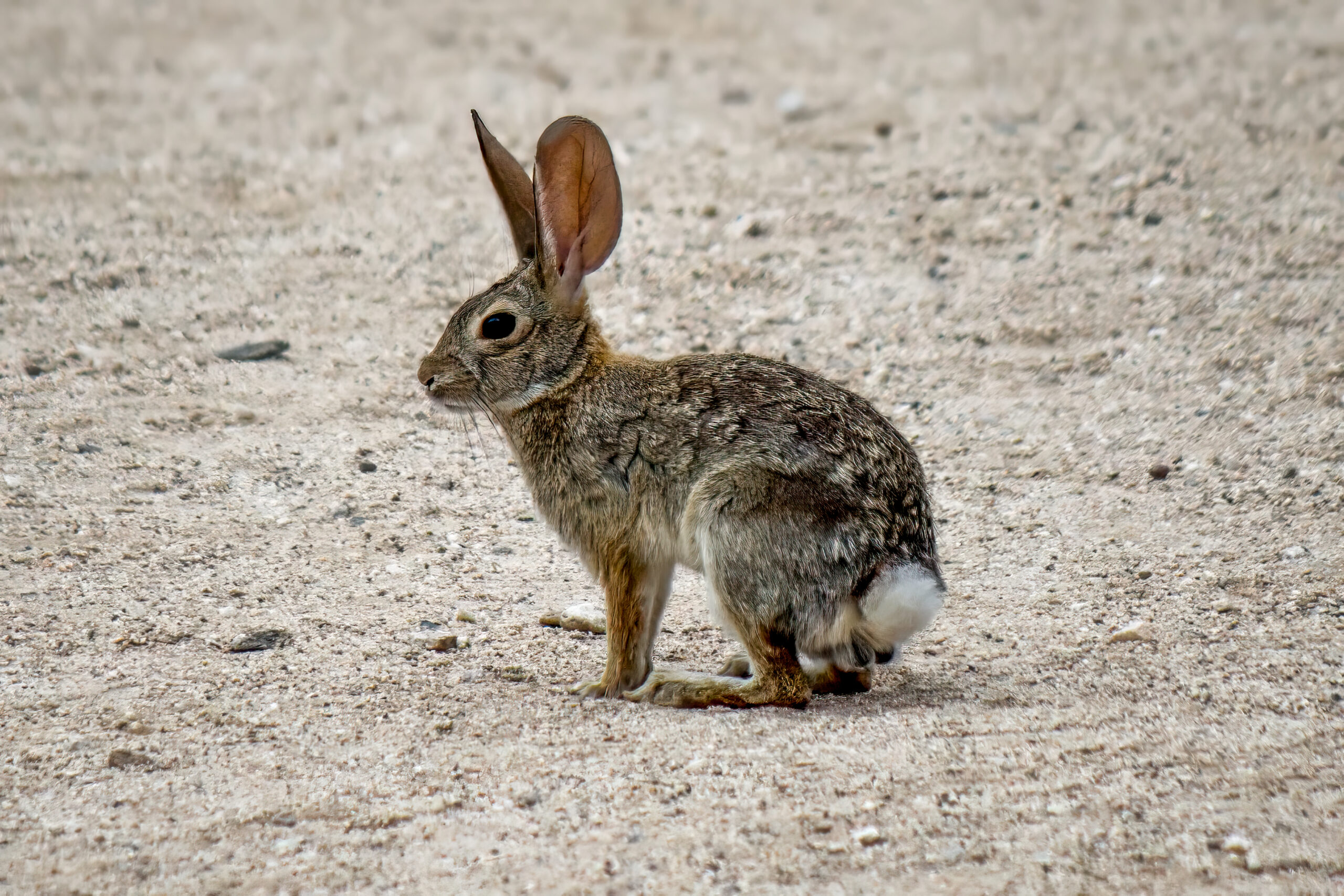
A 2026 paper describes what the authors consider a likely plague epizootic involving desert cottontails (Sylvilagus audubonii) and black-tailed jackrabbits (Lepus californicus) in California, USA’s Mojave Desert. The authors present it as the first described plague epizootic from the Mojave and the first such account involving both lagomorph species.
An epizootic is an outbreak of disease in an animal population, analogous to an epidemic in humans. Plague is caused by the bacterium Yersinia pestis, which became established in wild mammal communities in western North America after its arrival around 1900. Its ecology is best studied in rodents and their fleas, while much less is known about how plague circulates in rabbits and hares.
The authors describe the event cautiously
The paper says the Mojave event appeared to involve both desert cottontails and black-tailed jackrabbits and therefore labels it a likely epizootic. That wording matters: the report supports plague as the explanation for the event, but the publicly available primary text does not provide enough diagnostic detail to reconstruct the infection status of every individual animal or the complete transmission chain.
A human case of plague also occurred during the event. The paper discusses the public-health implications of plague in lagomorphs, but the available primary text does not establish a specific transmission route from one of the rabbits or hares to the person.
Lagomorphs are a poorly understood part of plague ecology
Most North American plague research has focused on rodents, even though rabbits and hares can also be infected. The authors argue that better understanding infection in lagomorphs matters for both ecosystem health and human exposure because these animals can occur close to people and may participate in local plague cycles in ways that are not yet well described.
They also suggest that plague could be one factor contributing to the broader long-term decline reported in rabbit and hare populations, especially black-tailed jackrabbits. This is presented as a possible ecological link rather than a conclusion demonstrated by the Mojave event itself.
The study therefore adds a new regional and host combination to the known ecology of plague while leaving important questions unresolved: how frequently lagomorphs become infected, how transmission is maintained in desert systems and how much disease contributes to population change.
Disease, parasites & microbiology
Related news
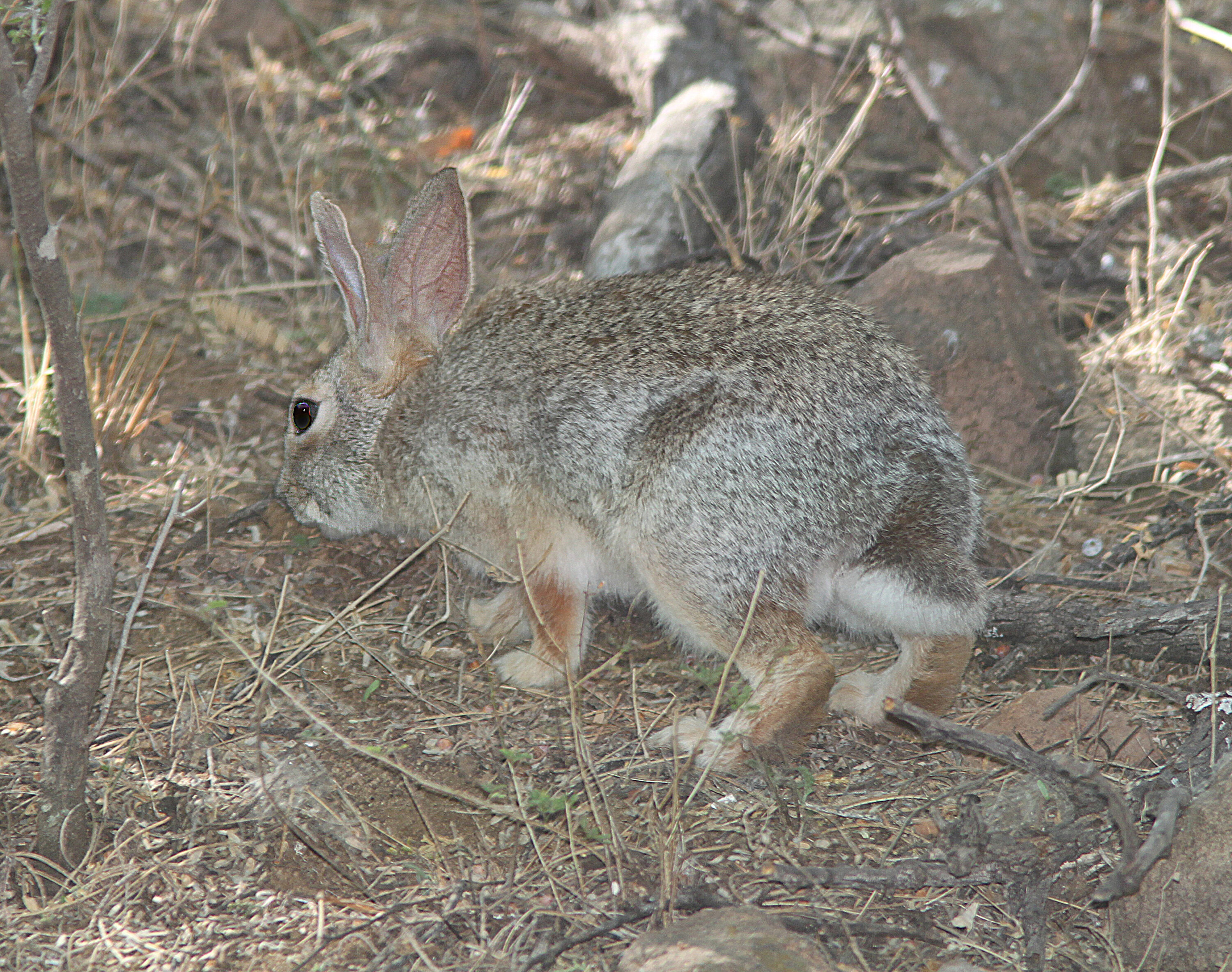
Desert cottontail density did not track four climatic factors in Chihuahua
Monthly pellet counts in Chihuahua found no relationship between desert cottontail density and precipitation, temperature, photoperiod or wind,…
Read story →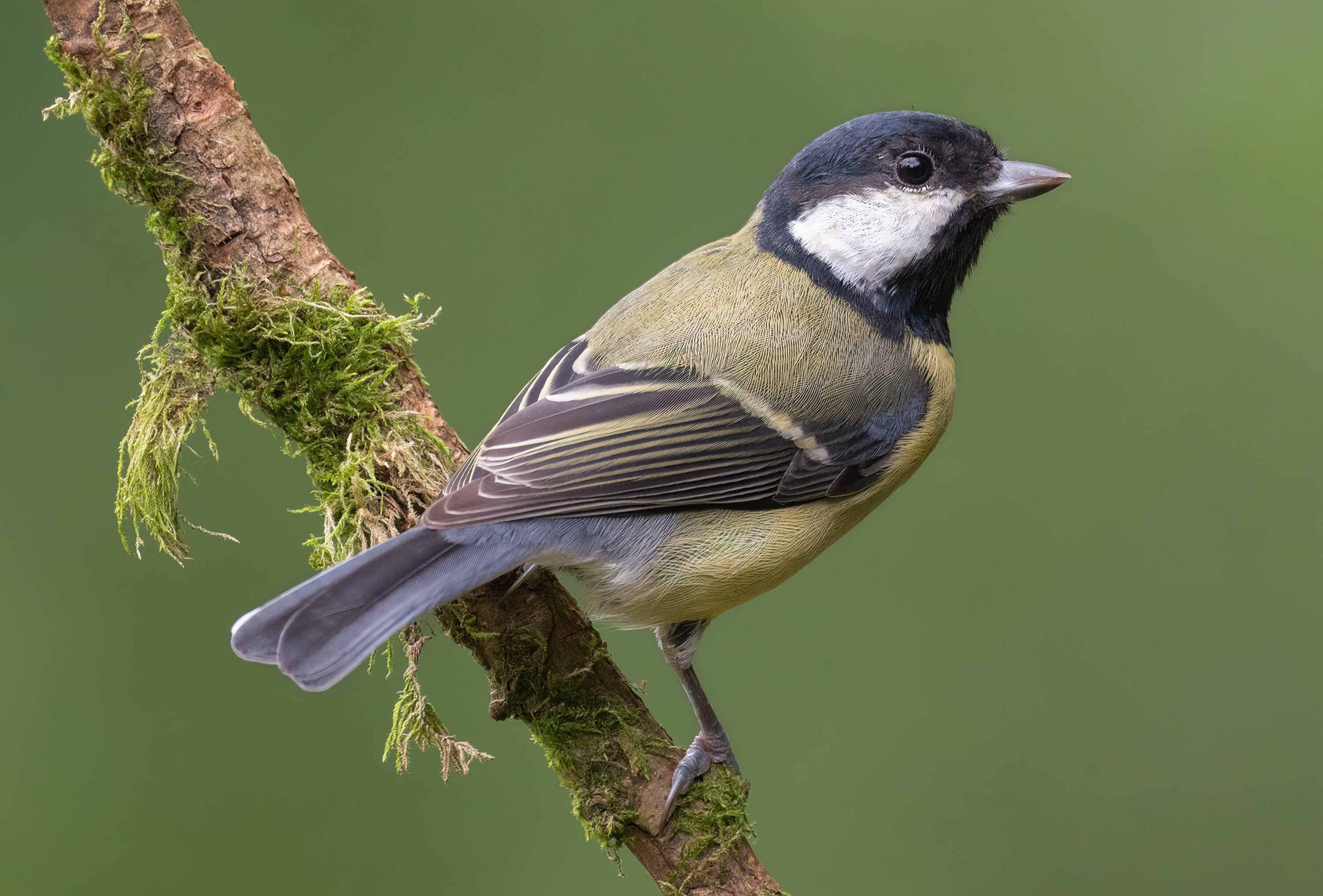
Great Tits Infected Ticks With Borrelia Most Often During Breeding
Across 420 xenodiagnoses in northern Belgium, wild Great Tits were much more likely to transmit Borrelia garinii to…
Read story →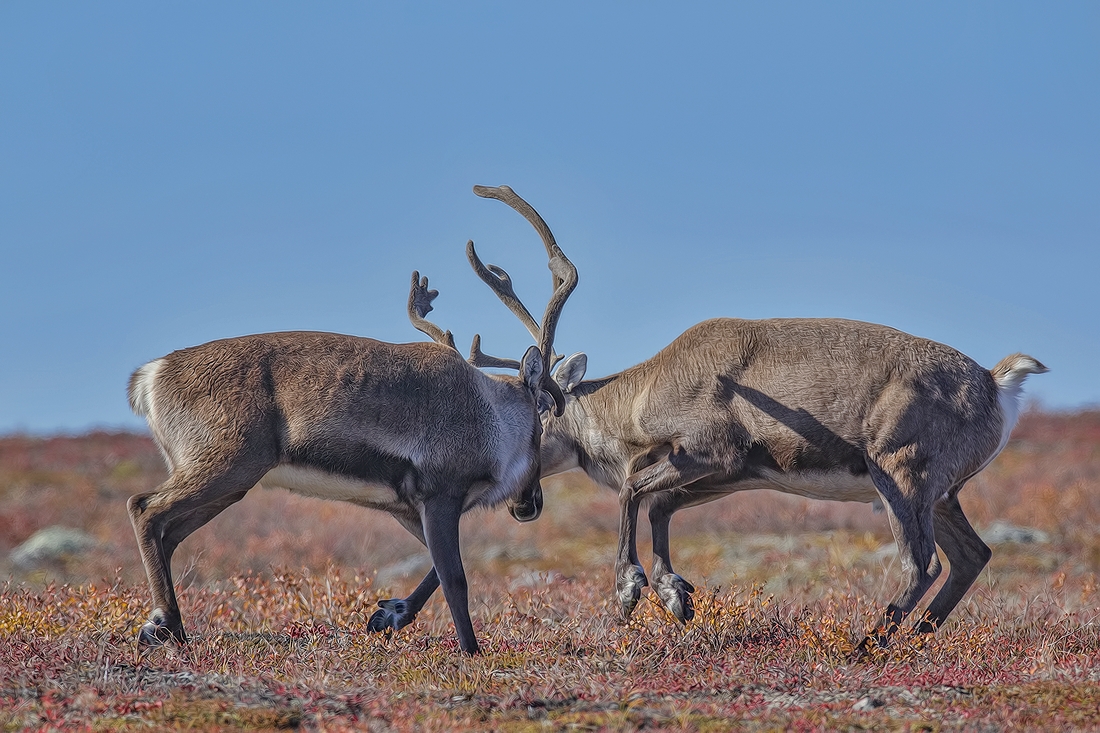
Inuit harvesters help detect an emerging parasitic disease in Arctic caribou
Near Kugluktuk in Nunavut, Inuit harvesters reported unusual tissue changes in caribou. Tests found DNA from two parasitic…
Read story →SPECIES IN THIS STORY
Species in this story
Independent research and conservation news archive
Did you find this information useful?
Wildlife Vagabond is independently built and maintained. Voluntary support helps cover source verification, hosting and continued work on research and conservation news.
Support Wildlife VagabondThe news archive will remain freely available.