
Dhole Skull Measurements Revealed Three Broad Geographic Morphological Groups Across Asia
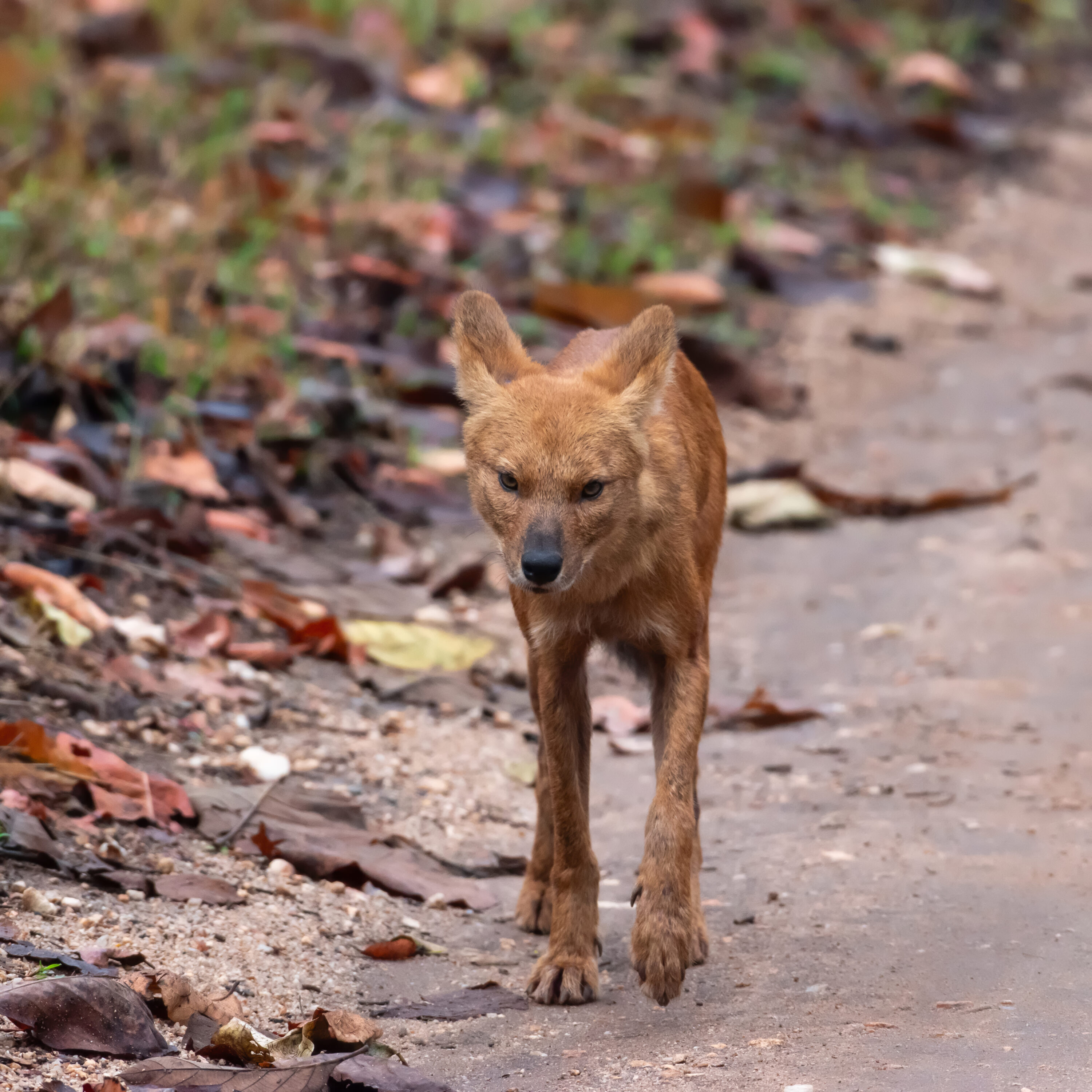
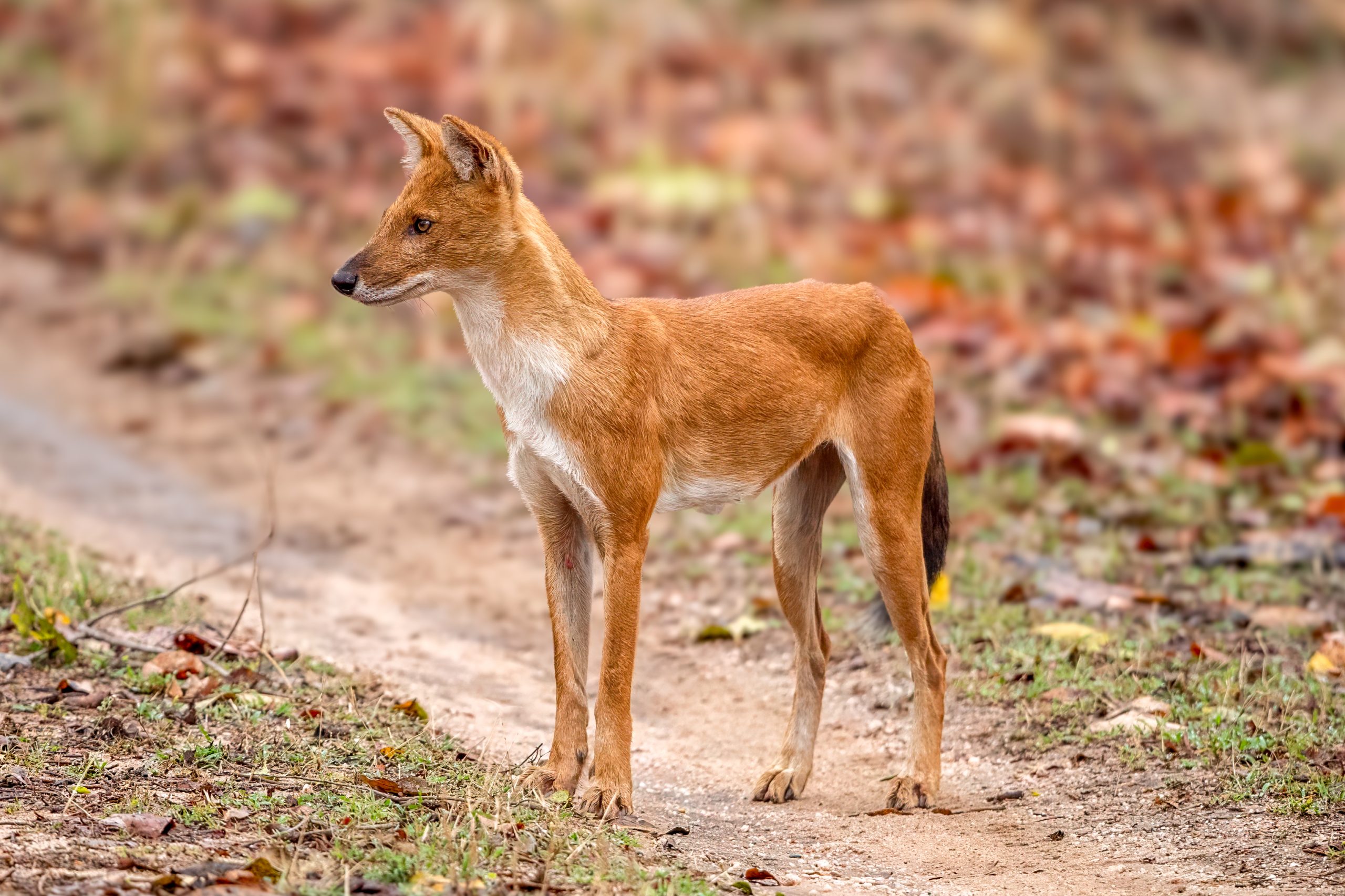
A 2026 study of dhole (Cuon alpinus) skulls found marked geographic variation across the species’ modern range. Researchers measured 73 skulls from museum collections using 22 measurements of the cranium and lower jaw to compare size and shape among animals from northern continental Asia, other continental populations and southern peninsular and island populations. Morphometric analysis combines many such measurements to identify overall patterns in form rather than relying on a single skull feature.
Northern populations generally had larger skulls
The study found no significant sexual dimorphism in the cranial measurements. Geographic differences were clearer: skulls from northern populations were generally larger than those from farther south, and analyses that combined the measurements identified three main morphometric groups.
Three broad geographic clusters emerged, but with overlap
One group consisted mainly of northern continental dholes from southern Eastern Siberia and the Altai–Tien Shan region. A second was dominated by other continental forms traditionally assigned to C. a. primaevus, C. a. adustus and C. a. dukhunensis. The third was centred on animals from Java, Sumatra and southern Indochina. Some specimens fell outside these dominant patterns, so the groups were broad morphological clusters rather than perfectly separated taxonomic boxes. A weaker secondary pattern was also detected within these broader groups.
The authors propose that the main geographical pattern in skull morphology may have developed during the Middle to Late Pleistocene, with finer-scale differentiation emerging during the Late Pleistocene and Holocene. The analysed material came from Kyrgyzstan, Russia, China, India, Nepal, Myanmar, Malaysia and Indonesia.
Anatomy & morphology
Related news
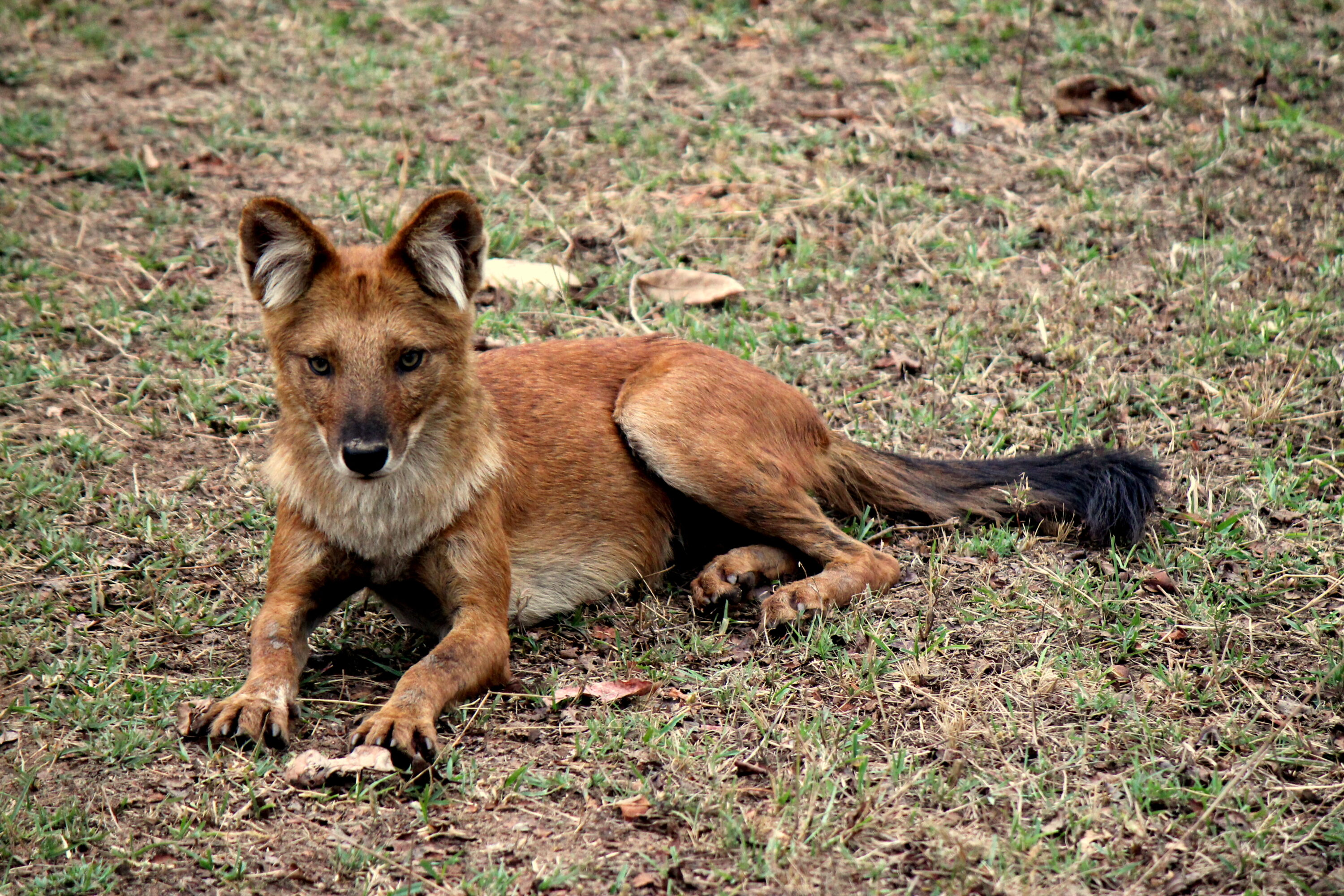
Dhole Gets Its First Chromosome-Level Genome Assembly
Researchers assembled a 2.42-billion-base genome for the dhole, anchoring 97.0% of its sequence to 39 chromosomes. The resource…
Read story →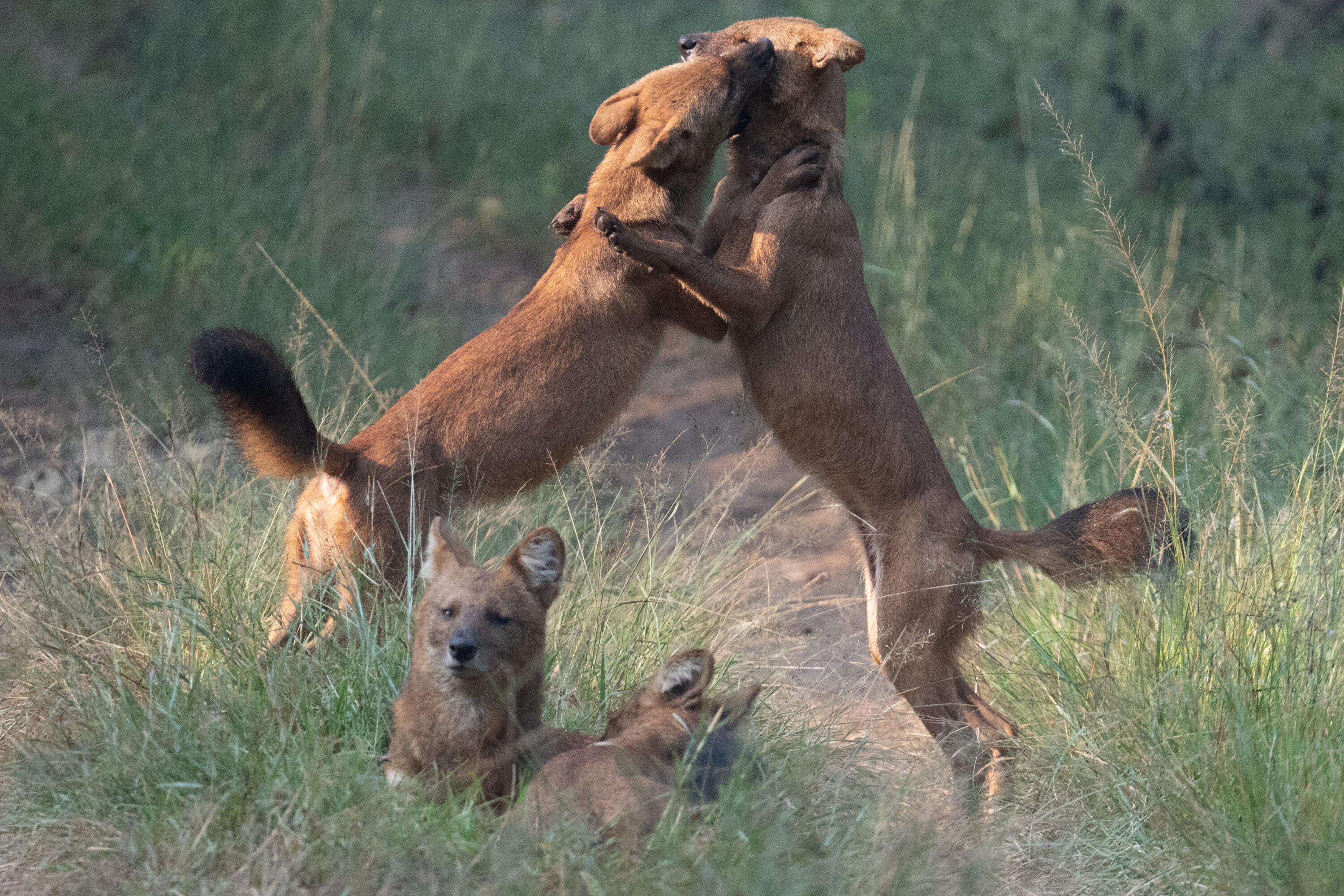
DNA in Droppings Revealed Big Differences in Dhole Density
Researchers used DNA from droppings to monitor dholes in six forest sites in India’s Western Ghats. They estimated…
Read story →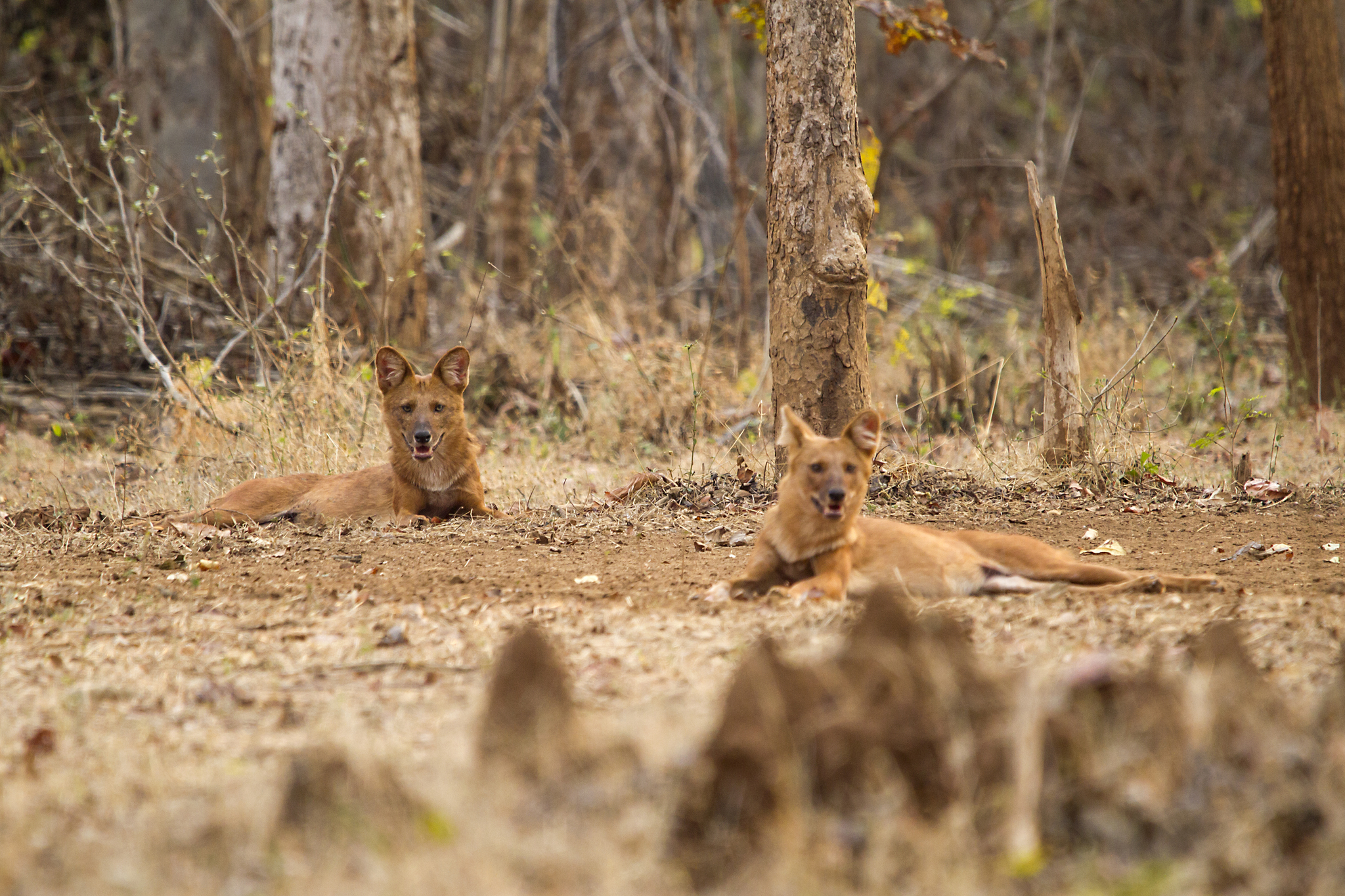
Models Estimated 47.6% Contraction in Suitable Dhole Habitat in China
Models suggest suitable dhole habitat in China contracted by 47.6% from the historical to current period and could…
Read story →SPECIES IN THIS STORY
Species in this story
Independent research and conservation news archive
Did you find this information useful?
Wildlife Vagabond is independently built and maintained. Voluntary support helps cover source verification, hosting and continued work on research and conservation news.
Support Wildlife VagabondThe news archive will remain freely available.