
Models Estimated 47.6% Contraction in Suitable Dhole Habitat in China
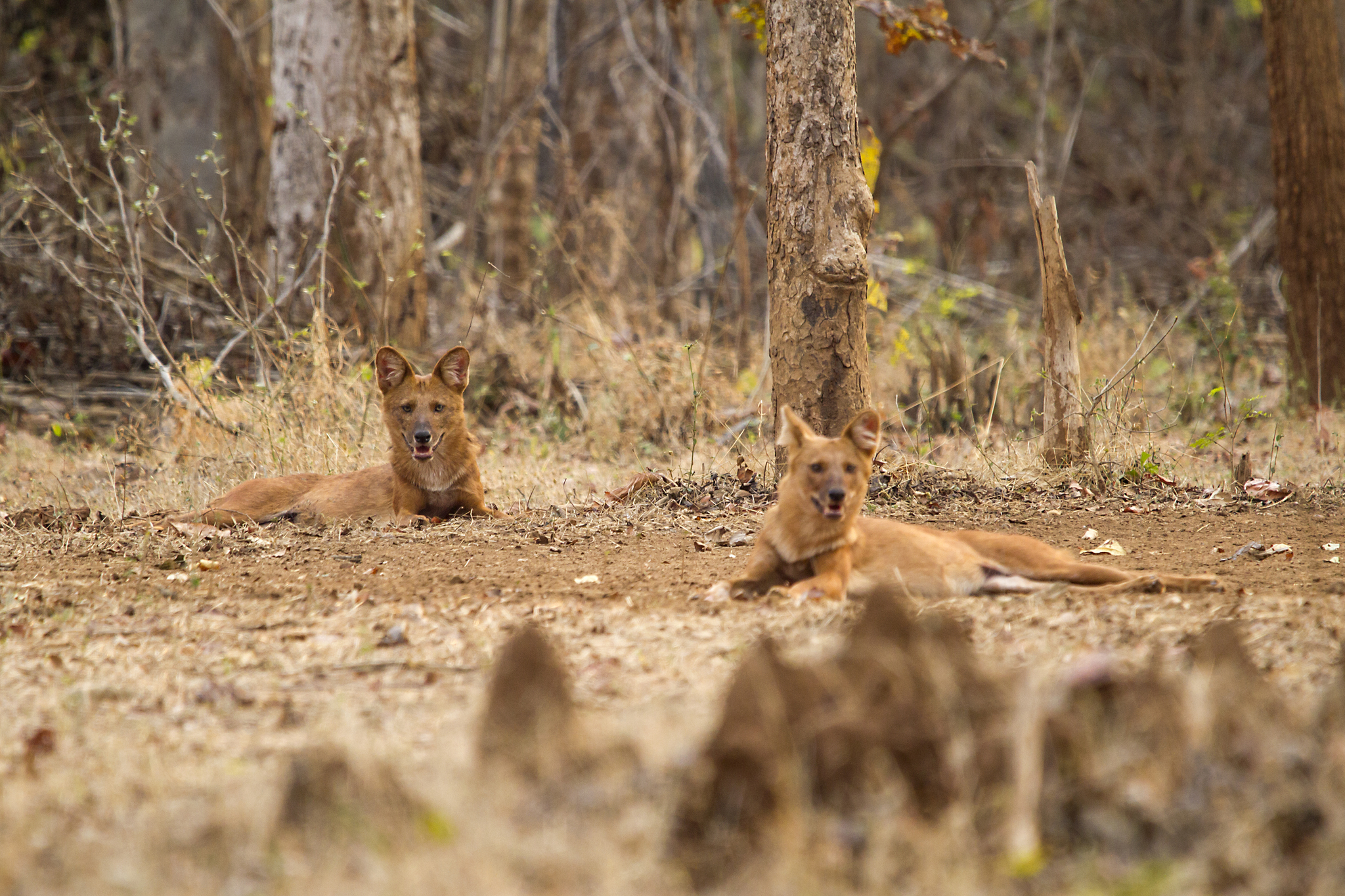
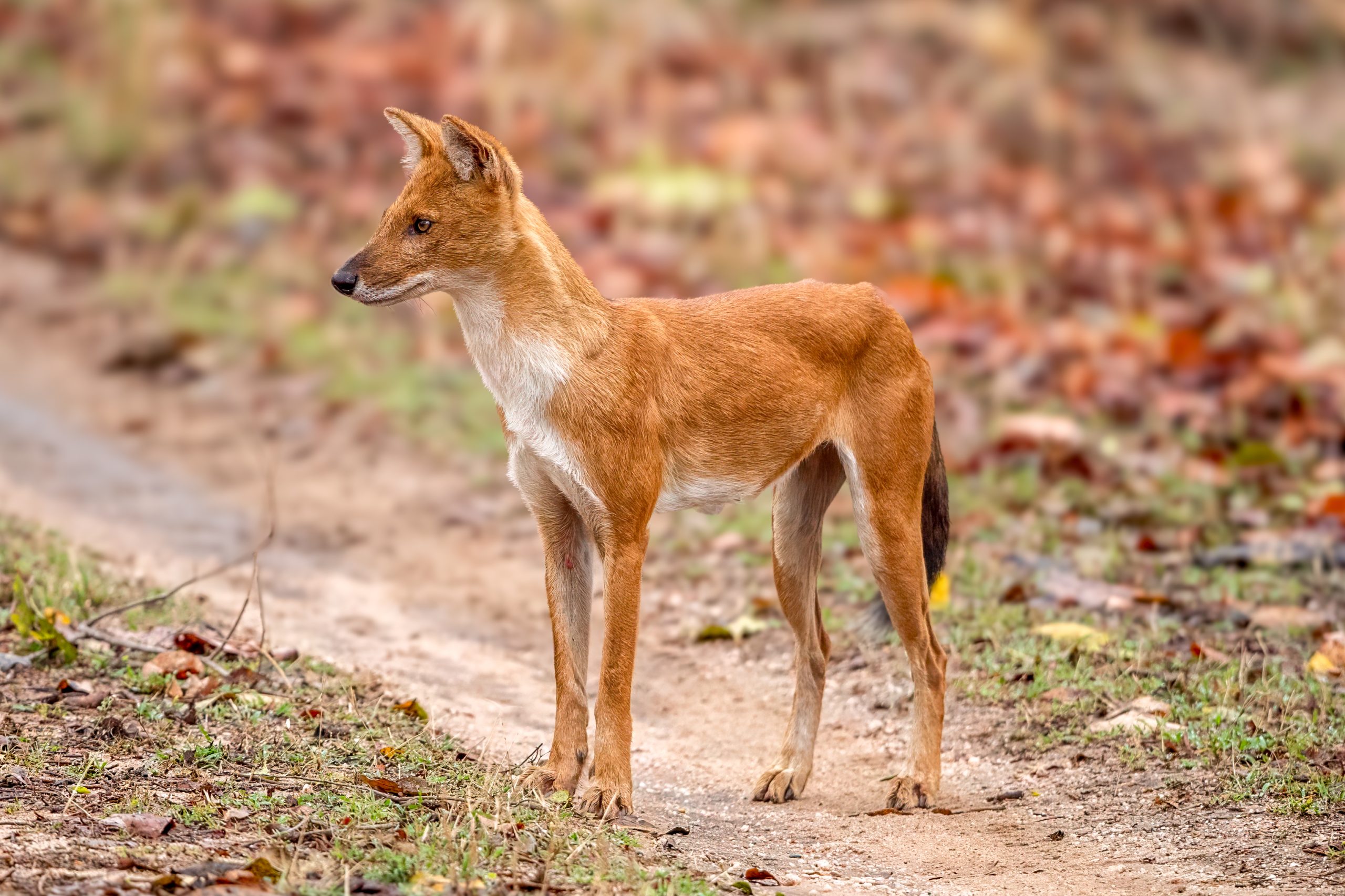
A modelling study suggests that the amount of environmentally suitable habitat available to dholes (Cuon alpinus) in China has contracted sharply since the late twentieth century and could shrink further as the climate changes. Researchers combined historical and recent occurrence records with climate, terrain, vegetation and human-pressure data in an ensemble species-distribution model, which estimates where environmental conditions are suitable rather than directly mapping occupied territory.
Modelled suitable area fell by 47.6%
For the historical period, 1980–2000, the model estimated about 2.74 million km² of suitable habitat, spread mainly across western, southern and central China. In the current-period model, suitable area fell to about 1.43 million km² and became concentrated around the Qinghai–Tibet Plateau. That corresponds to a 47.6% reduction in total modelled suitable area. The change was not a simple uniform retreat: some areas became newly suitable, but the area that lost suitability was much larger.
The researchers then projected conditions for 2041–2060 under three climate scenarios. Across them, suitable habitat was projected to decline by a further 12.0–13.1% relative to the current model. The projected loss was therefore similar across all three climate scenarios.
Temperature stability and terrain were important
The environmental variables most strongly associated with suitability also differed between the historical and current models. In the historical period, minimum temperature in the coldest month ranked highest, followed by elevation and slope. In the current model, elevation was the strongest predictor, followed by isothermality and slope. Isothermality describes how stable temperatures are when daily temperature variation is compared with variation across the year; in biological terms, the result suggests that temperature stability, not only absolute cold, has become important in distinguishing suitable areas.
The authors caution that these are modelled associations rather than direct measurements of the mechanisms affecting dholes. Historical records can be difficult to verify precisely, occurrence data remain sparse in some regions, and the fine-scale ways in which climate affects dhole habitat still need further study.
Most current and future refugia lie outside protected areas
The study identified potential future climate refugia in the Kunlun–Altun Mountains, Danghenan Mountains, Qilian Mountains, southeastern Tibet and the Hengduan Mountains. These are areas projected to remain suitable across the future scenarios and may therefore become increasingly important as conditions change elsewhere.
Protection coverage was limited. Only about 16.9% of the currently suitable area overlapped protected areas, leaving 83.1% outside them. The gap was similarly large for the core future refugia: 83.7% of that area was outside protected areas. The authors therefore argue that conservation planning should not rely only on the existing reserve network, but should also consider connectivity and future shifts in suitable habitat.
Threats
Related news
Dhole Gets Its First Chromosome-Level Genome Assembly
Researchers assembled a 2.42-billion-base genome for the dhole, anchoring 97.0% of its sequence to 39 chromosomes. The resource…
Read story →
DNA in Droppings Revealed Big Differences in Dhole Density
Researchers used DNA from droppings to monitor dholes in six forest sites in India’s Western Ghats. They estimated…
Read story →
Key Movement Bottlenecks for Five Large Mammals Lay Outside Protected Areas in Tamil Nadu
A 2026 study of tiger, leopard, dhole, Asian elephant and gaur identified modelled movement bottlenecks outside protected areas,…
Read story →SPECIES IN THIS STORY
Species in this story
Independent research and conservation news archive
Did you find this information useful?
Wildlife Vagabond is independently built and maintained. Voluntary support helps cover source verification, hosting and continued work on research and conservation news.
Support Wildlife VagabondThe news archive will remain freely available.