
Dhole Density Was Nearly Three Times as High in Nemmara as in Parambikulam
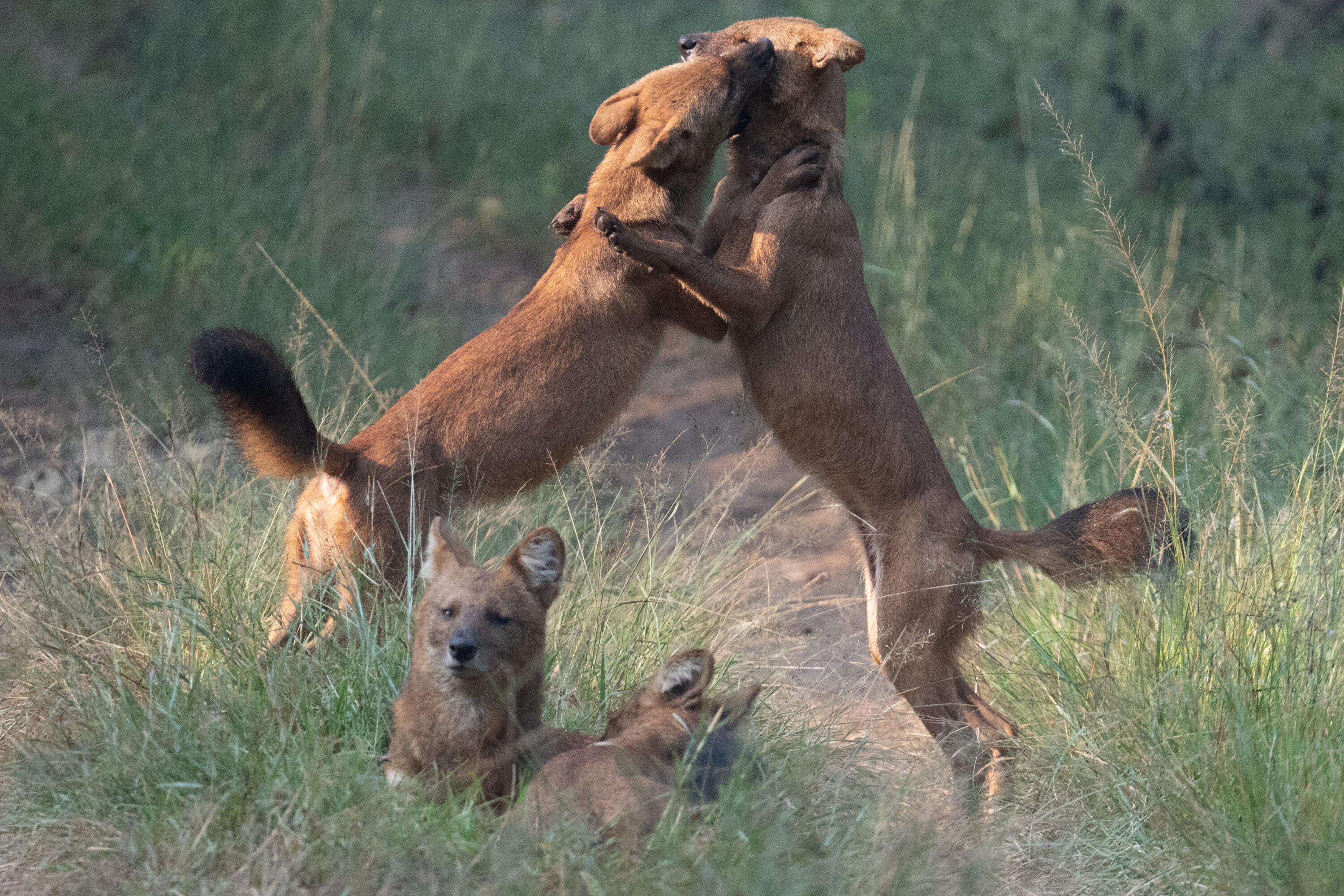
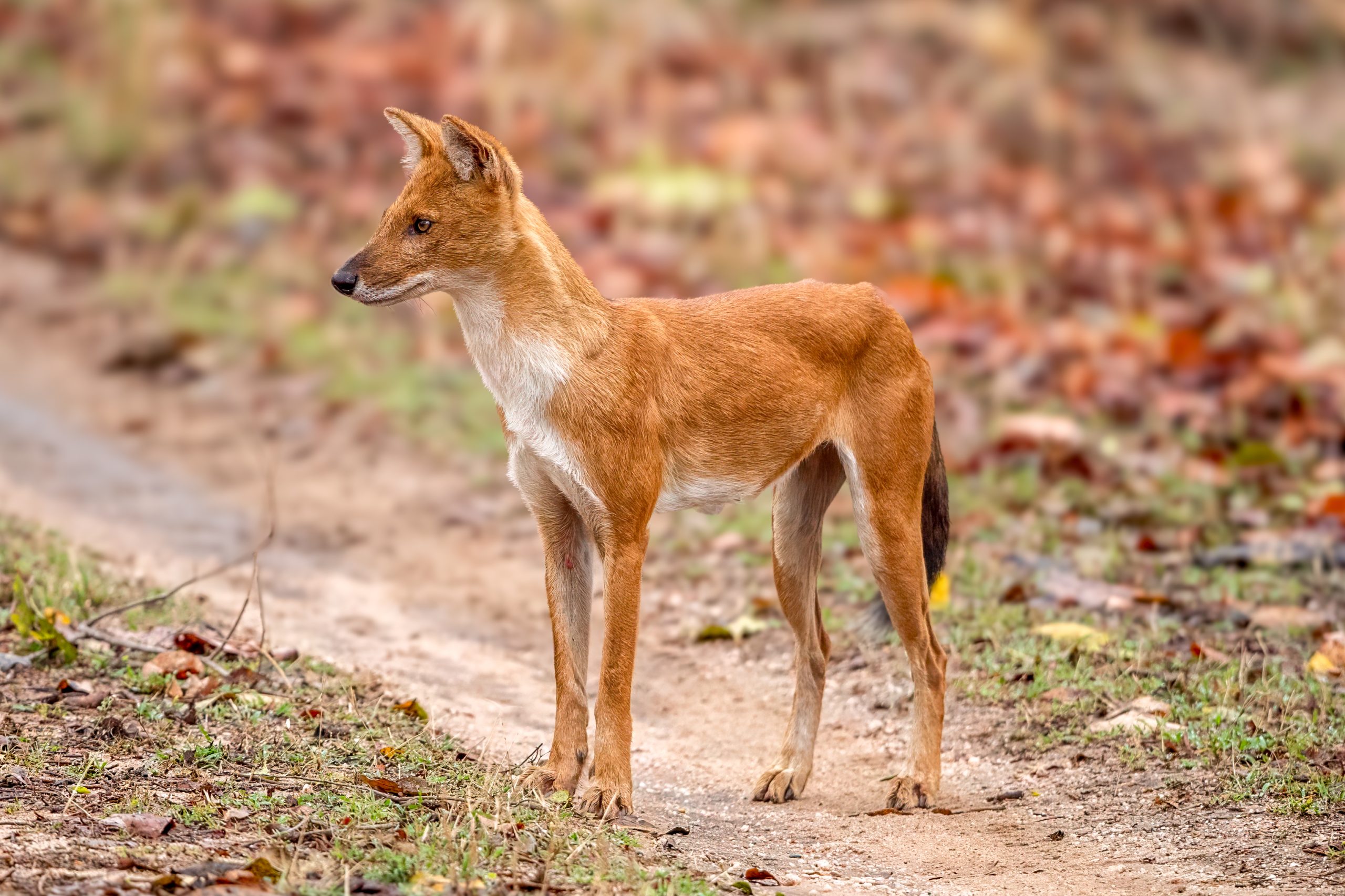
Dholes (Cuon alpinus) are endangered, pack-living wild dogs found across parts of South and Southeast Asia. Estimating how many live in a particular forest is challenging because not every animal is seen during a survey. Researchers monitored dholes at six sites in India’s Western Ghats between 2019 and 2023, combining genetic identification with fieldwork by Forest Department staff and trained citizen-volunteers. The sites included the protected areas of Wayanad, Parambikulam and Periyar, as well as neighbouring territorial forest divisions.
DNA reveals which individuals were present
The team collected dhole faeces and used a panel of 96 genetic markers to distinguish one individual from another. They then combined the locations of those samples with spatial capture–recapture models. These models use repeat detections of identified animals and the places where they were found to estimate how many animals occupy a surveyed area, while accounting for individuals that go undetected.
Nearly three times higher density at one site
In 2023, Parambikulam had the lowest estimated dhole density among the six study sites, at 9.73 animals per 100 km². Nemmara Territorial Division had the highest, at 29.23 per 100 km². In other words, the estimated number of dholes per unit area was almost three times as high in Nemmara as in Parambikulam. These are local density estimates; they do not represent the total numbers of dholes across the Western Ghats.
In Wayanad Wildlife Sanctuary, the researchers described density as broadly stable over the three surveyed years. Estimates rose only modestly from 15.67 animals per 100 km² in 2019 to 19.01 in 2023, with 2022 also included in the monitoring. Taken together, the findings show why tracking several sites and years matters: the density estimated for one forest cannot simply be applied to another.
Forest staff and volunteers keep monitoring going
An average of 46 Forest Department personnel took part in data collection at each site per survey year, alongside trained citizen-volunteers. Of 29 former volunteers who later answered a project survey, 83% had gone on to work or undertake higher education in wildlife-related or adjacent fields.
Identifying dholes from faecal DNA makes it possible to estimate local population density without needing to see every animal. The researchers argue that collaboration with forest managers and locally recruited volunteers can help sustain monitoring across a larger landscape, while building experience for future conservation work. The results come from a preprint and should not be treated as a peer-reviewed assessment of the total dhole population in the Western Ghats.
Population & status
Related news
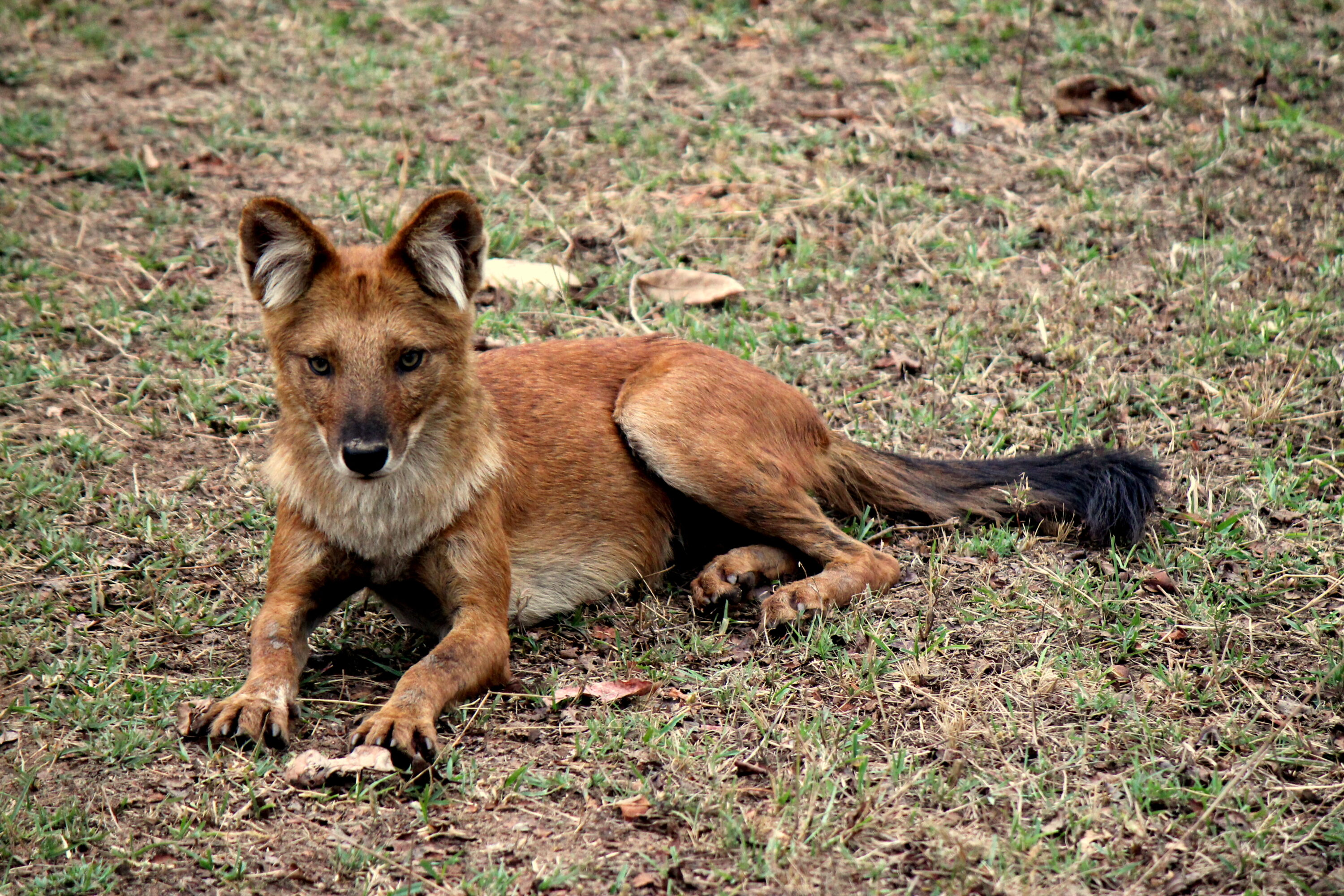
Dhole gets its first chromosome-level genome assembly
Researchers assembled a 2.42-billion-base genome for the dhole, anchoring 97.0% of its sequence to 39 chromosomes. The resource…
Read story →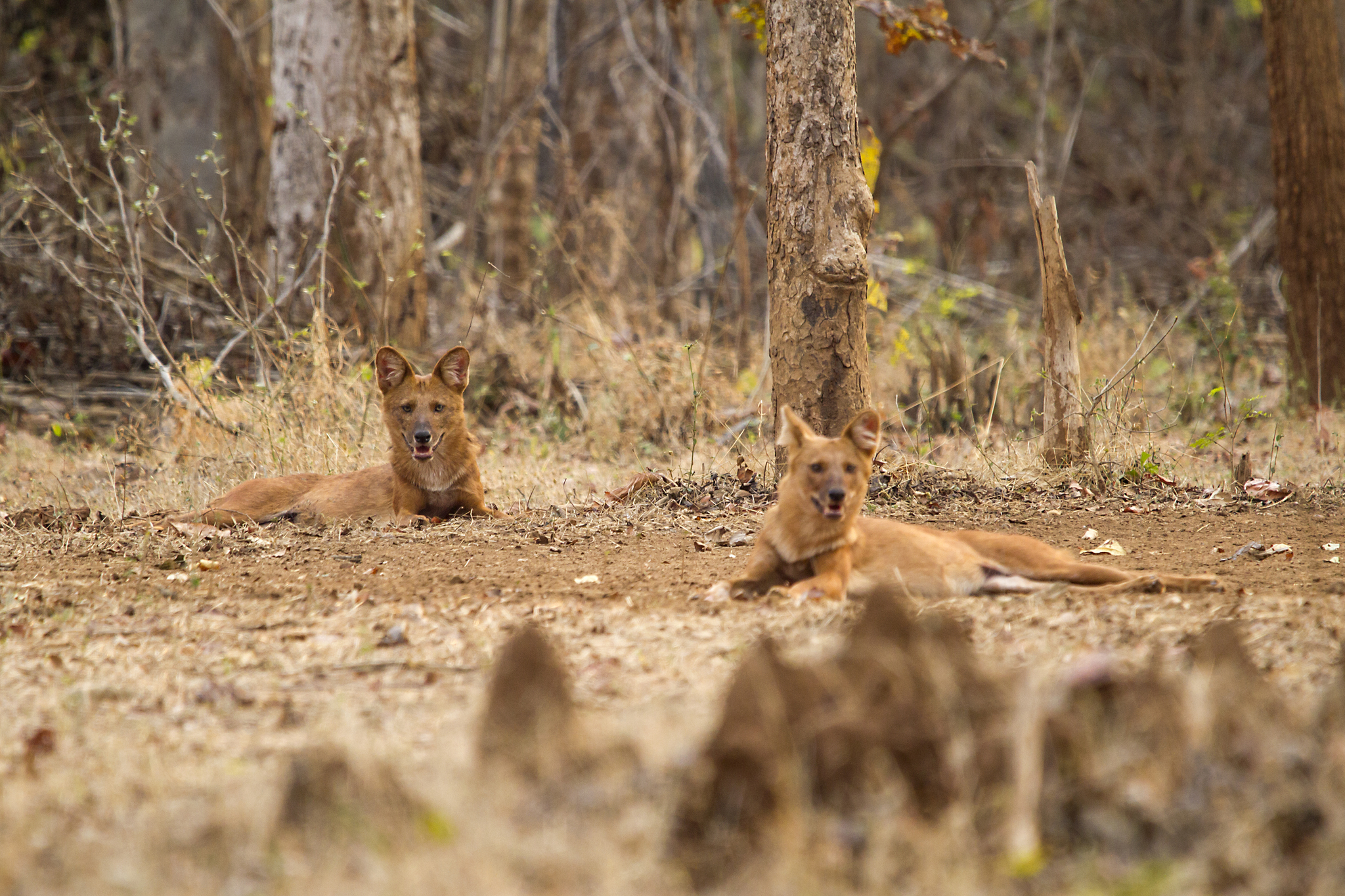
Models Estimated 47.6% Contraction in Suitable Dhole Habitat in China
Models suggest suitable dhole habitat in China contracted by 47.6% from the historical to current period and could…
Read story →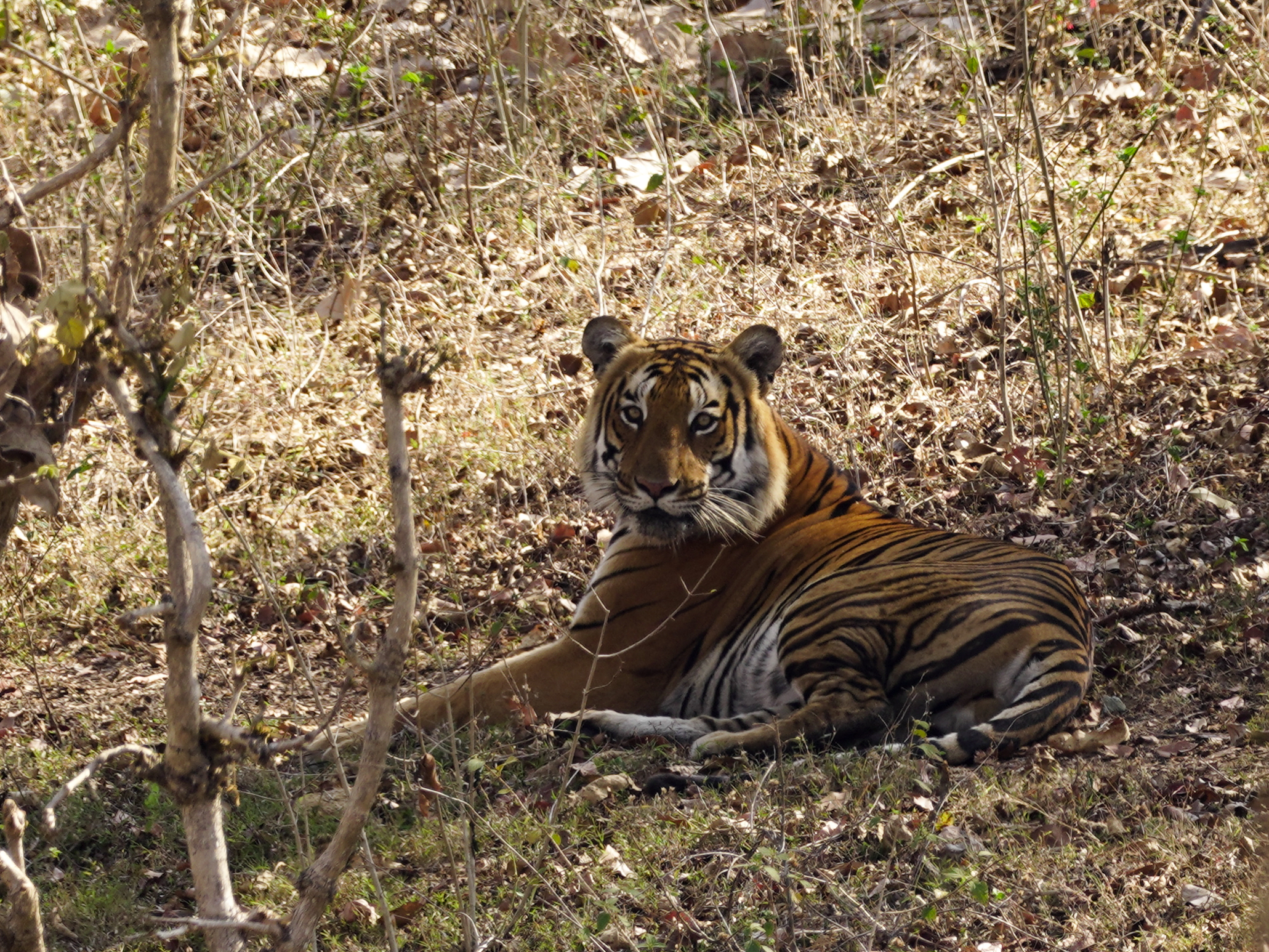
Key Movement Bottlenecks for Five Large Mammals Lay Outside Protected Areas in Tamil Nadu
A 2026 study of tiger, leopard, dhole, Asian elephant and gaur identified modelled movement bottlenecks outside protected areas,…
Read story →SPECIES IN THIS STORY
Species in this story
Independent research and conservation news archive
Did you find this information useful?
Wildlife Vagabond is independently built and maintained. Voluntary support helps cover source verification, hosting and continued work on research and conservation news.
Support Wildlife VagabondThe news archive will remain freely available.