
EHDV-8 Caused Rapid, Severe Disease in Red Deer, European Fallow Deer and Mouflon in Spain
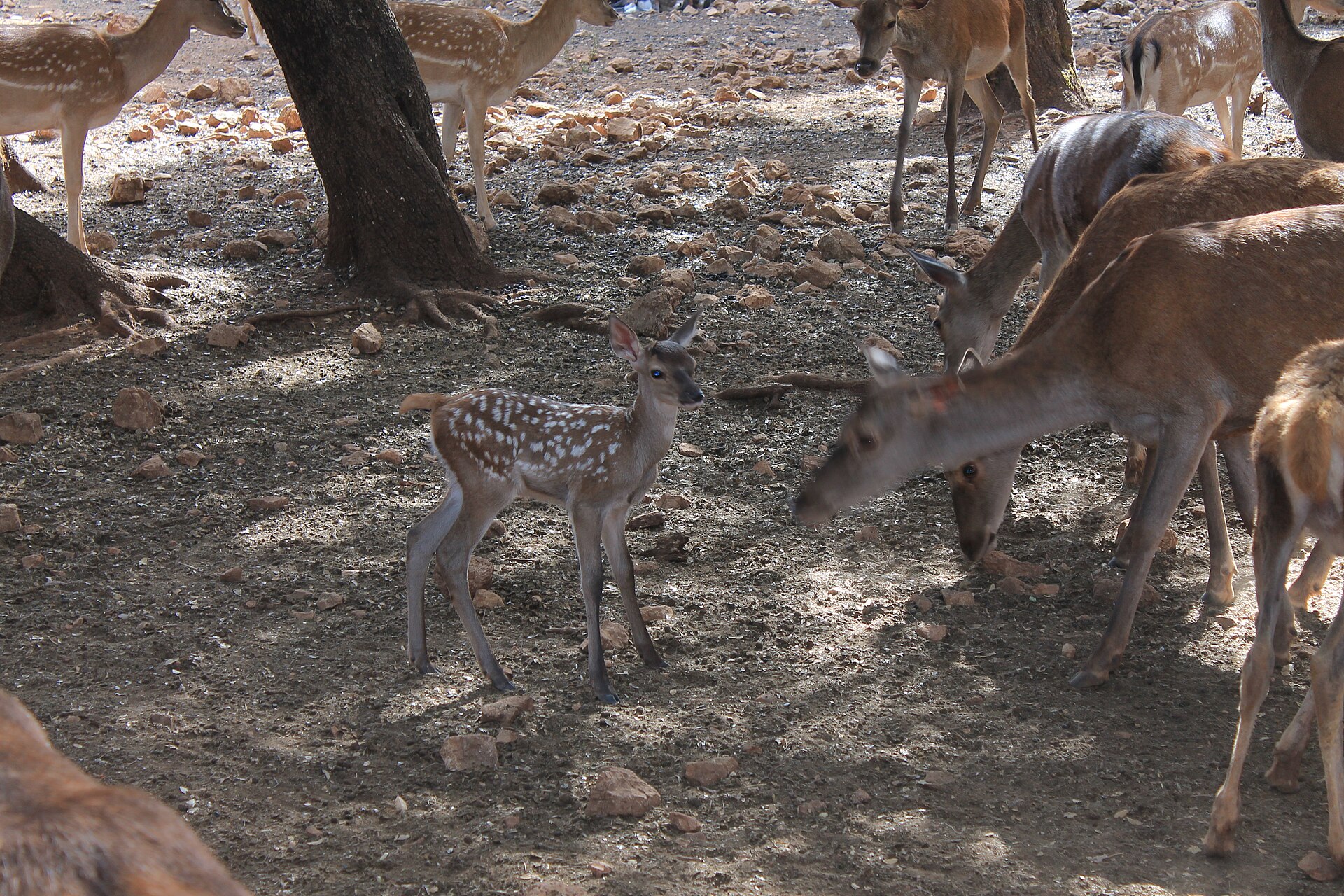
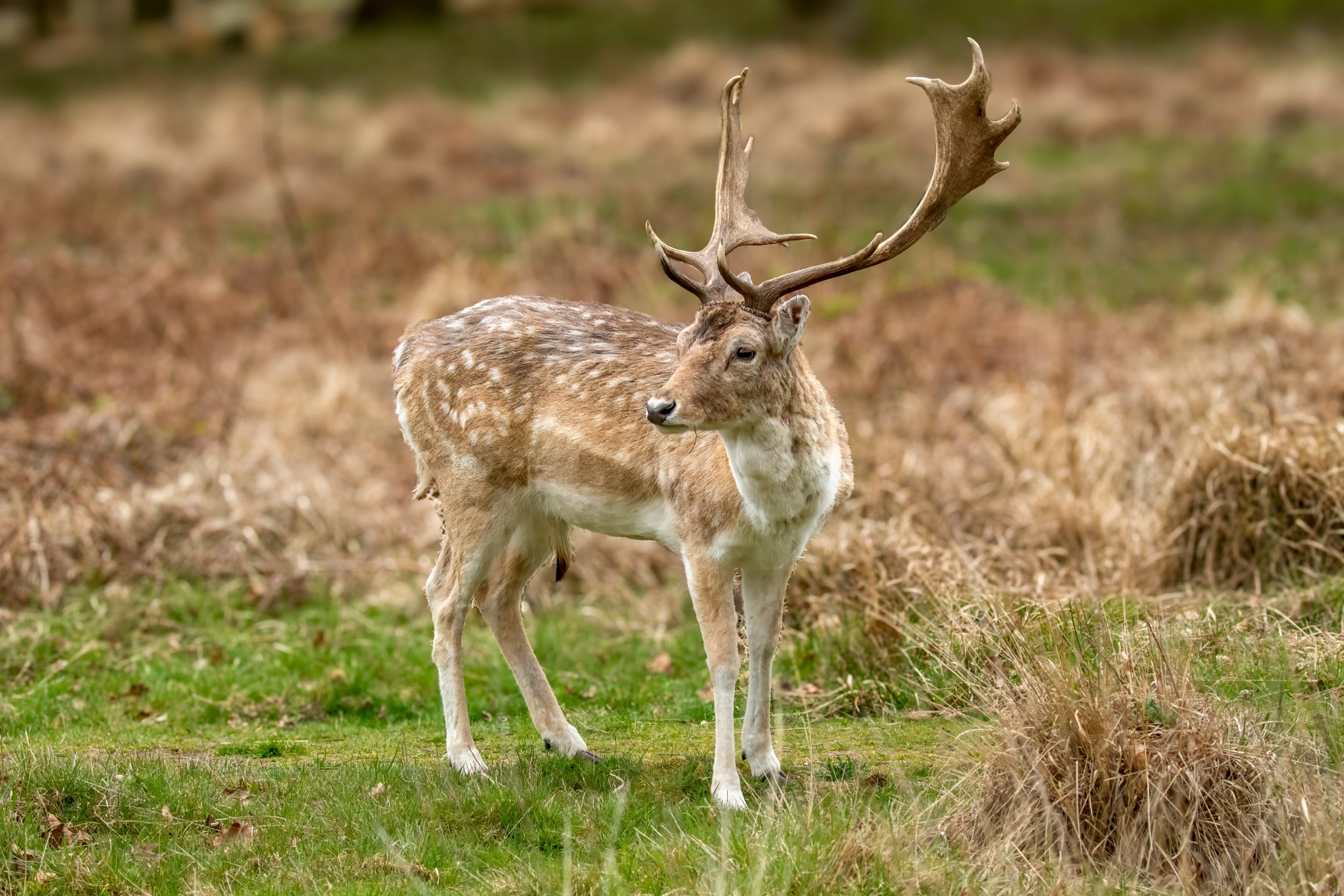
Epizootic haemorrhagic disease virus serotype 8 (EHDV-8) caused a rapidly developing, severe disease outbreak in free-ranging red deer (Cervus elaphus), European fallow deer (Dama dama) and mouflon (Ovis orientalis musimon) in Sierras de Cazorla, Segura y Las Villas Natural Park in south-eastern Spain. The study provides the first confirmed European documentation of EHDV-8 disease in European fallow deer and mouflon, based on clinical signs, tissue lesions and molecular testing.
EHDV is an orbivirus transmitted among ruminants by biting midges in the genus Culicoides, rather than by direct contact between the animals. EHDV-8 emerged in southern Europe in 2022–2023 and spread widely in Spain during 2023. The Cazorla cases clustered from late July to October, overlapping the seasonal period of high midge activity.
Veterinary teams examined 42 outbreak cases: 39 red deer, two European fallow deer and one mouflon. Fourteen animals were found dead, while 28 were found moribund and euthanized on welfare grounds. The live affected animals showed a consistent acute neurological and respiratory syndrome with weakness, ataxia, nystagmus, severe breathing difficulty and frothy oral discharge.
Vascular injury was central to the disease
Post-mortem examination revealed severe pulmonary oedema, foam in the trachea, widespread congestion and haemorrhages. Histology showed pulmonary haemorrhage, vascular injury, depletion of lymphoid tissue and renal tubular necrosis. Together, these lesions are consistent with the systemic haemorrhagic disease described by the authors.
Laboratory confirmation followed the official outbreak protocol: RT-qPCR was performed on one index animal from each defined sampling area, and all submitted index cases were EHDV-positive. Later animals found in the same area and time window with matching epidemiological and clinicopathological features were classified as linked outbreak cases rather than being systematically retested one by one.
The authors conclude that EHDV-8 can produce peracute — very rapidly developing — systemic haemorrhagic disease in susceptible wild ruminants. The European fallow deer and mouflon cases broaden the documented European host range of clinically significant EHDV-8 disease and support surveillance of wildlife alongside livestock and Culicoides vectors during the late-summer transmission season.
Disease, parasites & microbiology
Related news

Estimated M. bovis Seroprevalence Was 26.6% in Exmoor Red Deer
A survey of 432 wild deer in the Exmoor area estimated Mycobacterium bovis seroprevalence at 26.6% in red…
Read story →
Male and Female Fallow Deer Followed Different Daily Schedules Outside the Rut
In 4,114 sexed camera-trap detections from a Dutch dune reserve, fallow deer favoured twilight and night. Outside the…
Read story →
Velvet Antler Had the Most Distinct Metabolite Profile in Red and Sika Deer
A Chinese study detected 2,361 metabolites across three antler tissues from red and sika deer. Velvet antler separated…
Read story →SPECIES IN THIS STORY
Species in this story
Independent research and conservation news archive
Did you find this information useful?
Wildlife Vagabond is independently built and maintained. Voluntary support helps cover source verification, hosting and continued work on research and conservation news.
Support Wildlife VagabondThe news archive will remain freely available.