
Velvet Antler Had the Most Distinct Metabolite Profile in Red and Sika Deer
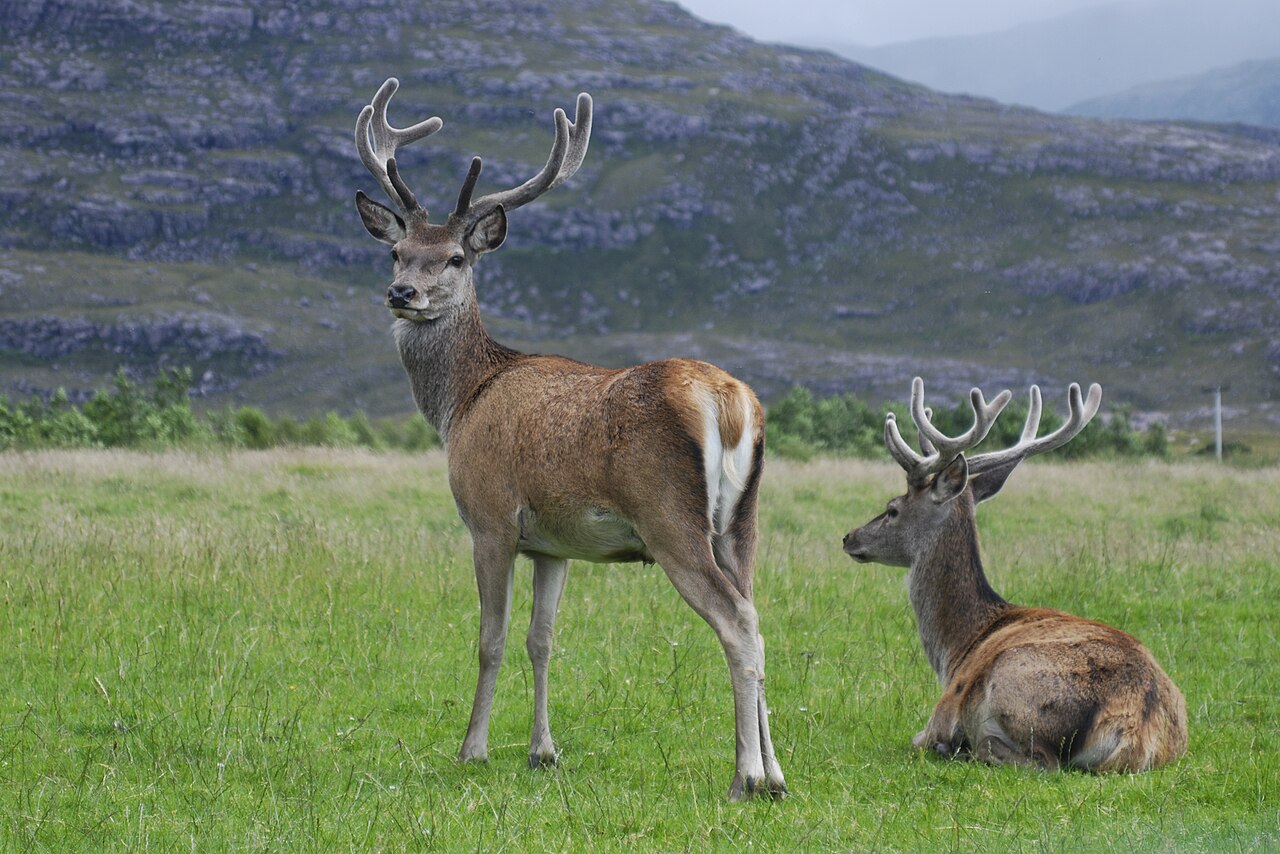
Antler tissues from red deer (Cervus elaphus) and sika deer (Cervus nippon) contained an exceptionally diverse mixture of small organic molecules, and velvet antler had the most distinctive chemical profile. A 2026 metabolomics study detected 2,361 metabolites across velvet antler, hardened antler and antler base, with tissue differences generally stronger than the differences between the two deer species.
The researchers analysed 18 samples, divided into six groups: the three antler tissues from each species, with three samples in every group. Red-deer material came from Zhangye in Gansu Province, while sika-deer material came from Changchun in Jilin Province, China. The farms used similar feed and management, and samples were collected from healthy adults in the same seasonal period.
Antlers contained metabolites from 25 chemical classes
Metabolomics maps many small molecules in biological material at the same time. Here, the screening identified compounds from 25 broad chemical classes. The largest group was amino acids and derivatives, with 540 metabolites. The dataset also included 279 organic acids and derivatives, 265 fatty acyls, 255 benzenes and derivatives, 118 aldehydes, ketones and esters, 102 alcohols and amines, and 83 hormones or hormone-related compounds.
Smaller groups included 33 flavonoids, 23 bile acids, 13 alkaloids and 13 terpenoids. This chemical diversity shows that antler tissue is not simply a mineralised structure: growing and mature antlers contain a wide range of endogenous molecules associated with metabolism, membrane chemistry, signalling and tissue growth.
Velvet antler was chemically distinct from hardened tissues
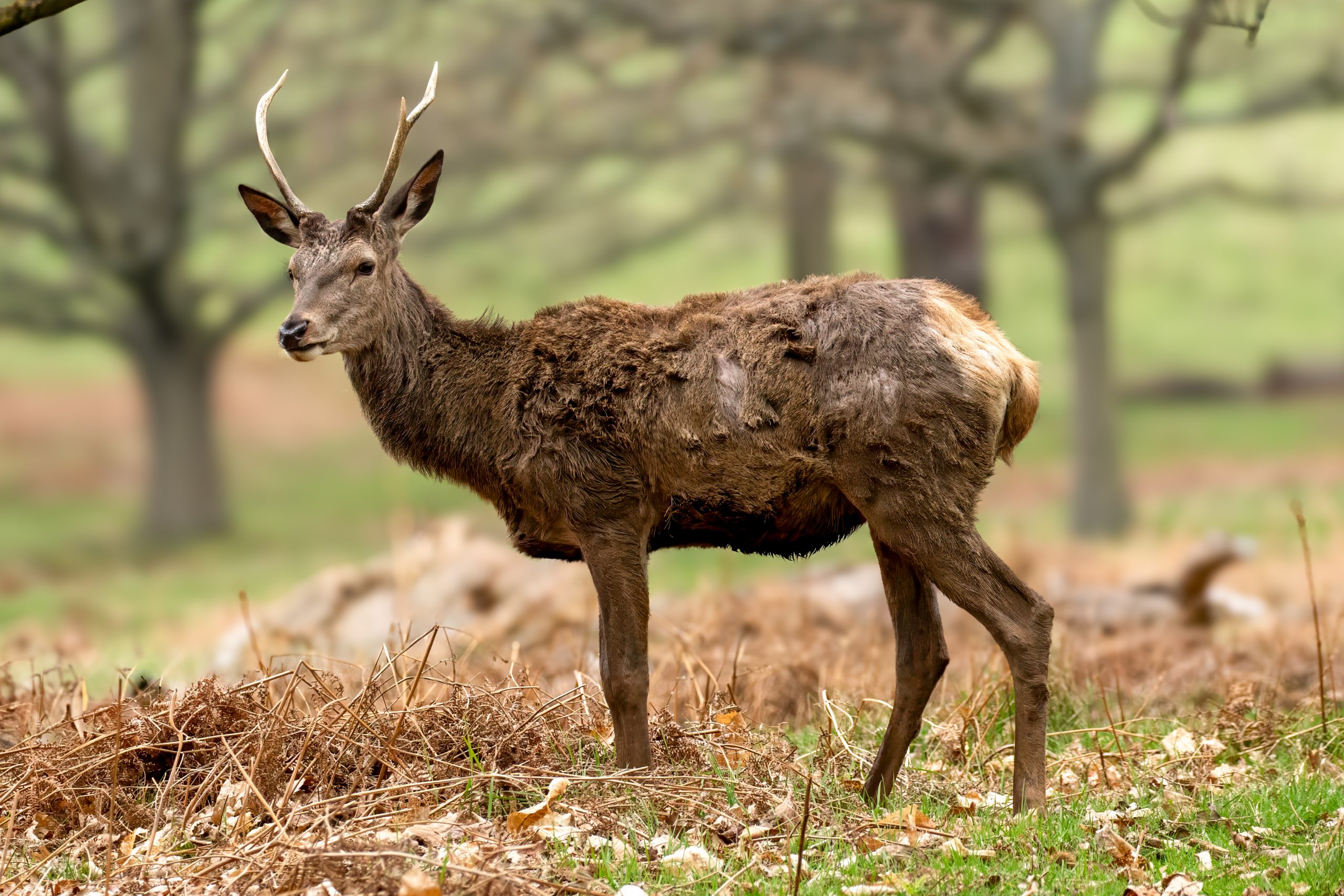
The strongest separation was between velvet antler and the two harder tissues. Within each species, velvet-antler samples formed their own chemical cluster, while hardened antler and antler-base samples overlapped much more strongly. Velvet antler is actively growing, vascularised tissue covered by skin and velvet; hardened antler has completed most of this rapid growth and mineralisation. The chemical separation is therefore consistent with major differences in tissue activity and developmental state.
The species contrast followed the same pattern. Red-deer and sika-deer velvet antlers were more clearly separated from one another than were hardened antlers or antler bases. The metabolites contributing to these differences were particularly associated with pathways involving membrane lipids, nucleotides and transport of small molecules.
Species and environment cannot yet be separated cleanly
The study was exploratory, with only three samples in each species-by-tissue group. The researchers also did not apply a false-discovery-rate correction when screening individual differential metabolites, so lists of specific differences require confirmation in larger datasets.
There is a second important limitation to the species comparison. The two deer species were sampled in different regions of China. Similar husbandry reduces some variation, but local climate, soil, feed ingredients and other environmental factors may still influence tissue chemistry. The stronger separation of velvet antler is clear in this dataset, but the study cannot determine how much of the red-deer versus sika-deer difference is genetic and how much reflects the environments in which the animals were kept.
Molecular biology & biochemistry
Related news
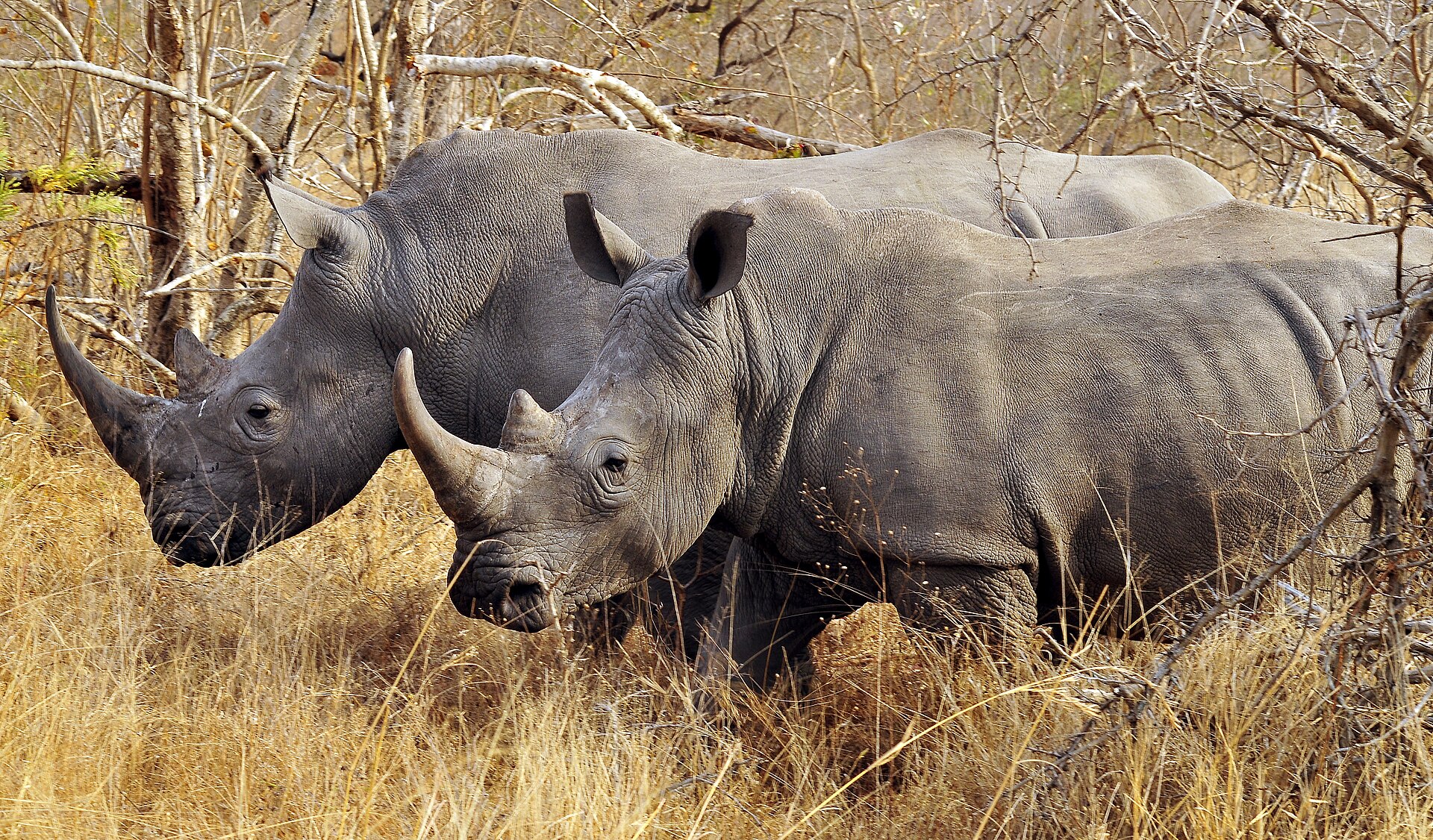
Giraffe and White-Rhino Plasma Showed Robust Differences Across 28 Metabolites
A South African ¹H-NMR study found 28 robust plasma-metabolite differences between giraffes and white rhinoceroses. Giraffes had higher…
Read story →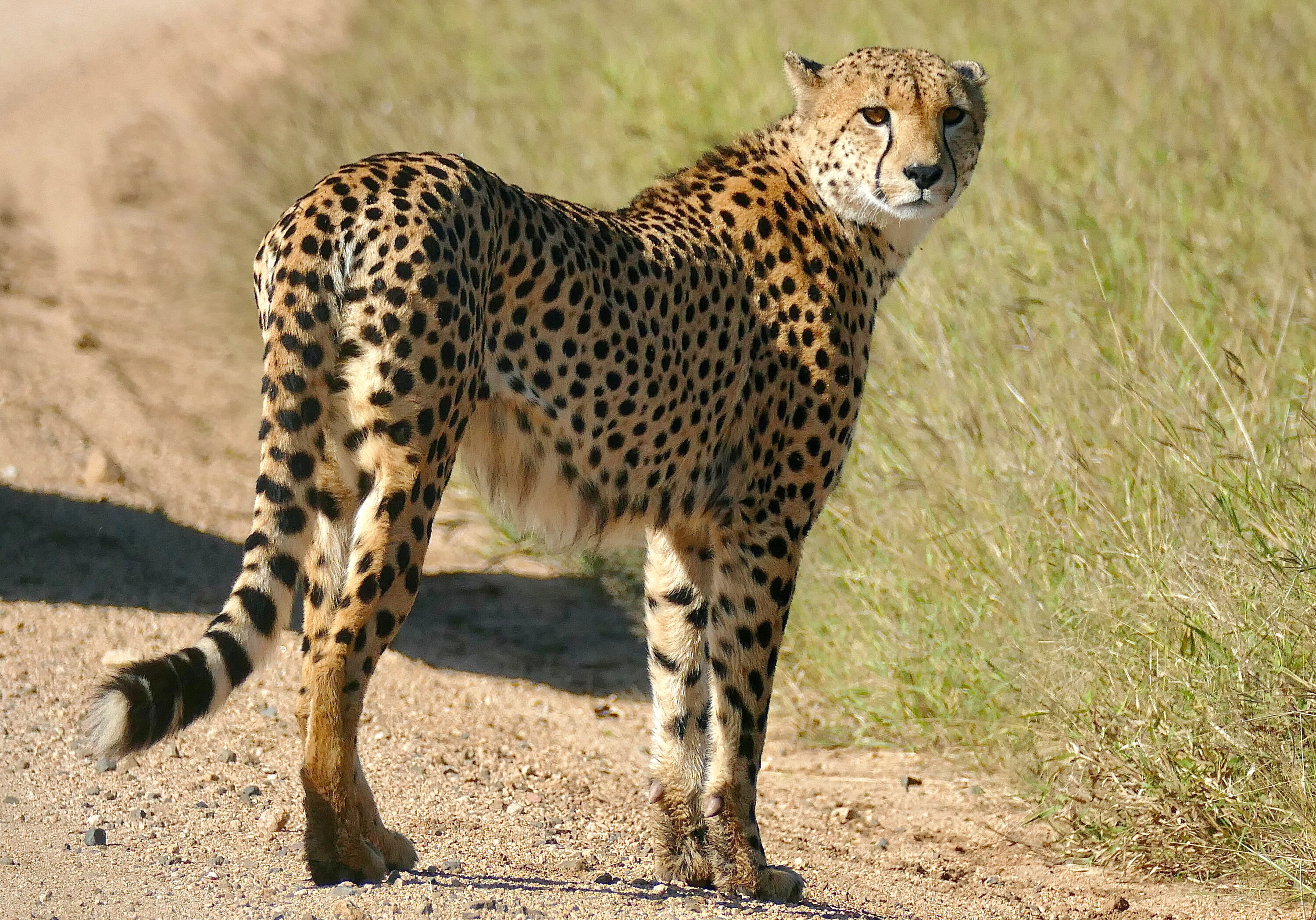
DNA Methylation Shifted as Namibian Male Cheetahs Became Territorial
Paired blood samples from ten free-ranging Namibian males revealed widespread, predominantly increased DNA methylation after the same cheetahs…
Read story →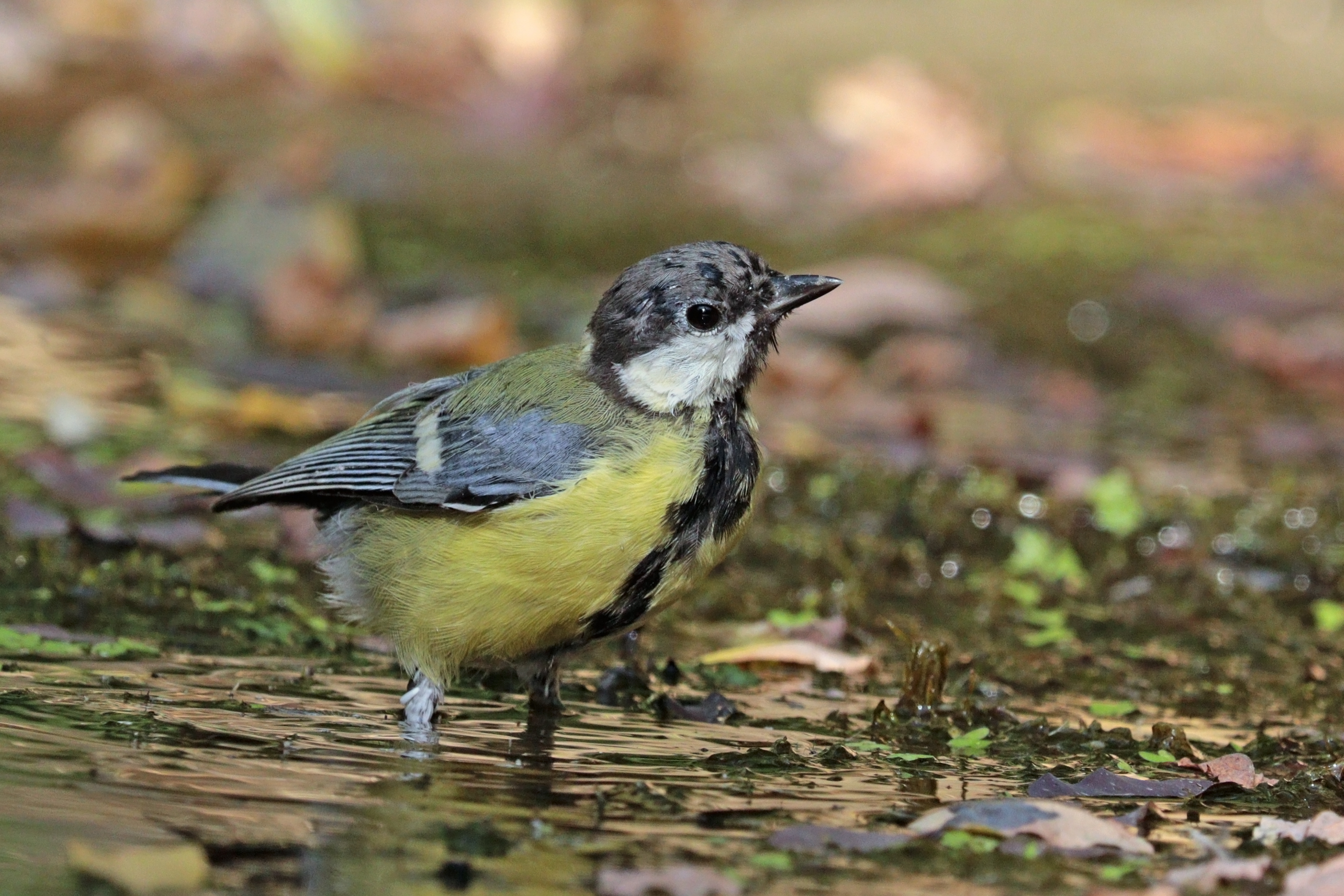
Veterinary Insecticides Were Found in Great Tit Nests in Both Urban and Protected Forest Habitats
Researchers analysed fur-containing material from 63 Great Tit nests in Hungary. Urban nests contained more insecticides and higher…
Read story →SPECIES IN THIS STORY
Species in this story
Independent research and conservation news archive
Did you find this information useful?
Wildlife Vagabond is independently built and maintained. Voluntary support helps cover source verification, hosting and continued work on research and conservation news.
Support Wildlife VagabondThe news archive will remain freely available.