
England-Wide Grey Squirrel Suppression Gave the Highest Modelled Red Squirrel Recovery Potential
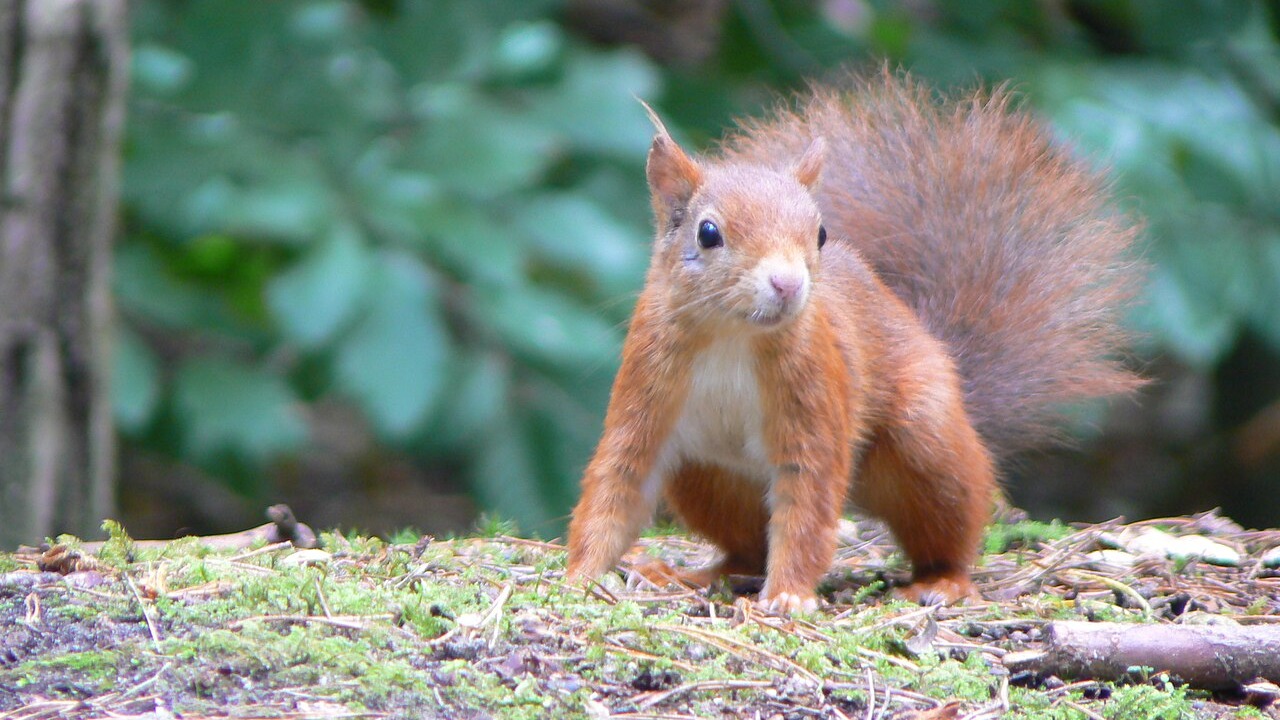
Large-scale suppression of invasive grey squirrels offered the highest modelled potential for widespread recovery of Eurasian red squirrels (Sciurus vulgaris) in England, according to a recovery strategy published by Natural England on 14 April 2026. The project compared 18 alternative strategies over a 25-year period and weighed biological outcomes against cost, animal welfare, public acceptability and other impacts.
The strategy was developed through a structured decision-making process led by the Zoological Society of London for Natural England, with input from more than 60 stakeholders. The alternatives combined different levels of grey squirrel (Sciurus carolinensis) management with red squirrel translocations and possible future tools, including grey squirrel fertility control and a squirrelpox vaccine. Squirrelpox is carried by grey squirrels with little apparent effect on them, but can be fatal to red squirrels and is one of the main mechanisms by which grey squirrels contribute to red squirrel decline.
Doing nothing did not deliver recovery
The biological model projected squirrel population dynamics and disease spread over 25 years. Under the model, doing nothing, continuing the current status quo, or replacing lethal grey squirrel management with fertility control alone if that tool becomes available all failed to deliver red squirrel recovery and carried a high probability of extinction across mainland England.
England-wide suppression of grey squirrels gave the strongest prospects for large-scale red squirrel recovery. However, the report also found that this option came with high monetary costs, high potential for non-target bycatch, animal-welfare concerns and low predicted public support.
Regional strategies also showed promise
More targeted regional strategies in northern and south-west England also produced promising modelled outcomes, particularly when local grey squirrel management was combined with red squirrel translocations. Natural England’s summary notes that these approaches could achieve comparable long-term persistence outcomes at lower cost, with stakeholders expressing a preference for the northern England options. The full report also found a trade-off: translocations increased modelled squirrelpox mortality because they created more overlap between red and grey squirrel populations.
The project did not select a final national programme for implementation. Instead, the report provides an evidence-based framework for a subsequent decision on which strategy should be taken forward and can also be reapplied at smaller spatial scales.
Management
Related news
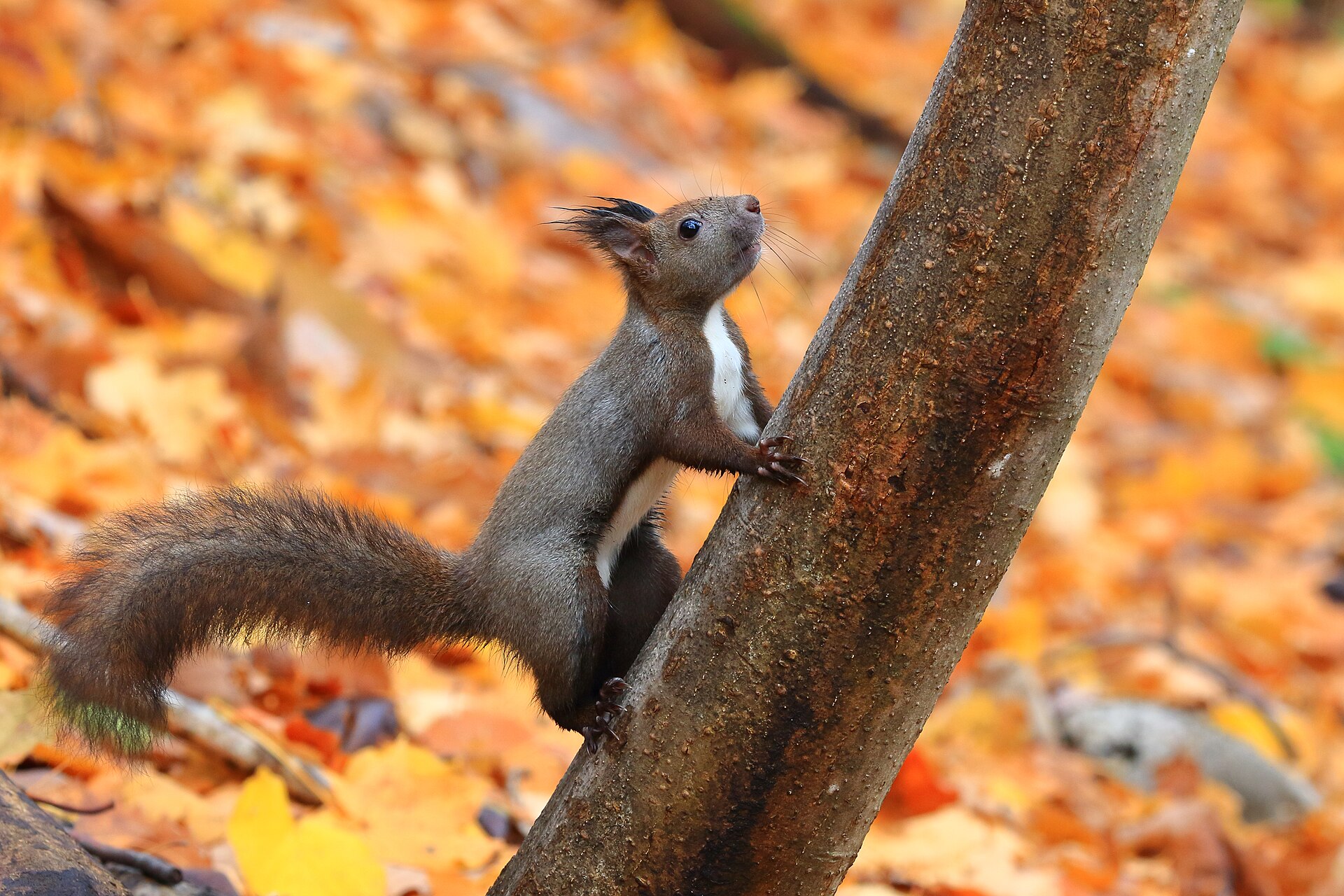
Red Squirrels Stayed at Urban and Rural Sites at Similar Rates on Hokkaido
Across nine sites on Hokkaido, red squirrels had nearly identical four-month probabilities of remaining in urban and rural…
Read story →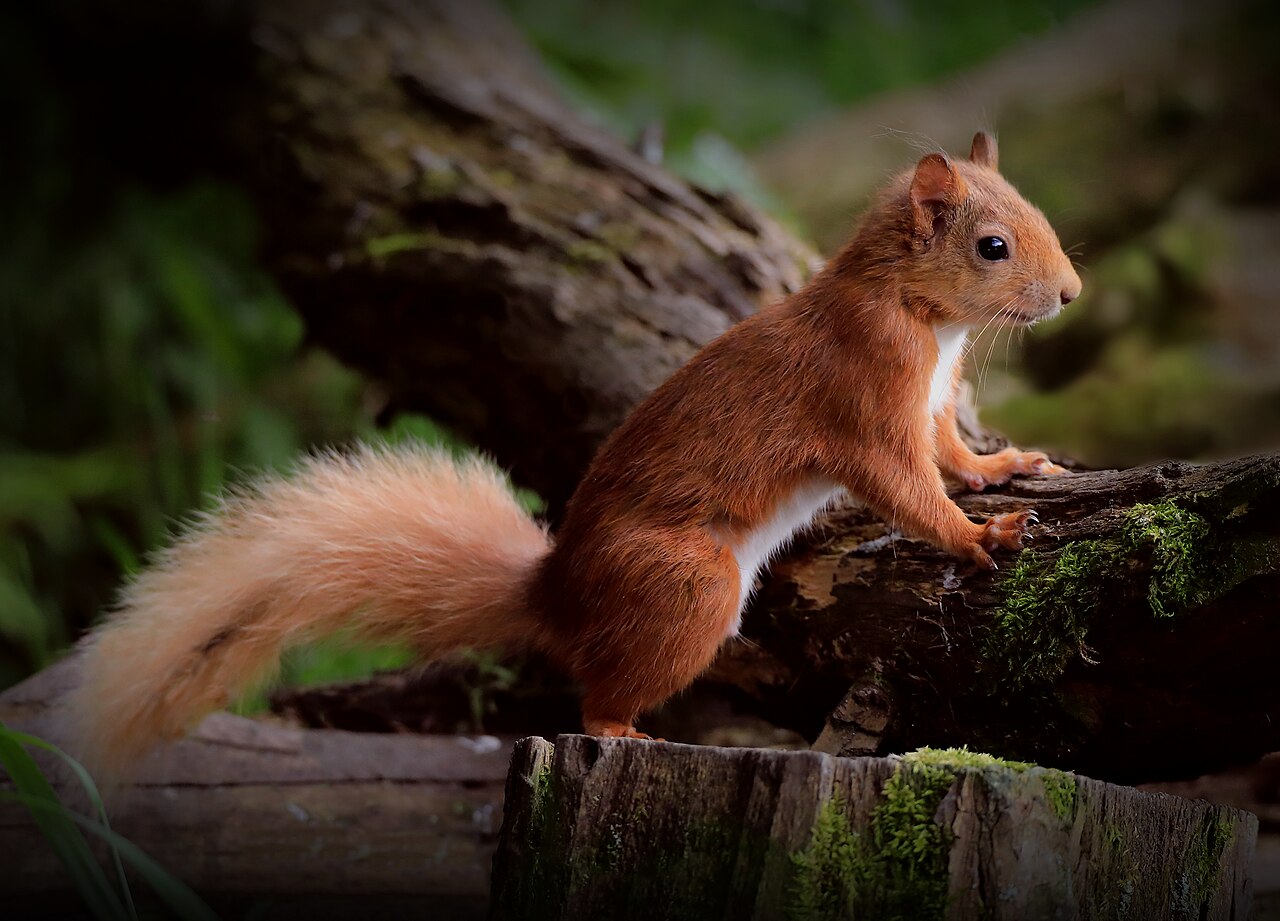
Squirrelpox in Dollar Became Scotland’s Northernmost Confirmed Case
A red squirrel from Dollar, Clackmannanshire, had squirrelpox confirmed by pathology and qPCR, making it the northernmost reported…
Read story →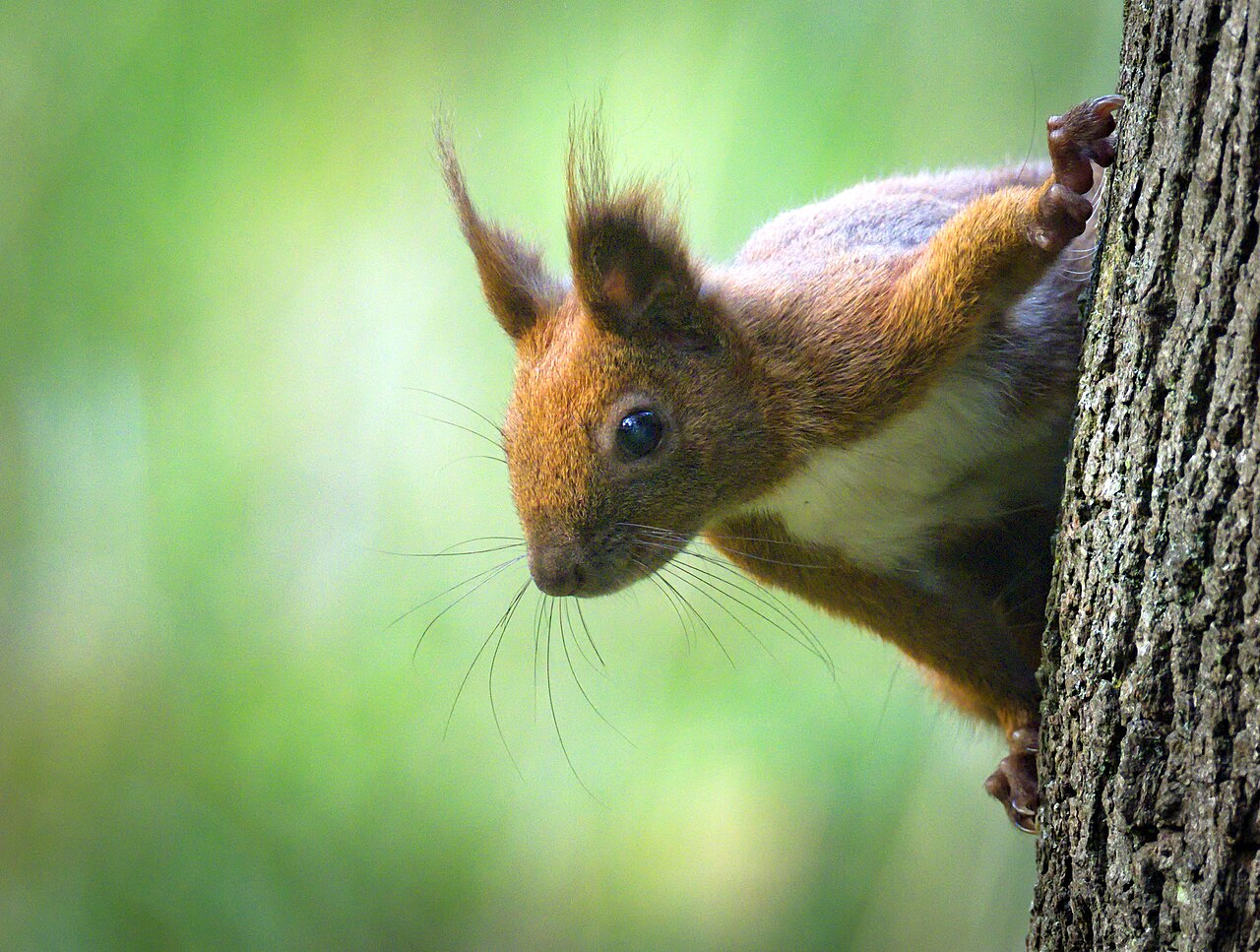
Portugal’s Eurasian Red Squirrels Showed Markedly Low Mitochondrial Diversity
The most comprehensive genetic sampling of Eurasian Red Squirrels in Portugal to date found markedly low mitochondrial diversity,…
Read story →SPECIES IN THIS STORY
Species in this story
Independent research and conservation news archive
Did you find this information useful?
Wildlife Vagabond is independently built and maintained. Voluntary support helps cover source verification, hosting and continued work on research and conservation news.
Support Wildlife VagabondThe news archive will remain freely available.