
Red Squirrels Stayed at Urban and Rural Sites at Similar Rates on Hokkaido
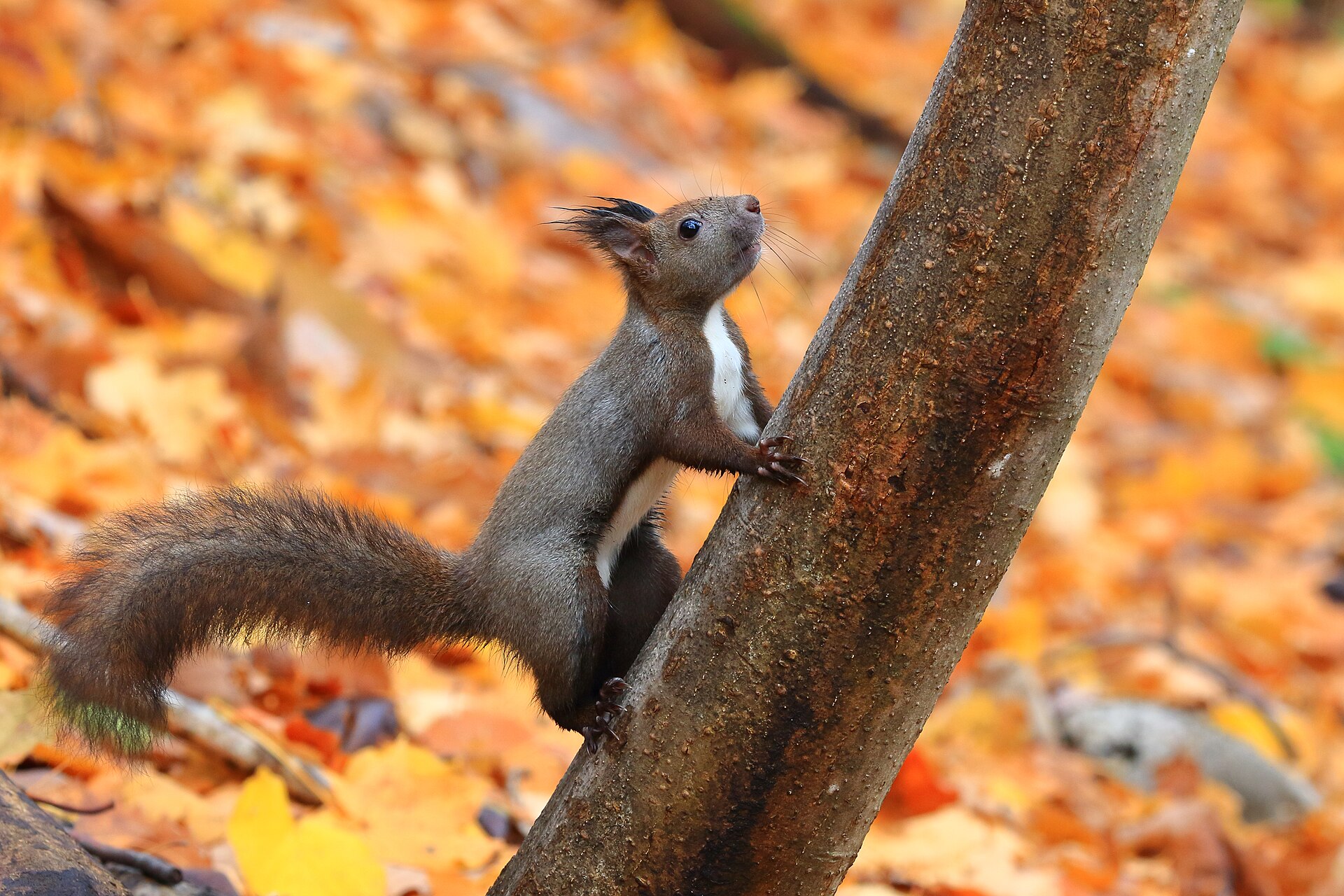
Eurasian red squirrels (Sciurus vulgaris) in cities and rural areas on Hokkaido, Japan, were almost equally likely to remain at the same study site over four months. The estimated probability was 0.66 in urban areas and 0.67 in rural areas—roughly two in three animals in either setting. The result ran against the researchers’ expectation that squirrels might stay longer in cities because of abundant food and fewer predators.
Between 2015 and 2021, researchers marked 306 squirrels at nine sites and looked for the same individuals again during repeated surveys. They measured spatial persistence: the probability that a squirrel was still associated with its study site four months later. This is not the same as survival, since an animal missing from a site may have died or moved elsewhere. The analysis also accounted for the possibility that a squirrel was present but not spotted.
Local differences mattered more than the urban–rural divide
The estimated average time spent at a site was about 13 months for urban squirrels and 16 months for rural squirrels, but the overall difference was not clearly supported. Males and females also had similar spatial persistence. The greater variation was between individual study sites: some places within the same urban or rural category differed considerably from one another.
Among urban locations, squirrels at a larger habitat patch had longer estimated spatial persistence than at a smaller one. Sites linked to neighbouring groves showed shorter persistence than more isolated patches, where moving to another grove may be harder. Because the study covered only nine sites, these are descriptive contrasts rather than proof that patch size or connectivity caused squirrels to remain or leave.
More aggression between city squirrels
Urban squirrels showed more aggressive encounters with squirrels of the same sex, even after accounting for how many animals were observed. In rural sites, all recorded same-sex aggression was between males; urban sites had both male–male and female–female encounters. The researchers also found no clear overall difference in predator abundance between urban and rural sites.
Stronger competition in some city habitats could encourage squirrels to move, but the study did not establish that aggression caused their departure. Its central finding is that squirrels did not remain at urban study sites more consistently than at rural ones, despite the differences in behaviour. How a particular habitat is structured may be more informative than the simple distinction between city and countryside.
Ecology
Related news

Squirrelpox in Dollar Became Scotland’s Northernmost Confirmed Case
A red squirrel from Dollar, Clackmannanshire, had squirrelpox confirmed by pathology and qPCR, making it the northernmost reported…
Read story →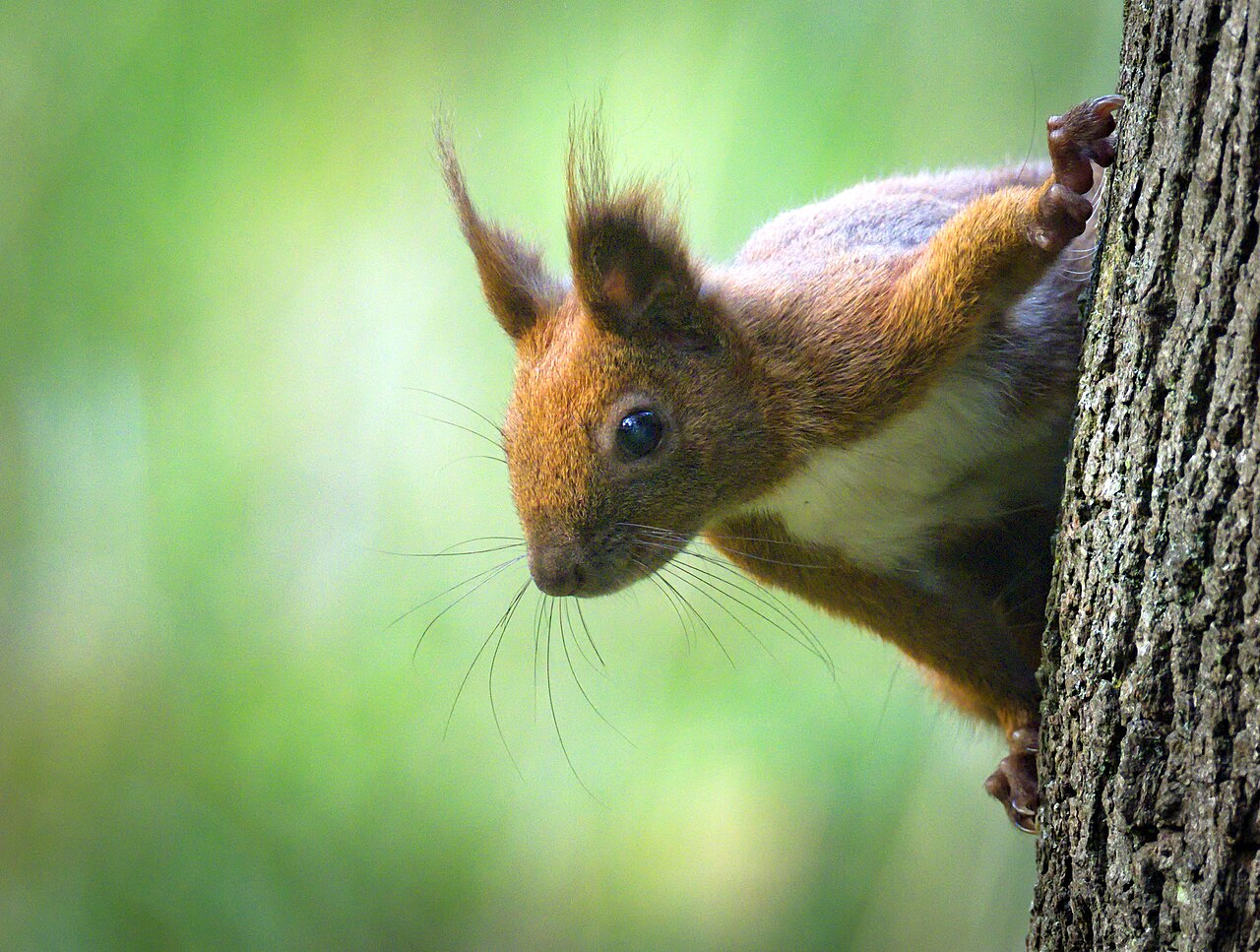
Portugal’s Eurasian Red Squirrels Showed Markedly Low Mitochondrial Diversity
The most comprehensive genetic sampling of Eurasian Red Squirrels in Portugal to date found markedly low mitochondrial diversity,…
Read story →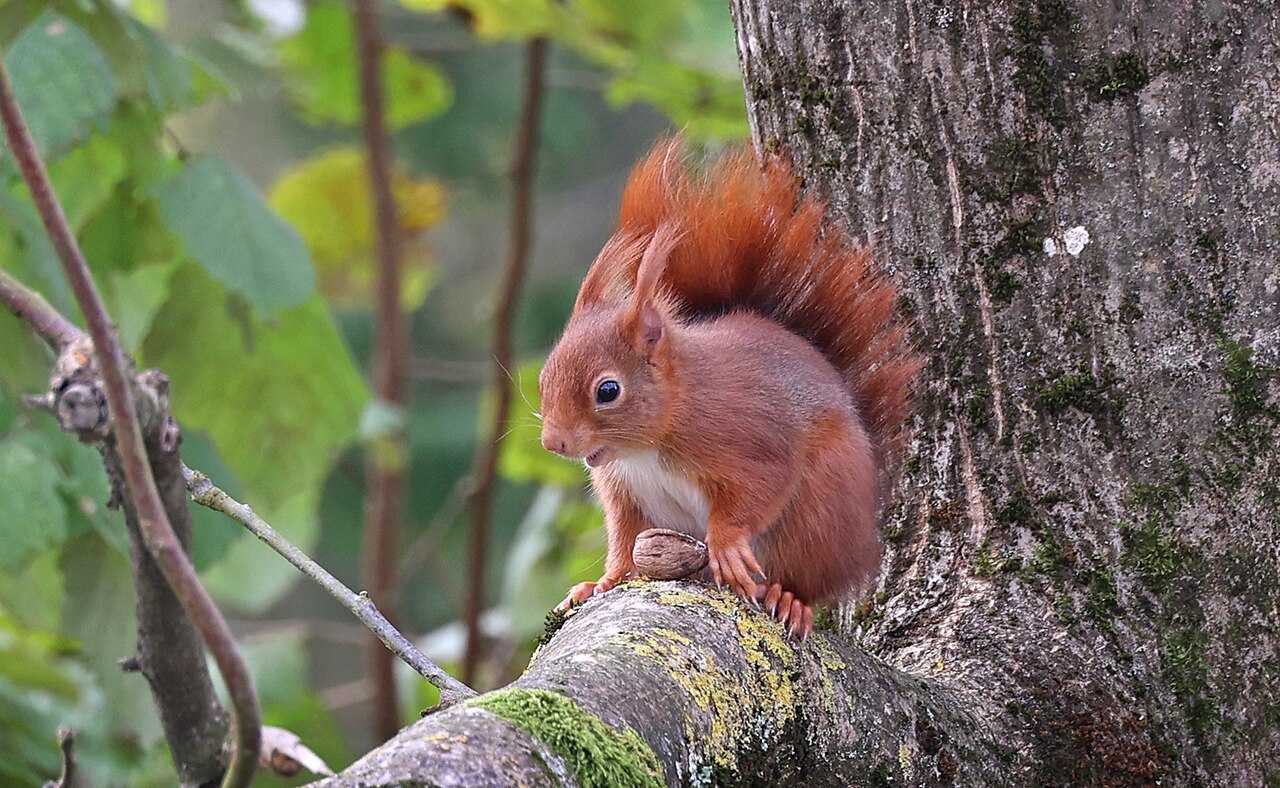
Eurasian Red Squirrel Genetic Diversity Reflected Forest Landscapes From 40–50 Years Earlier
In 443 red squirrels from southern France, two measures of genetic variation were most closely related to forest…
Read story →SPECIES IN THIS STORY
Species in this story
Independent research and conservation news archive
Did you find this information useful?
Wildlife Vagabond is independently built and maintained. Voluntary support helps cover source verification, hosting and continued work on research and conservation news.
Support Wildlife VagabondThe news archive will remain freely available.