
Squirrelpox in Dollar Became Scotland’s Northernmost Confirmed Case
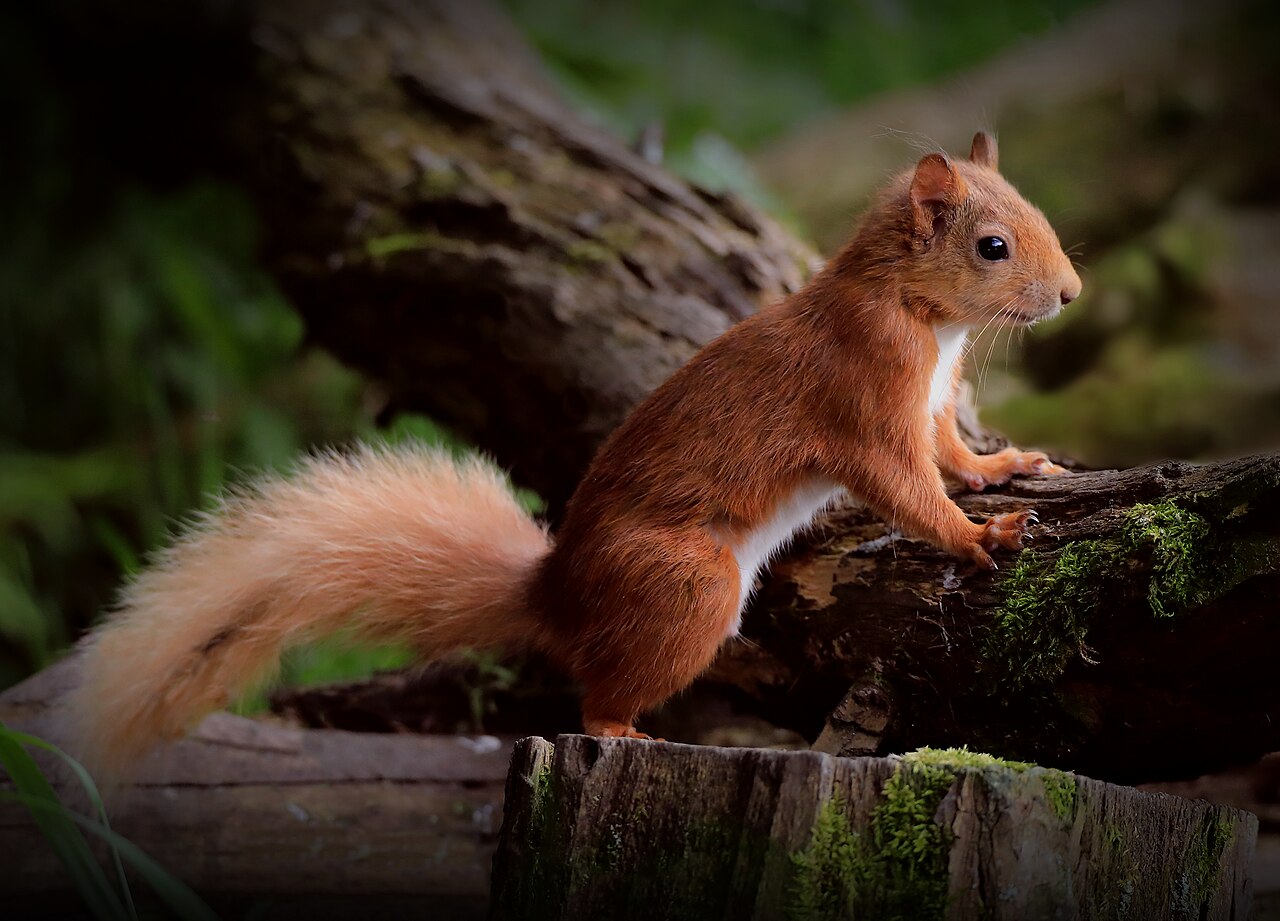
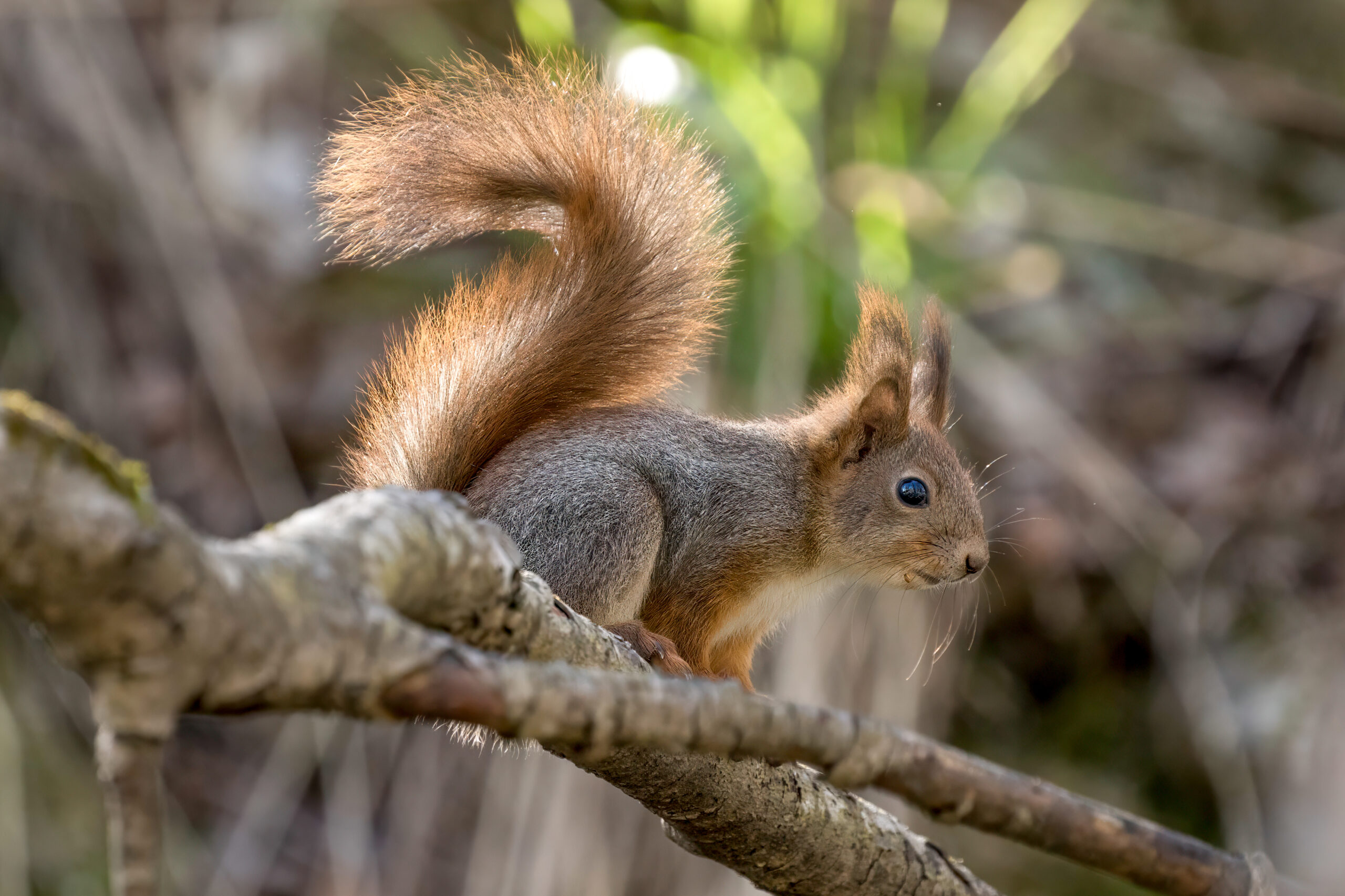
A Eurasian Red Squirrel (Sciurus vulgaris) from Dollar in Clackmannanshire became the northernmost reported confirmed squirrelpox case in Scotland. The Veterinary Record report, published online on 31 July 2026, placed the case about 15 miles north of the previous confirmed record near Dunfermline in 2024.
The outbreak was first suspected in mid-June, when a remote camera recorded a red squirrel with thickened tissue growths and ulcer-like open sores around the eyes, together with skin changes on a forelimb. A second affected squirrel was later taken to the Scottish SPCA, euthanised on welfare grounds and submitted for postmortem examination. Histopathology — microscopic examination of the diseased tissue — showed changes consistent with poxviral skin inflammation, and qPCR, which detects and measures viral DNA, found a high squirrelpox-virus load in affected tissue.
Other red squirrels with similar lesions were reported in nearby areas, including Devilla Forest near Kincardine. These observations raised concern that the outbreak could be more widespread, but the authors describe them as unconfirmed reports: squirrelpox in red squirrels requires postmortem laboratory confirmation.
Grey squirrels (Sciurus carolinensis) can carry squirrelpox without developing the severe disease seen in red squirrels. Local conservation staff considered spread by grey squirrels into the Dollar area a likely route, but the transmission route for the confirmed individual was not demonstrated. The authors called for increased reporting and postmortem surveillance, while local groups asked residents to remove wildlife feeders temporarily and intensified monitoring around the affected area.
Threats
Related news
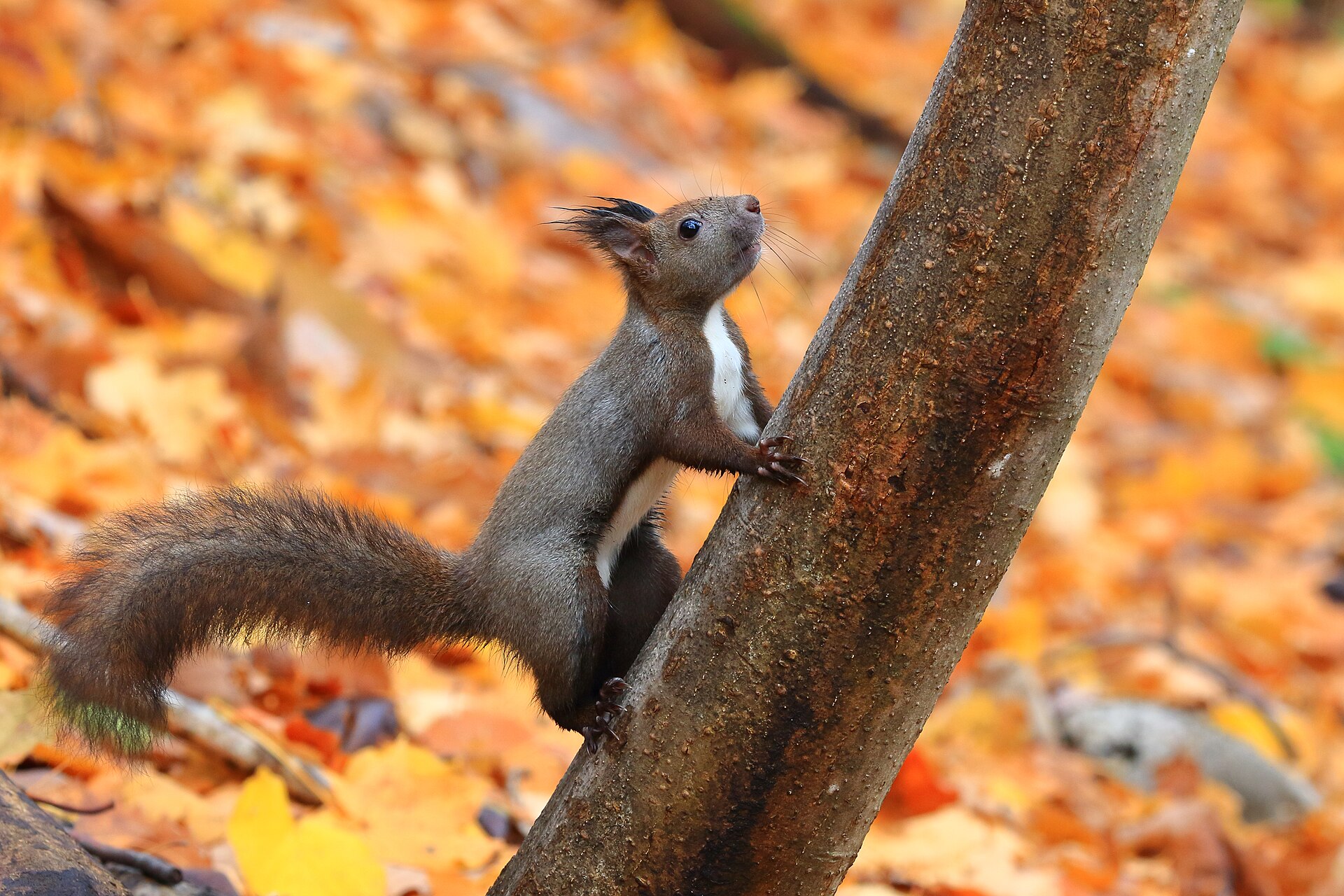
Red Squirrels Stayed at Urban and Rural Sites at Similar Rates on Hokkaido
Across nine sites on Hokkaido, red squirrels had nearly identical four-month probabilities of remaining in urban and rural…
Read story →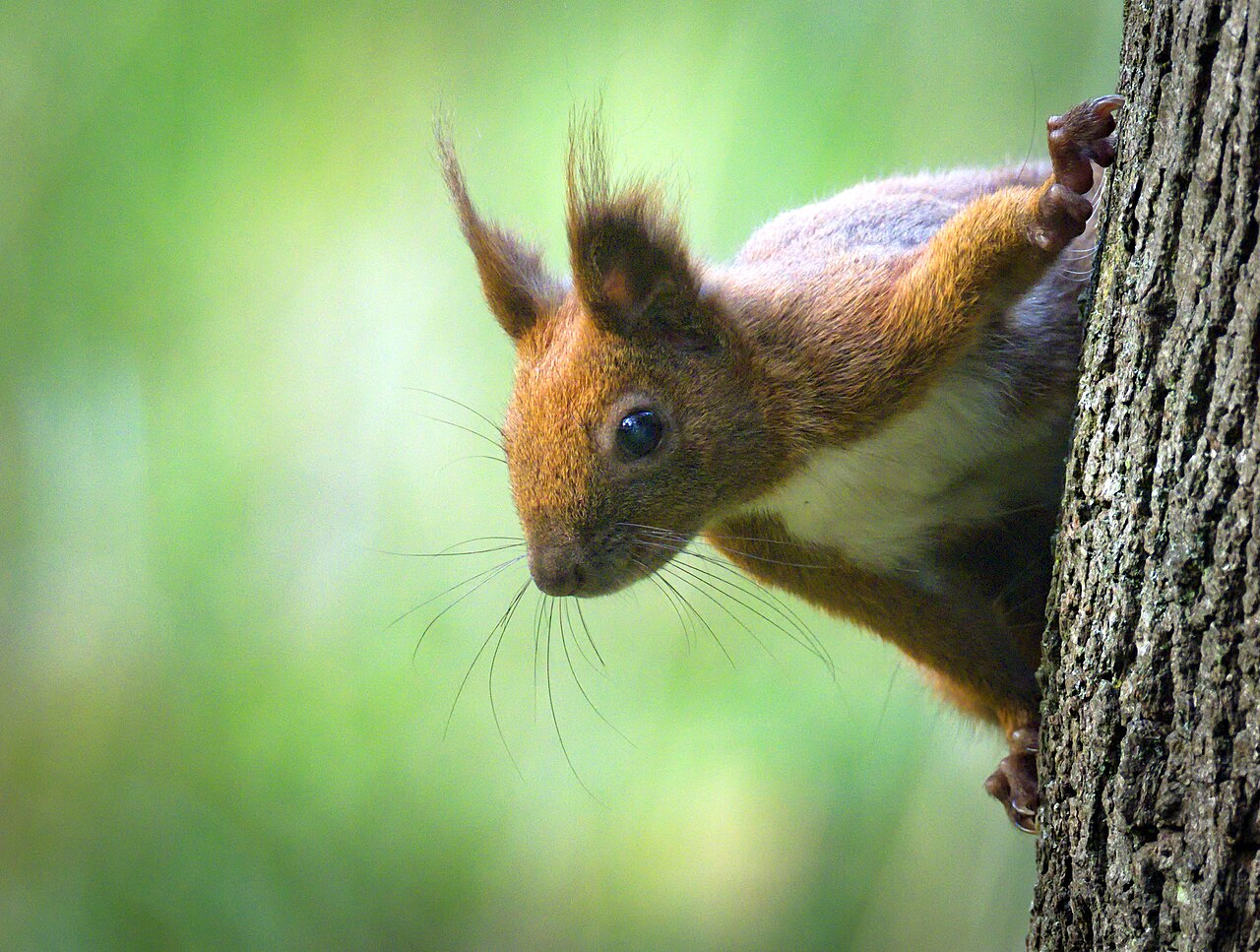
Portugal’s Eurasian Red Squirrels Showed Markedly Low Mitochondrial Diversity
The most comprehensive genetic sampling of Eurasian Red Squirrels in Portugal to date found markedly low mitochondrial diversity,…
Read story →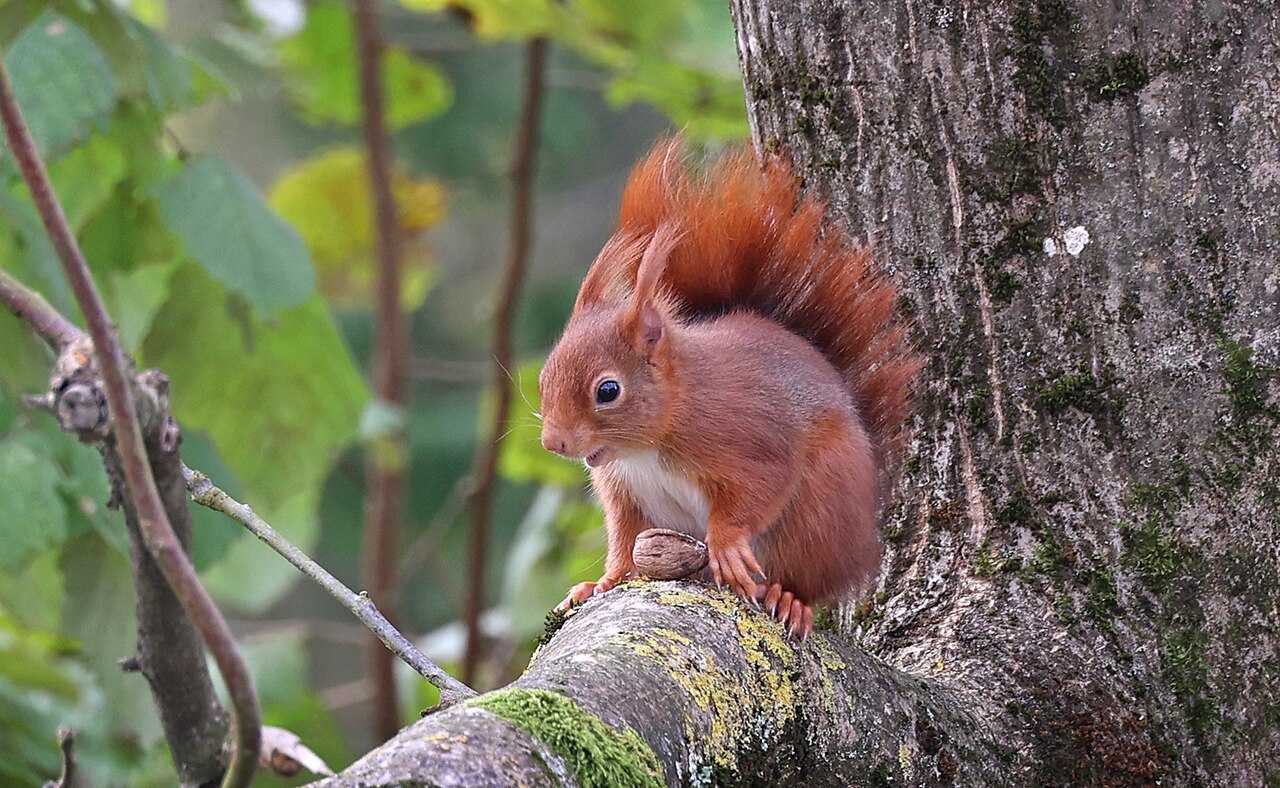
Eurasian Red Squirrel Genetic Diversity Reflected Forest Landscapes From 40–50 Years Earlier
In 443 red squirrels from southern France, two measures of genetic variation were most closely related to forest…
Read story →SPECIES IN THIS STORY
Species in this story
Independent research and conservation news archive
Did you find this information useful?
Wildlife Vagabond is independently built and maintained. Voluntary support helps cover source verification, hosting and continued work on research and conservation news.
Support Wildlife VagabondThe news archive will remain freely available.