
Portugal’s Eurasian Red Squirrels Showed Markedly Low Mitochondrial Diversity
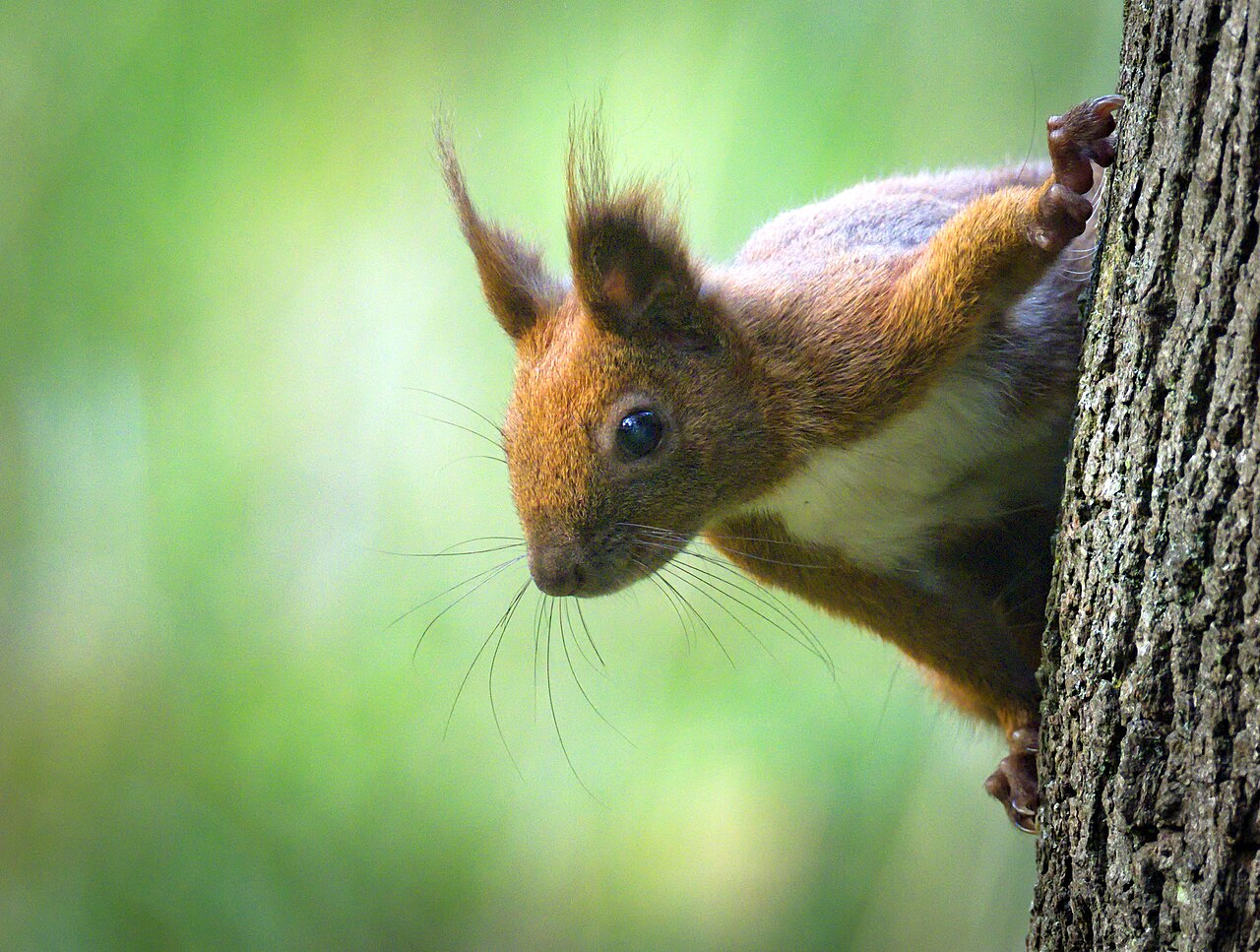
Eurasian red squirrels (Sciurus vulgaris) in Portugal showed markedly lower mitochondrial genetic diversity than the other European populations included in a study published on 4 June 2026. The researchers used the most comprehensive Portuguese sampling to date and analysed two mitochondrial markers, cytochrome b and the D-Loop, to examine diversity, population structure and the origins of the modern Portuguese population.
Low Diversity After Extinction and Recolonisation
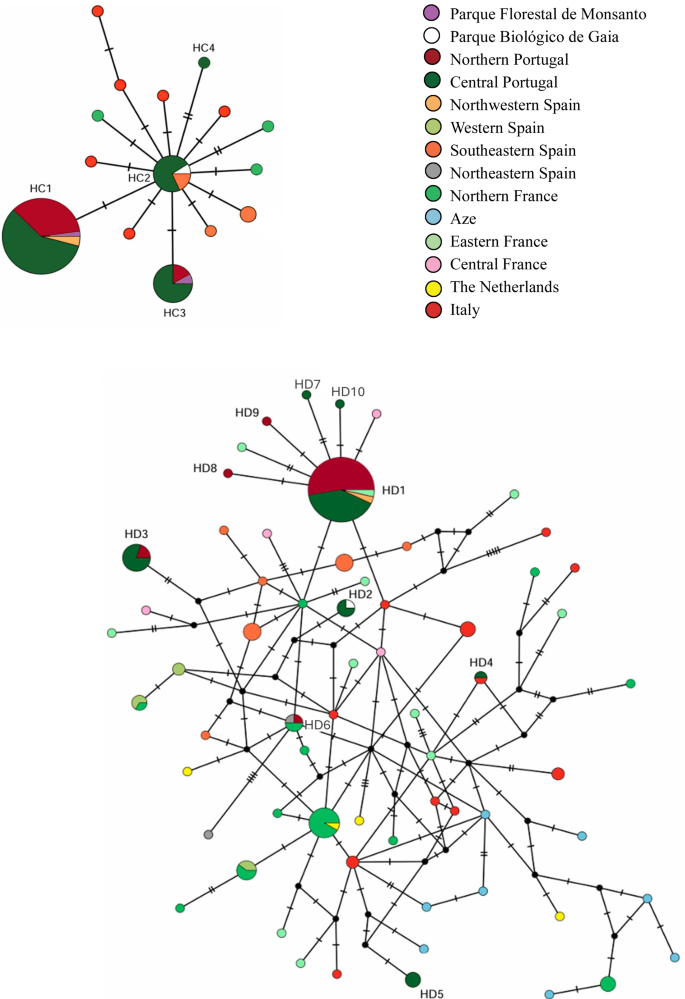
The species disappeared from Portugal in the sixteenth century and returned only in the late twentieth century through a combination of natural recolonisation and human-mediated reintroductions. In the new dataset, Portuguese mitochondrial diversity was lower than in Spain, France, Italy and the Netherlands. Biologically, this points to a population rebuilt from a relatively limited set of maternal lineages after extinction and recolonisation, consistent with bottlenecks and repeated founder effects, in which newly established populations carry only part of the genetic variation present in their source populations. At the same time, the researchers detected several lineages found only in the Portuguese sample, including two cytochrome-b haplotypes and seven D-Loop haplotypes. They caution that some apparently private haplotypes could still occur in unsampled source populations, particularly in Spain.
No Clear Regional Genetic Groups Within Portugal
Within Portugal, haplotypes were broadly distributed rather than forming clear regional groups, consistent with a largely genetically mixed population. Portugal was nevertheless genetically more similar to nearby Spain than to more distant populations such as the Netherlands, supporting a broader pattern in which genetic differentiation increased with geographic distance.
Haplotype sharing with north-western Spain supports natural recolonisation through connected habitat. Shared haplotypes with northern and eastern France are compatible with that broader connectivity but are also consistent with documented reintroductions from French populations, so the genetic signal cannot be assigned to one process alone. A haplotype shared with Italy is harder to explain and could reflect older undocumented translocations or deeper shared ancestry from ice-age refugia.
Mitochondrial DNA Traces Only Maternal Lineages
The authors stress that mitochondrial DNA traces only maternal lineages and cannot fully resolve recent connectivity or demographic history. Low-quality DNA from some non-invasive samples also limited amplification, and serial founder events during range expansion can produce spatial patterns resembling isolation by distance. They therefore call for faster-evolving markers or genome-wide data to test the origins and present-day connectivity of Portugal’s red squirrels more precisely.
Genetics & genomics
Related news

Red Squirrels Stayed at Urban and Rural Sites at Similar Rates on Hokkaido
Across nine sites on Hokkaido, red squirrels had nearly identical four-month probabilities of remaining in urban and rural…
Read story →
Squirrelpox in Dollar Became Scotland’s Northernmost Confirmed Case
A red squirrel from Dollar, Clackmannanshire, had squirrelpox confirmed by pathology and qPCR, making it the northernmost reported…
Read story →
Eurasian Red Squirrel Genetic Diversity Reflected Forest Landscapes From 40–50 Years Earlier
In 443 red squirrels from southern France, two measures of genetic variation were most closely related to forest…
Read story →SPECIES IN THIS STORY
Species in this story

Independent research and conservation news archive
Did you find this information useful?
Wildlife Vagabond is independently built and maintained. Voluntary support helps cover source verification, hosting and continued work on research and conservation news.
Support Wildlife VagabondThe news archive will remain freely available.