
Eurasian Jackdaw Chicks Learned to Recognise an Unfamiliar Predator Call From Adult Alarm Calls
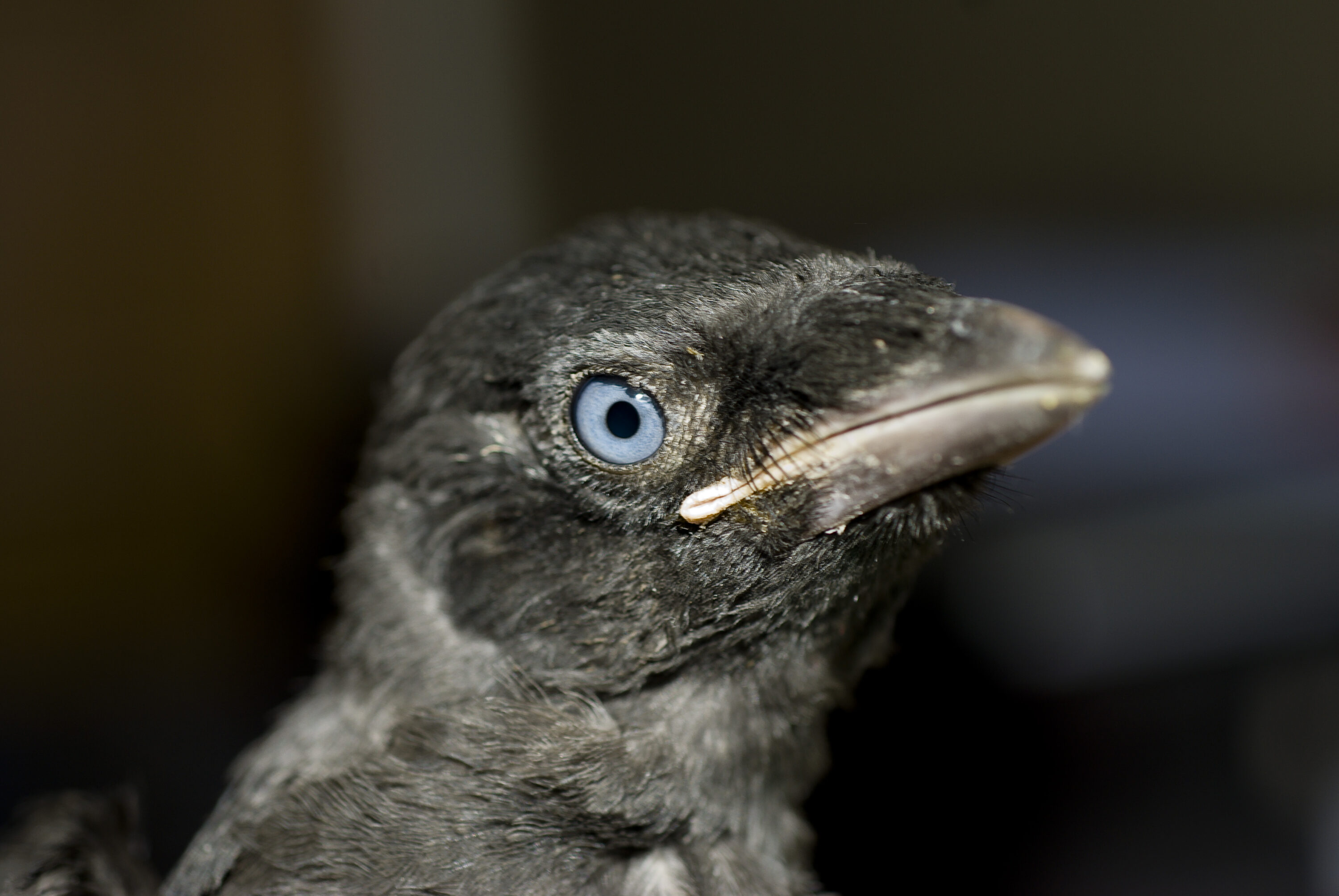
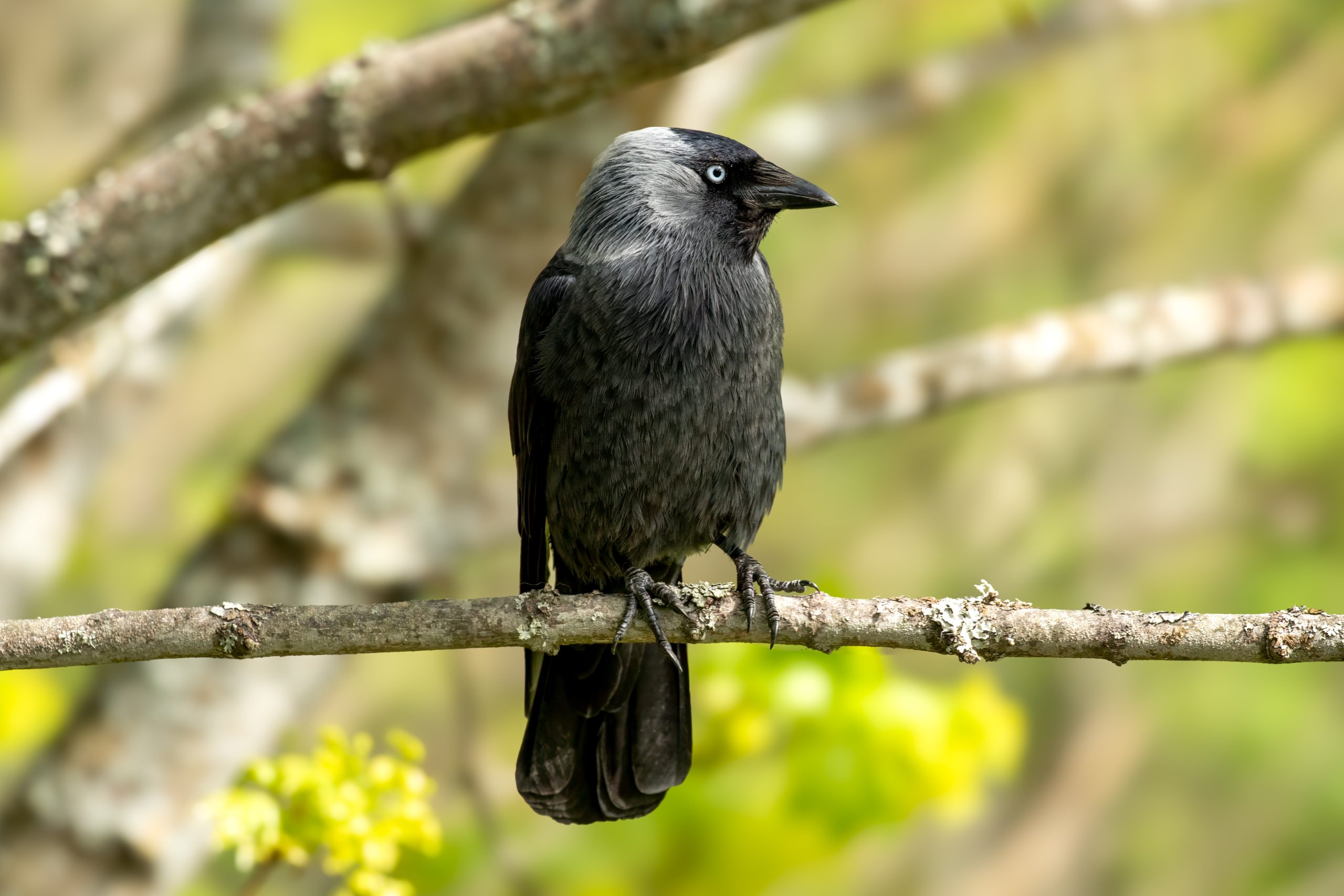
Nestlings of the Eurasian jackdaw (Coloeus monedula) learned to respond more vigilantly to the call of an unfamiliar potential predator after hearing it paired with alarm calls from adult jackdaws. The field experiment, published in Biology Letters on 4 March 2026, was carried out at wild nest boxes in Cornwall, England.
The researchers used calls from two species that were exceptionally unlikely to occur at the study sites: Eurasian goshawk (Accipiter gentilis) as a plausible predator and American golden plover (Pluvialis dominica) as a harmless control. Chicks were 20–30 days old during the playback trials.
Adult Alarm Calls Changed Responses to Goshawk Calls
Thirty-nine nests received playbacks. After data-quality exclusions, 29 nests remained for analysis. During training, unfamiliar goshawk or plover calls were paired either with anti-predator scold calls from jackdaws or with neutral contact calls.
Vigilance increased substantially when the goshawk call was played after it had been paired with scold calls. No comparable increase followed training in which the goshawk call had been paired with contact calls.
The Learning Response Was Selective
Pairing the harmless golden plover call with adult scold calls did not increase vigilance to that call. The result therefore did not support a simple tendency to learn fear of any unfamiliar sound heard alongside an alarm. The authors suggest that jackdaw nestlings may be predisposed to form fear-related associations with biologically relevant predator cues.
The chicks did not need to see a goshawk or experience an attack for their later response to change. However, the experiment tested only one predator and one non-predator species, so the authors treat the proposed selectivity or “preparedness” as a possibility that requires further testing.
Behaviour
Related news
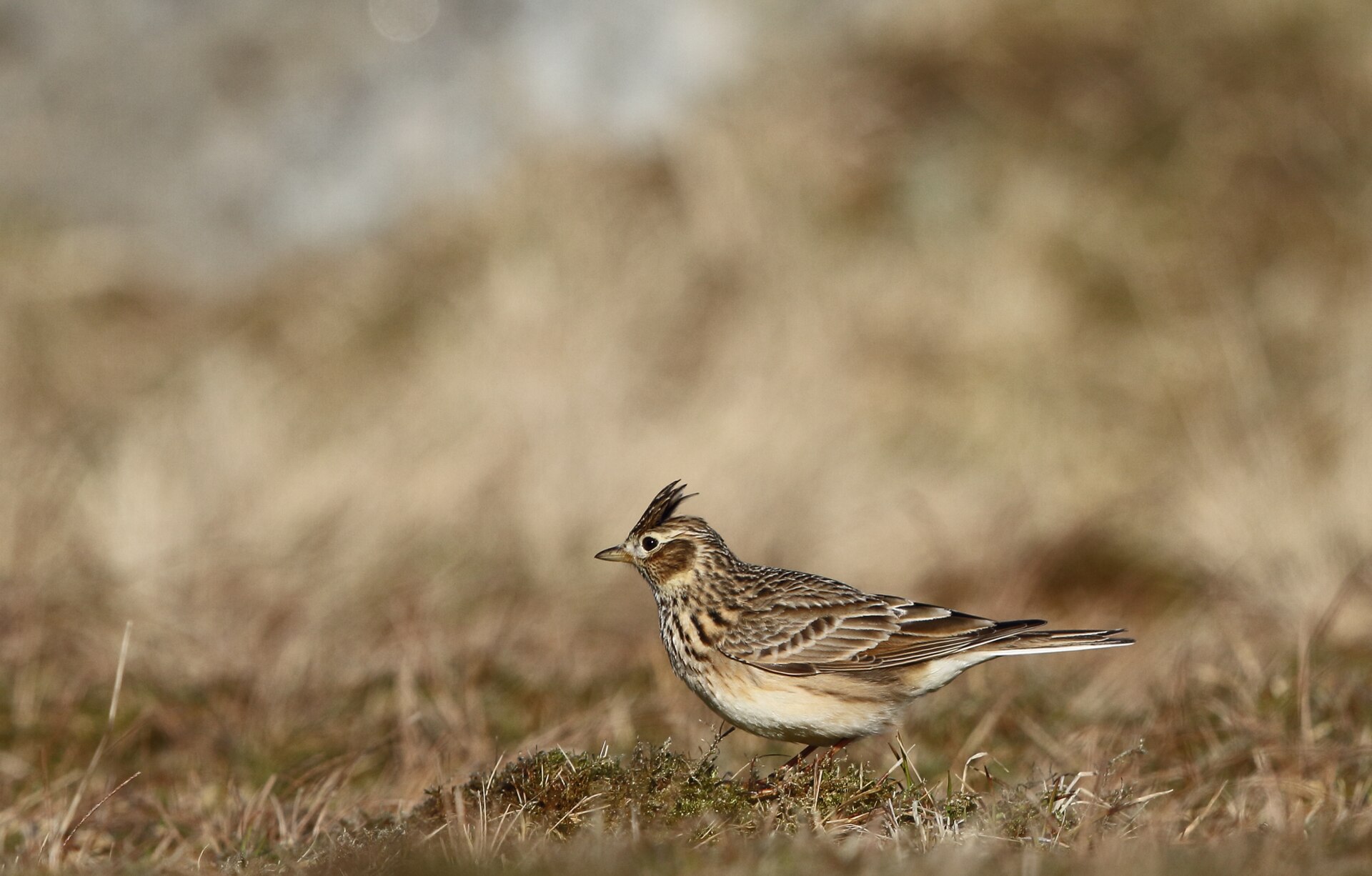
Satellite Data Found Bird-Rich Areas More Reliably Than Individual Species in Central Norway
Long-term counts from 89 routes in Trøndelag and Møre og Romsdal showed that satellite and climate data captured…
Read story →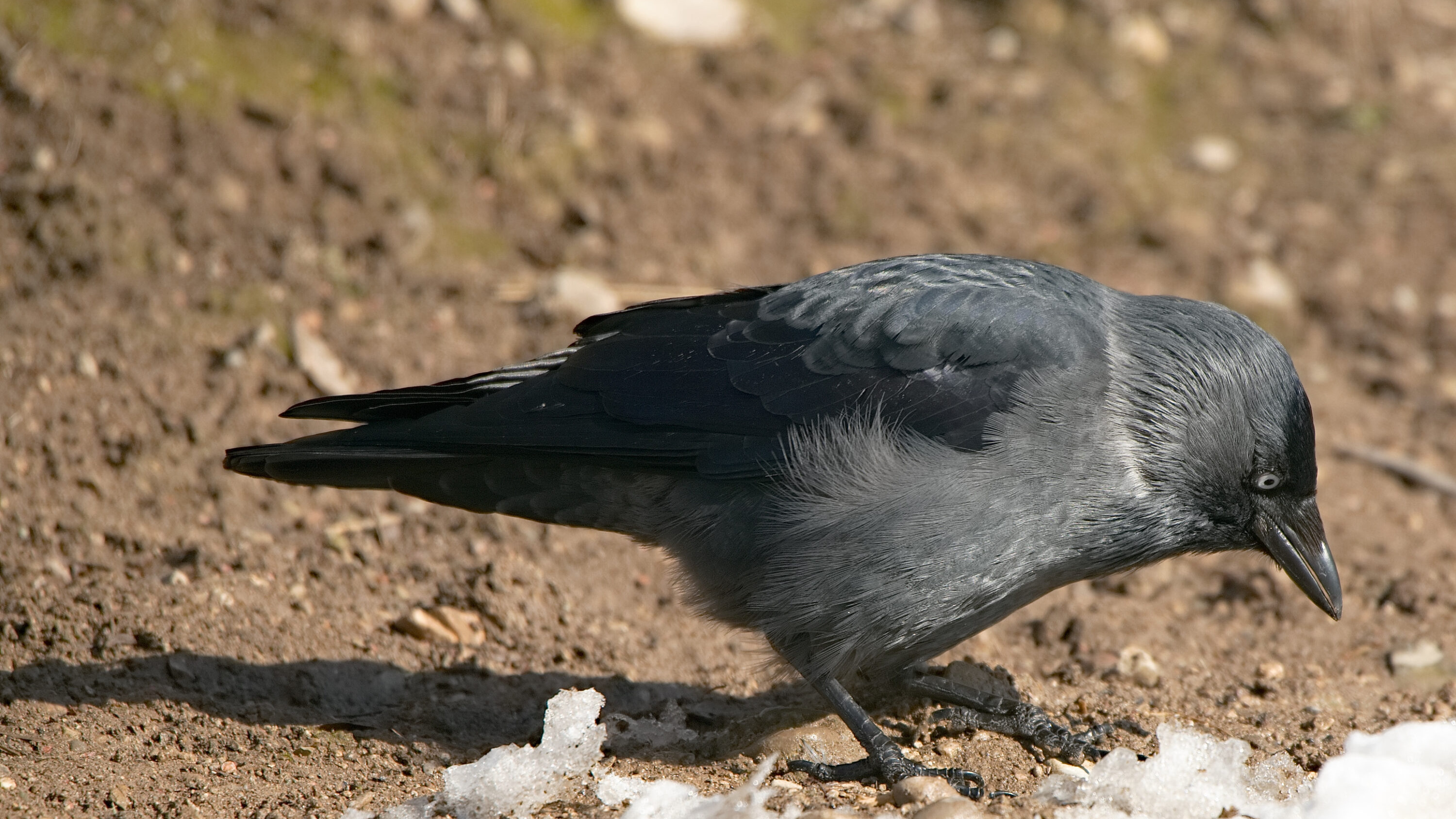
Landscape models point to urban commuting in jackdaws
Models of 232 Iberian winter roosts suggest that jackdaws combine urban night-time refuges with feeding opportunities in agricultural…
Read story →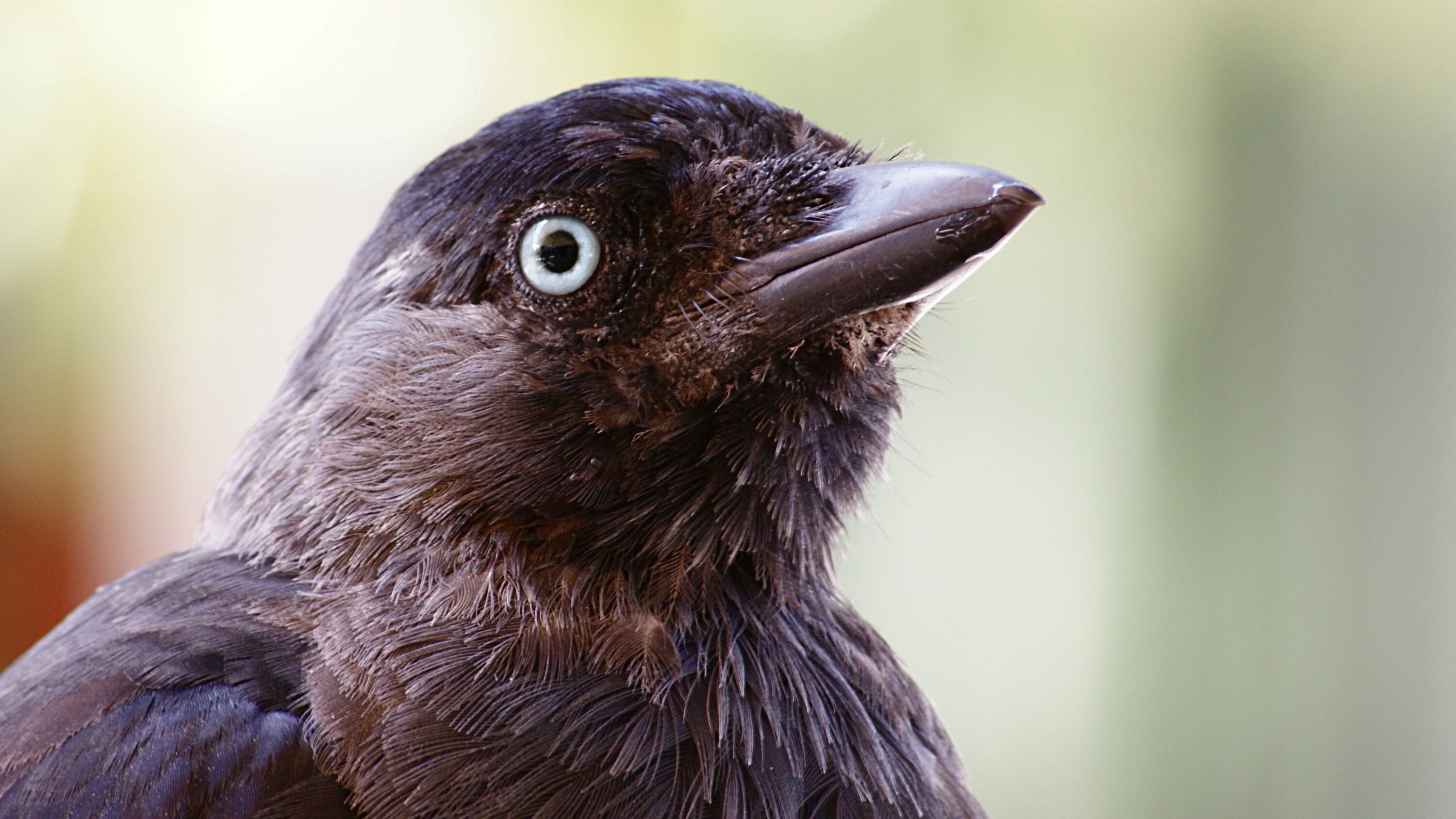
Most Iberian jackdaws share winter roosts with other species
A census of 232 roosts in Spain and Portugal found that 71.6 per cent were shared with other…
Read story →SPECIES IN THIS STORY
Species in this story
Independent research and conservation news archive
Did you find this information useful?
Wildlife Vagabond is independently built and maintained. Voluntary support helps cover source verification, hosting and continued work on research and conservation news.
Support Wildlife VagabondThe news archive will remain freely available.