
Landscape models point to urban commuting in jackdaws
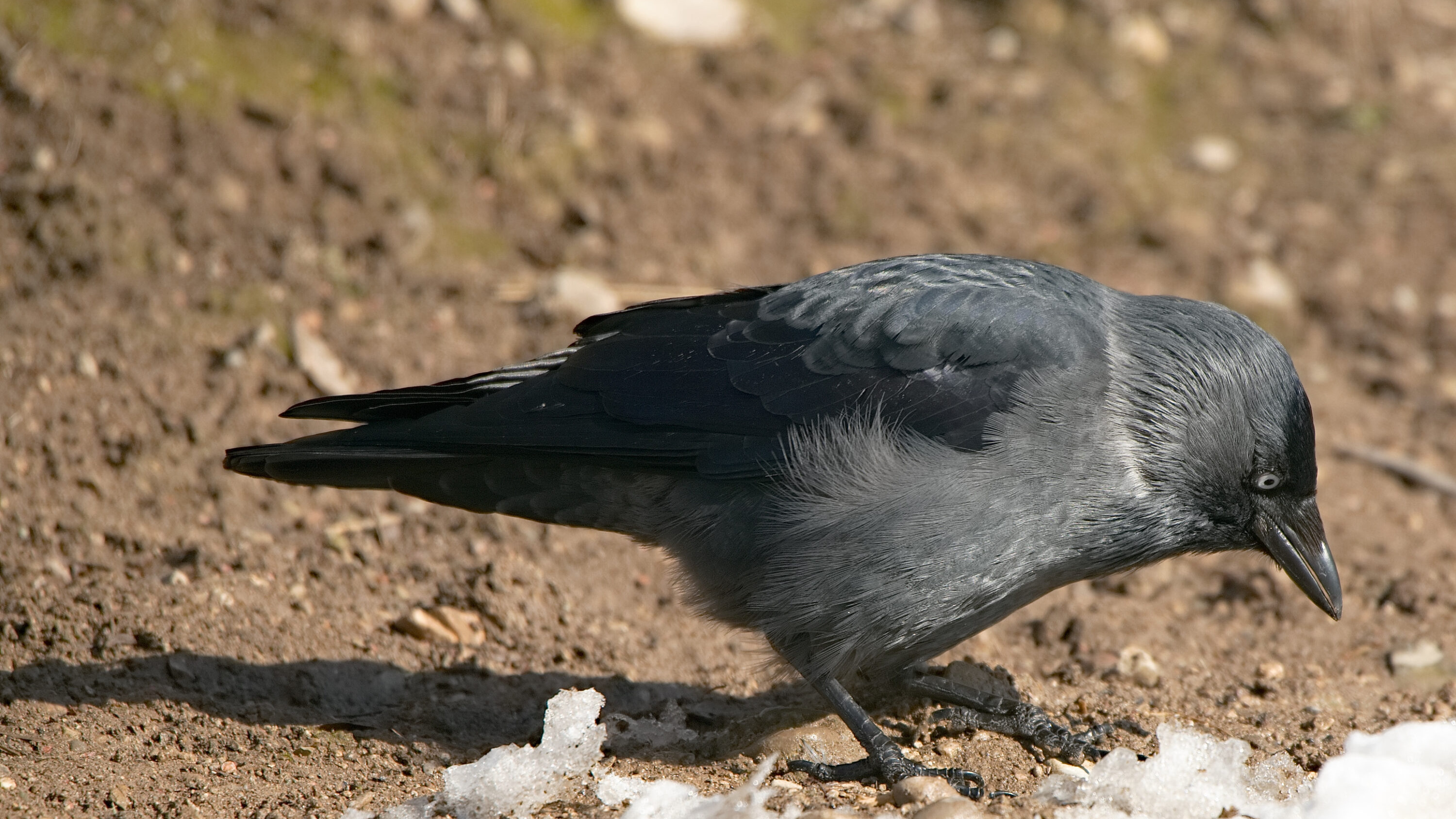
Landscape models of winter roosts across the Iberian Peninsula point to an emerging commuting strategy in Eurasian jackdaws: the birds can spend the night in urban refuges while depending on farmland and other feeding areas during the day. The pattern may help jackdaws use transformed landscapes, but it can also increase the distance between safety and food.
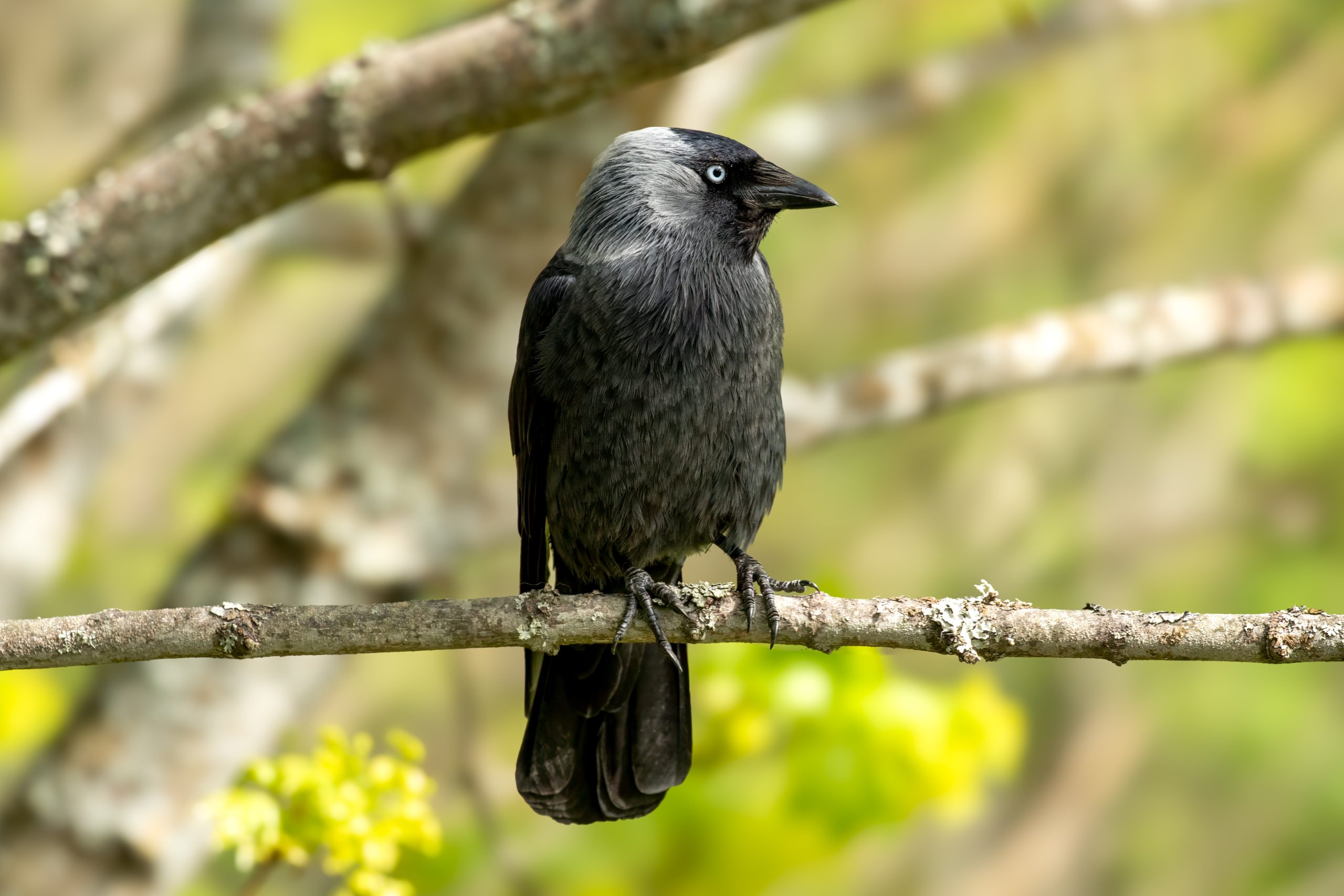
The Eurasian jackdaw (Coloeus monedula) gathers at communal roosts outside the breeding season. These sites are not chosen in isolation from the wider landscape. Birds must be able to reach suitable feeding grounds, and the number of individuals using a roost may depend on resources and vegetation at more than one spatial scale.
Iñigo Palacios-Martínez and colleagues examined 232 winter roosts from a coordinated census covering continental Spain and Portugal. Their study was published in Integrative Zoology on 2 June 2026. It used a multiscale framework to investigate both where roosts occurred and how many jackdaws they contained.
The researchers compared conditions at two levels. A fine-scale model represented the immediate roost environment in one-kilometre grid cells. A broader model represented primary foraging landscapes in 20-kilometre cells. This distinction allowed them to ask whether the features associated with a place to sleep were the same as those shaping the surrounding area available for daytime feeding.
Urban roosts and feeding habitat
Urban areas and the composition of agricultural landscapes emerged as important determinants of roost location. Urban land had a positive association with roost occurrence at the fine scale, while agricultural structure helped shape habitat suitability across the broader foraging landscape.
Suitability models identified urban areas, agricultural landscapes and river valleys as the most favourable parts of the Iberian Peninsula. Together, these habitats can offer different resources. Built-up areas may provide comparatively secure places to spend the night, while open agricultural and pastoral areas can supply feeding opportunities.
The size of a roost followed a somewhat different pattern. High vegetation productivity and dense vegetation cover were associated with fewer jackdaws. The authors interpret this as evidence that access to suitable foraging grounds is a major influence on the size of communal gatherings. A lush landscape is not automatically a better winter landscape for a ground-foraging bird if vegetation makes food harder to reach.
Urbanisation nevertheless had two sides. Urban features were associated with roost occurrence, yet including them in the suitability models reduced the total extent of habitat assessed as suitable. The result suggests that cities can provide particular refuges without making the entire transformed landscape favourable.
Commuting between refuge and food
From these spatial relationships, the researchers propose an urban commuting strategy. Jackdaws may separate the functions of their daily landscape, using urban locations for nocturnal safety and travelling into agricultural or pastoral areas to feed. The study did not track individual journeys, so the commuting interpretation is an inference from the distribution of roosts and environmental suitability rather than a direct measurement of each bird’s route.
If safe roosting sites and productive feeding grounds become increasingly separated, birds may have to travel farther each day. The authors argue that the added cost of balancing refuge and food in human-modified landscapes could contribute to instability in populations of a species that is still widely regarded as common.
Ecology
Related news
Satellite Data Found Bird-Rich Areas More Reliably Than Individual Species in Central Norway
Long-term counts from 89 routes in Trøndelag and Møre og Romsdal showed that satellite and climate data captured…
Read story →
Most Iberian jackdaws share winter roosts with other species
A census of 232 roosts in Spain and Portugal found that 71.6 per cent were shared with other…
Read story →
Eurasian Jackdaw Chicks Learned to Recognise an Unfamiliar Predator Call From Adult Alarm Calls
A field experiment at 39 wild nests found that Eurasian jackdaw chicks increased vigilance to an unfamiliar goshawk…
Read story →SPECIES IN THIS STORY
Species in this story
Independent research and conservation news archive
Did you find this information useful?
Wildlife Vagabond is independently built and maintained. Voluntary support helps cover source verification, hosting and continued work on research and conservation news.
Support Wildlife VagabondThe news archive will remain freely available.