
European Hares and Rabbits Showed Different Habitat Associations in New South Wales Forests
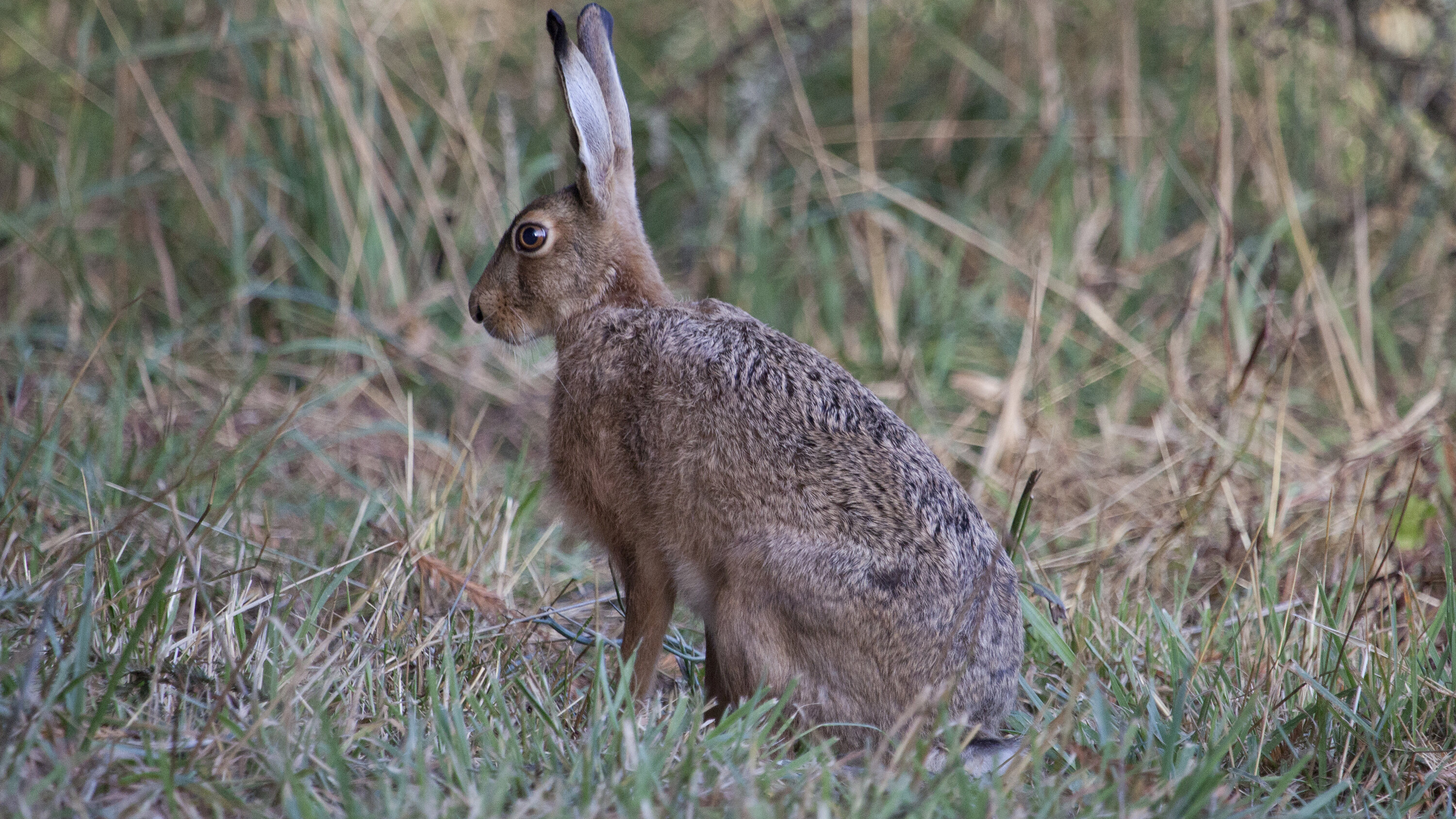
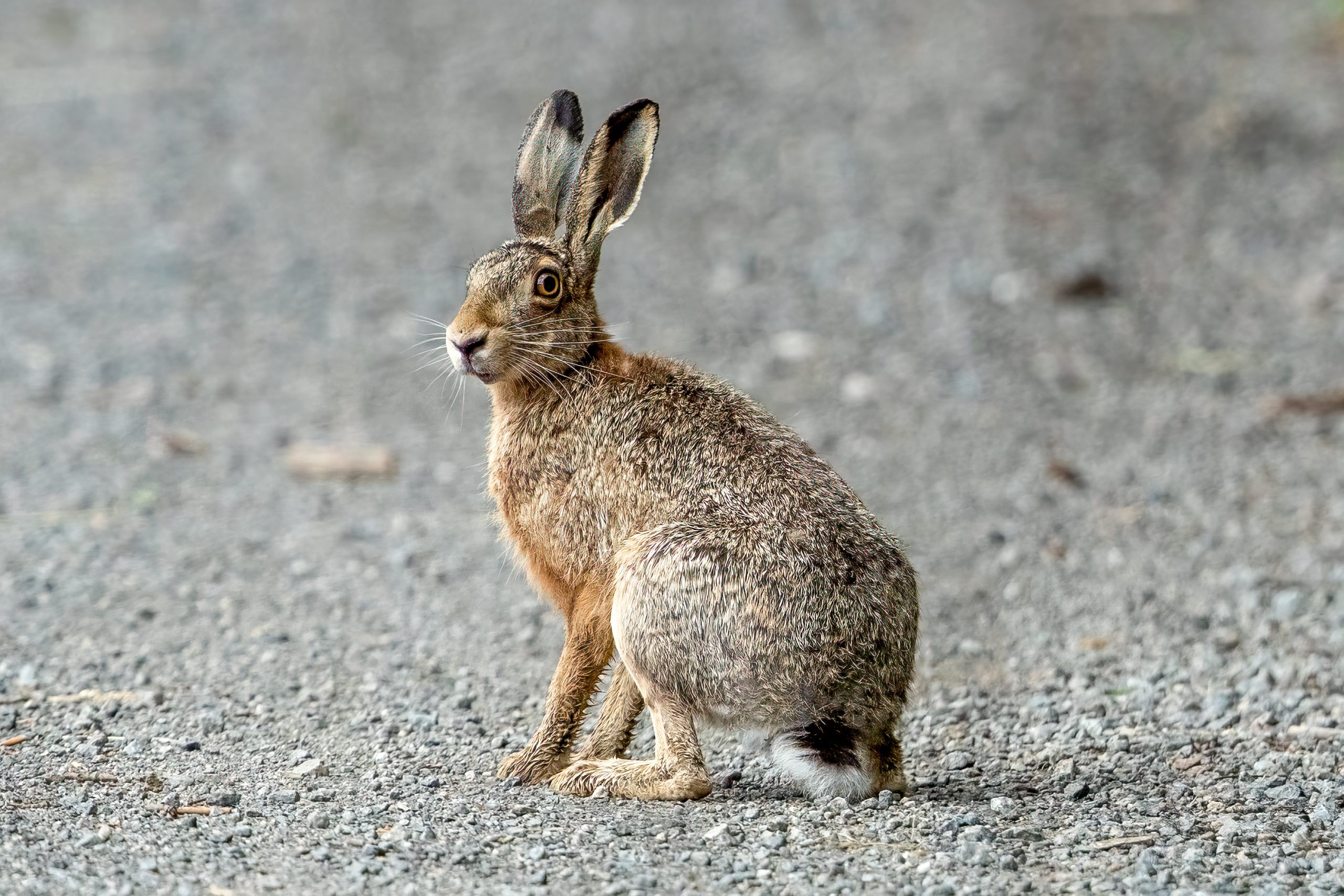
A study published in 2026 examined European hare (Lepus europaeus) and European rabbit (Oryctolagus cuniculus) occurrence in mesic forests of the Northern Tablelands of New South Wales, Australia. Researchers deployed 300 cameras across four study sites in Guy Fawkes River National Park and Oxley Wild Rivers National Park, producing 12,303 camera-trap nights.
Hares were recorded in 698 detection events on 99 cameras, while rabbits were recorded 163 times on 44 cameras. Estimated occupancy was higher for hares than for rabbits. Hare occupancy declined significantly as distance from non-native vegetation increased. Associations with elevation and topographic wetness were weaker and unclear. Rabbit occupancy showed the same directional decline with increasing distance from non-native vegetation and a negative association with elevation, but neither relationship was statistically significant.
Daily activity overlapped strongly despite habitat differences
Daily activity overlapped strongly despite habitat differences
The two species showed more than 80% overlap in their daily activity patterns. Estimated detection probability was about twice as high for hares as for rabbits, 0.170 versus 0.088. This helps explain why the authors caution that standard camera-trap protocols may not perform equally well for the two species. Habitat associations also varied among study sites.
The study provides a forest baseline for two introduced lagomorphs
The study provides a forest baseline for two introduced lagomorphs
The authors describe the results as a baseline for understanding the ecology of introduced hares and rabbits in Australian forest systems, where both species have been studied far less than in agricultural landscapes. They also note that monitoring methods may need to be tailored to the different detectability and behaviour of the two lagomorphs.
Ecology
Related news
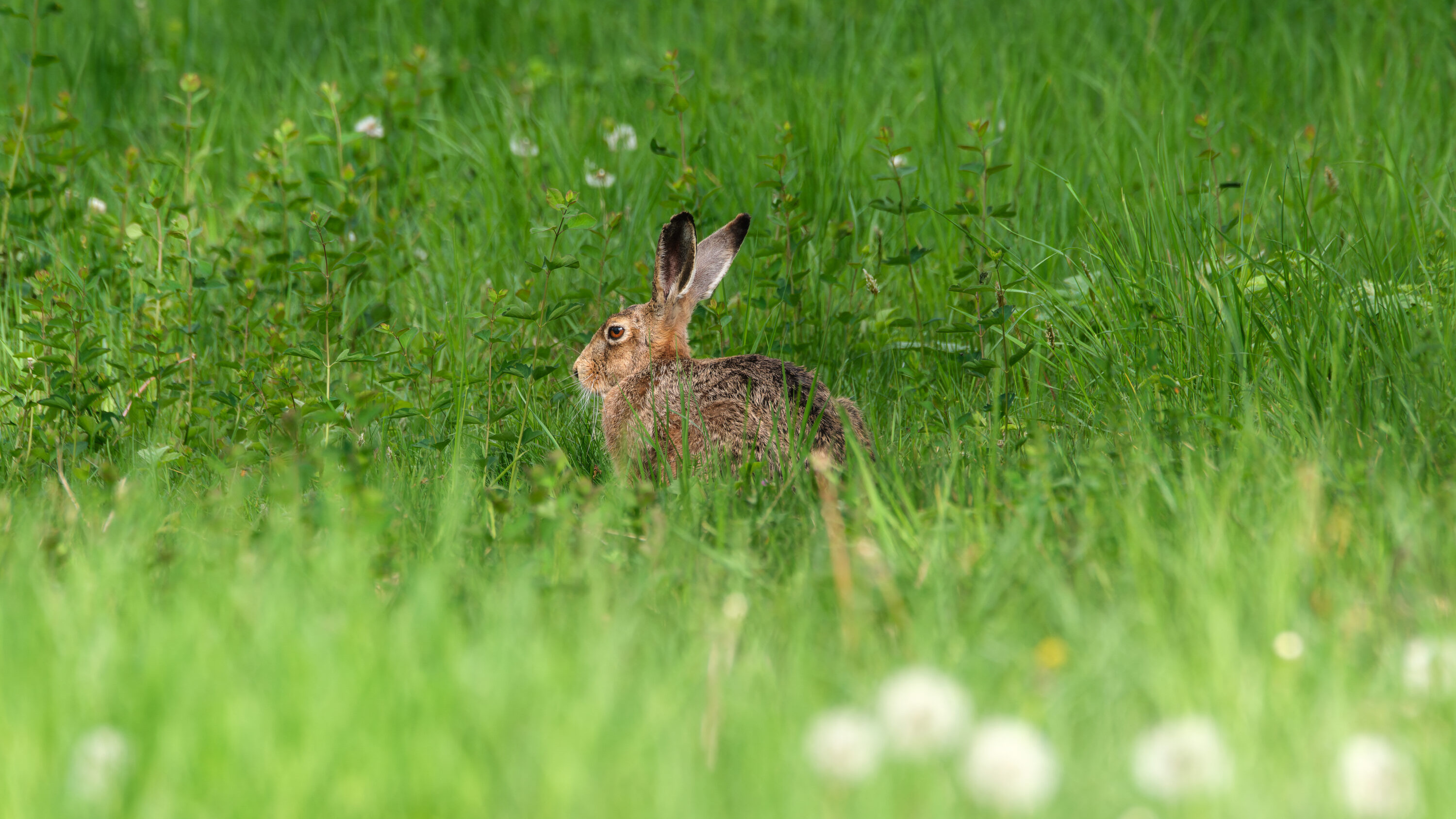
Cryptosporidium Deer Mouse Genotype IV Was Recorded in Europe for the First Time in European Hares
Five of 370 faecal samples from wild European hares in Czechia and Slovakia contained Cryptosporidium deer mouse genotype…
Read story →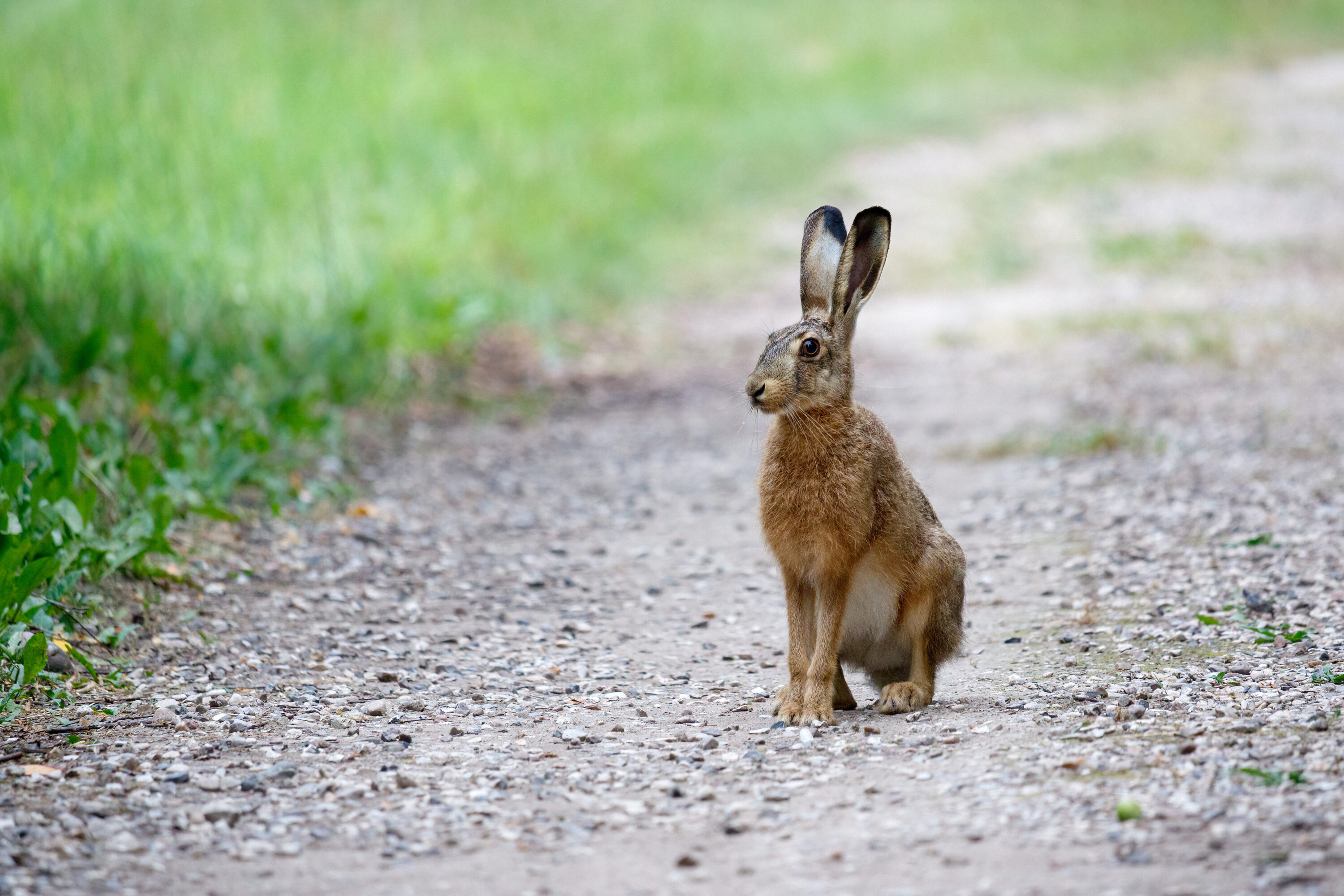
Classic and Recombinant Myxoma Viruses Were Found Together in Pooled Tissue From Two Hares in West Hungary
Whole-genome sequencing of pooled material from two European hares in western Hungary detected both classic MYXV and the…
Read story →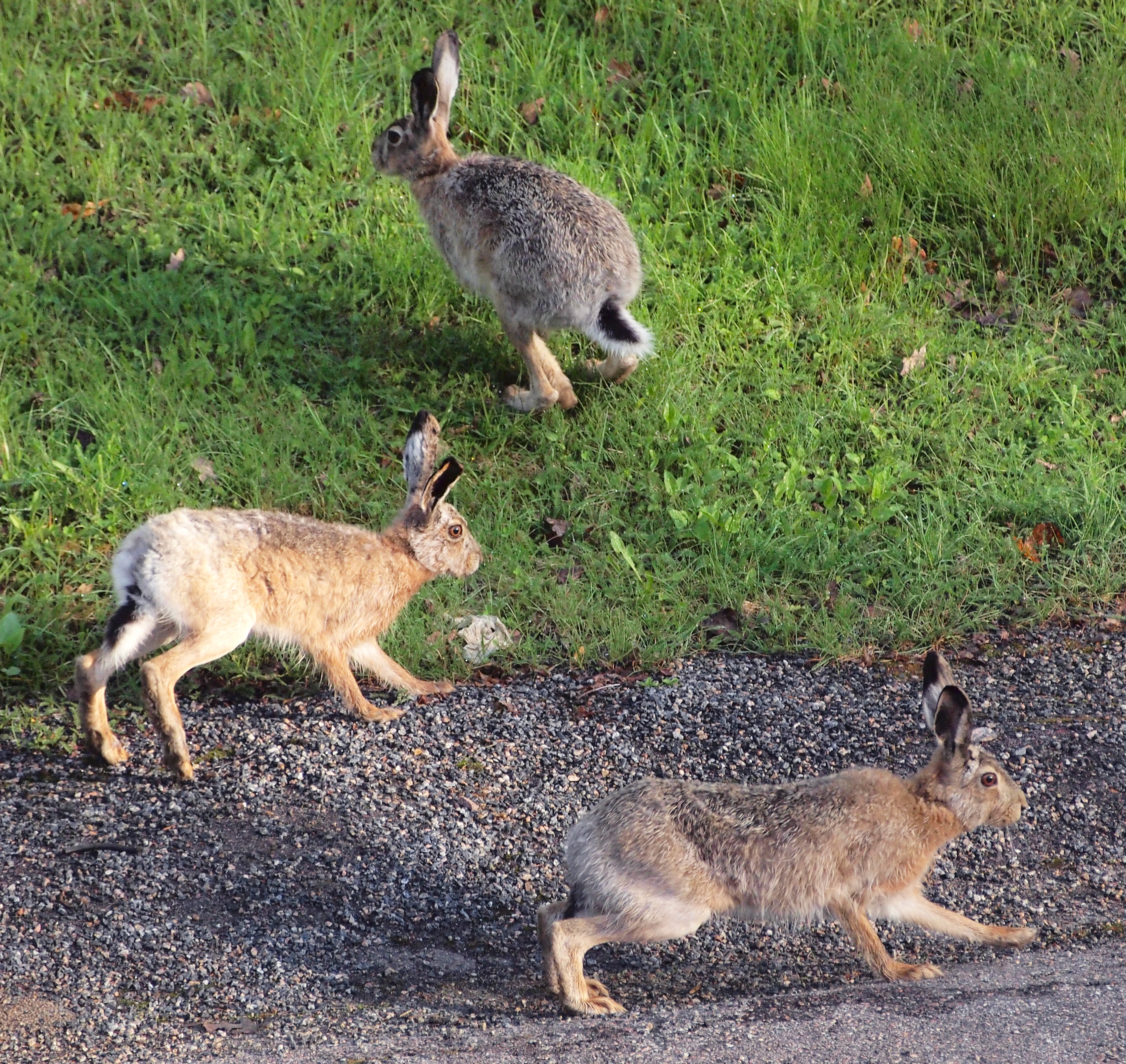
Hungary’s First ha-MYXV Outbreak Was Confirmed in 33 of 37 Targeted Hare Samples
During Hungary’s first confirmed outbreak of hare-adapted recombinant myxoma virus, 33 of 37 targeted European hare samples from…
Read story →SPECIES IN THIS STORY
Species in this story
Independent research and conservation news archive
Did you find this information useful?
Wildlife Vagabond is independently built and maintained. Voluntary support helps cover source verification, hosting and continued work on research and conservation news.
Support Wildlife VagabondThe news archive will remain freely available.