
Far Eastern Oystercatchers Began Migration With Tailwinds in Both Spring and Autumn
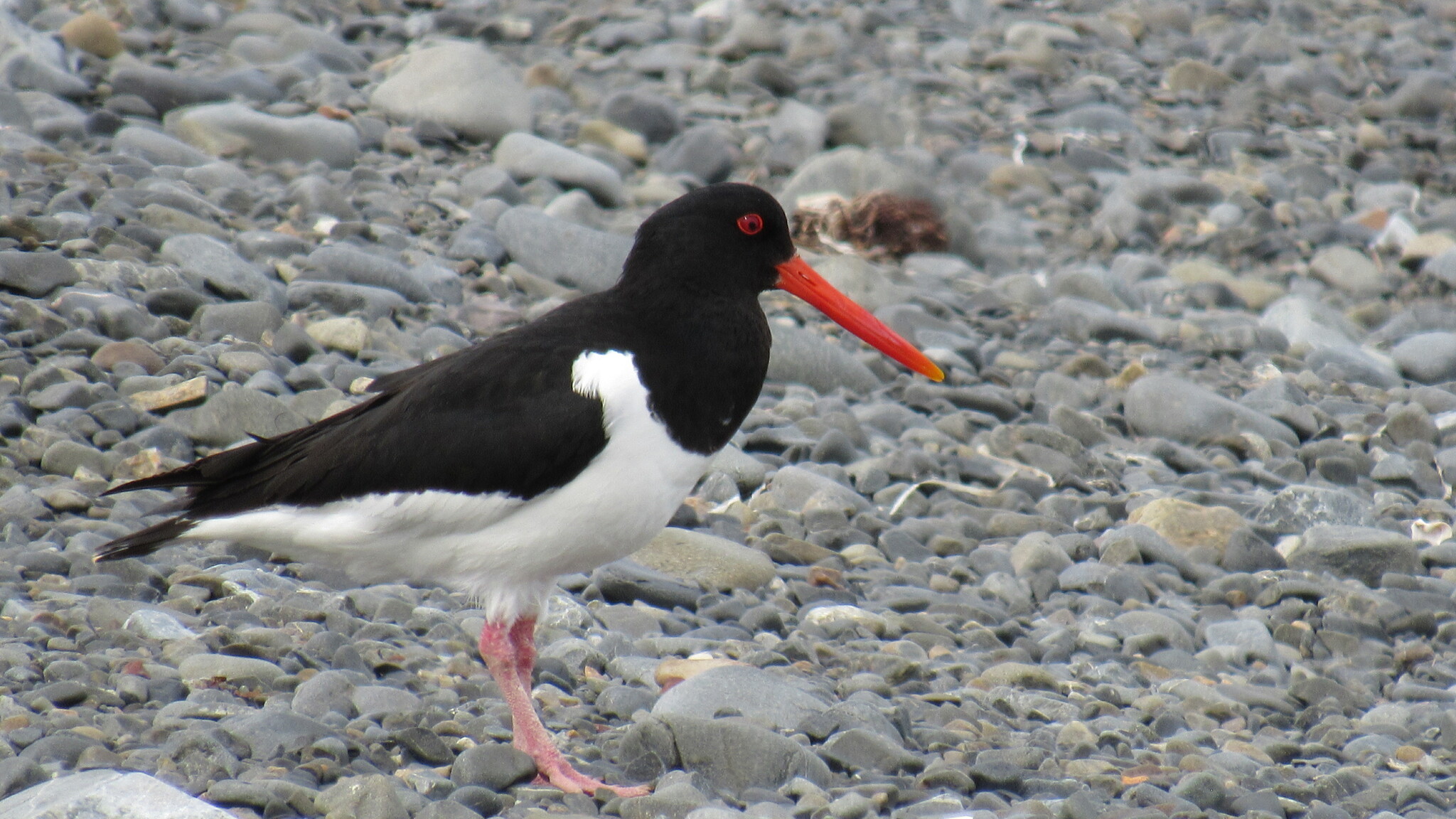
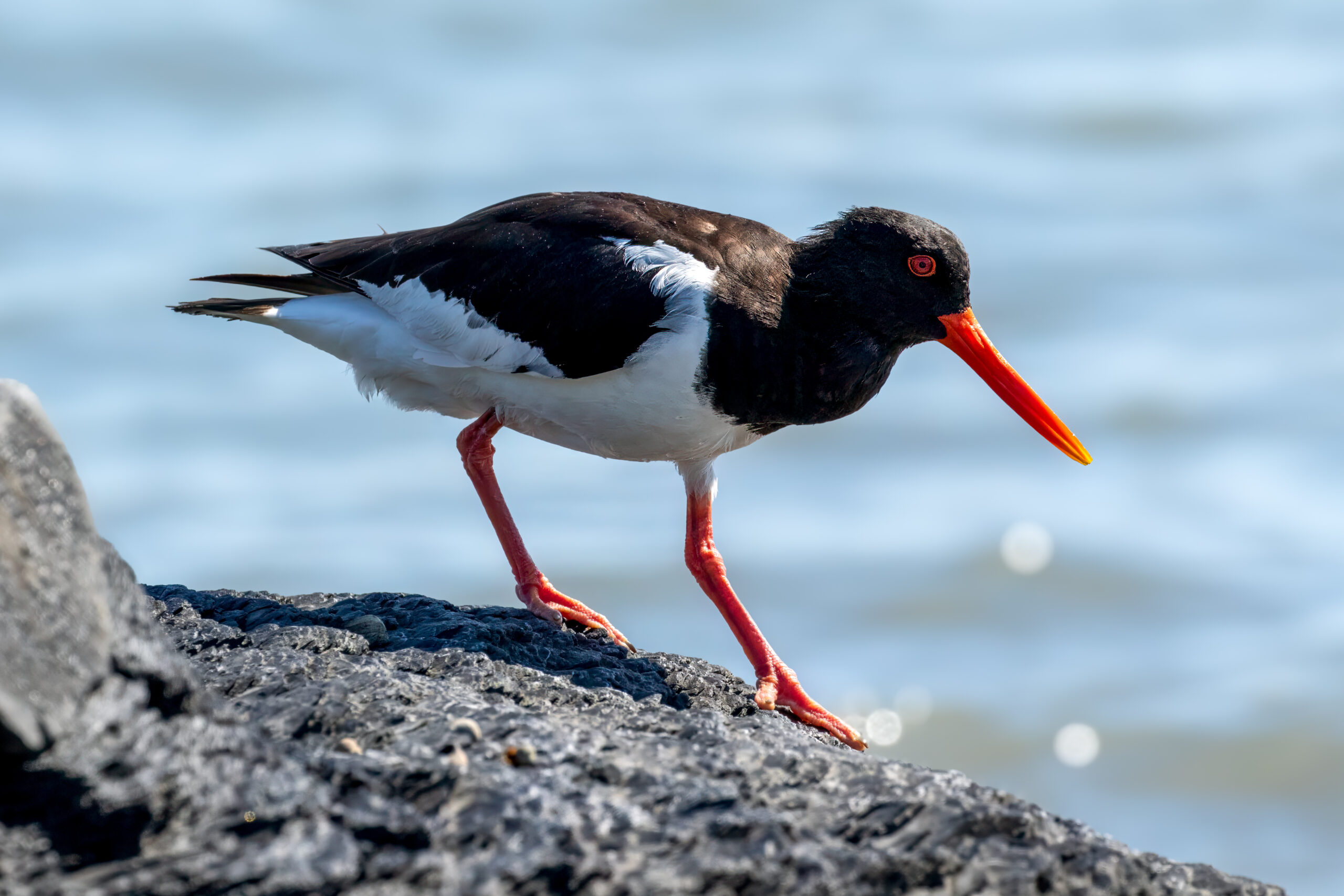
GPS tracking of far eastern oystercatchers (Haematopus ostralegus osculans) found that the birds consistently began migration under favourable tailwinds during both spring and autumn. The study, first published online on 7 January 2026, followed 12 birds tagged at the Yalu Jiang estuary in the northern Yellow Sea.
The sample included five adults and seven immature birds in their second or third year. Most wintered along the western coast of the Yellow Sea and bred inland in northeastern China. The average migration distance was about 1,641 kilometres in spring and 1,669 kilometres in autumn.
Departure days had stronger wind support
Migration generally began around sunset. At wintering, breeding and stopover sites, wind conditions on departure days provided tailwinds, and the available wind support was greater than the average during the previous five or 10 days.
Temperature also affected some decisions. During autumn migration, birds leaving stopover sites departed on days that were colder than the preceding five- or 10-day average. The authors conclude that wind influenced migration decisions throughout the annual cycle, while temperature also played a role when birds left stopover sites in autumn.
Yalu Jiang was the main stopover in both seasons
The Yalu Jiang estuary was the principal stopover used by the tagged birds in both spring and autumn, although two immature birds used the Liaohe estuary instead during autumn migration in 2022. Autumn stays at Yalu Jiang were especially long: adults remained for an average of 118.3 days and immature birds for 130.4 days.
The researchers suggest that this unusually long autumn stopover is probably linked to moulting their flight feathers. They highlight the extended stay as evidence of the importance of Yalu Jiang to the annual cycle of this population.
Young birds migrated later in spring
Immature birds left the wintering grounds and reached the breeding grounds later than adults during spring migration. In autumn, however, there was no clear age difference in departure from breeding areas or arrival at wintering sites.
Ecology
Related news
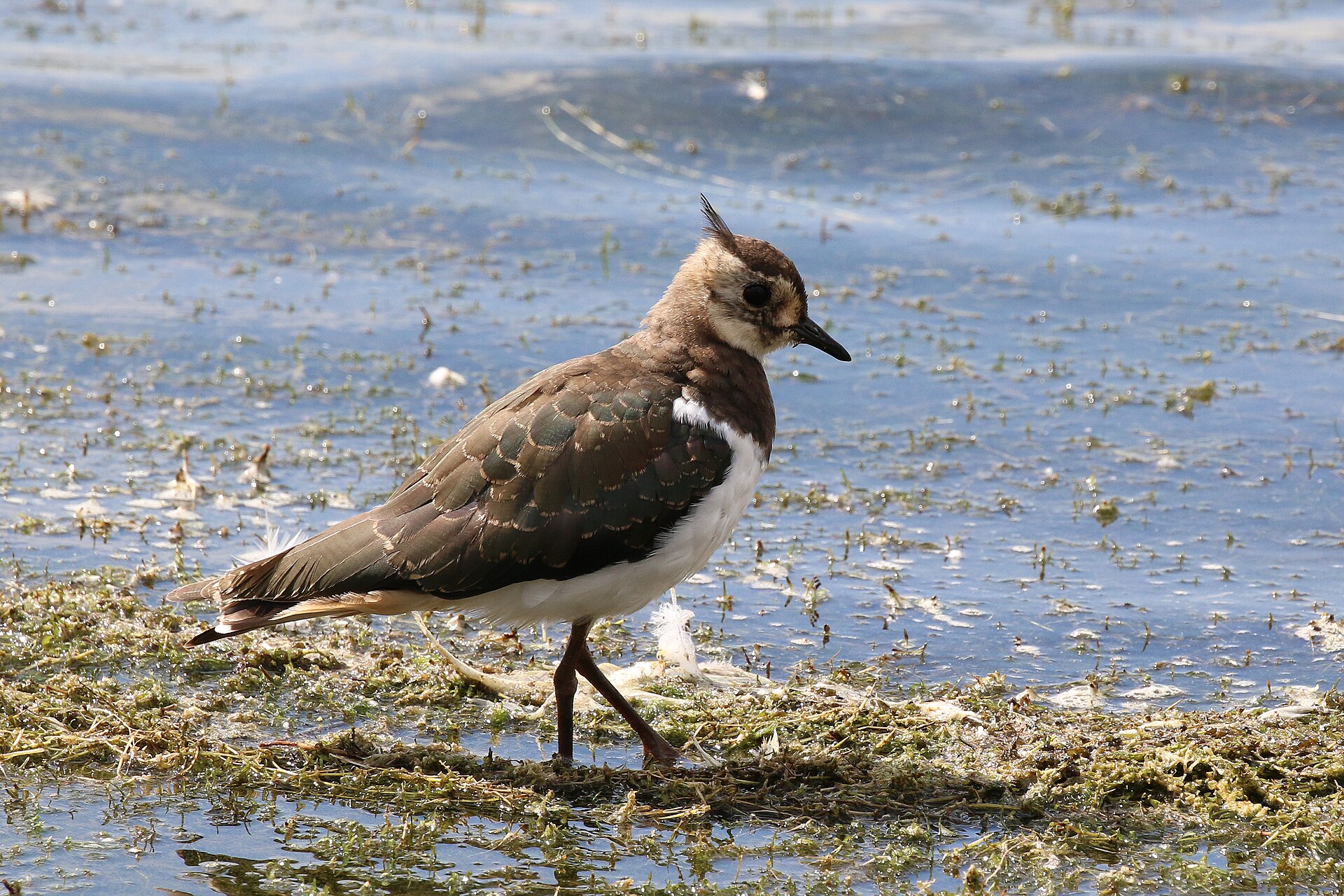
Lapwings Nest Later Further North in Britain, but Oystercatchers Start Earlier
Lapwings and oystercatchers follow different breeding calendars. British nest records show that fixed grazing and mowing dates can…
Read story →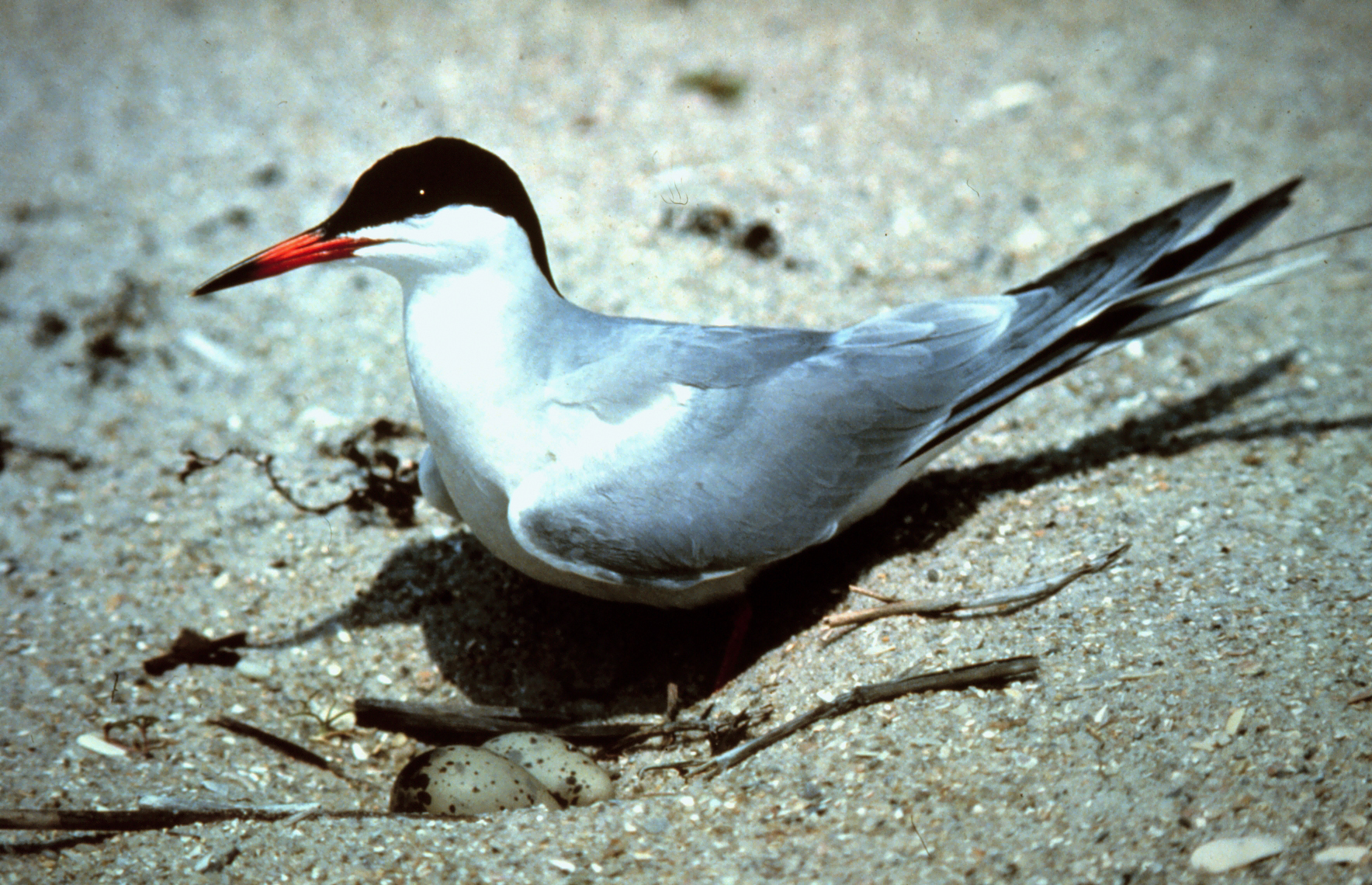
Common Tern Eggs Had More PCBs, HCB and Mercury Than Oystercatcher Eggs in 40-Year Wadden Sea Study
Monitoring from 1981–2023 found higher PCB, HCB and mercury levels in common tern eggs than in Eurasian oystercatcher…
Read story →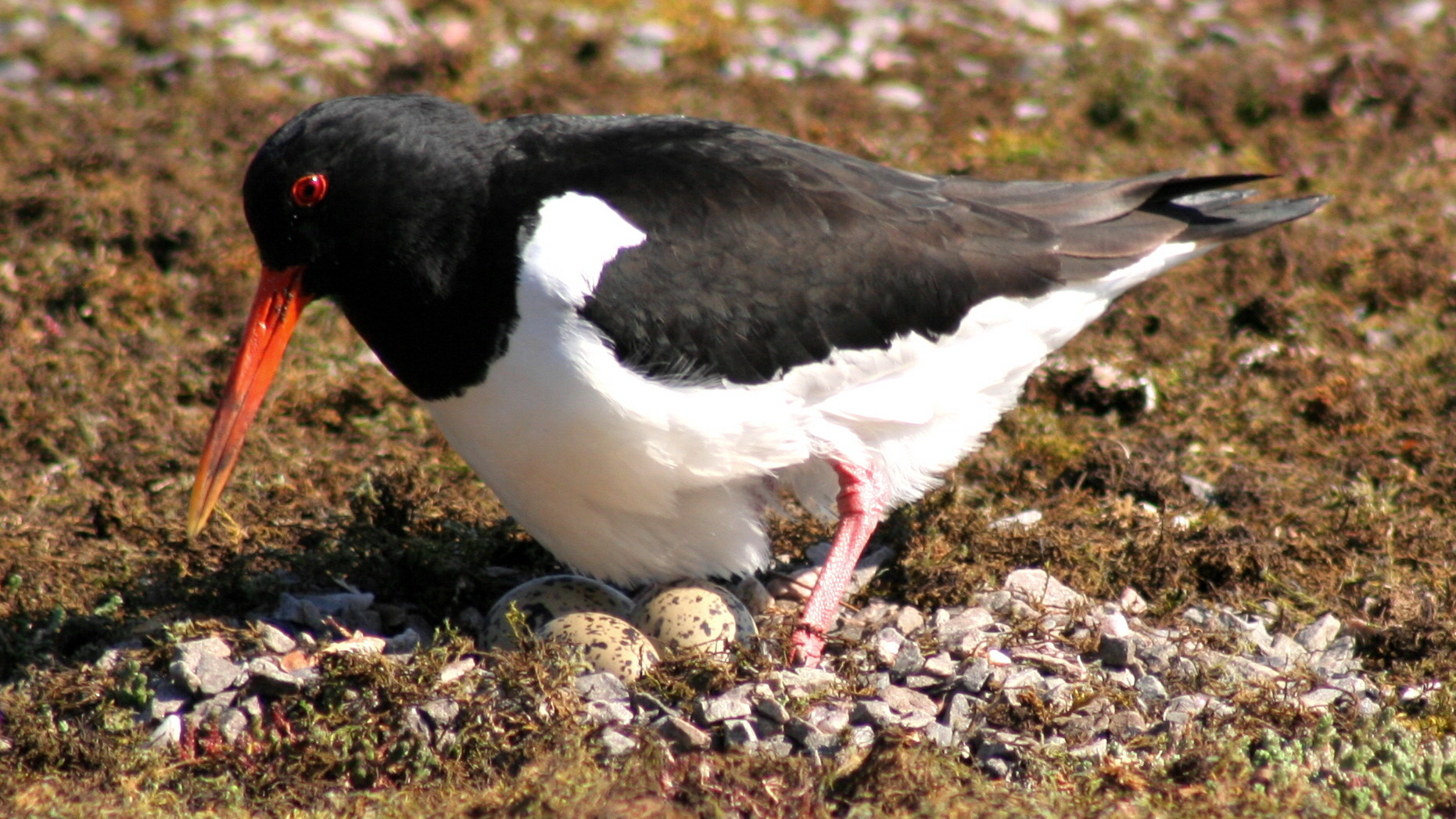
First Eurasian Oystercatcher Nest in Lazio Used an Active Kentish Plover Nest
Italy's first documented Eurasian oystercatcher nesting attempt in Lazio used an active Kentish plover nest and became the…
Read story →SPECIES IN THIS STORY
Species in this story
Independent research and conservation news archive
Did you find this information useful?
Wildlife Vagabond is independently built and maintained. Voluntary support helps cover source verification, hosting and continued work on research and conservation news.
Support Wildlife VagabondThe news archive will remain freely available.