
Fawn Rescue Could Broaden Support for Farmland Conservation
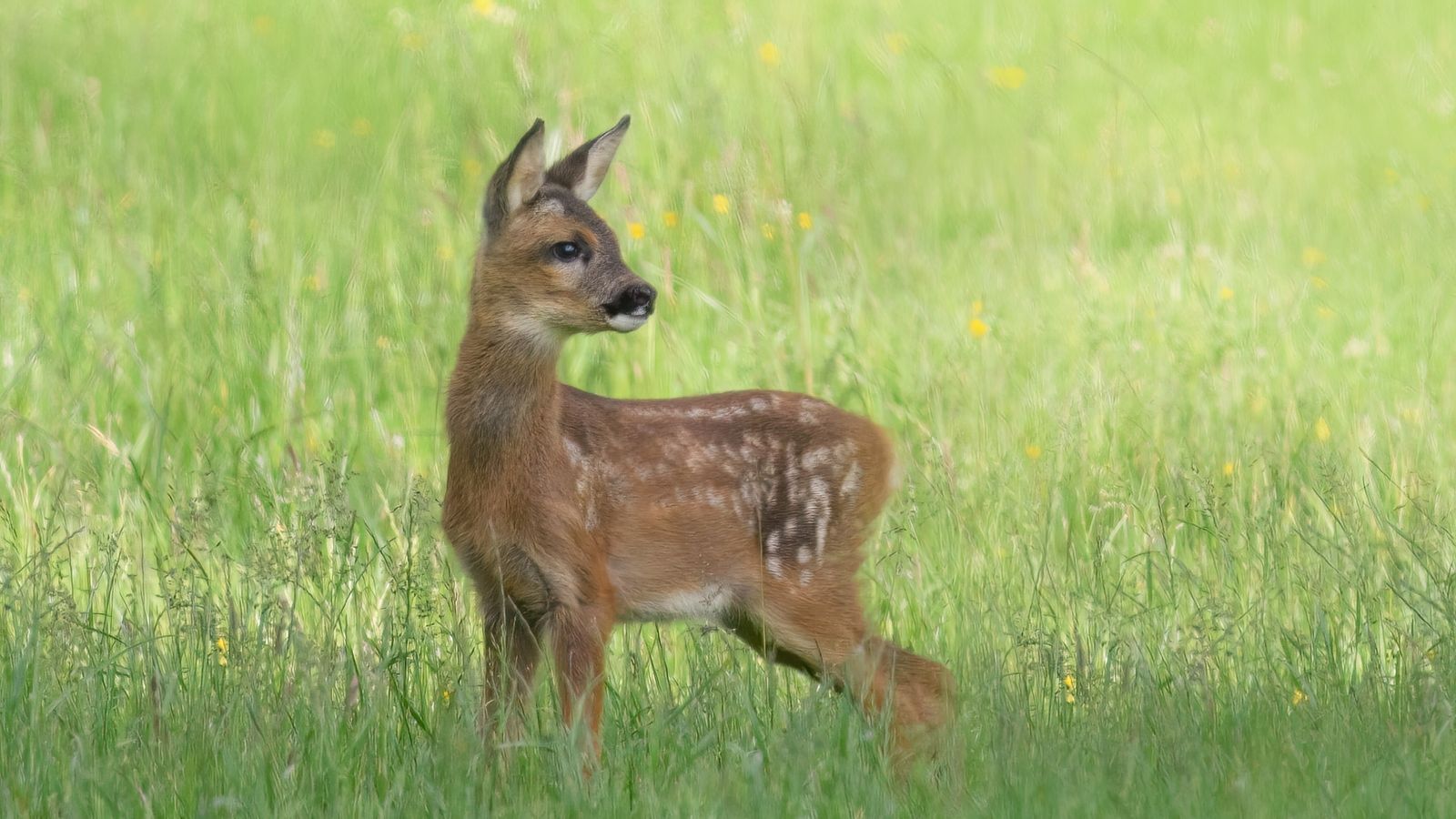
The public appeal of rescuing roe deer fawns before mowing could be used to build support for wider biodiversity conservation in agricultural landscapes, argues a perspective published in Agriculture, Ecosystems & Environment on 15 April 2026. The paper develops a conservation proposal; it does not test whether fawn-rescue campaigns actually produce broader environmental action.
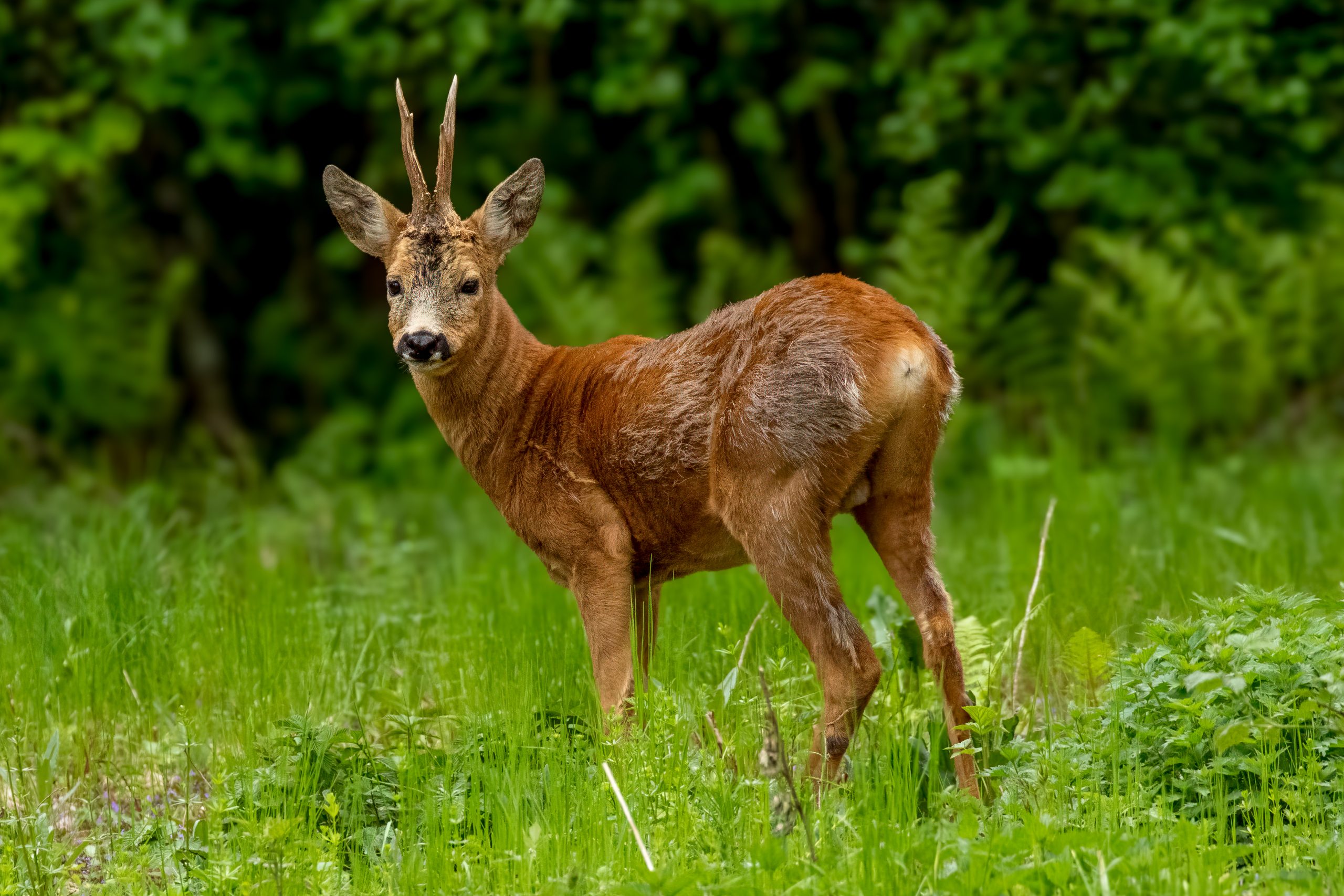
Young roe deer (Capreolus capreolus) rely on remaining hidden and motionless in tall vegetation, which makes them difficult to detect before grassland is cut. Across Central Europe, wildlife managers and members of the public take part in large-scale searches before mowing, increasingly aided by thermal cameras on drones.
A highly visible rescue can overshadow less visible losses
The author describes the strong emotional response to fawn rescue as a “Bambi effect”. Meadow harvesting also threatens less conspicuous farmland wildlife, including birds and invertebrates, but these losses attract less public attention than the rescue of an individual fawn.
From fawn rescue to broader habitat protection
The perspective argues that the public engagement already built around fawn rescue could be extended to broader conservation measures, including greater habitat diversity and more sustainable land use across agricultural landscapes.
Management
Related news
Roe Deer and Wild Boar Remained Key Wolf Prey as Diet Shifted Across North-western Italy
From 2021 to 2025, wolves in north-western Italy continued to feed mainly on wild prey. In the Po…
Read story →
Estimated M. bovis Seroprevalence Was 26.6% in Exmoor Red Deer
A survey of 432 wild deer in the Exmoor area estimated Mycobacterium bovis seroprevalence at 26.6% in red…
Read story →
Roe Deer in Similar Scottish Habitats Had More Similar Diets
DNA metabarcoding from 198 Scottish roe deer found that study site explained about 18% of dietary variation, while…
Read story →SPECIES IN THIS STORY
Species in this story
Independent research and conservation news archive
Did you find this information useful?
Wildlife Vagabond is independently built and maintained. Voluntary support helps cover source verification, hosting and continued work on research and conservation news.
Support Wildlife VagabondThe news archive will remain freely available.