
Fifty Black-headed Ibis Nests Concentrated in Two Trees in a Rajasthan Settlement
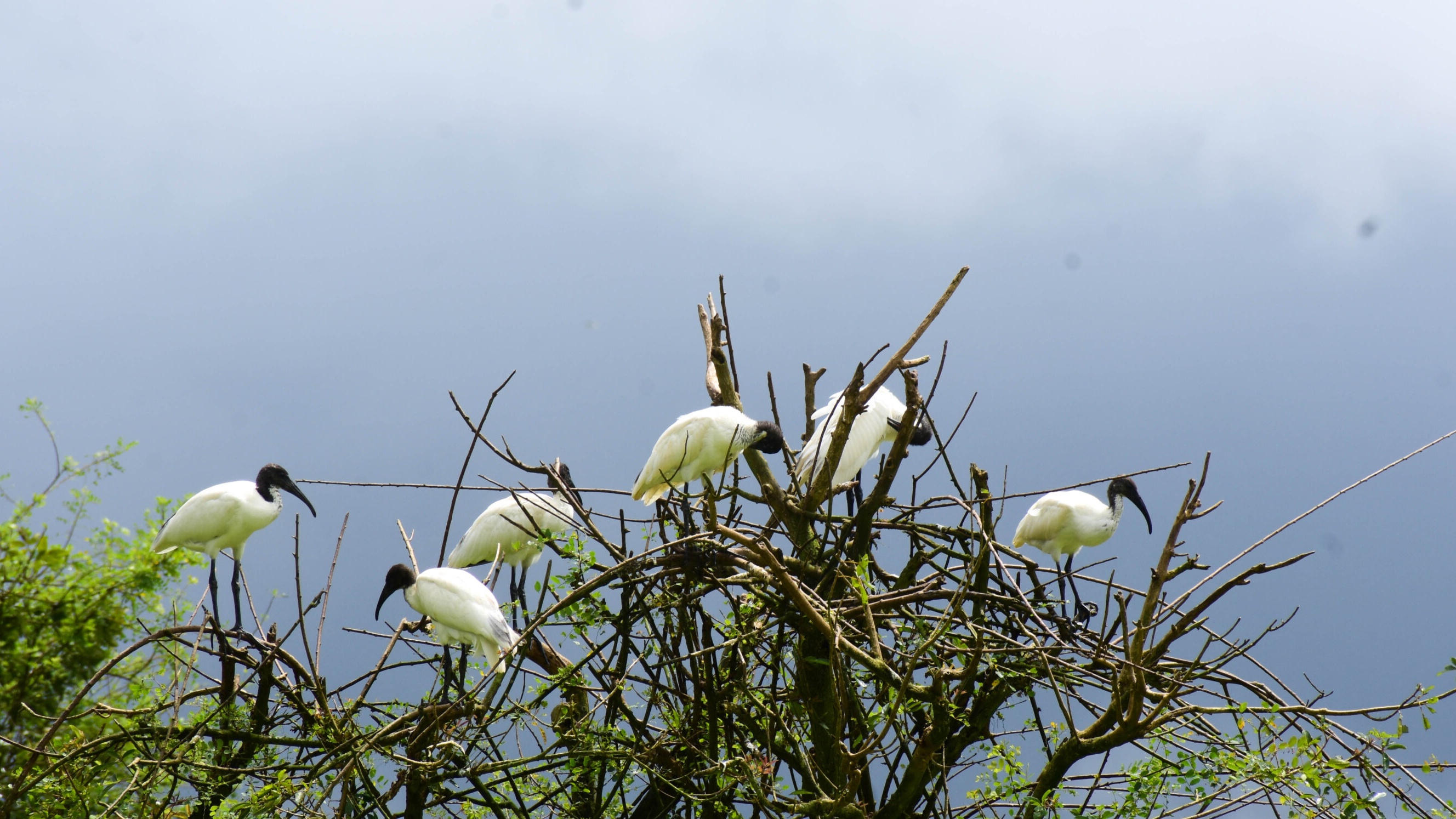
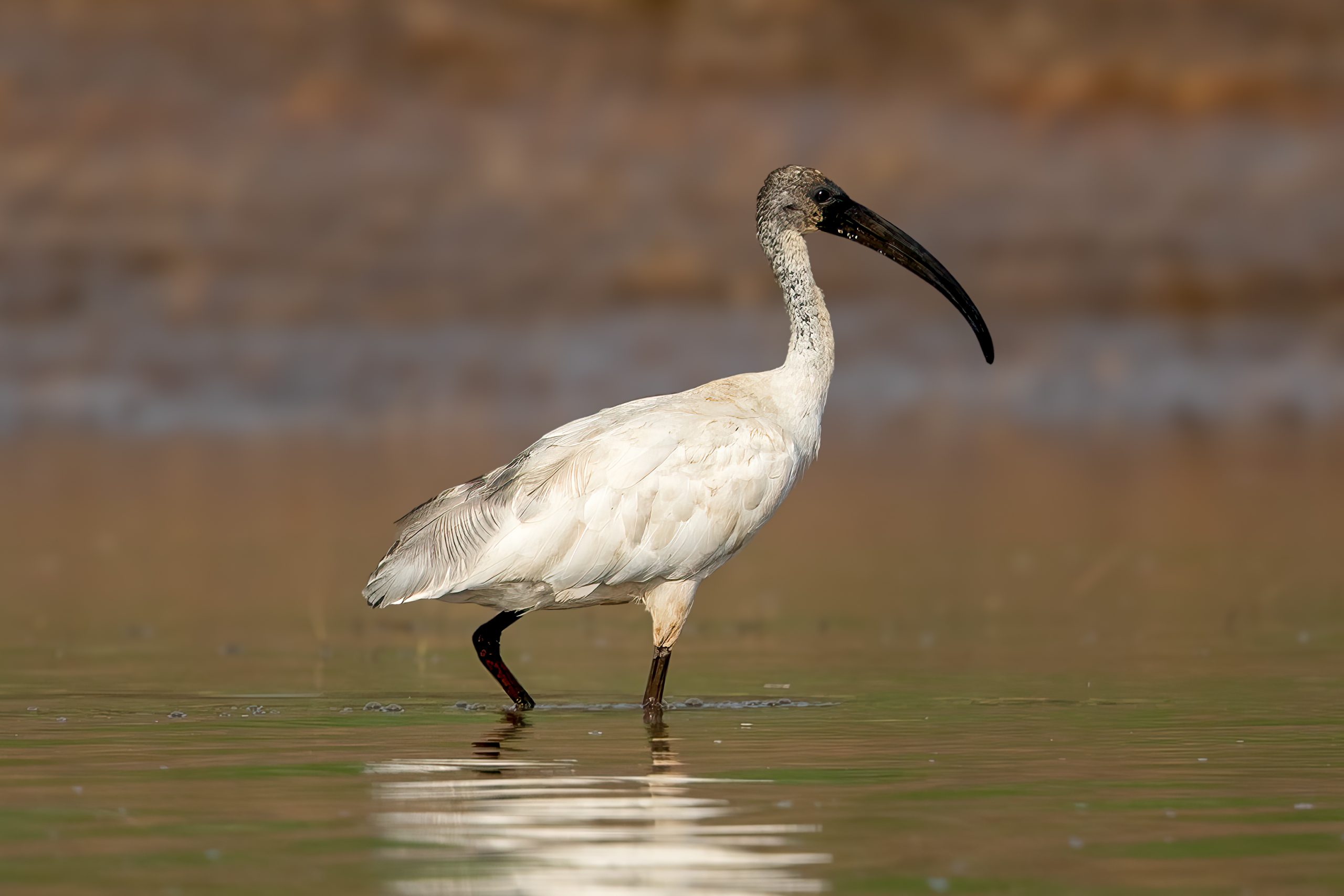
Researchers recorded a breeding colony of black-headed ibises (Threskiornis melanocephalus) at Satkhanda Choraha near the Nimbahera–Chittorgarh highway in Rajasthan, India. From June to September 2025, they counted 50 nests in just two babul trees (Vachellia nilotica): 29 in one tree and 21 in the other.
The colony was unusual because the nesting trees stood inside a settlement rather than in or immediately beside water. They were only about 1–2 metres from buildings, while the nearest water was roughly 200 metres away. Most nests were high in the canopy.
Urban nesting may reflect loss of suitable trees near wetlands
The authors interpret the colony as evidence that black-headed ibises can use human-dominated areas when suitable nesting trees near wetlands are scarce. In discussing why these sites may work, they draw on earlier studies suggesting that thorny trees can restrict access by ground predators such as snakes, while a dense canopy can shelter chicks and reduce the risk of them falling directly to the ground. Nesting high in the canopy may also make it easier for the adults to land at the colony.
Field visits in southern Rajasthan also revealed extensive cutting of Vachellia and Ficus trees around water bodies. The researchers identify this loss of potential nesting trees as a threat not only to black-headed ibis but to other colonial waterbirds. They recommend protecting existing nesting trees and planting more trees around water bodies to maintain breeding habitat for these birds.
Ecology
Related news

Inland Mute Swans Had Higher Winter Body Condition Despite Harsher Winters and Supplemental Feeding
A study of 853 mute swans from four Polish wintering regions found higher body condition inland than on…
Read story →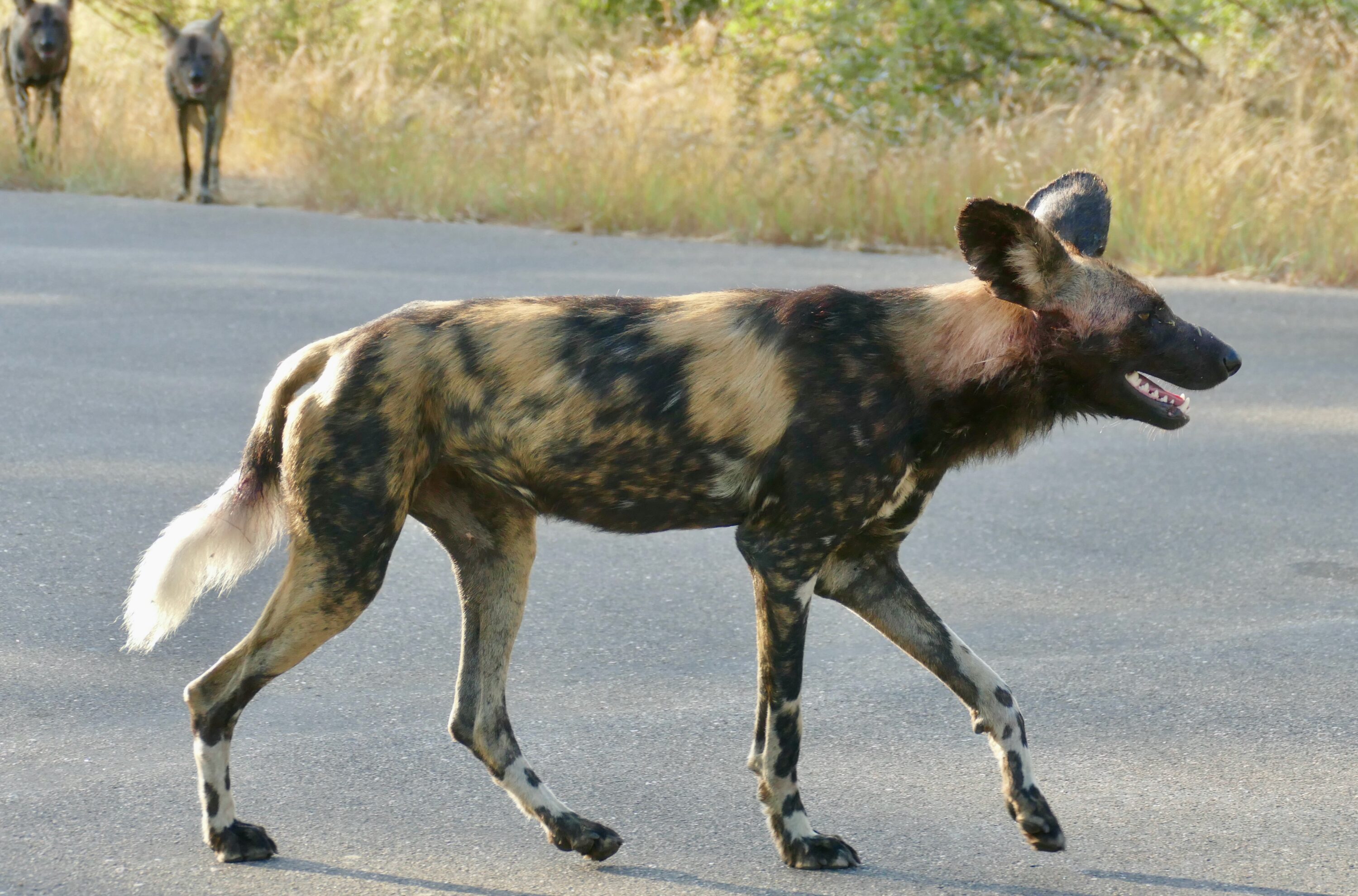
Gut Microbiomes Across Nine Kruger Mammals Clustered More Strongly by Dietary Group Than Species
A study of 89 quality-filtered faecal samples from nine wild mammals in Kruger National Park found that carnivores,…
Read story →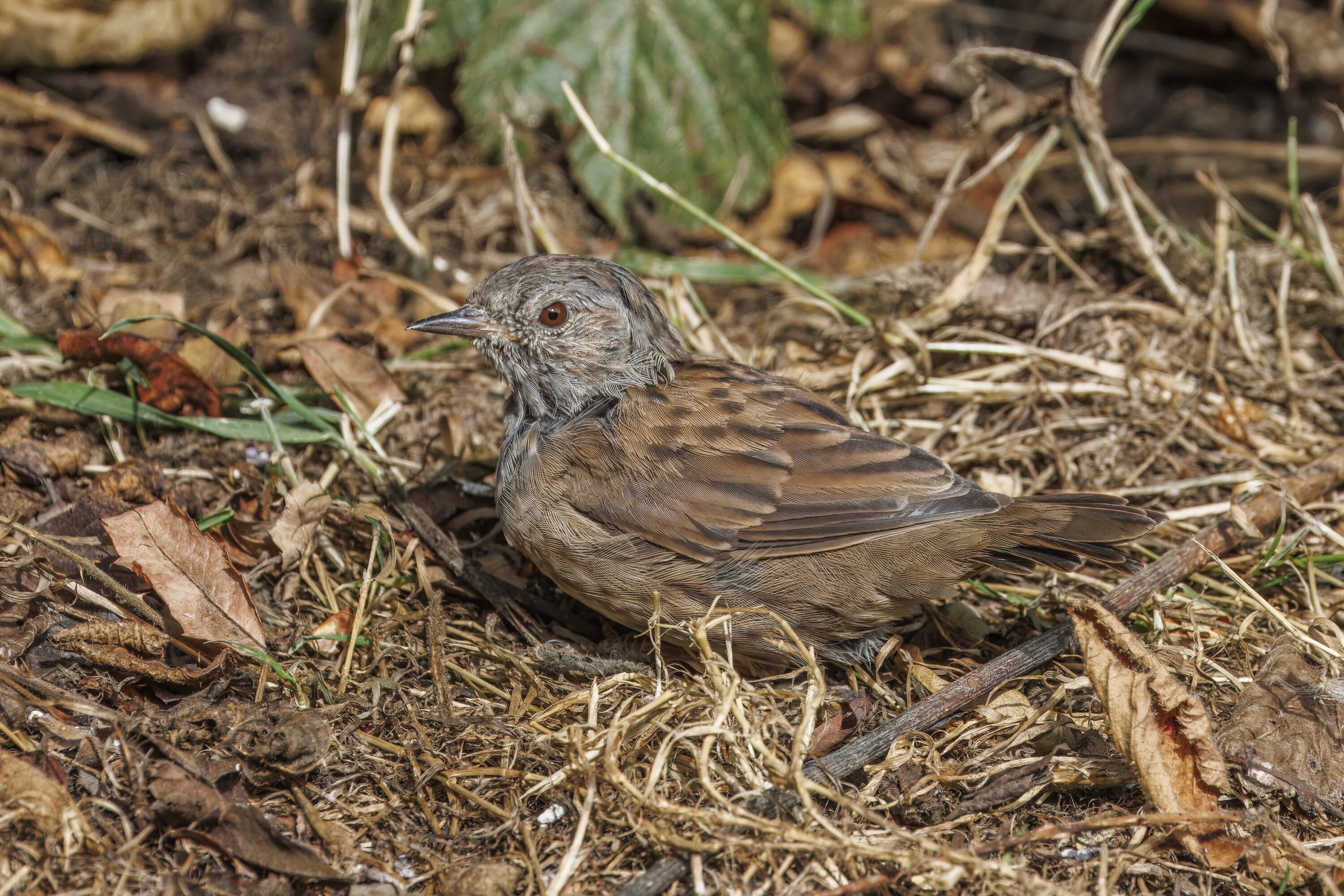
Dunnock Spring Passage Advanced by Up to 8.3 Days Over 61 Years at Hel
Standardised ringing data from northern Poland showed that the first, median and last phases of dunnock spring passage…
Read story →SPECIES IN THIS STORY
Species in this story
Independent research and conservation news archive
Did you find this information useful?
Wildlife Vagabond is independently built and maintained. Voluntary support helps cover source verification, hosting and continued work on research and conservation news.
Support Wildlife VagabondThe news archive will remain freely available.