
Foreign Egg Patterns Caused Short-term Changes in Egg Recognition by Grey Bushchats
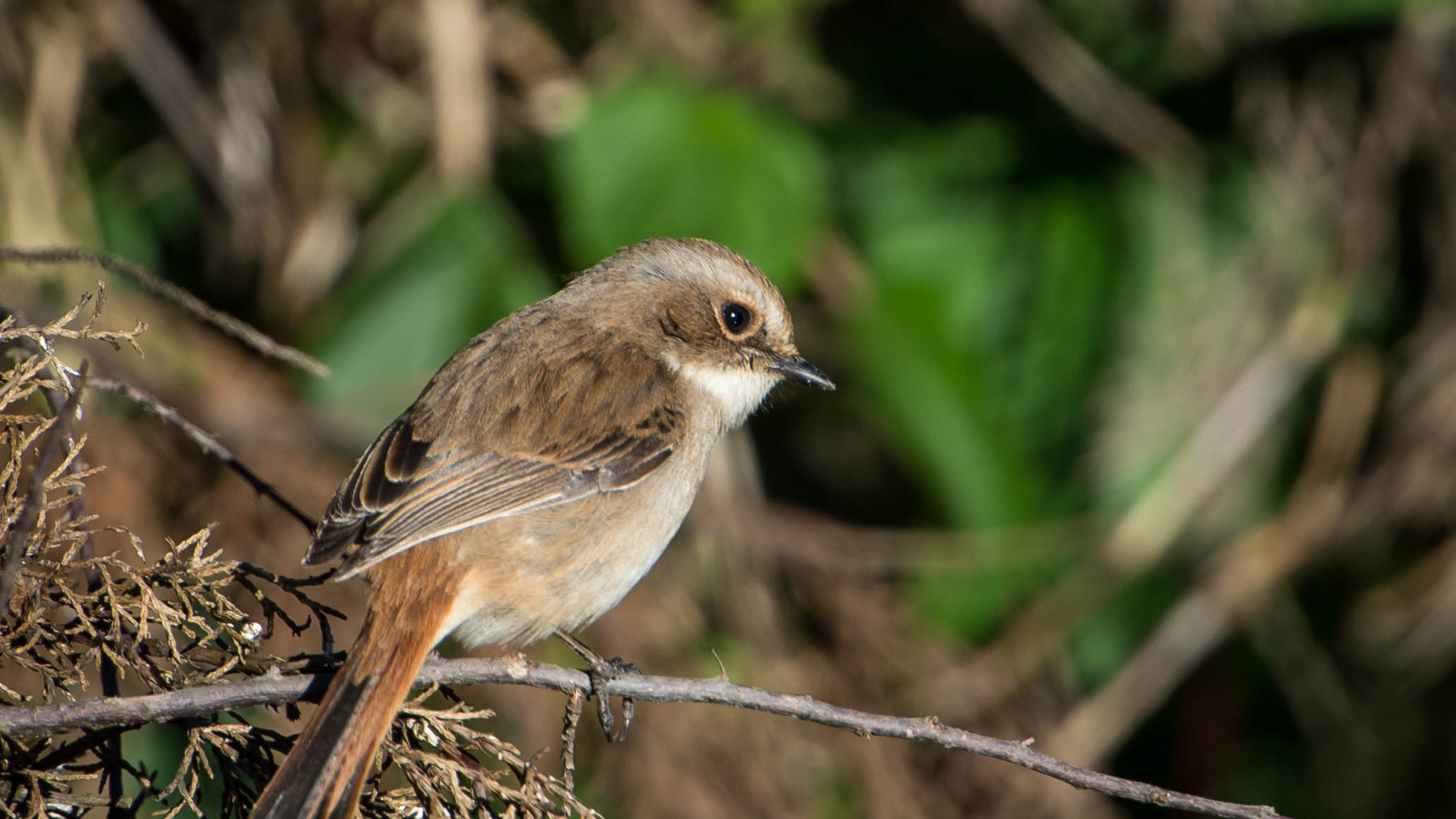
Exposure to unfamiliar egg patterns changed later egg-rejection decisions in grey bushchats (Saxicola ferreus), a host of the common cuckoo (Cuculus canorus), according to experiments published on 28 March 2026. The study in China tested whether short-term learning and memory of foreign egg appearance can influence how hosts judge later eggs.
The researchers manipulated both the background appearance and markings of experimental eggs. Grey bushchats did not respond only to a fixed image of what their own eggs should look like: experience with foreign eggs could alter the recognition threshold used in subsequent decisions.
Rejecting a foreign egg changed later decisions
When parasitic-style markings appeared on an unfamiliar egg, the birds could shift from accepting to rejecting it. More importantly, short-term learning associated with rejecting such eggs increased the likelihood that the birds later rejected their own-type eggs when those eggs carried similar markings.
The authors describe this as a short-term imprinting effect from the foreign egg phenotype. In practical terms, an experience that helps a host identify a parasitic-looking egg can temporarily influence how it evaluates similar visual signals afterwards.
Spots and lines produced different responses
The type of marking also mattered. When the foreign egg carried conventional cues such as a different background colour or spotted markings, grey bushchats responded particularly strongly to spotted patterns. When the birds were instead exposed to distinctly linear markings, later rejection of conspecific-type eggs with linear markings increased.
In the absence of prior foreign-egg signals, rejection of the test eggs was significantly lower. This comparison supports the authors’ conclusion that experience itself altered the later response rather than the markings acting only as fixed, universally rejected cues.
Behaviour
Related news
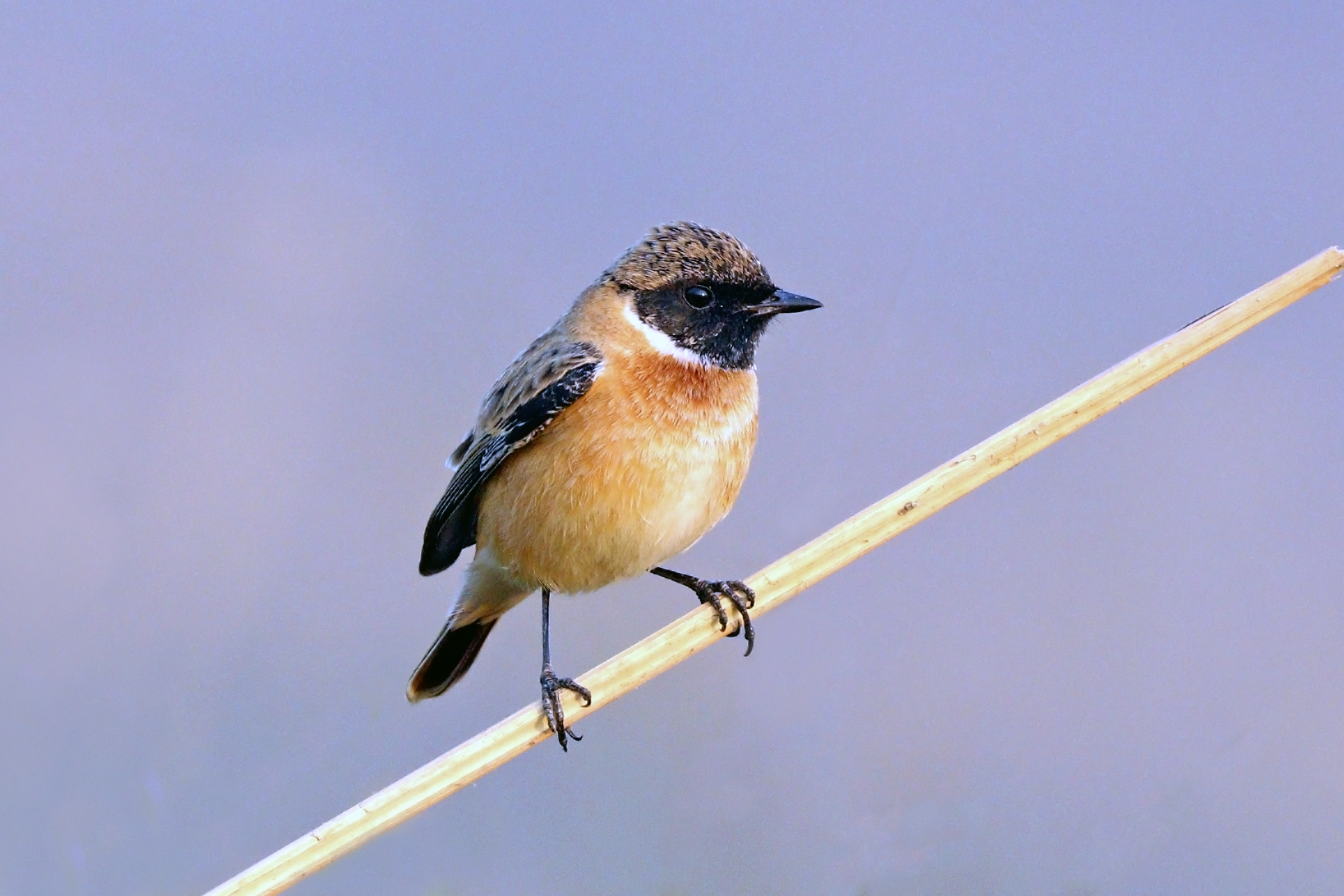
Egg Rejection Did Not Clearly Increase After Cuckoo Arrival in Two Host Species
Grey bushchats and Siberian stonechats showed no clear increase in foreign-egg rejection after common cuckoos arrived. The result…
Read story →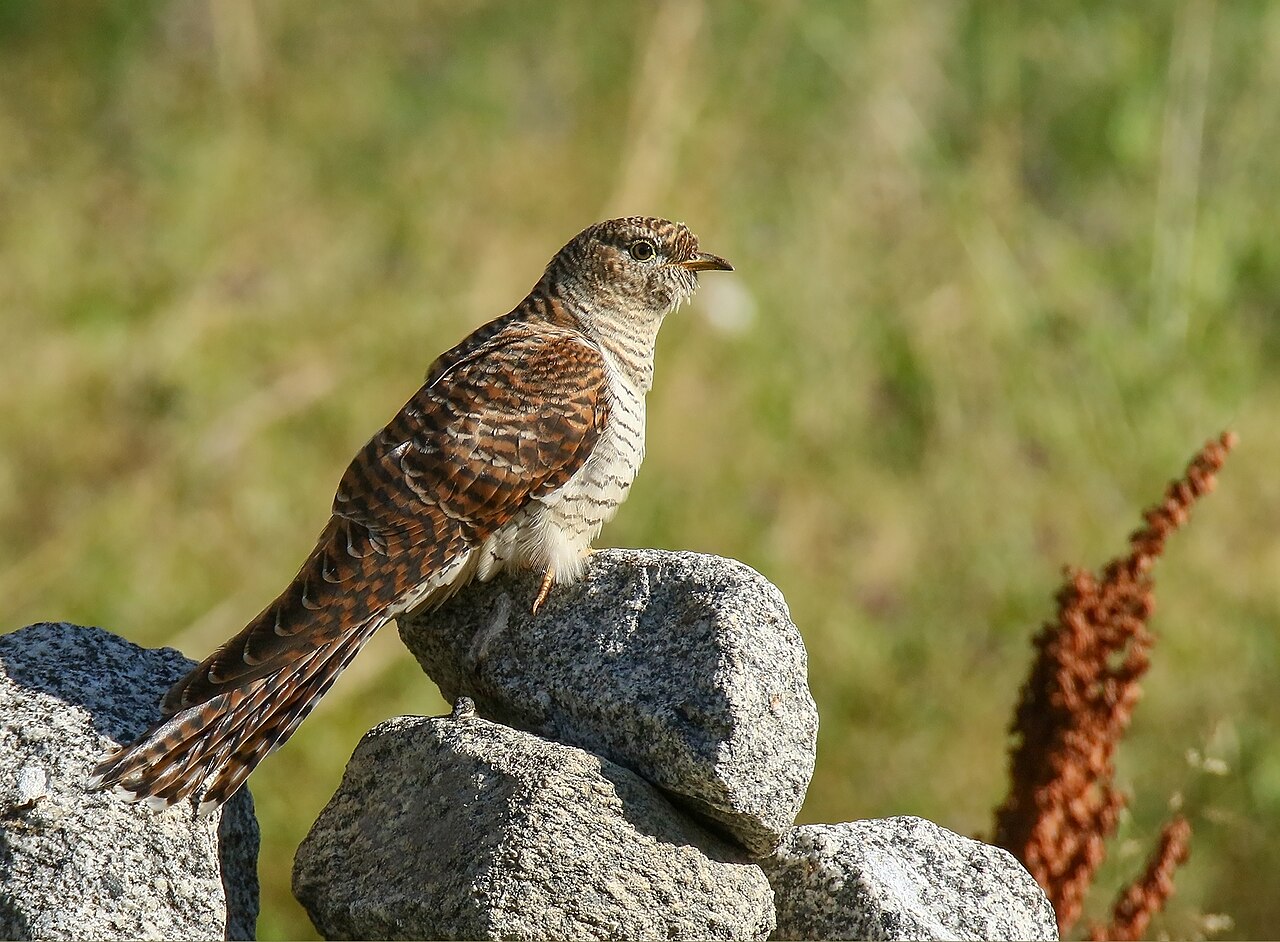
Cuckoos Use Two Different Strategies to Lay Eggs in Redstart Nests
Video from Finnish redstart nest boxes provides the first direct evidence that common cuckoos use two egg-laying strategies,…
Read story →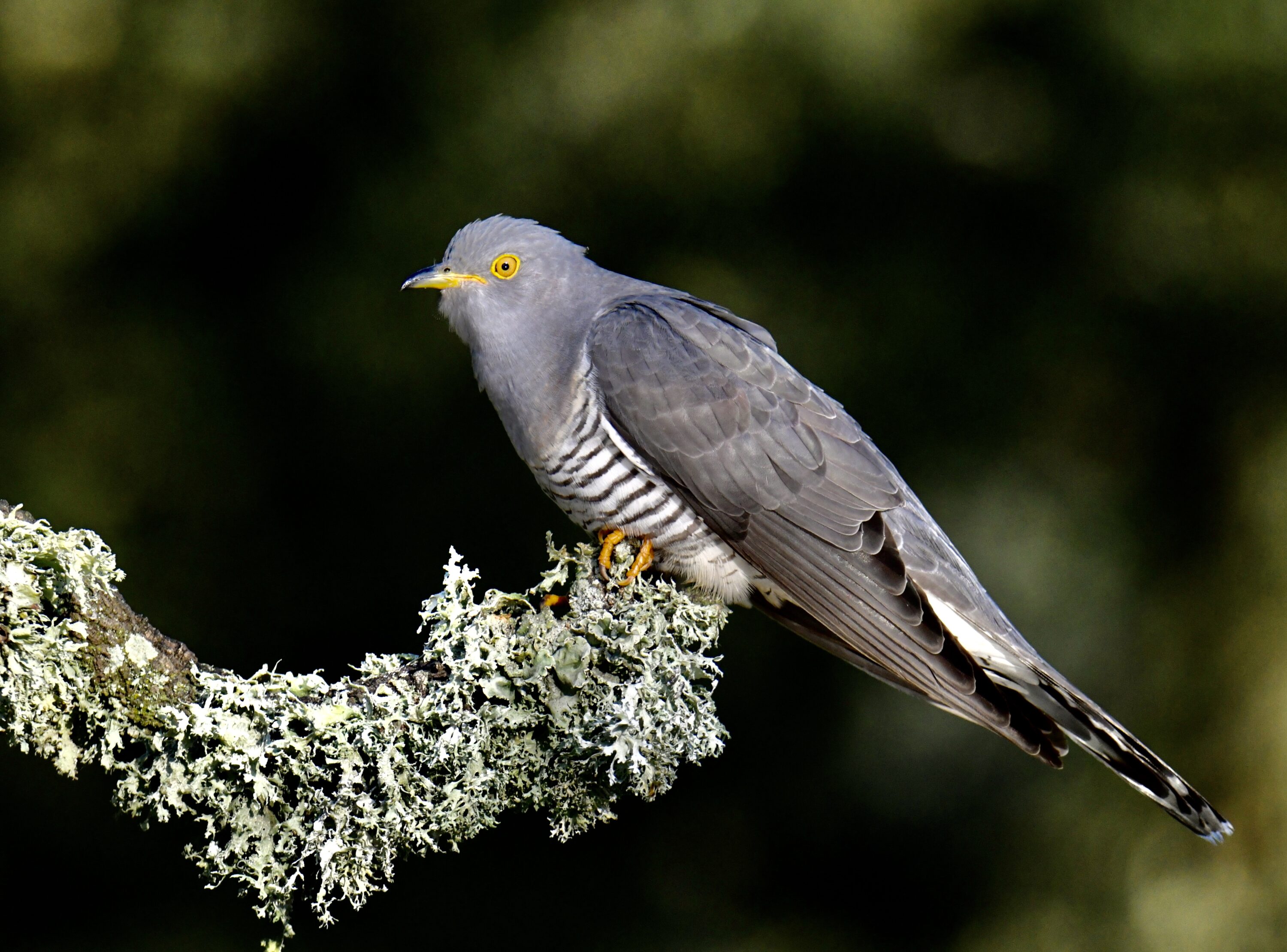
Models Highlighted Iberian Mountains and the Po Watershed as Key Stopover Regions for UK Common Cuckoos
Models based on satellite tracks from 88 UK-breeding male common cuckoos highlighted Iberian mountain ranges and the Po…
Read story →SPECIES IN THIS STORY
Species in this story
Independent research and conservation news archive
Did you find this information useful?
Wildlife Vagabond is independently built and maintained. Voluntary support helps cover source verification, hosting and continued work on research and conservation news.
Support Wildlife VagabondThe news archive will remain freely available.