
Dry Weather and Snow-Covered Ground Improved Genetic Monitoring From Rock Ptarmigan Droppings
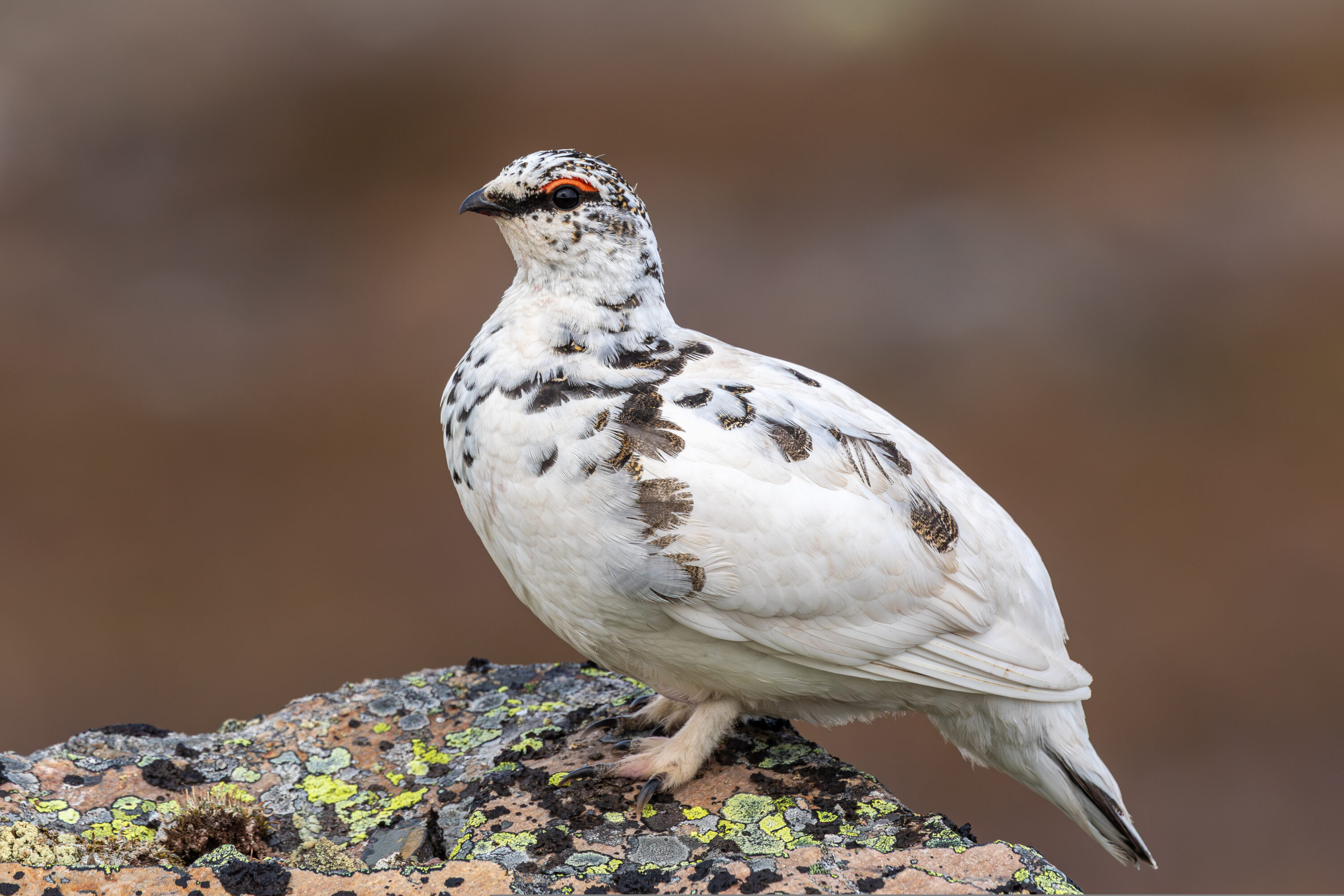
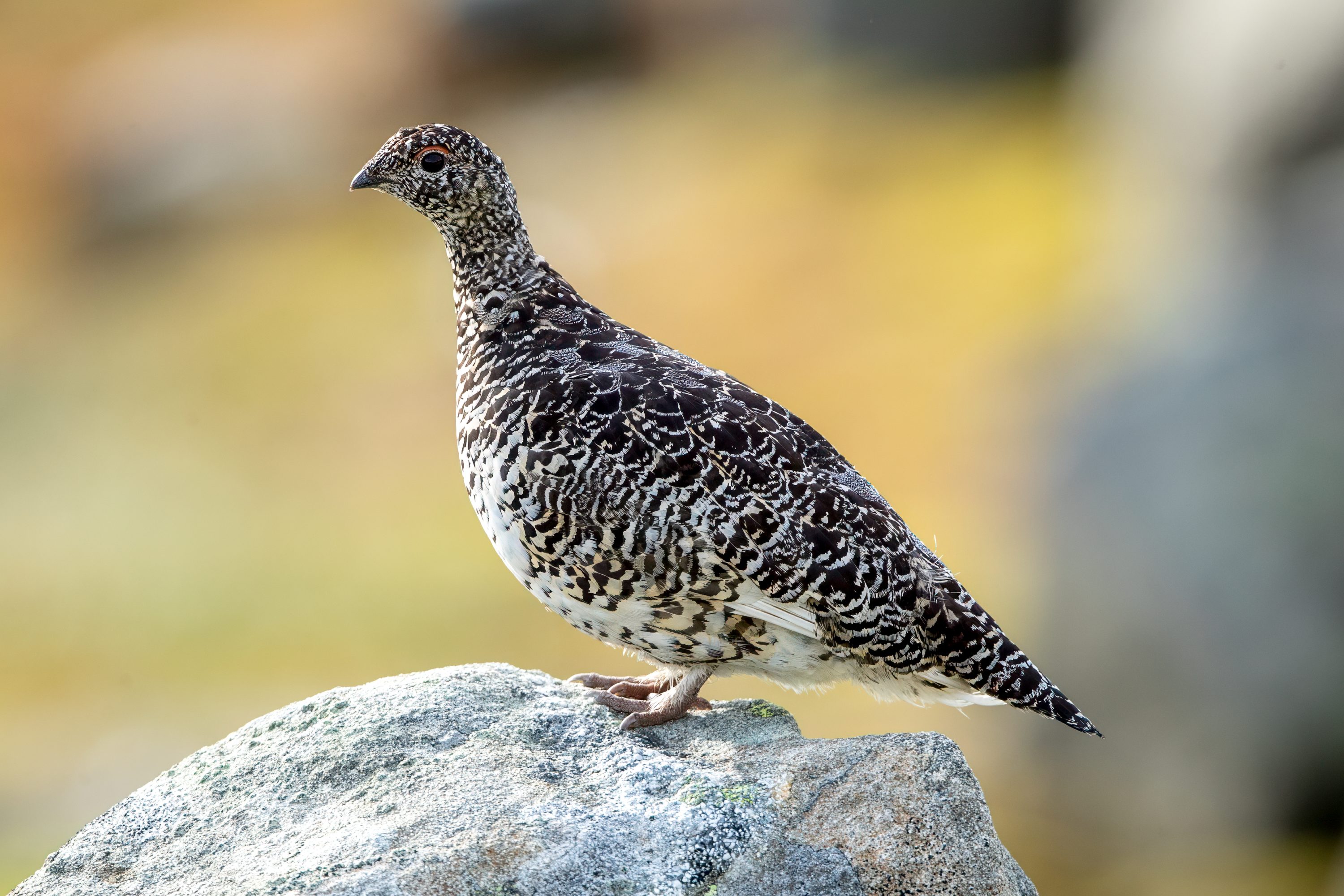
Fresh rock ptarmigan (Lagopus muta) droppings collected on dry days and from snow-covered ground produced the most reliable genetic samples in a two-year study in the French Alps. The work, published in Wildlife Biology on 5 August 2026, tested whether late-spring feces can be used for non-invasive monitoring of individual birds.
The researchers collected 338 fecal samples during two spring seasons and attempted to genotype them at 19 microsatellite markers. Microsatellites are short, repeated DNA regions that vary among individuals; combining several markers can therefore create a genetic fingerprint for distinguishing birds. Of the full sample, 103 produced usable genotypes, an overall success rate of 30.5%. Success differed sharply between years: 41.2% of samples were usable in 2021 compared with 24.7% in 2022. Five markers with null alleles were removed; the remaining 14 markers allowed the 103 usable samples to be assigned reliably to 26 individual birds.
Field conditions shaped genotyping success
Field conditions mattered. Fresh, well-preserved feces performed better, and samples collected on snow were usable more often than those from grass or rock. The authors therefore recommend collecting fresh samples on dry days and, when possible, from snow-covered ground, where cold and dry conditions slow DNA degradation. Samples collected within two metres of one another at the same roost belonged to the same bird, but beyond such roosts distance did not reliably indicate identity. To reduce duplicate sampling, the authors recommend taking only one sample per roost and spacing other samples by more than two metres.
Uric acid complicated DNA extraction
The laboratory work revealed a second complication. Uric acid can reduce the efficiency of DNA extraction from bird feces, even though a visible uric-acid tip can help indicate that a sample is fresh. The authors therefore stress that extraction kits and protocols must be compatible with this material rather than simply applying procedures that work well for mammal feces.
The study addresses a practical monitoring problem: rock ptarmigan are difficult to see, capture and survey in high-elevation terrain. Late-spring fecal sampling can identify individuals genetically, but the 30.5% overall success rate shows how strongly the result depends on sample condition, weather and laboratory protocol.
Other research
Related news
Record Ptarmigan Numbers and a Good Breeding Year for Alaska’s Gyrfalcons
Surveys on Alaska’s Seward Peninsula recorded the highest ptarmigan numbers in eleven years of monitoring. Gyrfalcons also had…
Read story →
Svalbard Ptarmigan and Golden Hamsters Shared a TSH Pathway for Seasonal Timing
A comparison of neuroendocrine tissue in summer- and winter-like states found the same core TSH seasonal-timing pathway in…
Read story →
Rock Ptarmigan Kept a Narrower Diet as Willow Ptarmigan Expanded Its Spring Niche in Central Norway
At Lifjellet, DNA metabarcoding showed that willow and rock ptarmigan shared many food plants but used them in…
Read story →SPECIES IN THIS STORY
Species in this story
Independent research and conservation news archive
Did you find this information useful?
Wildlife Vagabond is independently built and maintained. Voluntary support helps cover source verification, hosting and continued work on research and conservation news.
Support Wildlife VagabondThe news archive will remain freely available.