
Two Gandak River Turtle Species Used Main Channel and Pebbly Tributaries Differently
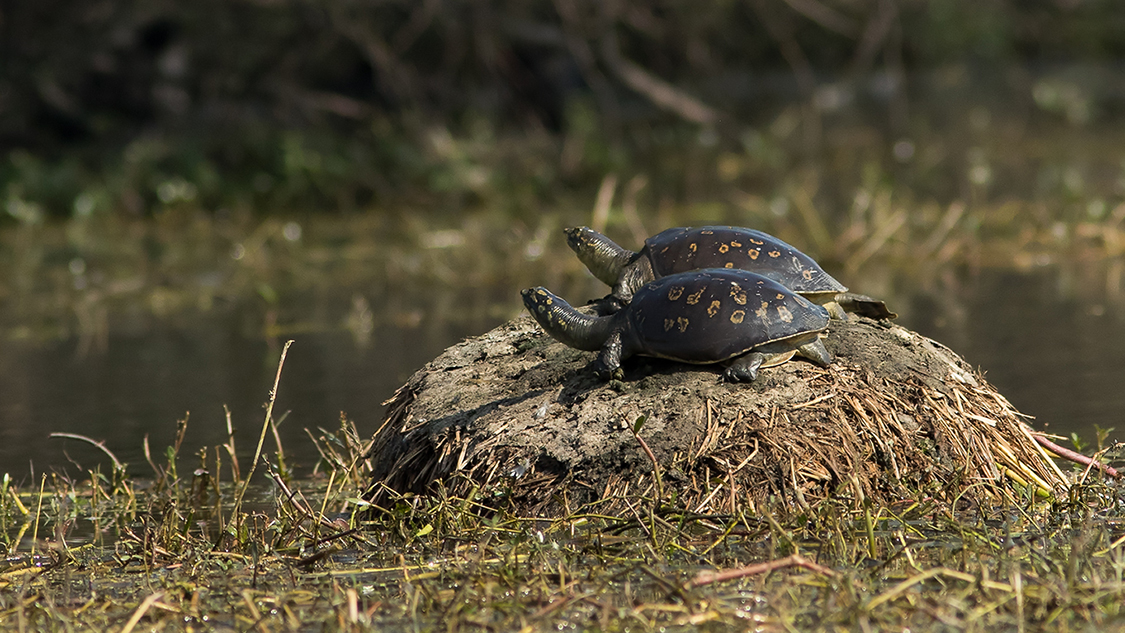
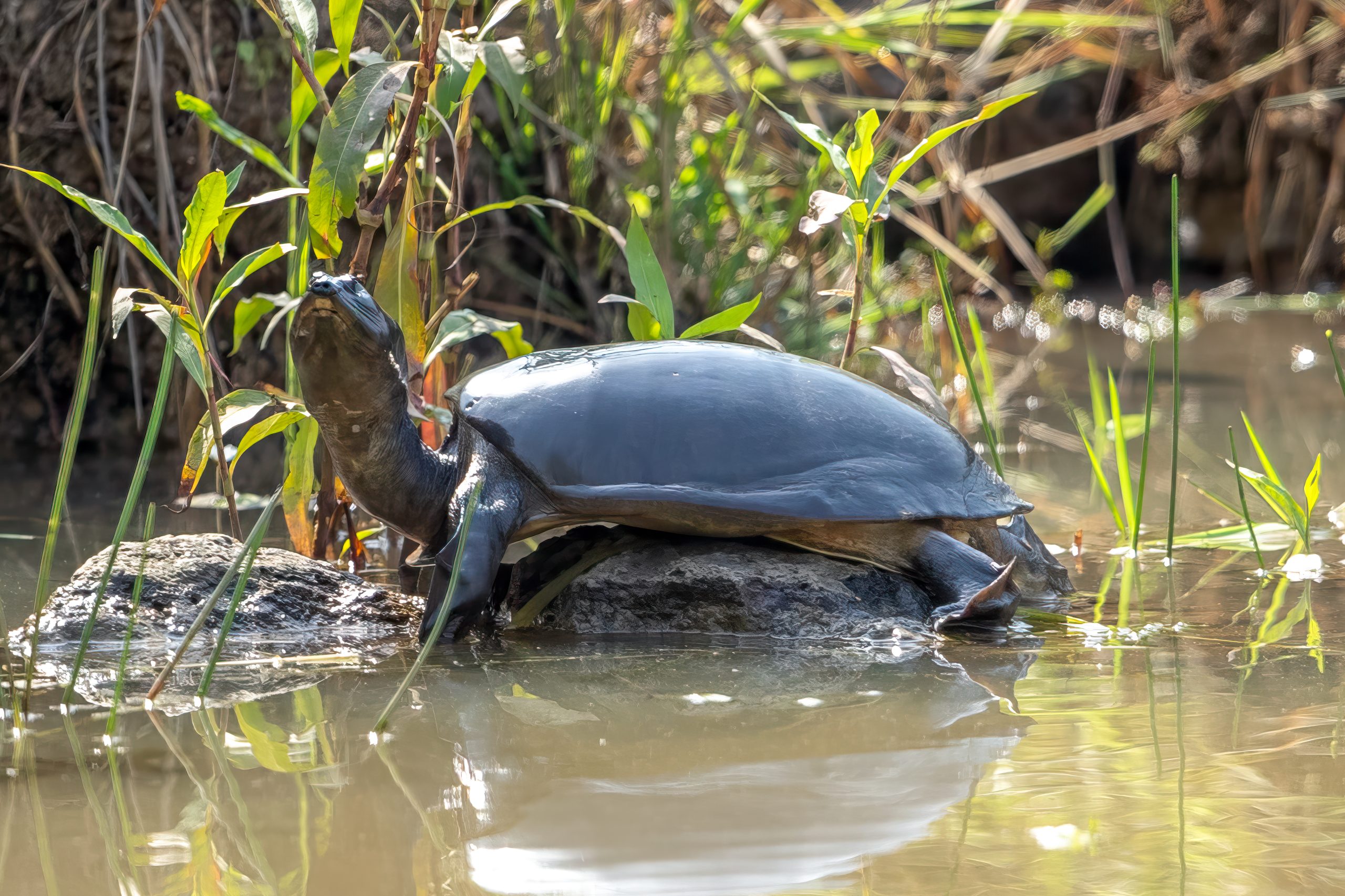
A study published in 2026 found clear habitat partitioning between Indian flapshell turtles (Lissemys punctata) and Indian roofed turtles (Pangshura tecta) in the Gandak River system in northern India. Indian roofed turtles were found only in smaller, pebble-dominated tributaries, while Indian flapshell turtles occurred at all four study sites and were encountered more often in the main river channel.
Encounter rate describes how often turtles were found during standardised survey effort. A higher winter rate therefore means the researchers encountered the species more frequently under winter survey conditions; it is not by itself evidence that the total population was larger in winter.
Researchers surveyed the sites across seasons while measuring hydrological and physicochemical conditions. They recorded 69 turtles in total: 43 Indian flapshell turtles and 26 Indian roofed turtles. Morphometric measurements were also used to examine length–weight relationships and body condition.
Winter conditions favoured both turtle species
Encounter rates for both species peaked in winter and were associated with stable, clear-water conditions characterised by greater transparency and higher pH together with lower temperature and flow. No turtles were captured or observed during the peak monsoon, when hydrological disturbance was highest.
The length–weight relationship was negatively allometric in both species: body mass increased less rapidly than expected if shape and proportions remained geometrically similar as the turtles grew. Condition factors indicated that body weights were generally consistent with the fitted length–weight relationships. The authors conclude that maintaining habitat heterogeneity and natural flow regimes is important for conserving the two turtles in the Gandak River system.
Ecology
Related news
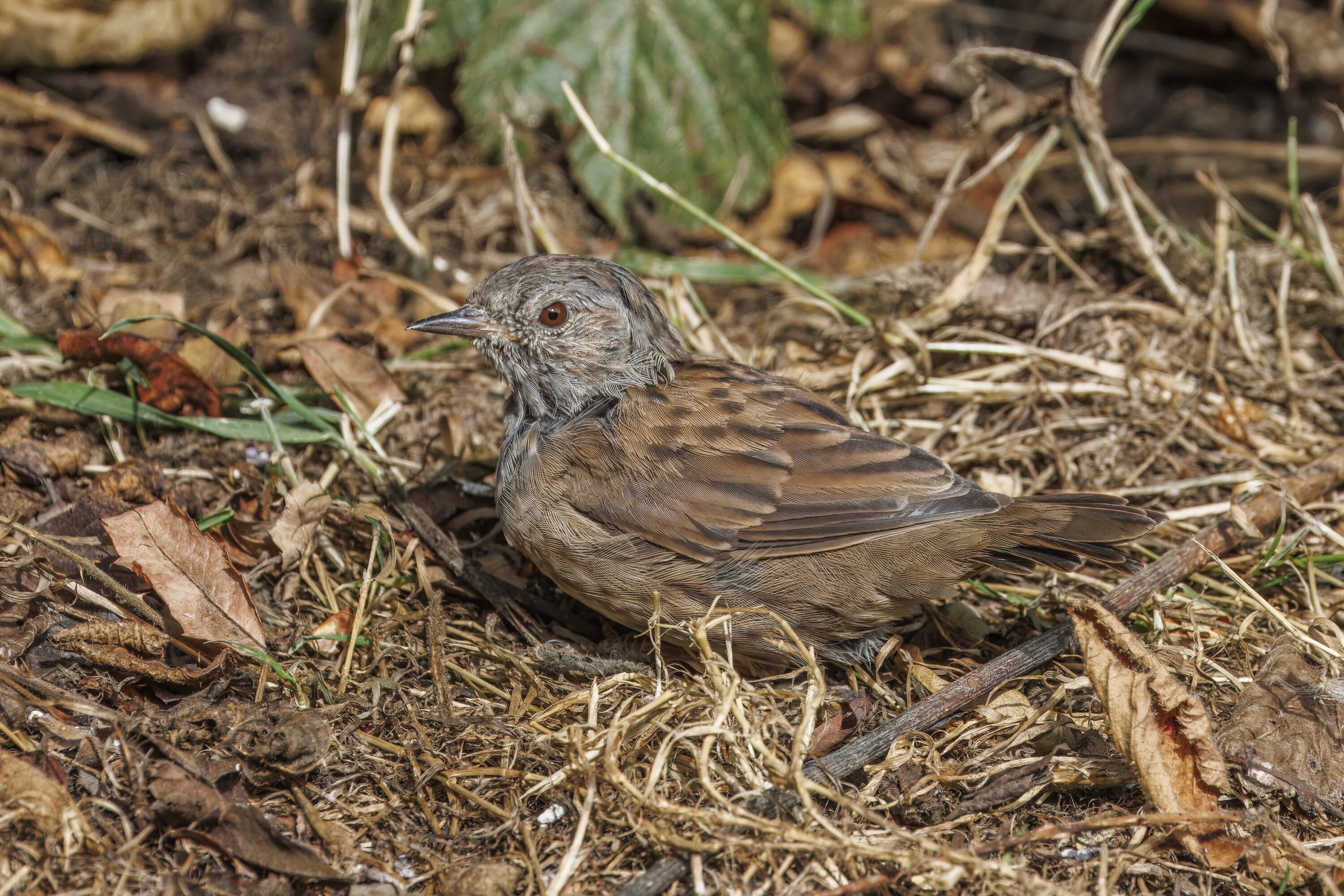
Dunnock Spring Passage Advanced by Up to 8.3 Days Over 61 Years at Hel
Standardised ringing data from northern Poland showed that the first, median and last phases of dunnock spring passage…
Read story →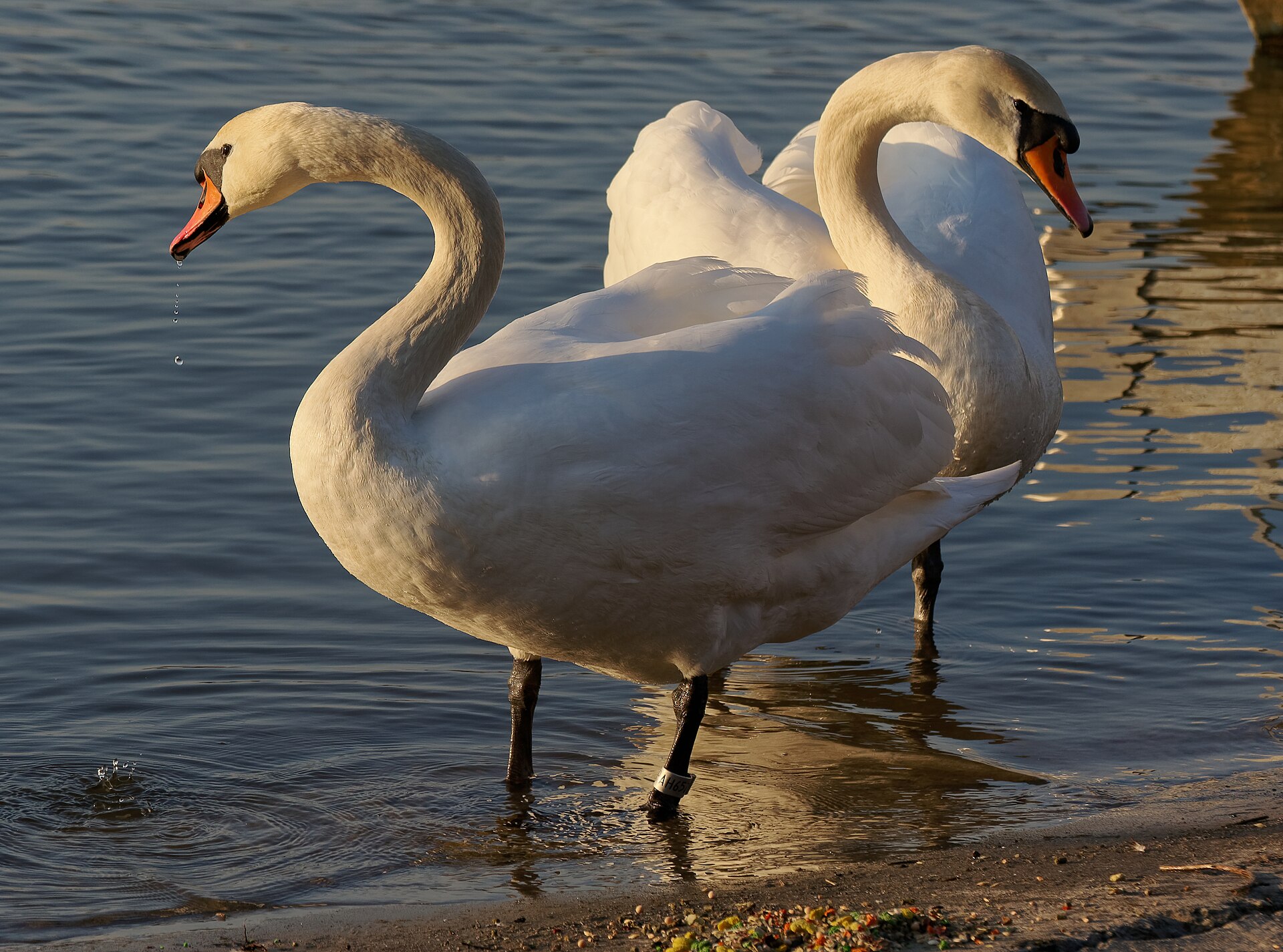
Inland Mute Swans Had Higher Winter Body Condition Despite Harsher Winters and Supplemental Feeding
A study of 853 mute swans from four Polish wintering regions found higher body condition inland than on…
Read story →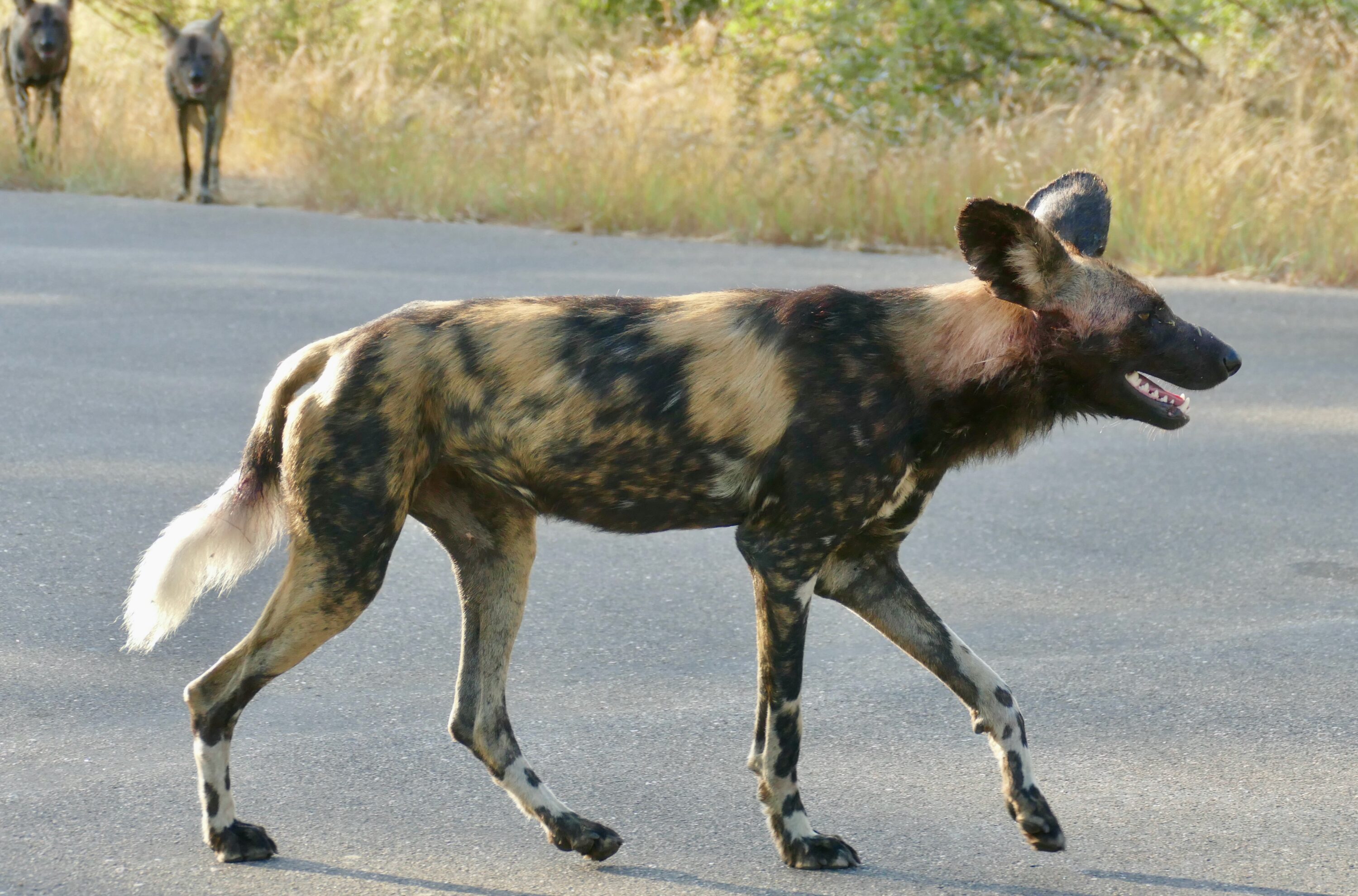
Gut Microbiomes Across Nine Kruger Mammals Clustered More Strongly by Dietary Group Than Species
A study of 89 quality-filtered faecal samples from nine wild mammals in Kruger National Park found that carnivores,…
Read story →SPECIES IN THIS STORY
Species in this story
Independent research and conservation news archive
Did you find this information useful?
Wildlife Vagabond is independently built and maintained. Voluntary support helps cover source verification, hosting and continued work on research and conservation news.
Support Wildlife VagabondThe news archive will remain freely available.