
Highly Motile Giraffe Sperm Could Still Be Recovered Six Hours After Death
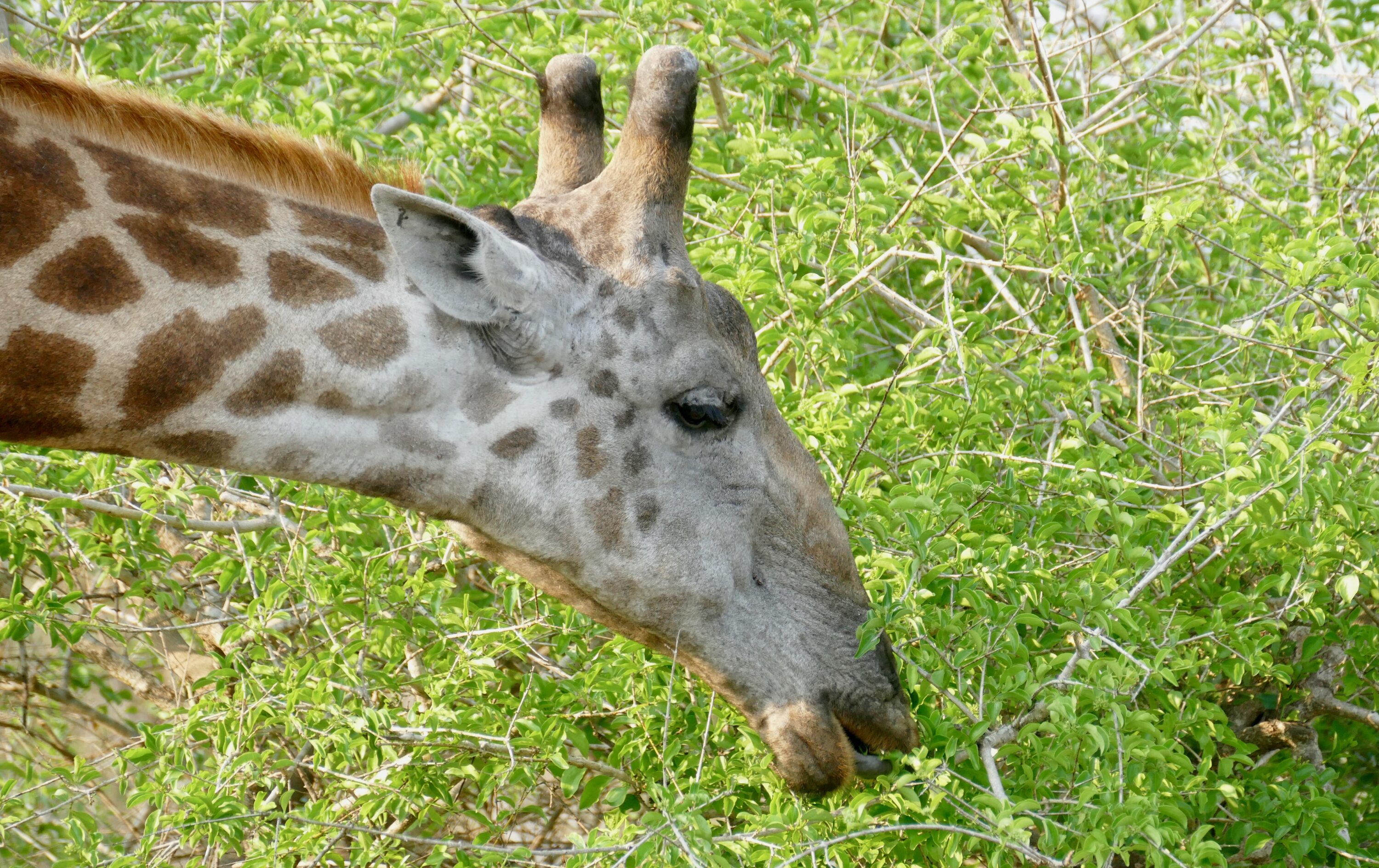
Highly motile sperm could still be recovered from South African giraffe bulls (Giraffa giraffa giraffa) six hours after death. The study used testes from 12 culled males to test how long epididymal sperm remained suitable for preservation and which of two media worked best for chilled or frozen storage.
Mature sperm are stored in the tail of the epididymis, a duct attached to the testis. This makes it possible to recover genetic material after an animal has died when semen could not be collected beforehand. In this study, intact scrotal sacs were kept at 5°C before sperm was recovered immediately or four, six or eight hours after death.
Useful sperm could still be recovered after six hours
Sperm quality changed little through the first six hours, with total motility remaining above 75%. By eight hours, however, motility had fallen below 20%. The authors therefore identify about six hours under the study’s refrigerated handling conditions as a practical window for recovering epididymal sperm without a marked loss of quality.
The best preservation medium depended on whether sperm was chilled or frozen
The researchers compared a tris–egg-yolk extender (TEY) with a proprietary Ark Biotechnology flush buffer. After 72 hours of liquid storage at 4°C, the Ark buffer preserved higher mean motility: 62% compared with 44% in TEY.
Freezing reversed the result. Immediately after thawing, 70% of sperm in TEY remained motile compared with 25% in the Ark buffer. Two hours later, motility in TEY still averaged 65%, while no motile sperm remained in the Ark-buffer samples.
Post-mortem recovery could add material to genetic biobanks
The result is relevant to wildlife biobanking because valuable genetic material can become available unexpectedly after injury, euthanasia or management culling. Recovering epididymal sperm soon after death could preserve material that would otherwise be lost.
The study measured sperm motility, not whether the preserved cells could fertilise an egg or produce offspring, and only two bulls were represented at each of the six- and eight-hour extraction times. The work therefore establishes a promising recovery and preservation window rather than demonstrating fertility after storage.
Reproduction & development
Related news
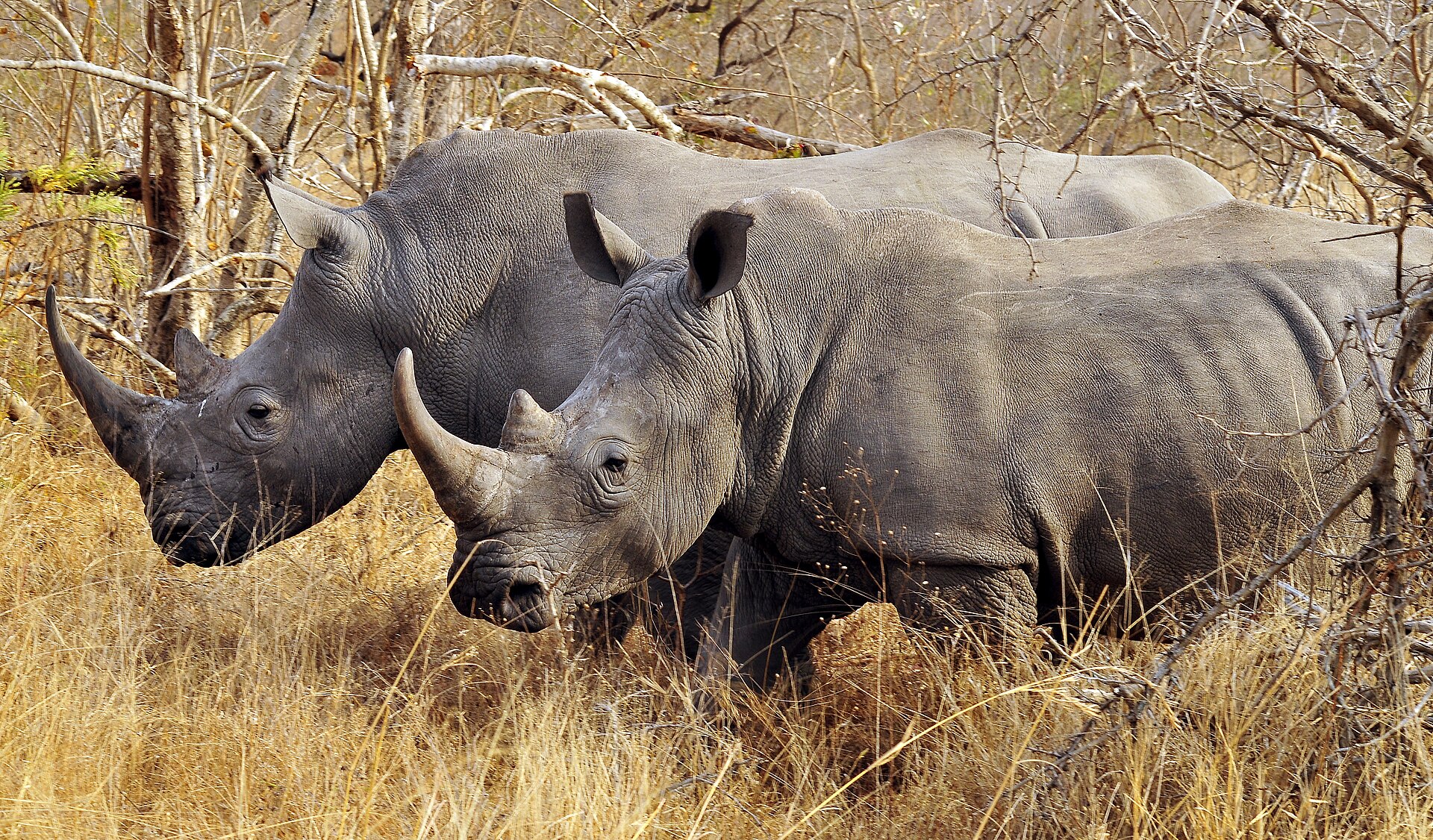
Giraffe and White Rhino Blood Samples Differed in 28 Metabolites
Blood samples from southern giraffes and white rhinoceroses differed in 28 metabolites across repeated statistical checks. Branched-chain amino…
Read story →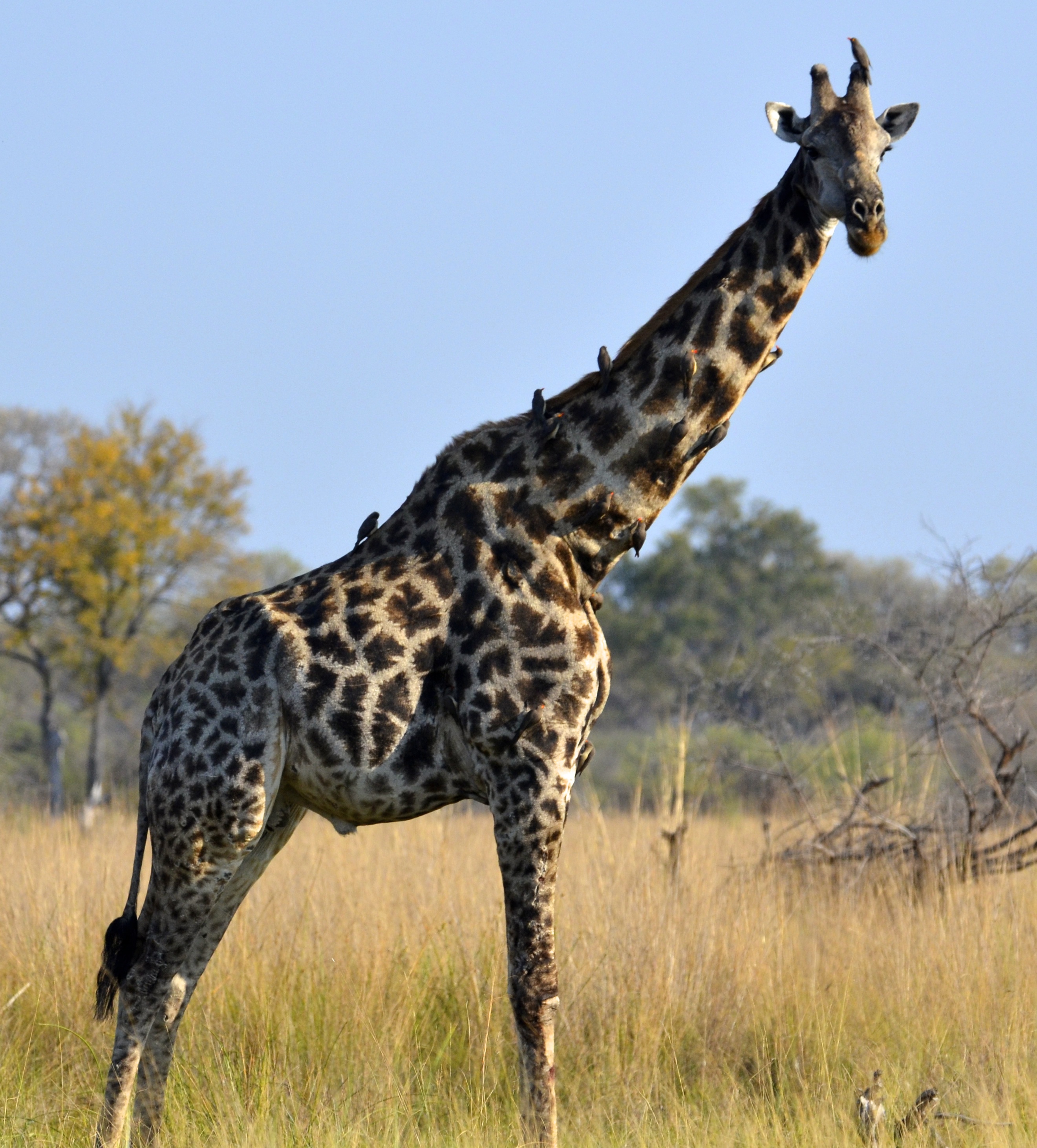
Organic Acids Fell as Amino Acids Rose in Giraffe Milk Late in Lactation
Milk from five giraffes in South Africa shifted chemically between about 9.4 and 15.1 months of lactation: Krebs-cycle…
Read story →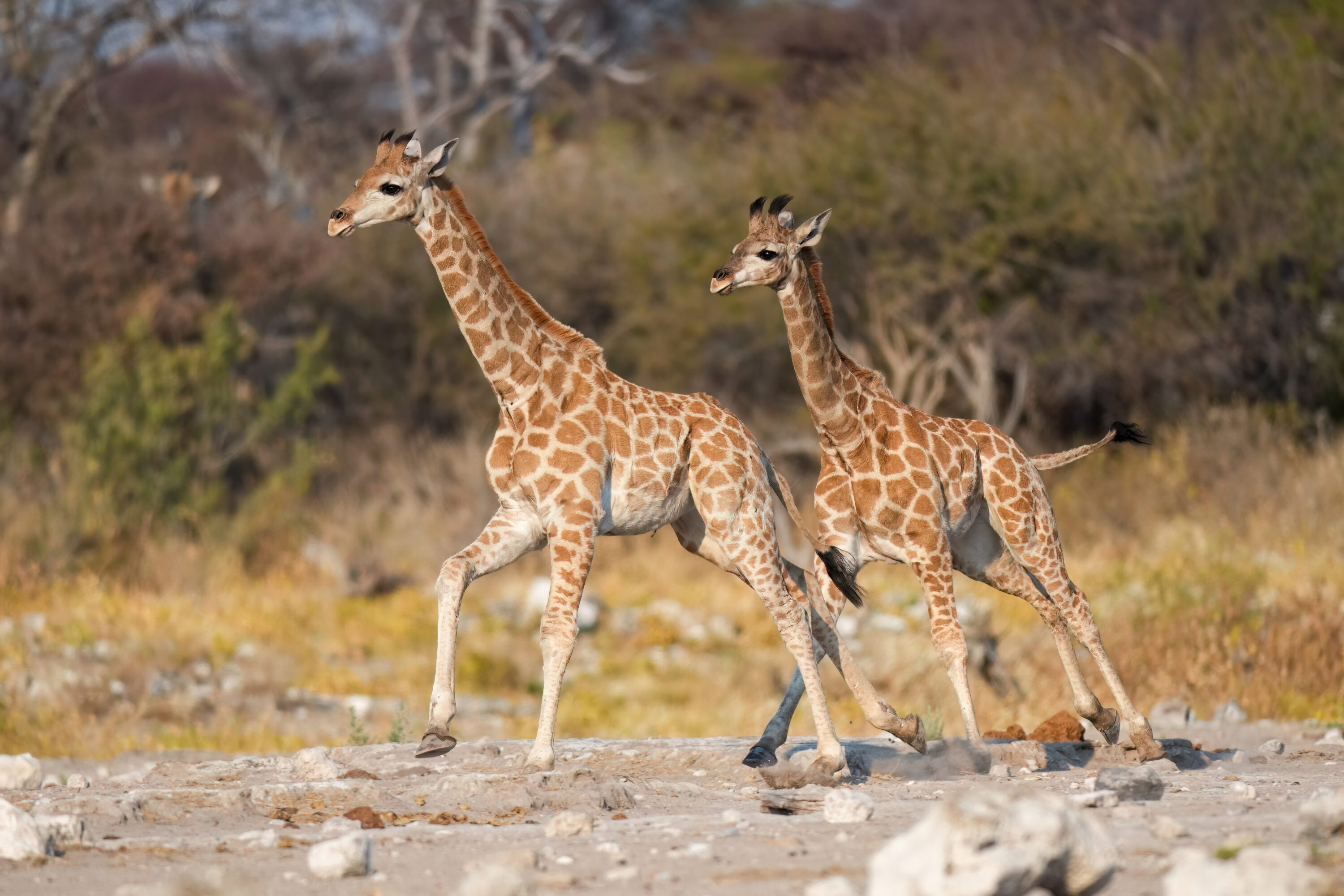
First Giraffe Calf Born in Iona Since Angolan Giraffes Were Reintroduced
A giraffe calf has been recorded in Angola’s Iona National Park for the first time since Angolan giraffes…
Read story →SPECIES IN THIS STORY
Species in this story
Independent research and conservation news archive
Did you find this information useful?
Wildlife Vagabond is independently built and maintained. Voluntary support helps cover source verification, hosting and continued work on research and conservation news.
Support Wildlife VagabondThe news archive will remain freely available.