
Helminth infections were more common in Volcanoes golden monkeys than in Gishwati
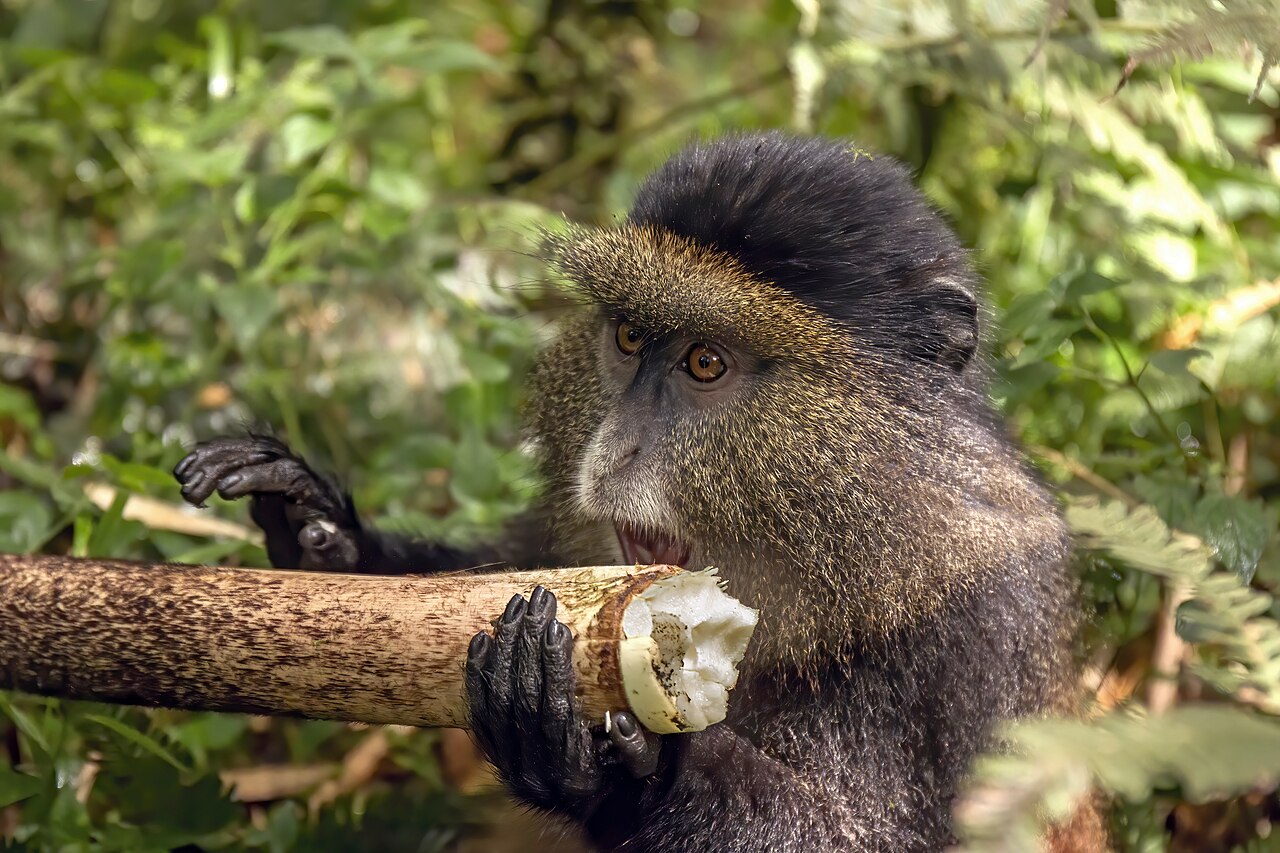
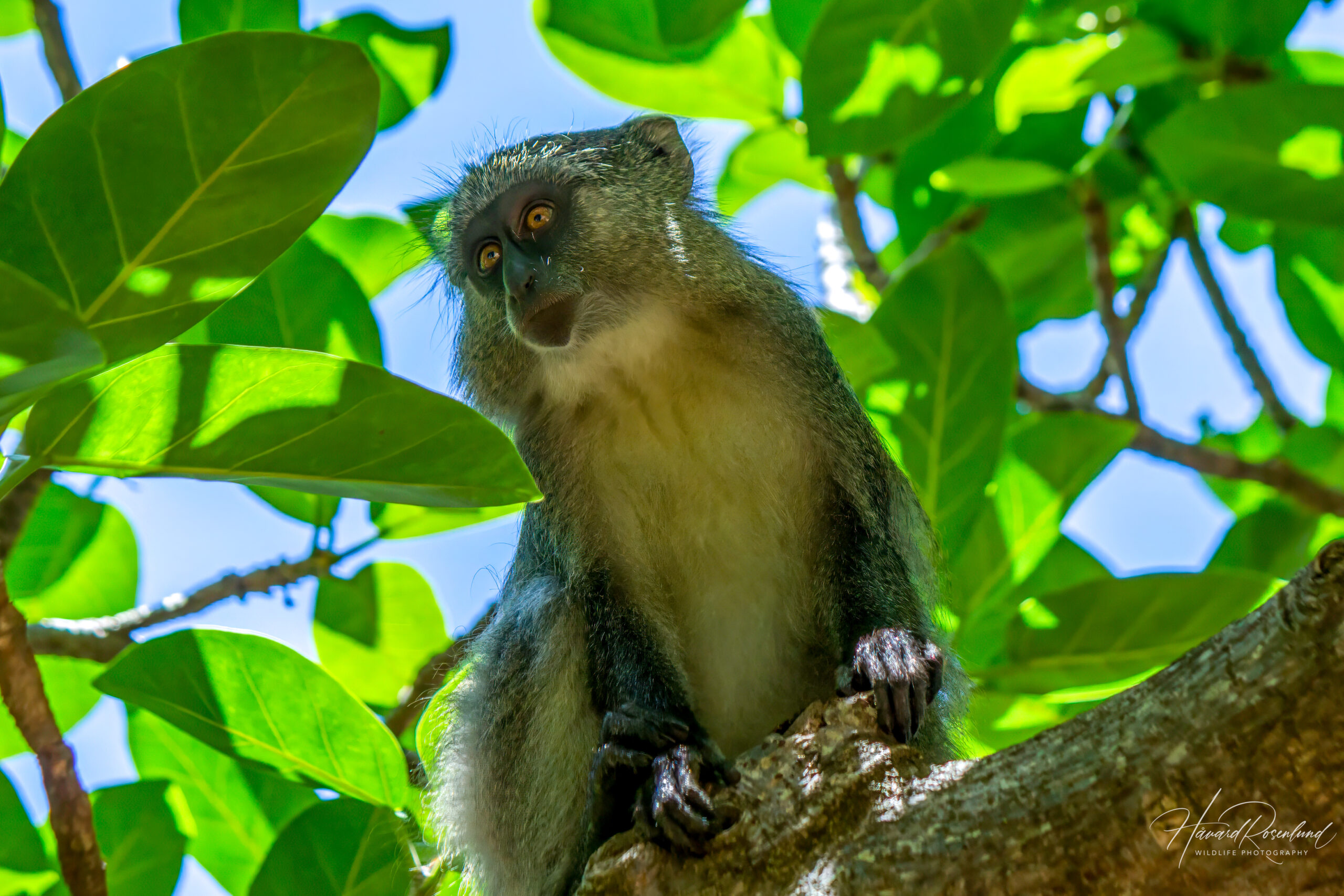
A 2026 study of Rwanda’s two remaining golden monkey populations found a higher prevalence of helminth infection in Volcanoes National Park than in Gishwati Forest. Helminths are parasitic worms that can infect the digestive tract and other tissues of their hosts. Golden monkeys are the distinctive subspecies Cercopithecus mitis kandti of the blue monkey, and the two populations now live in very different forest landscapes.
The larger population, numbering more than 4,000 animals, lives on the Virunga Massif, including Volcanoes National Park. The much smaller Gishwati population contains roughly 200 animals. The forests were once connected, but the researchers note that decades of deforestation have separated them and reduced forest cover substantially, particularly around Gishwati.
The study used records of helminths identified morphologically from faecal samples. The researchers compared the two populations and also examined indicators of contact with human-modified areas, including crop foraging and distance from the forest edge.
Helminth richness was similar, but infection prevalence differed
Both populations had the same helminth richness, meaning that the number of helminth types detected was similar. Their infection patterns nevertheless differed. Golden monkeys in Volcanoes National Park had a higher overall prevalence of helminth infection and were more often infected with several helminth taxa at the same time than animals in Gishwati Forest.
Forest-edge effects differed between parasite patterns
Forest edges were also associated with some infection patterns. In Gishwati, samples collected closer to the forest edge were more likely to contain at least one helminth taxon; the same relationship was not detected in Volcanoes National Park. For Capillaria, however, distance from the forest edge was important in both populations: infection became less likely farther from the edge. Groups that foraged on crops or lived near forest edges also had a higher prevalence of Capillaria infection.
The authors interpret the results as suggesting that population density, how permeable forest edges are to animal movement, and human presence outside the forest may influence parasite-infection risk. The contrast is not simply one of greater parasite diversity in one forest, since helminth richness was the same in both populations; rather, the prevalence and frequency of multiple infections differed.
The two populations provide an initial comparison of parasite-related health risks under very different ecological conditions after long-term forest loss and fragmentation.
Disease, parasites & microbiology
Related news
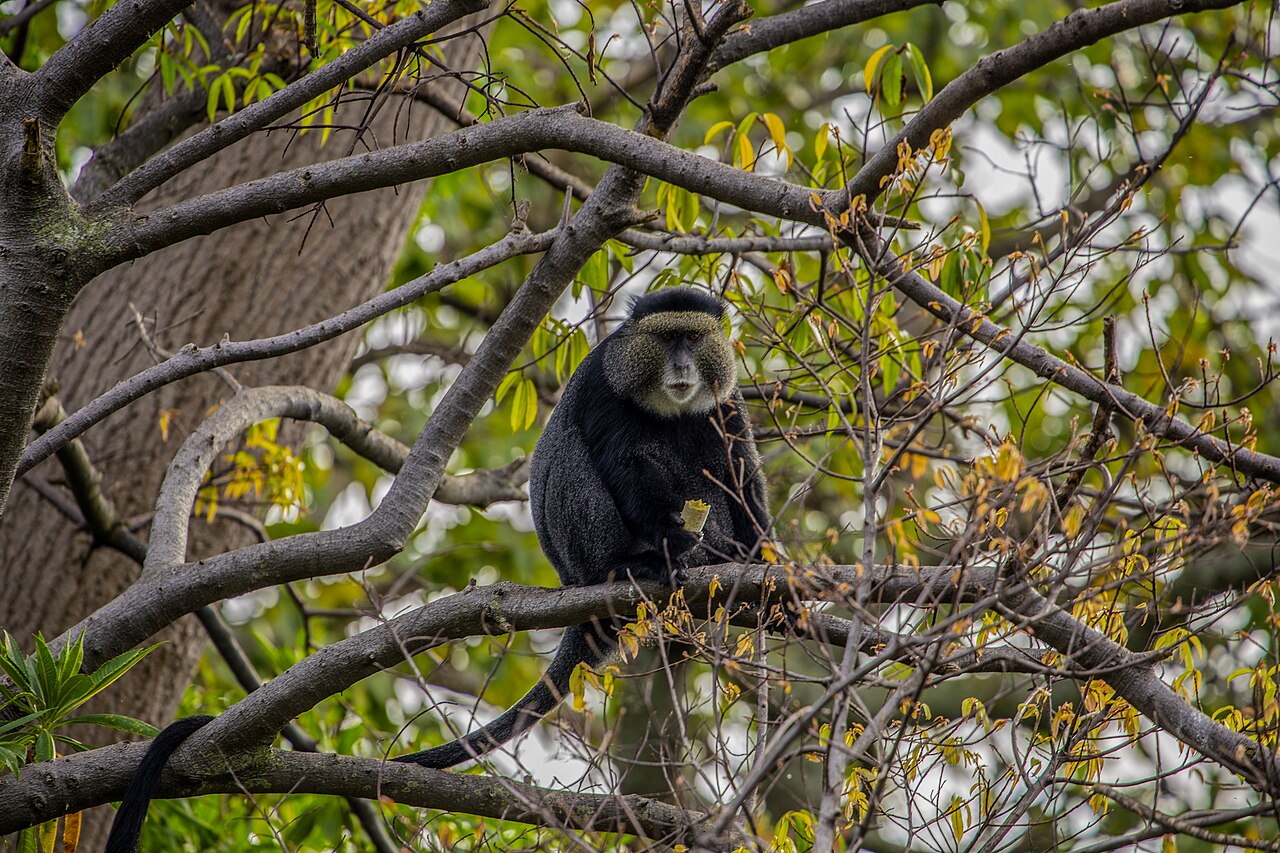
Boutourlini’s blue monkey groups preferred undisturbed coffee forest and avoided open canopy
Two Boutourlini’s blue monkey groups living under different levels of disturbance in Ethiopia both strongly preferred undisturbed coffee…
Read story →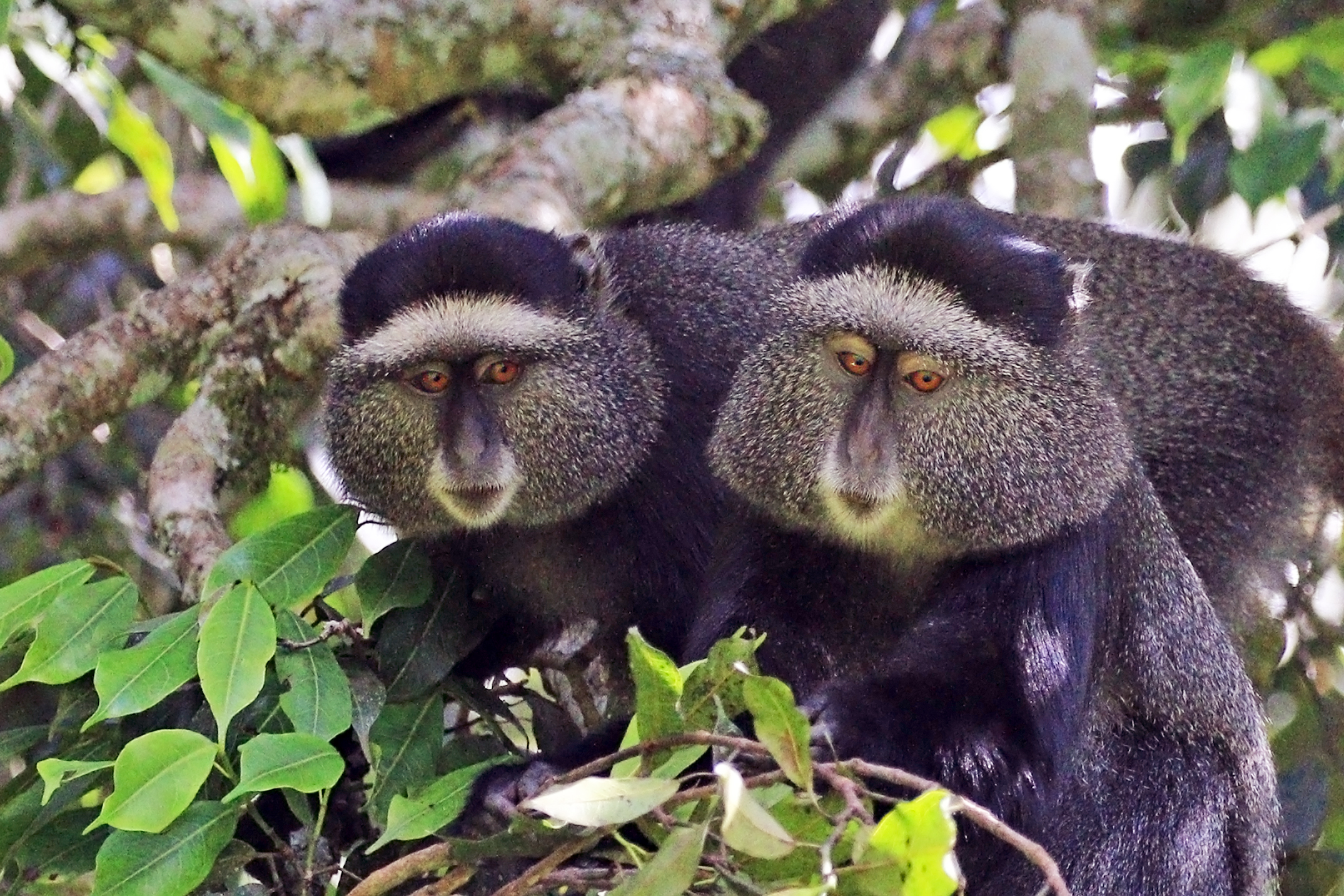
Two Boutourlini’s blue monkey groups differed in feeding and movement across Saja Forest
A 15-month study of two Boutourlini’s blue monkey groups in Ethiopia found more feeding in the Saja Forest…
Read story →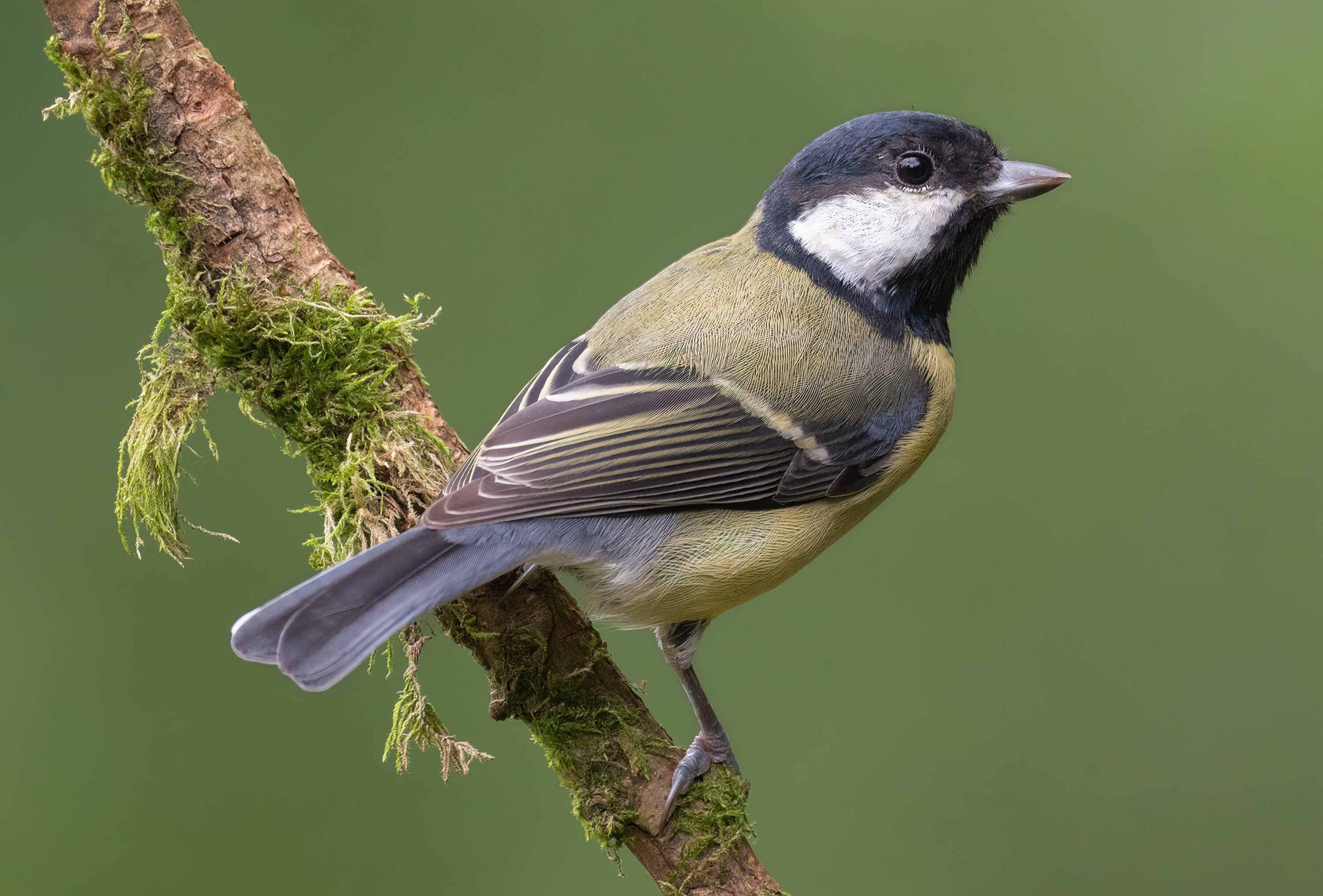
Great Tits Infected Ticks With Borrelia Most Often During Breeding
Across 420 xenodiagnoses in northern Belgium, wild Great Tits were much more likely to transmit Borrelia garinii to…
Read story →SPECIES IN THIS STORY
Species in this story
Independent research and conservation news archive
Did you find this information useful?
Wildlife Vagabond is independently built and maintained. Voluntary support helps cover source verification, hosting and continued work on research and conservation news.
Support Wildlife VagabondThe news archive will remain freely available.