
Two Boutourlini’s blue monkey groups differed in feeding and movement across Saja Forest
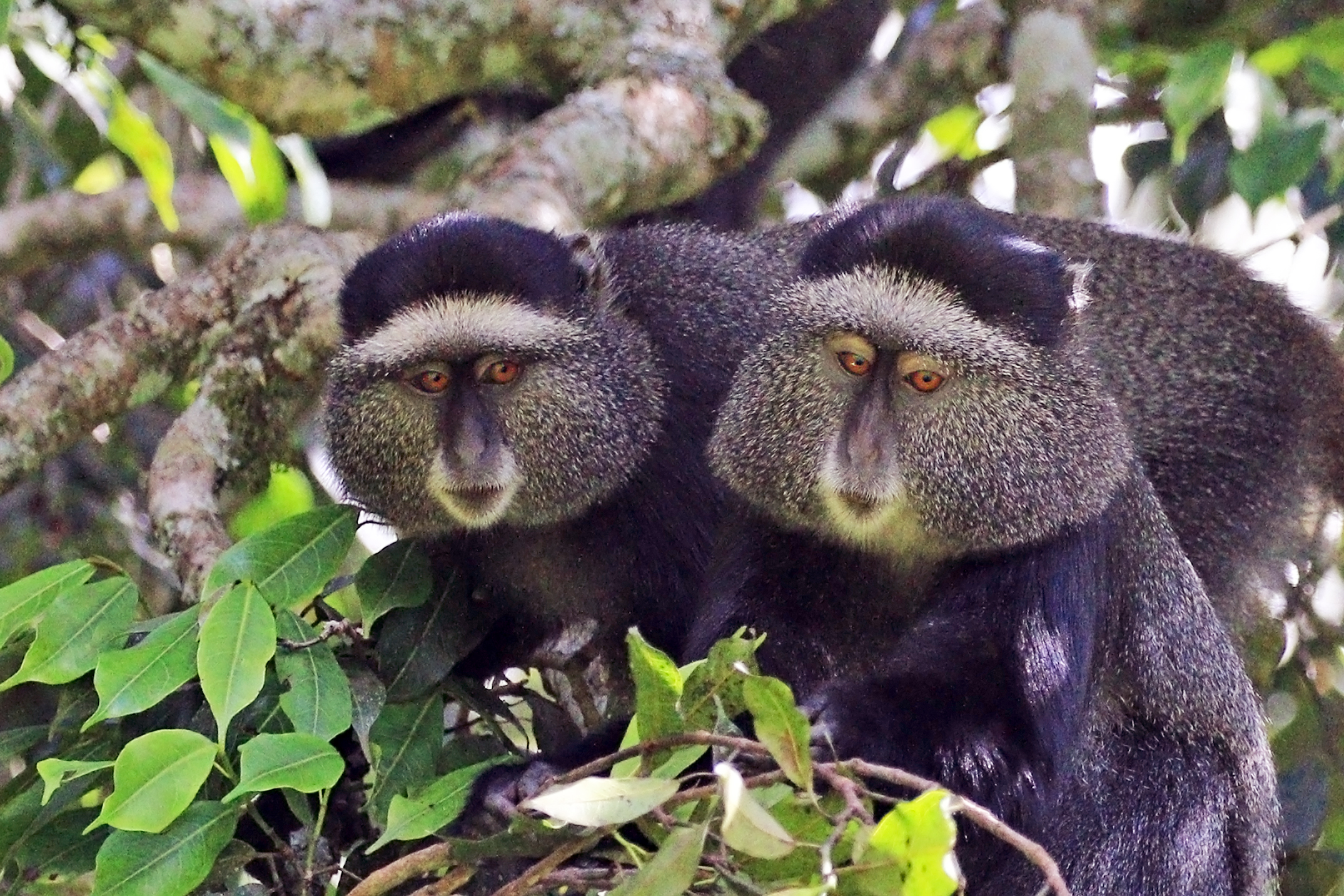
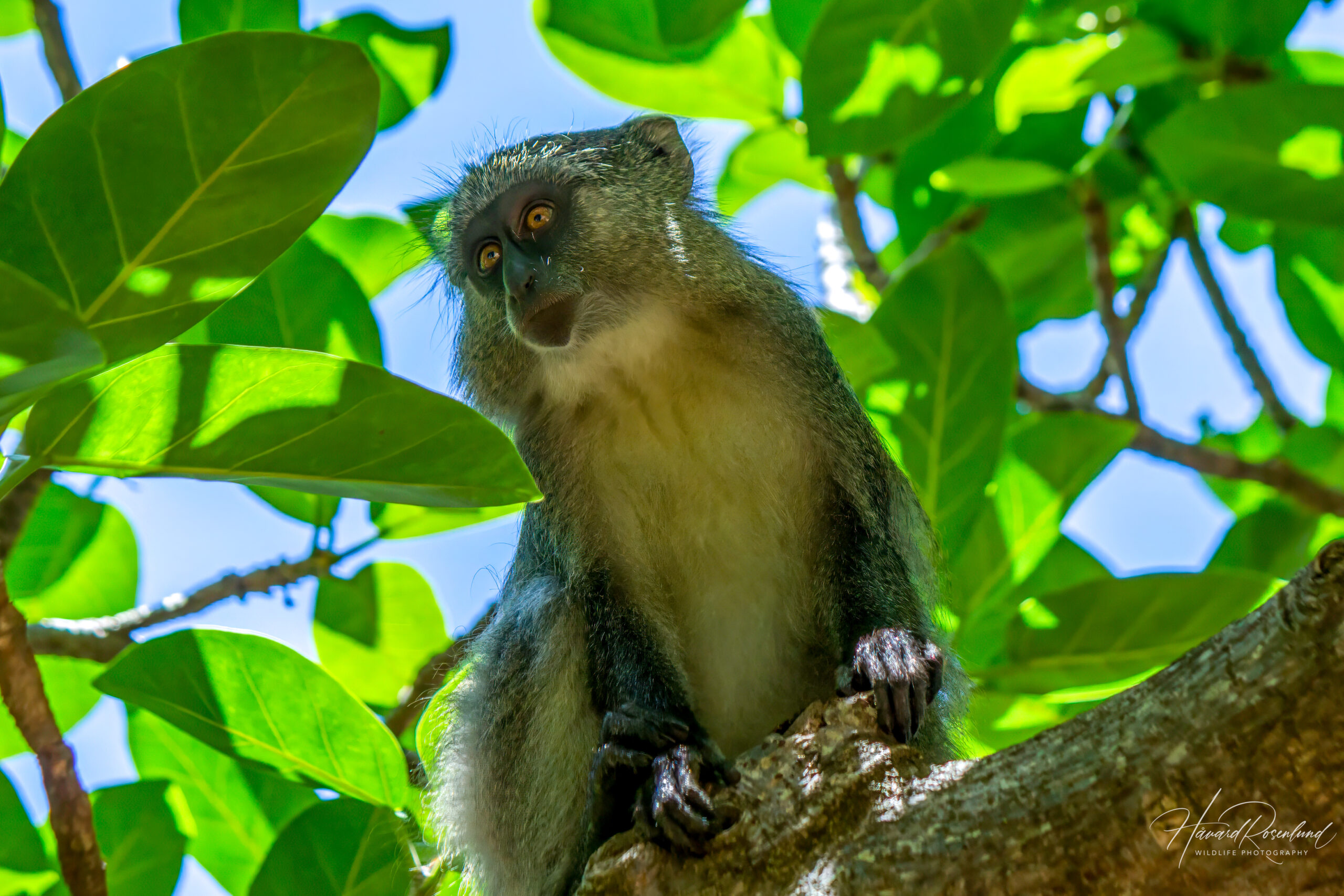
A 15-month field study in Ethiopia found clear differences in how two groups of Boutourlini’s blue monkey (Cercopithecus mitis boutourlinii) allocated their daily activity. The group living in the core zone of Saja Forest spent more of its activity budget feeding, while the group studied in the transition zone spent more on movement.
Researchers followed one habituated group in each forest zone from August 2024 to October 2025 in the Kafa Biosphere Reserve. The core-zone group contained about 37–41 individuals and the transition-zone group 21–23. Using scan sampling throughout the day, the team recorded 19,725 behavioural observations across 4,675 scans and 126 observation days.
Core-zone monkeys fed more while transition-zone monkeys moved more
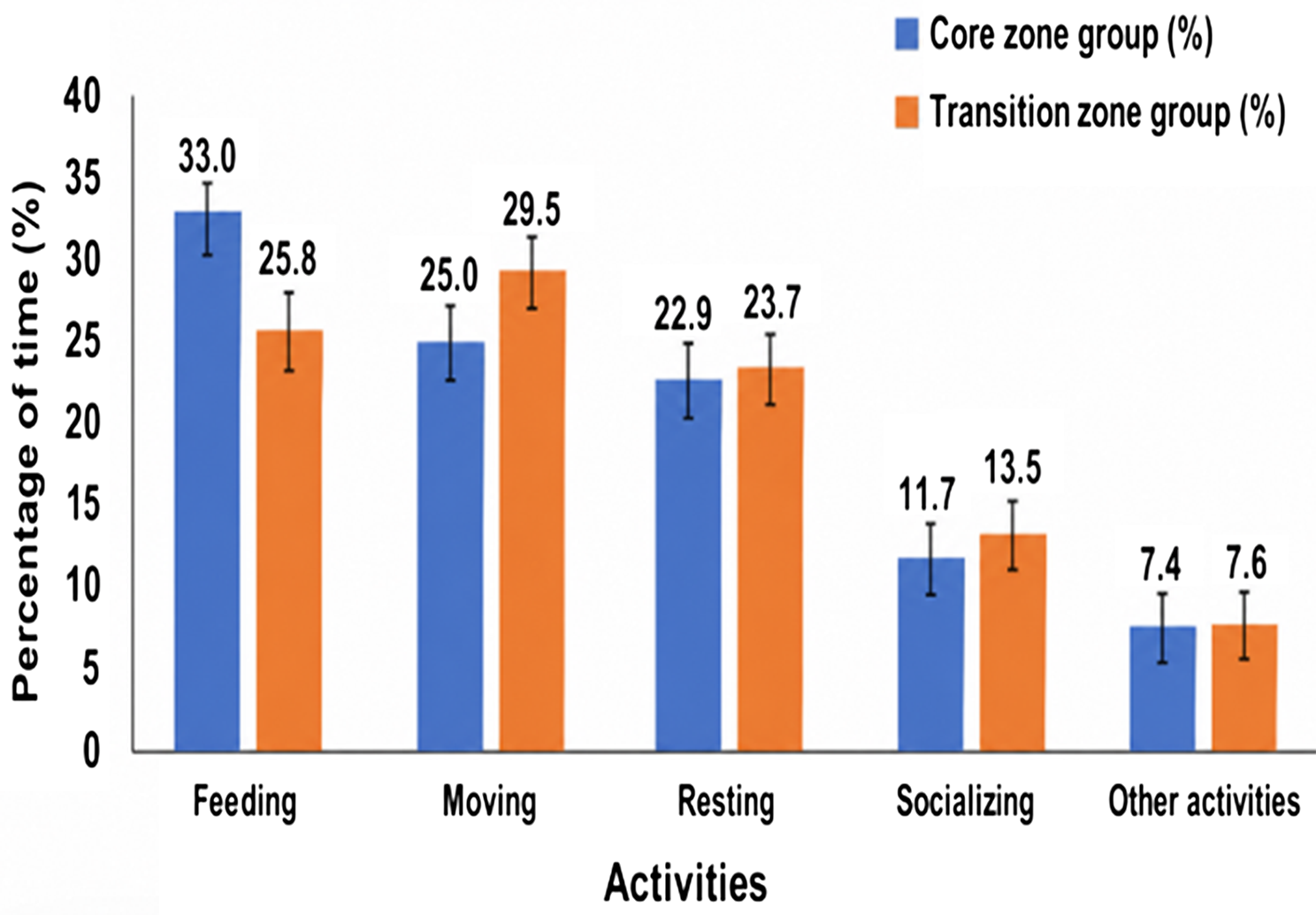
Feeding was the most frequent activity overall, accounting for 29.6% of observations. The core-zone group allocated 33.0% of its activity budget to feeding, and the analysis clearly supported more feeding there than in the transition-zone group. In contrast, movement accounted for 29.5% in the transition-zone group, with clear support for more movement there. The analysis did not support clear group differences in resting or other activities; social behaviour was more frequent in the transition-zone group, but that contrast was also uncertain.
Feeding and movement shifted between wet and dry seasons
Activity also changed with season. Feeding was higher in the dry season, at 32.1%, than in the wet season, at 27.2%. Movement showed the reverse pattern, rising from 25.8% in the dry season to 28.7% in the wet season. Across the day, feeding peaked in the early morning and late afternoon, while resting was highest around midday.
Age and sex were associated with some differences in activity allocation. Adult females had the highest proportion of feeding observations, at 33.3%, while juveniles devoted a larger share to social behaviour. The authors note, however, that the overall association between age–sex class and activity budget was weak.
One group per forest zone limits the comparison
The researchers interpret the variation between groups and seasons as evidence that Boutourlini’s blue monkeys can adjust their behaviour under differing environmental conditions. They also emphasise an important limitation: only one habituated group was studied in each forest zone, the groups differed in size, and food availability, canopy structure and other habitat characteristics were not measured directly. The observed differences therefore show how these two particular groups differed; the study cannot separate group-specific variation from a direct effect of habitat quality.
The observations provide baseline behavioural information for a vulnerable Ethiopian subspecies whose ecology remains poorly documented. The authors recommend future comparisons involving several independent groups and direct measurements of habitat and food resources.
Behaviour
Related news
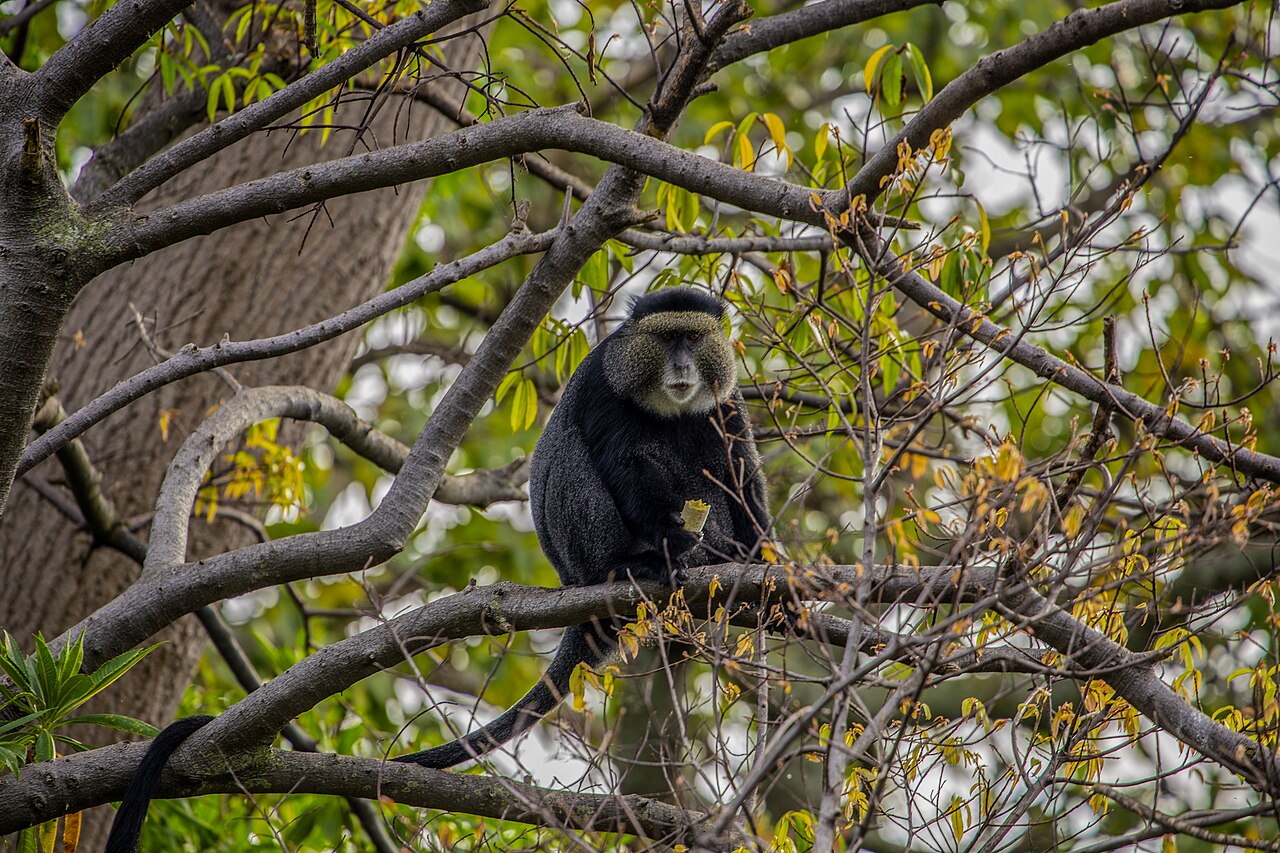
Boutourlini’s blue monkey groups preferred undisturbed coffee forest and avoided open canopy
Two Boutourlini’s blue monkey groups living under different levels of disturbance in Ethiopia both strongly preferred undisturbed coffee…
Read story →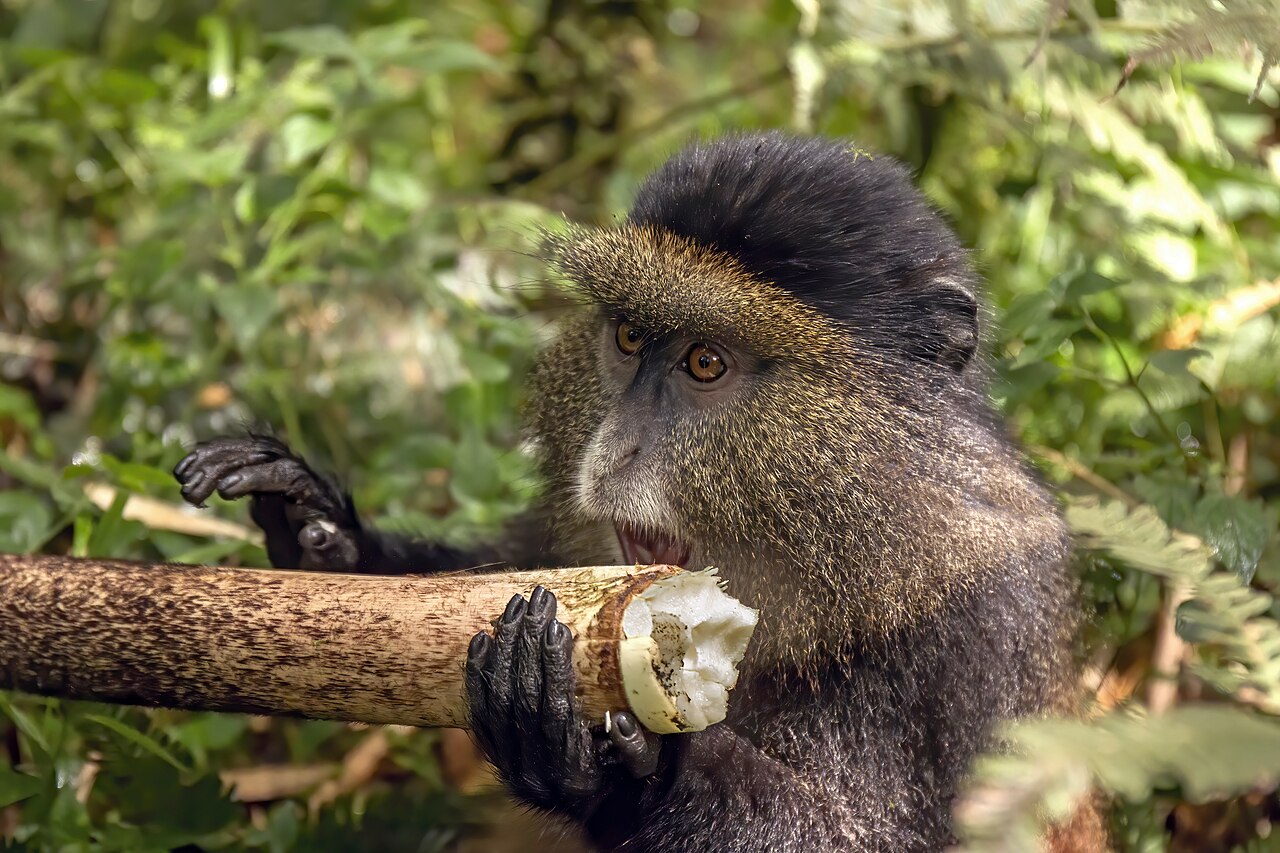
Helminth infections were more common in Volcanoes golden monkeys than in Gishwati
Rwanda’s Volcanoes golden monkeys had a higher prevalence of helminth infection and more multiple infections than the much…
Read story →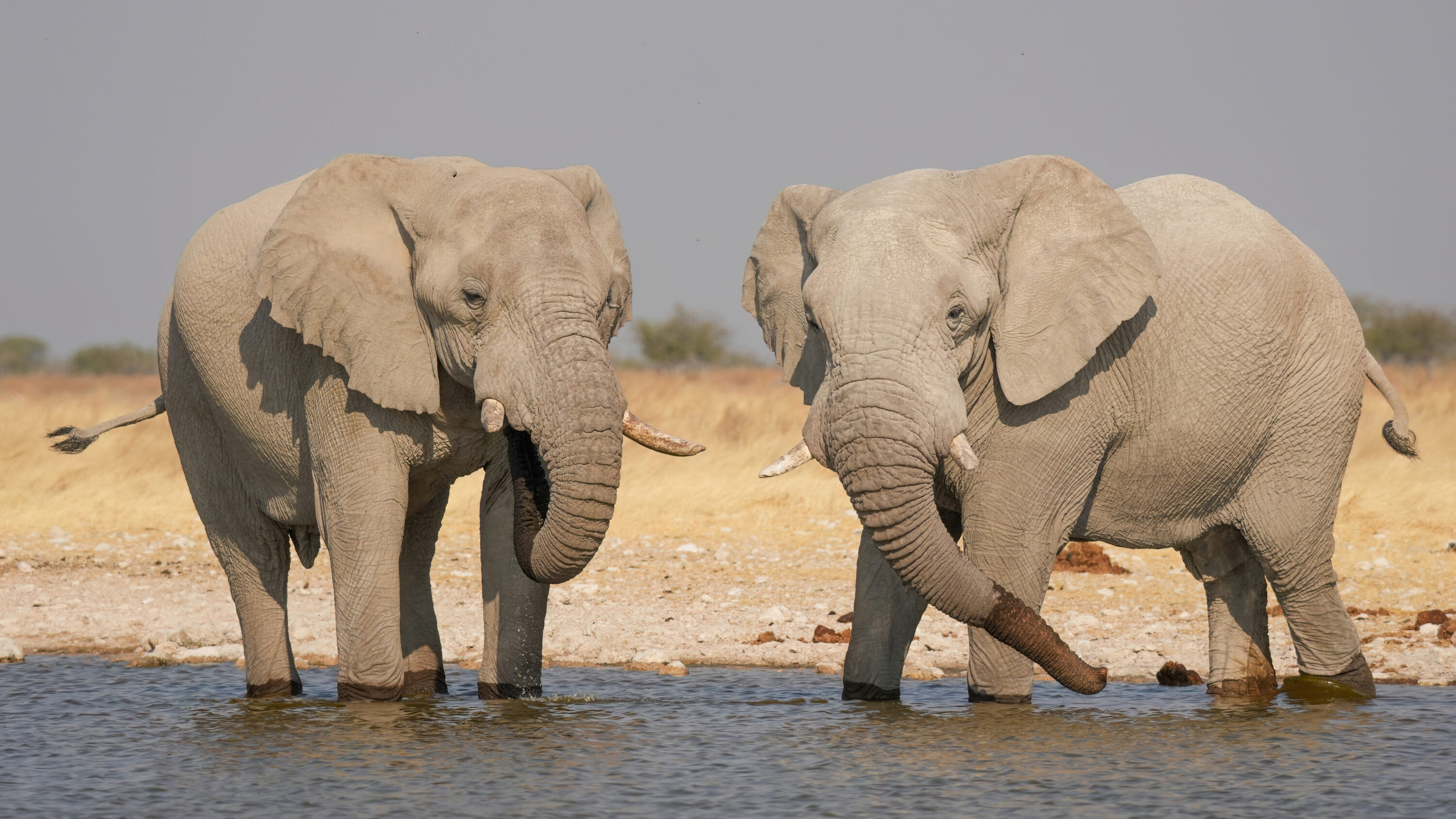
Three Ways of Analysing Elephant Calls Gave Different Results
Recordings from a semi-free herd in South Africa show how the method used to classify call timing can…
Read story →SPECIES IN THIS STORY
Species in this story
Independent research and conservation news archive
Did you find this information useful?
Wildlife Vagabond is independently built and maintained. Voluntary support helps cover source verification, hosting and continued work on research and conservation news.
Support Wildlife VagabondThe news archive will remain freely available.