
GPS Tracks and Wind Modelling Suggest Black-winged Stilts May Fly Above 7,000 Metres
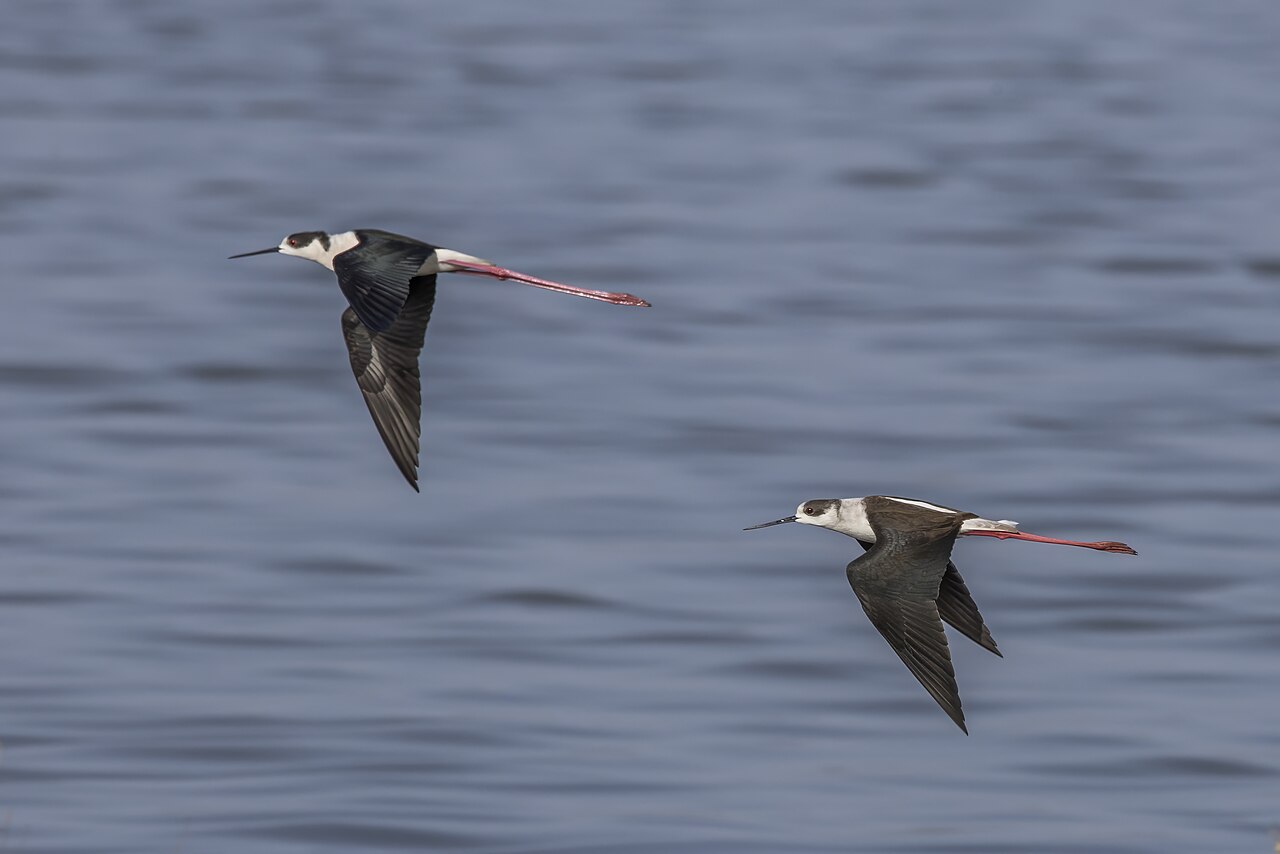
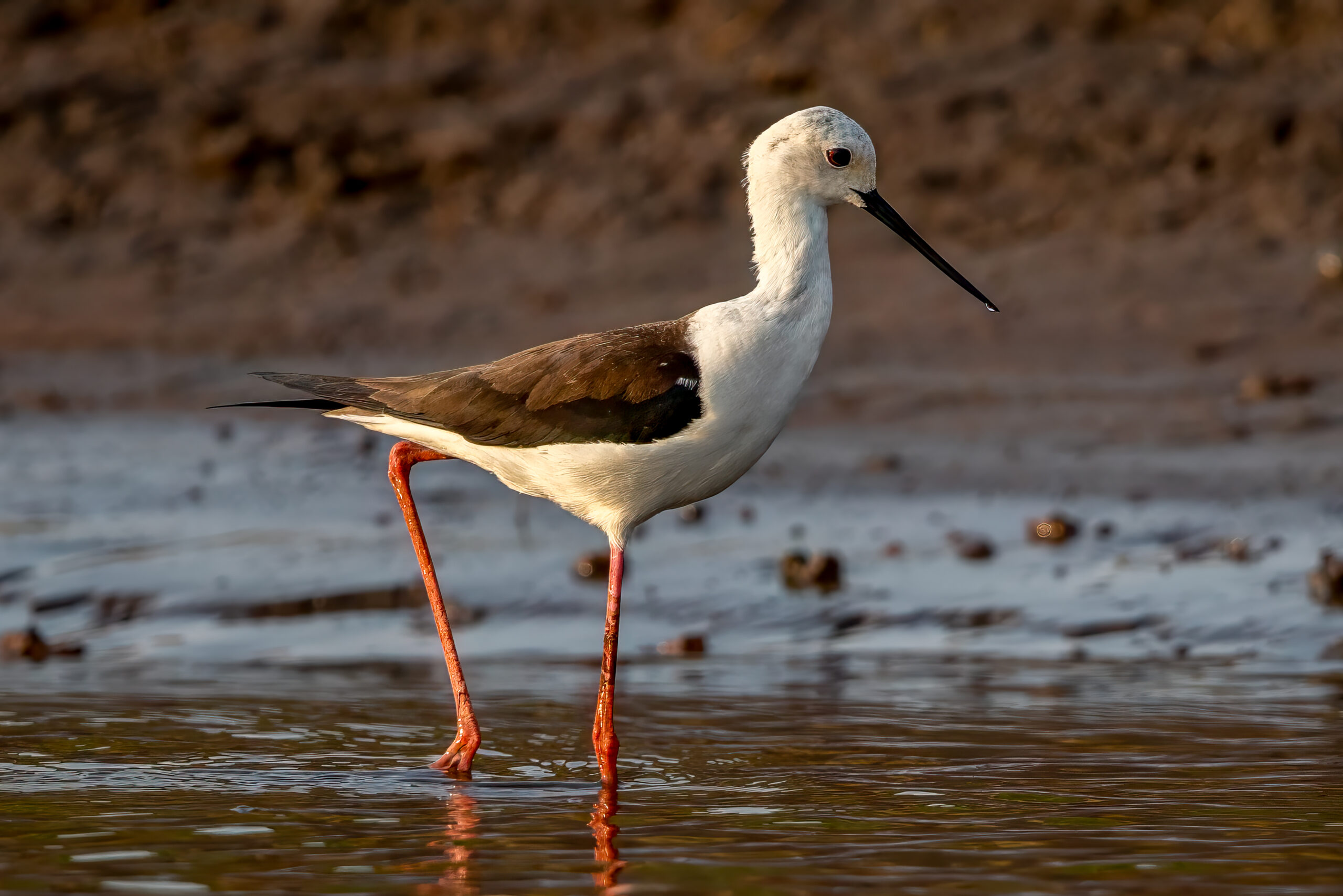
GPS tracks and atmospheric modelling suggest that migrating black-winged stilts (Himantopus himantopus) may sometimes use air layers between about 2,000 and 7,200 metres above sea level. The proposed altitudes were not measured directly, but inferred by comparing the birds’ ground speeds with wind conditions at different heights.
Researchers tracked one female and one male fitted with GPS loggers at a breeding wetland in southern Mallorca. The female wintered near the lower Senegal River, while the male travelled to the Inner Niger Delta in Mali. Both returned to Mallorca the following spring.
Both birds made rapid long-distance migrations
The autumn journeys covered about 3,158 kilometres for the female and 2,624 kilometres for the male, each over five days. The female later travelled more than 2,800 kilometres during the first 48 hours of her spring migration. The tracks were dominated by long, rapid movements with few stops, a pattern the authors describe as a “jumping” migration strategy.
Tailwinds were consistent with possible high-altitude flight
Several track segments had ground speeds above the species’ estimated maximum range speed of 50 kilometres per hour—the calculated airspeed expected to maximise distance travelled per unit of energy. The researchers compared these segments with vertical wind profiles from the ERA5 atmospheric reanalysis, a reconstruction of past atmospheric conditions that combines weather observations with a numerical weather model. Stronger supporting tailwinds at middle and high atmospheric levels could explain the observed speeds and were consistent with possible flight at 2,000–7,200 metres.
The GPS units did not record altitude, and the authors stress that the estimates therefore require cautious interpretation. Segments compatible with middle- to high-altitude wind assistance made up only a limited part of the migrations, so any use of these layers appears episodic rather than dominant. Direct altitude measurements from more birds are needed to establish how often black-winged stilts use high-level winds. The study nevertheless suggests that adjusting flight height may help migrants exploit tailwinds and reduce the energetic cost of migration.
Behaviour
Related news
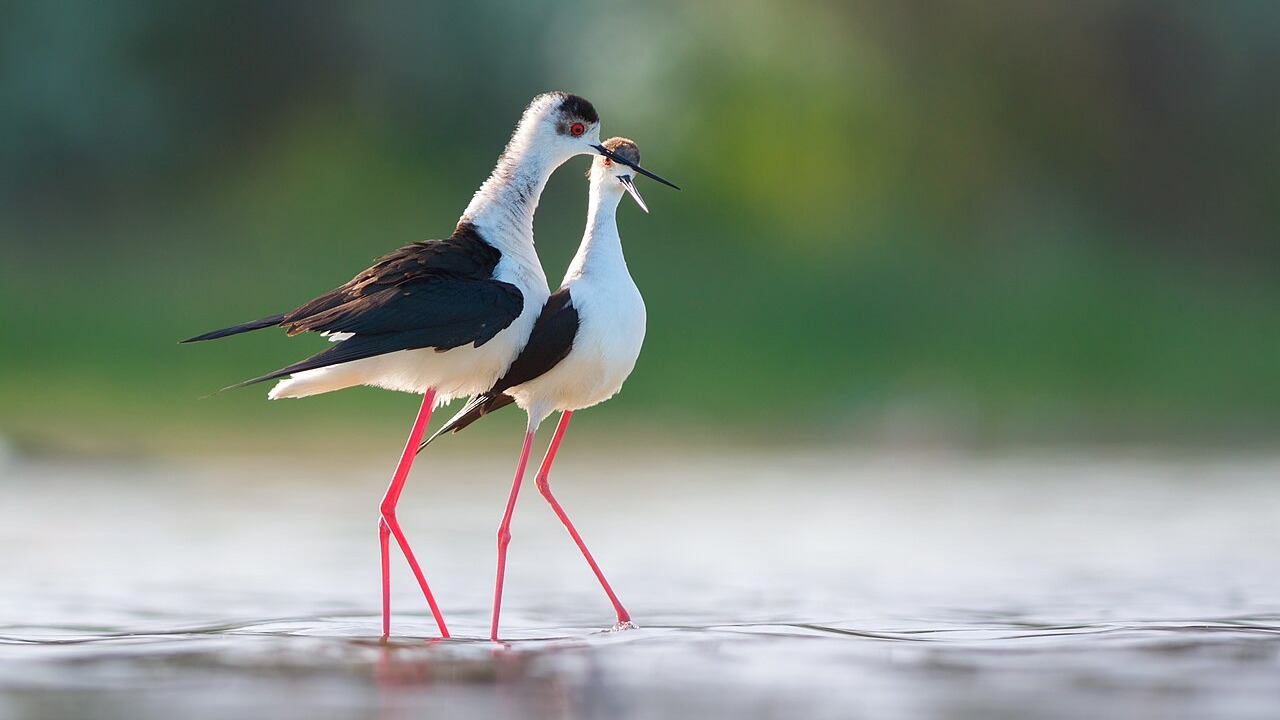
Industrial Basin Loss Halved Nesting Habitat for Black-winged Stilts
Sixteen years of monitoring linked the loss of more than half the available wet area to falling numbers…
Read story →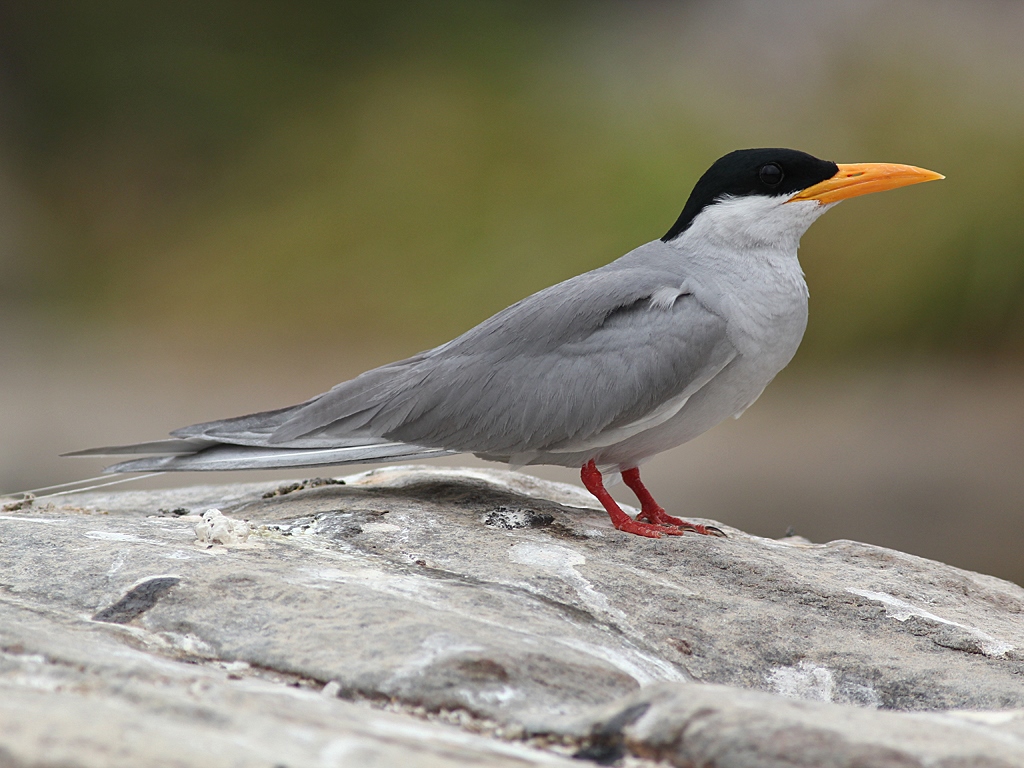
Ujjani Reservoir Survey Found 818 Nests of Six Ground-nesting Waterbirds
Surveys of Ujjani Reservoir in Maharashtra recorded 818 nests of six ground-nesting waterbird species. Little terns had the…
Read story →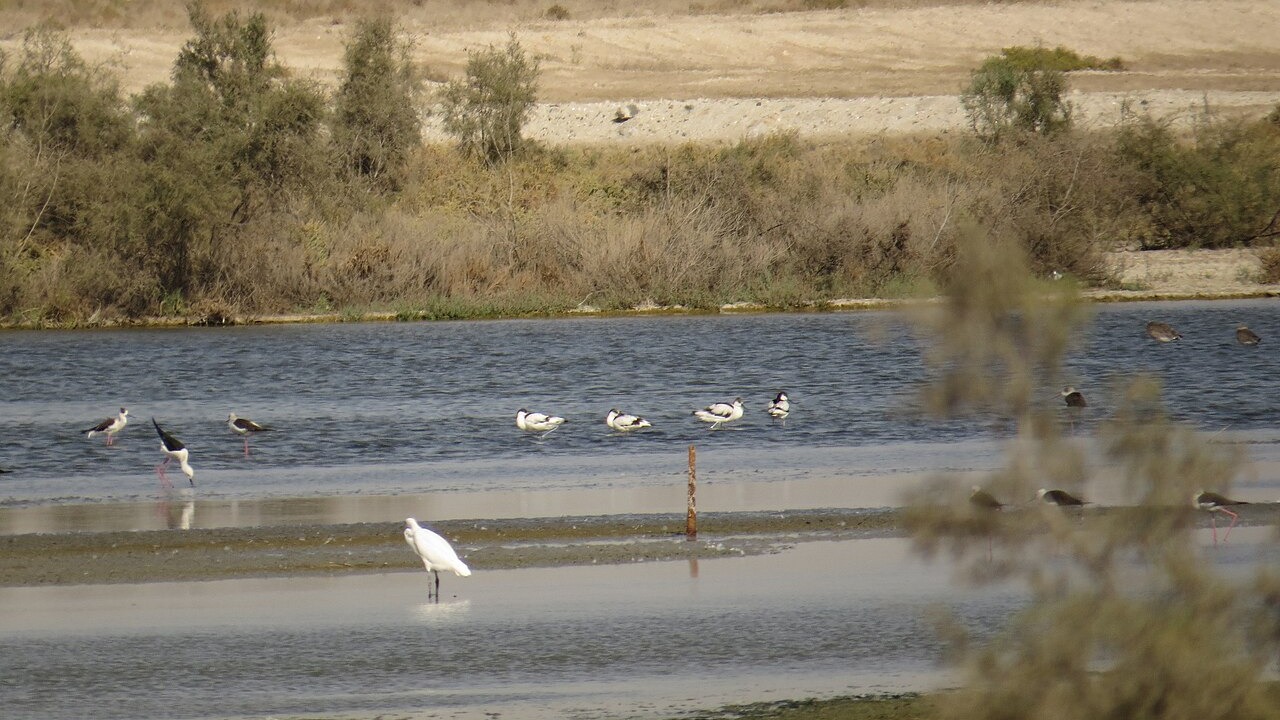
Restored Wetland Attracted Avocets but Few Nests Succeeded
Only 6.9% of monitored pied avocet nests and 20.3% of black-winged stilt nests succeeded in a restored Yangtze…
Read story →SPECIES IN THIS STORY
Species in this story
Independent research and conservation news archive
Did you find this information useful?
Wildlife Vagabond is independently built and maintained. Voluntary support helps cover source verification, hosting and continued work on research and conservation news.
Support Wildlife VagabondThe news archive will remain freely available.