
Great-tailed Grackle Is Now Known from 44 of Arkansas’s 75 Counties
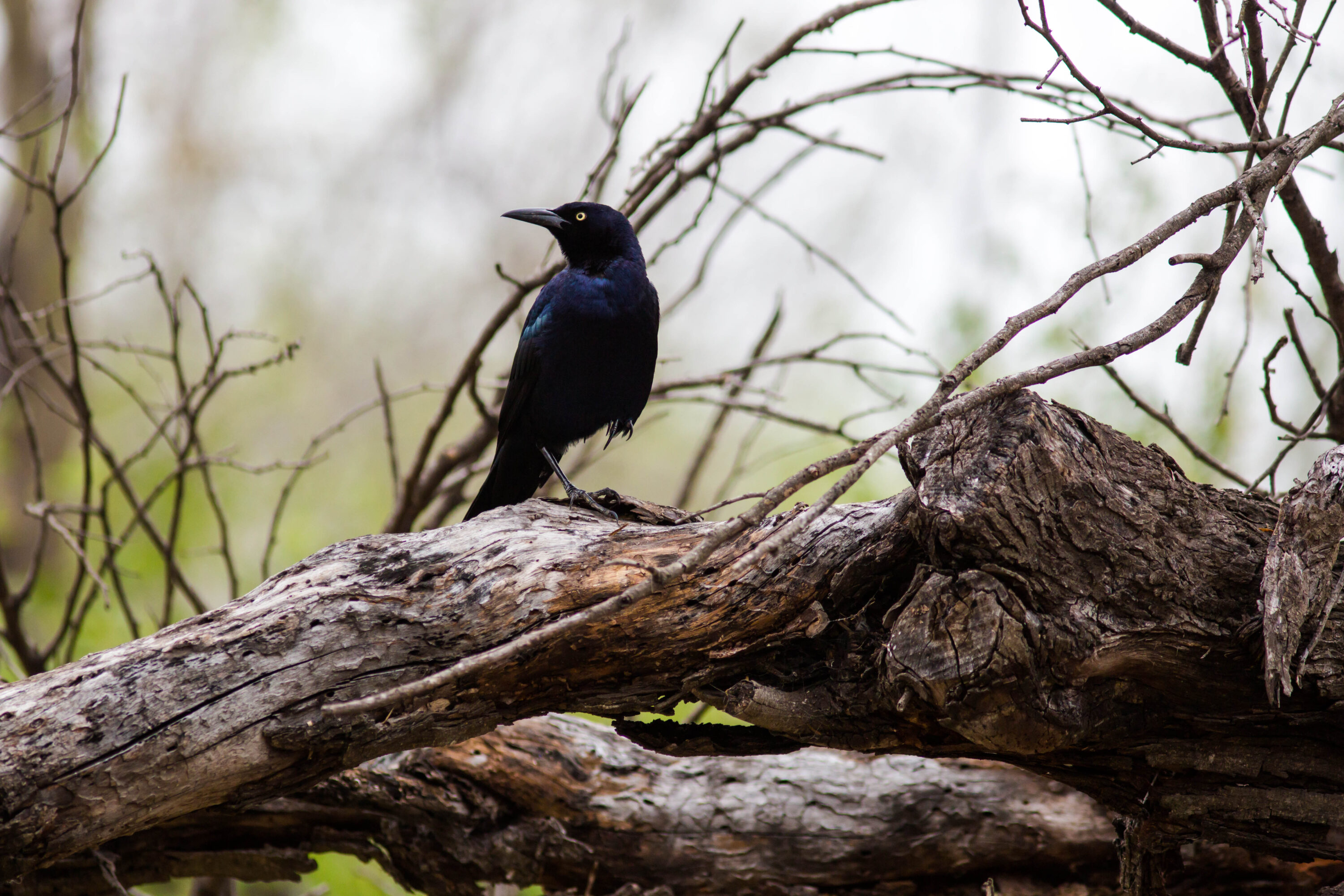
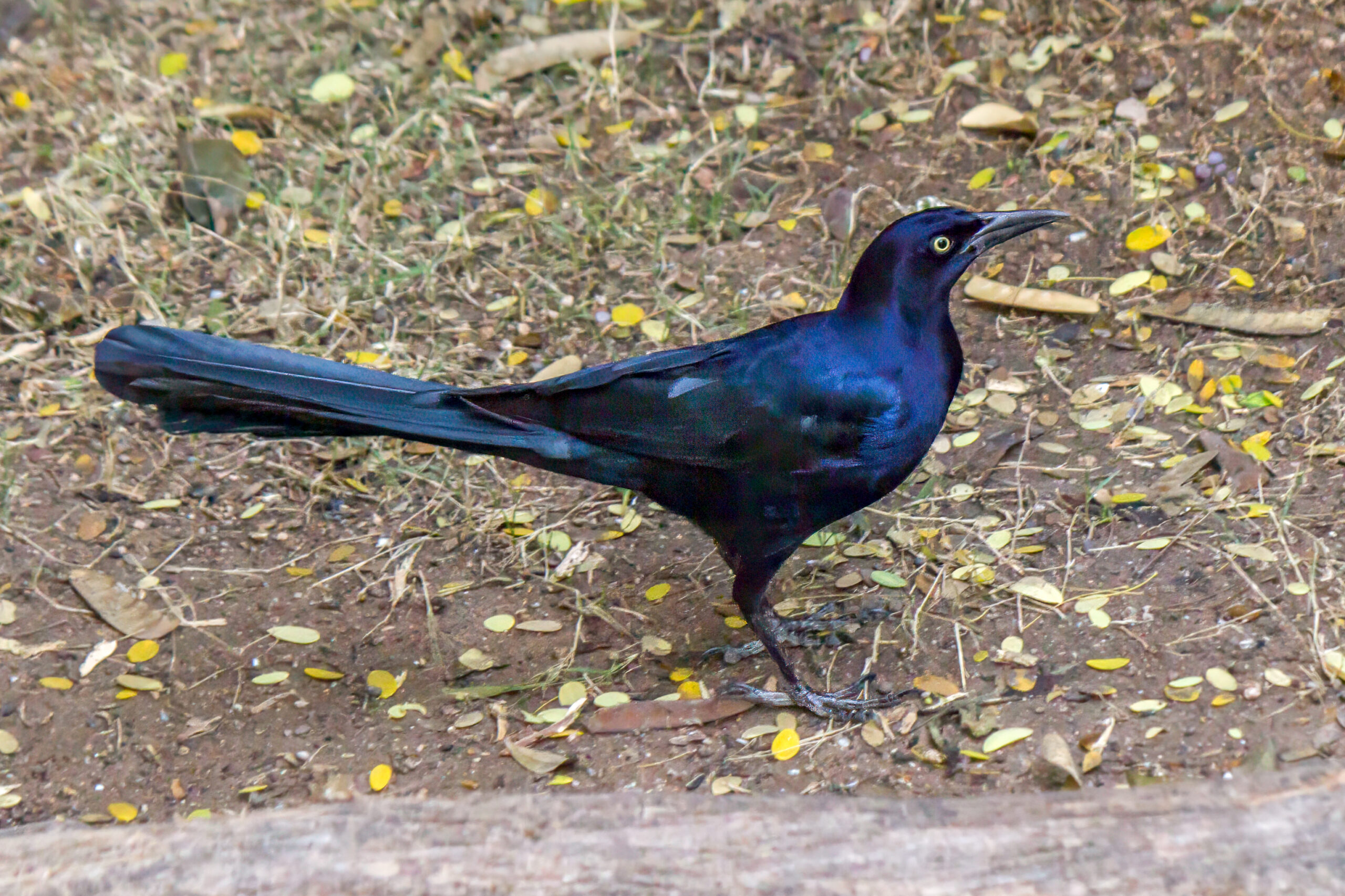
Great-tailed grackle (Quiscalus mexicanus) is now documented from 44 of Arkansas’s 75 counties, mostly in western and central parts of the state. A 2026 review traces the species from the first Arkansas record in 1969 to confirmed breeding and year-round populations in several regions.
The 44-county total describes documented occurrence, not 44 established resident populations. The project used vetted citizen-science records, including ARbird and eBird, together with historical records to update the known distribution and breeding status.
Breeding became established in several parts of Arkansas
The first state record came from southwestern Arkansas in 1969. Nesting was documented there in 1977, and a resident population was established by 1980. Nesting was then reported in far northwestern Arkansas in 1986.
Breeding and resident populations are now reported in southwestern, northwestern and central Arkansas, particularly in urban areas. The pattern therefore reflects establishment in more than one part of the state rather than a single population simply spreading outward from one original locality.
Most reports occur in April and May
Although resident populations are established in several regions, most Arkansas reports occur in April and May. The authors therefore conclude that many of the birds recorded in the state are probably migratory.
The statewide record consequently combines two patterns: seasonal birds passing through or appearing during spring, and locally established birds that remain and breed through the year.
Urban areas and highways may have supported expansion
Great-tailed grackles are commonly reported around fast-food establishments and truck stops, where they exploit discarded food. The authors believe major roads may have helped the species disperse through Arkansas and establish in urban areas.
This highway-and-urban explanation is an interpretation of the geographic pattern rather than an experimentally tested mechanism. The strongest documented result is the change in state status itself: from one Arkansas record in 1969 to occurrence in 44 counties, with confirmed breeding and resident populations in several regions little more than half a century later.
Ecology
Related news
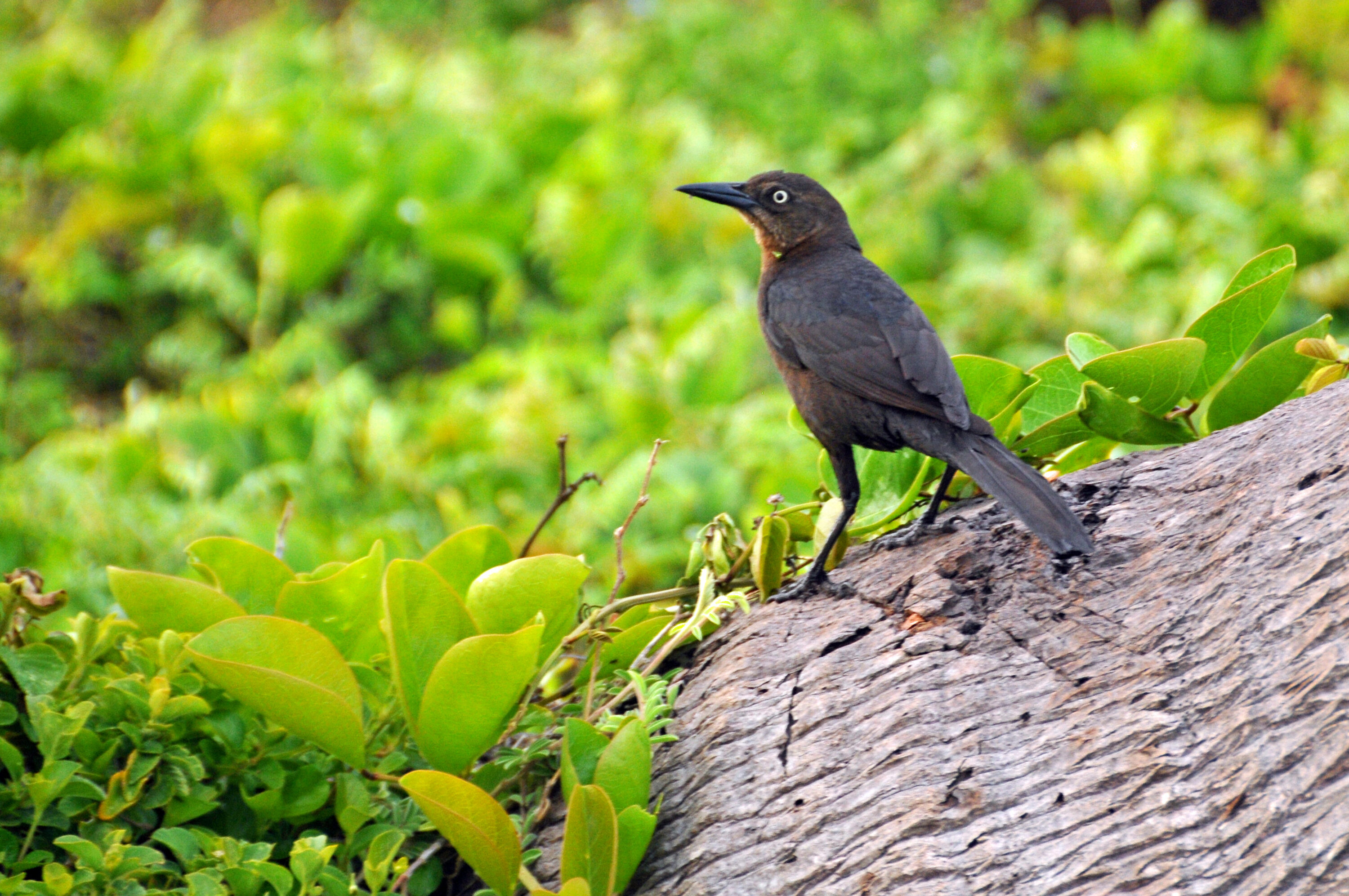
Great-tailed Grackles Hovered Over Floating Sargassum to Catch Swimming Crabs
During more than 13 hours of observation across 12 days on Cozumel, Mexico, great-tailed grackles made 57 flights…
Read story →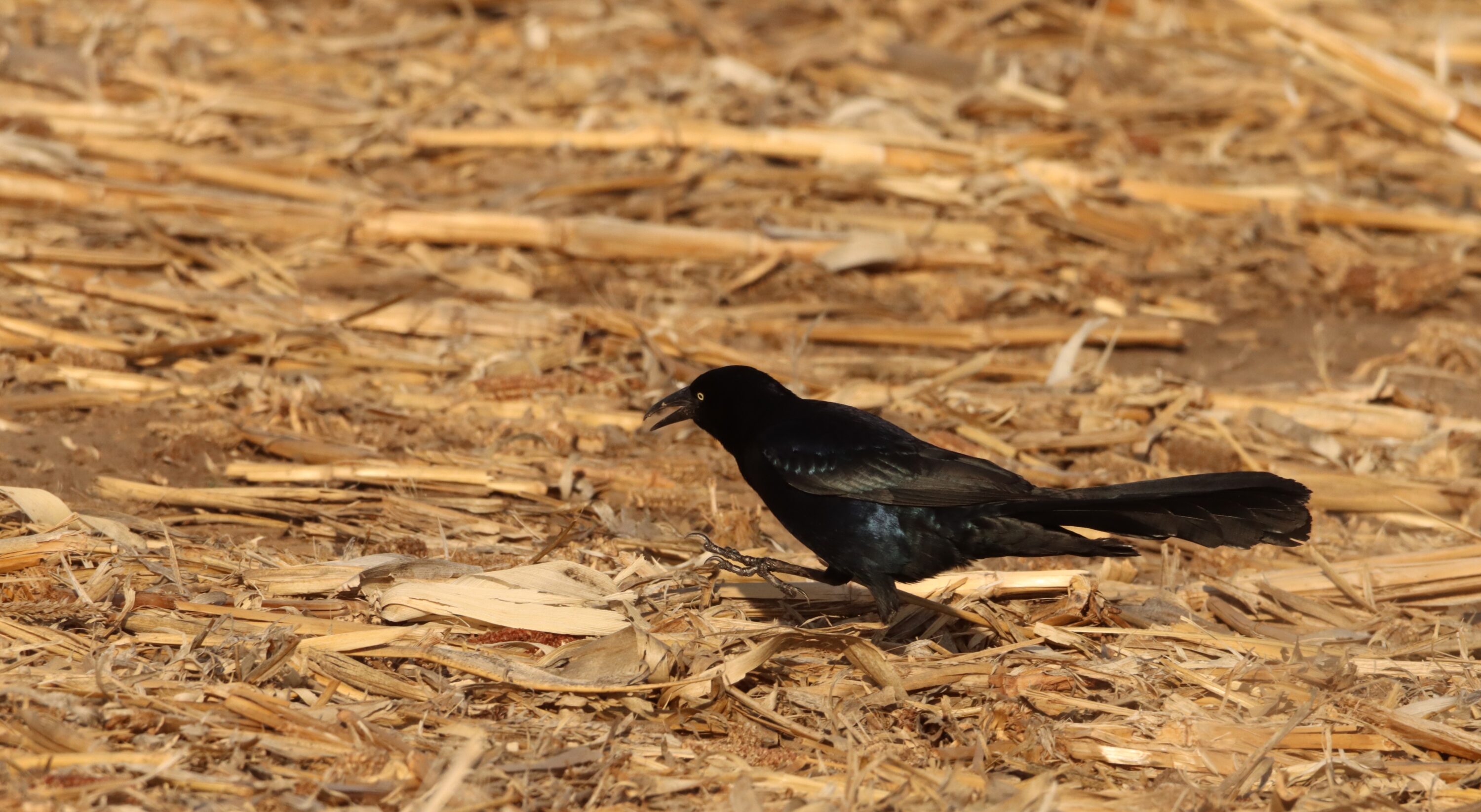
Great-tailed Grackles Now Breed Widely and Winter Regularly in Nebraska
A 2026 Nebraska synthesis documents the species' expansion from isolated records in the 1970s to widespread breeding and…
Read story →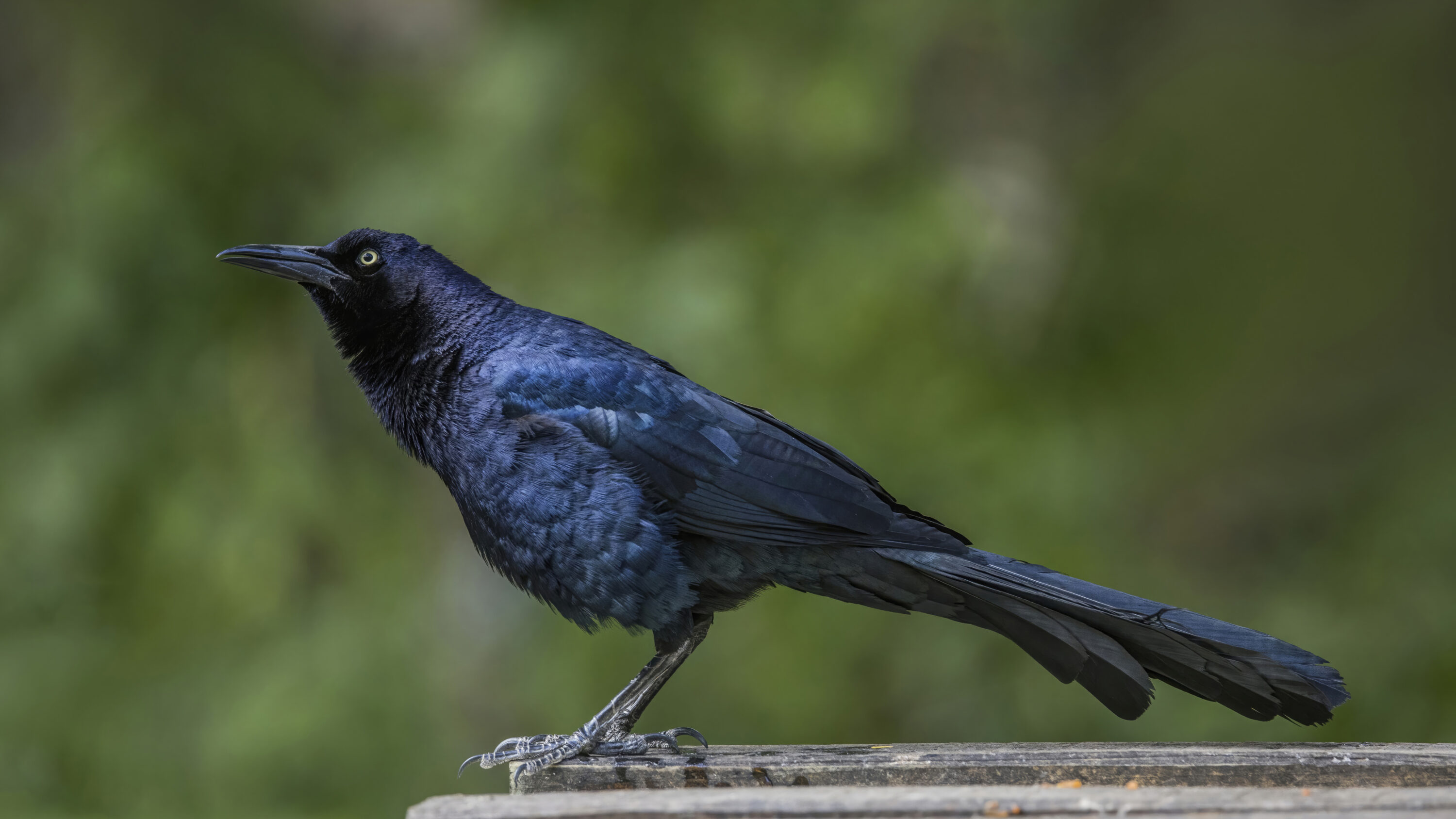
Nuclear DNA Supports One Unified Great-tailed Grackle Lineage
A genome-scale study resolves a long-standing conflict between mitochondrial and nuclear evidence and finds no signal of admixture…
Read story →SPECIES IN THIS STORY
Species in this story
Independent research and conservation news archive
Did you find this information useful?
Wildlife Vagabond is independently built and maintained. Voluntary support helps cover source verification, hosting and continued work on research and conservation news.
Support Wildlife VagabondThe news archive will remain freely available.