
Great Tits Outcompeted Blue Tits for Nest Boxes When Blue Tit Boxes Were Scarce
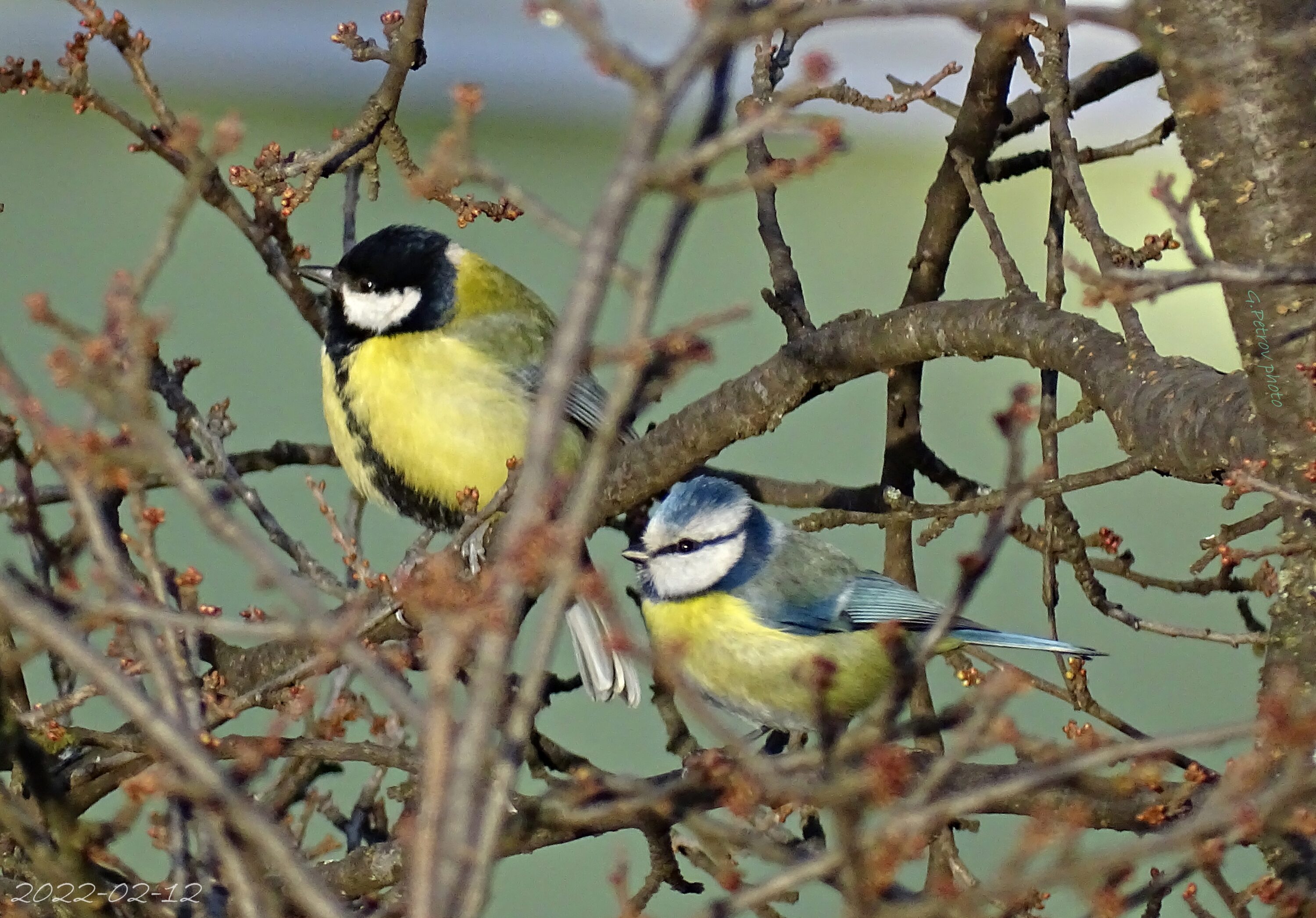
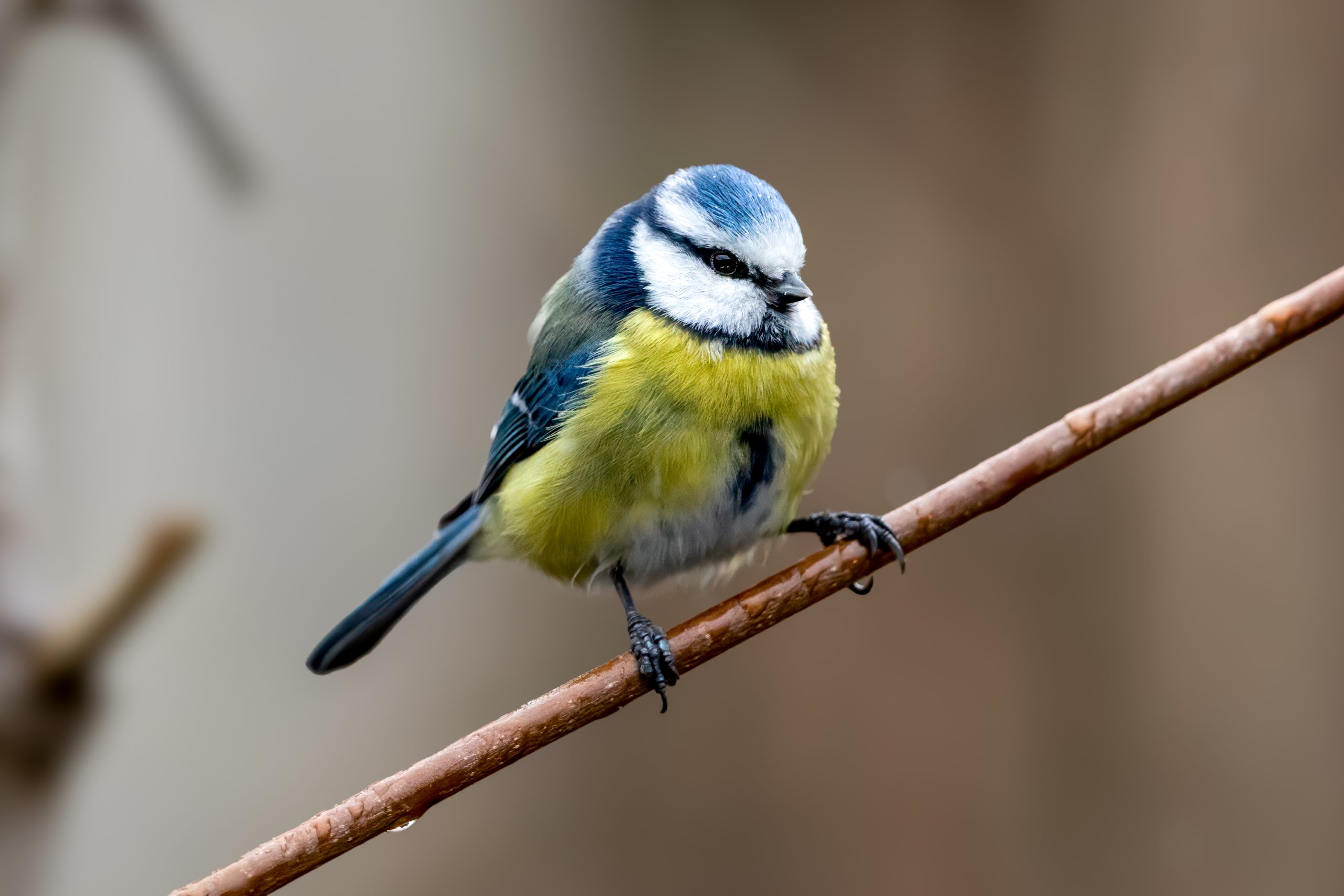
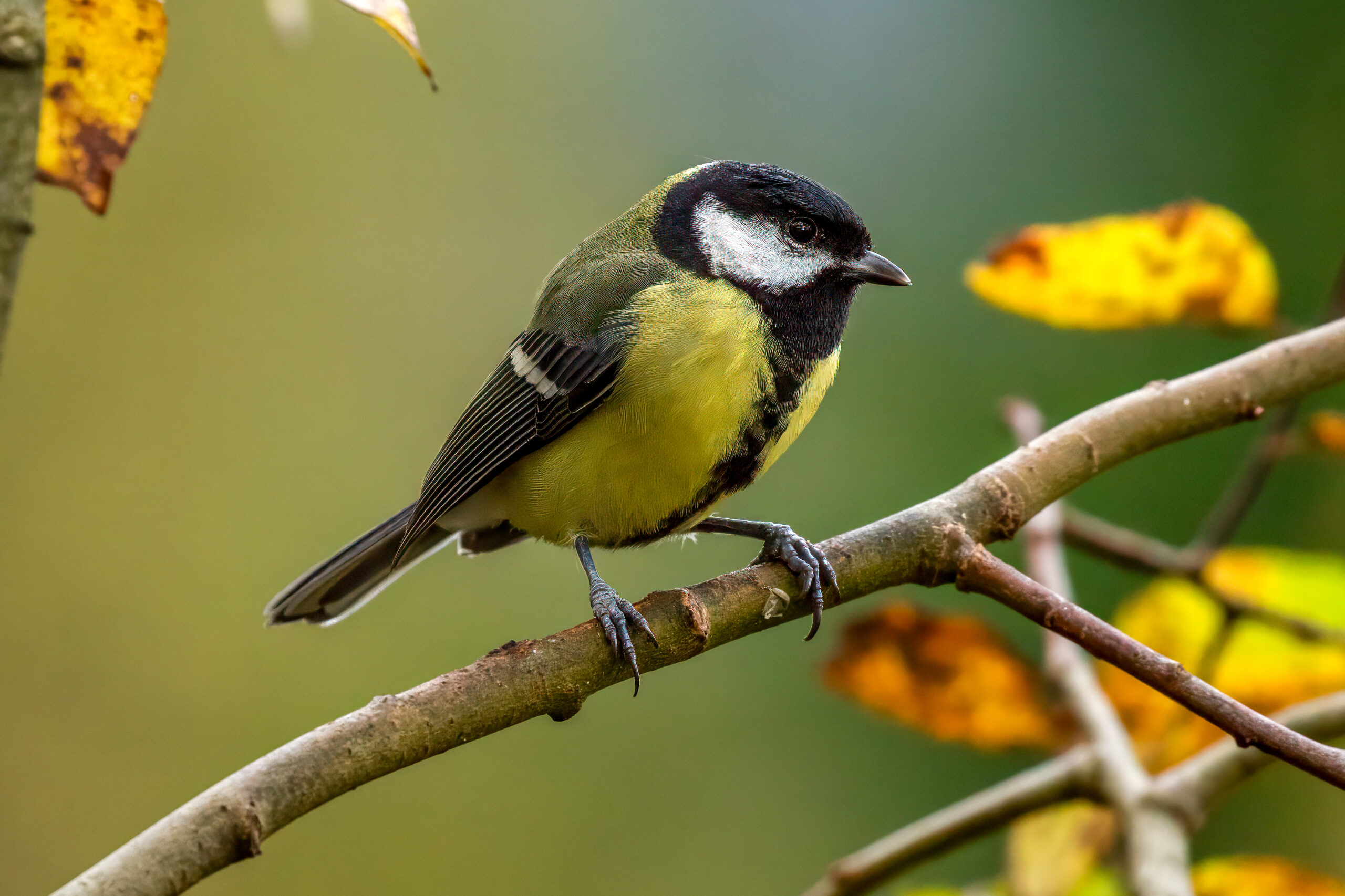
In Germany, competition within and between two closely related species interacted to shape breeding in Eurasian blue tits (Cyanistes caeruleus) and great tits (Parus major), according to an experiment published on 10 March 2026. By changing the availability of nest boxes intended for each species, the researchers experimentally altered breeding densities and tested how competition affected access to cavities and reproductive performance.
Breeding cavities proved to be a limiting resource. More blue tit pairs bred when the density of blue tit boxes was increased, and more great tit pairs bred when the density of great tit boxes was increased. The response showed that nest-site availability itself constrained how many pairs could breed.
Great tit competition changed where blue tits bred
When few blue tit boxes were available, increasing the number of great tit boxes led to more blue tits breeding in boxes intended for great tits. The authors interpret this pattern as evidence that great tits outcompeted blue tits for access to those cavities, changing the nest sites available to the smaller species.
The experiment also showed that competition within the blue tit population depended on how many great tit boxes were present. Blue tit clutch size declined as blue tit box density increased, but only when great tit box numbers were also high. Similar interaction patterns appeared in other important reproductive traits.
Competition was not simply a matter of total bird density
The effects differed significantly between the two species. The researchers conclude that competition among members of the same species and competition with another species cannot always be treated independently: changes in the density of one competitor can alter how strongly density affects reproduction in the other.
Ecology
Related news
Inland Mute Swans Had Higher Winter Body Condition Despite Harsher Winters and Supplemental Feeding
A study of 853 mute swans from four Polish wintering regions found higher body condition inland than on…
Read story →
Gut Microbiomes Across Nine Kruger Mammals Clustered More Strongly by Dietary Group Than Species
A study of 89 quality-filtered faecal samples from nine wild mammals in Kruger National Park found that carnivores,…
Read story →
Dunnock Spring Passage Advanced by Up to 8.3 Days Over 61 Years at Hel
Standardised ringing data from northern Poland showed that the first, median and last phases of dunnock spring passage…
Read story →SPECIES IN THIS STORY
Species in this story
Independent research and conservation news archive
Did you find this information useful?
Wildlife Vagabond is independently built and maintained. Voluntary support helps cover source verification, hosting and continued work on research and conservation news.
Support Wildlife VagabondThe news archive will remain freely available.