
Sloth Bears Fed on Discarded Food in Gujarat Villages; Fewer Visits Followed Cleanup
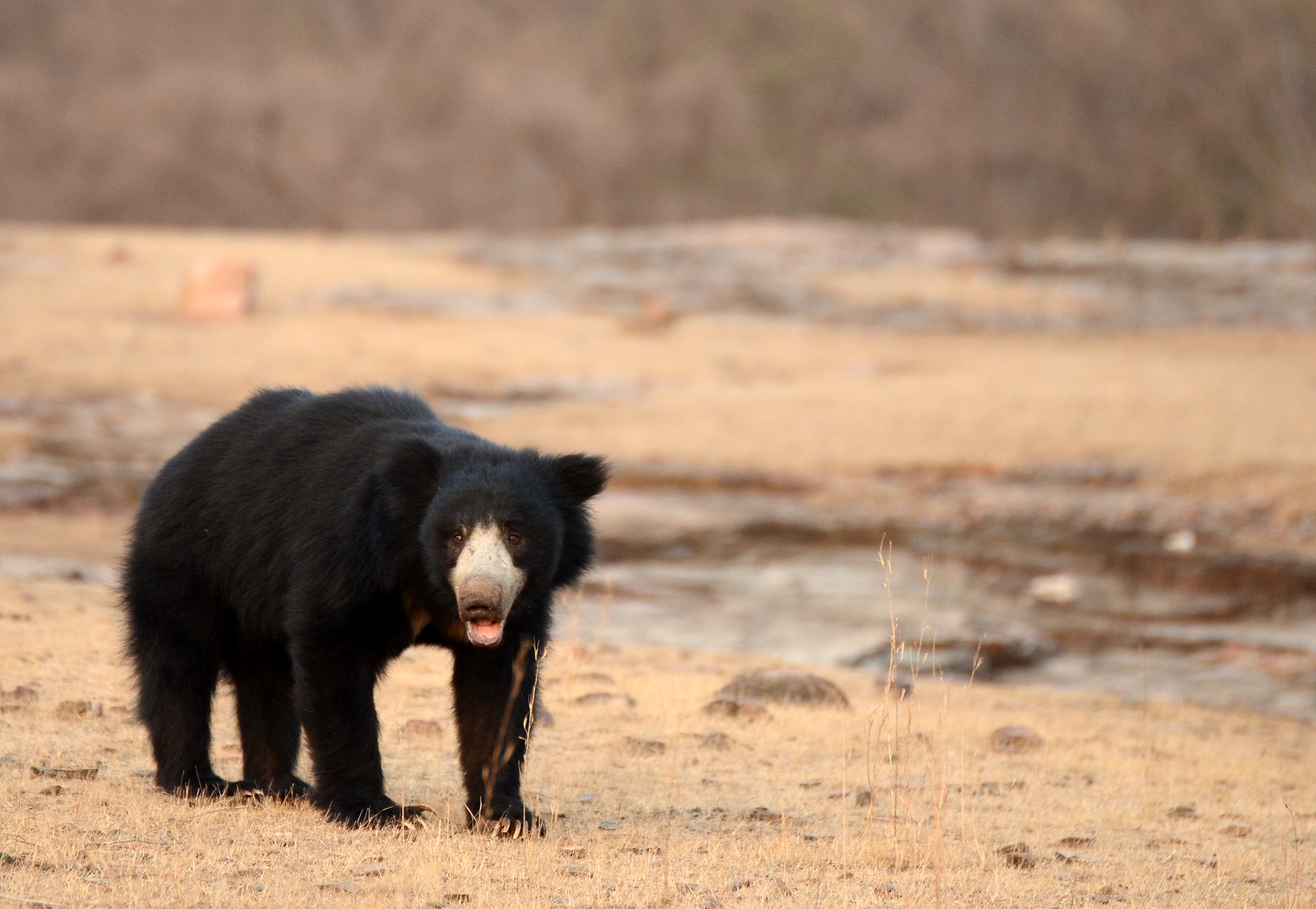
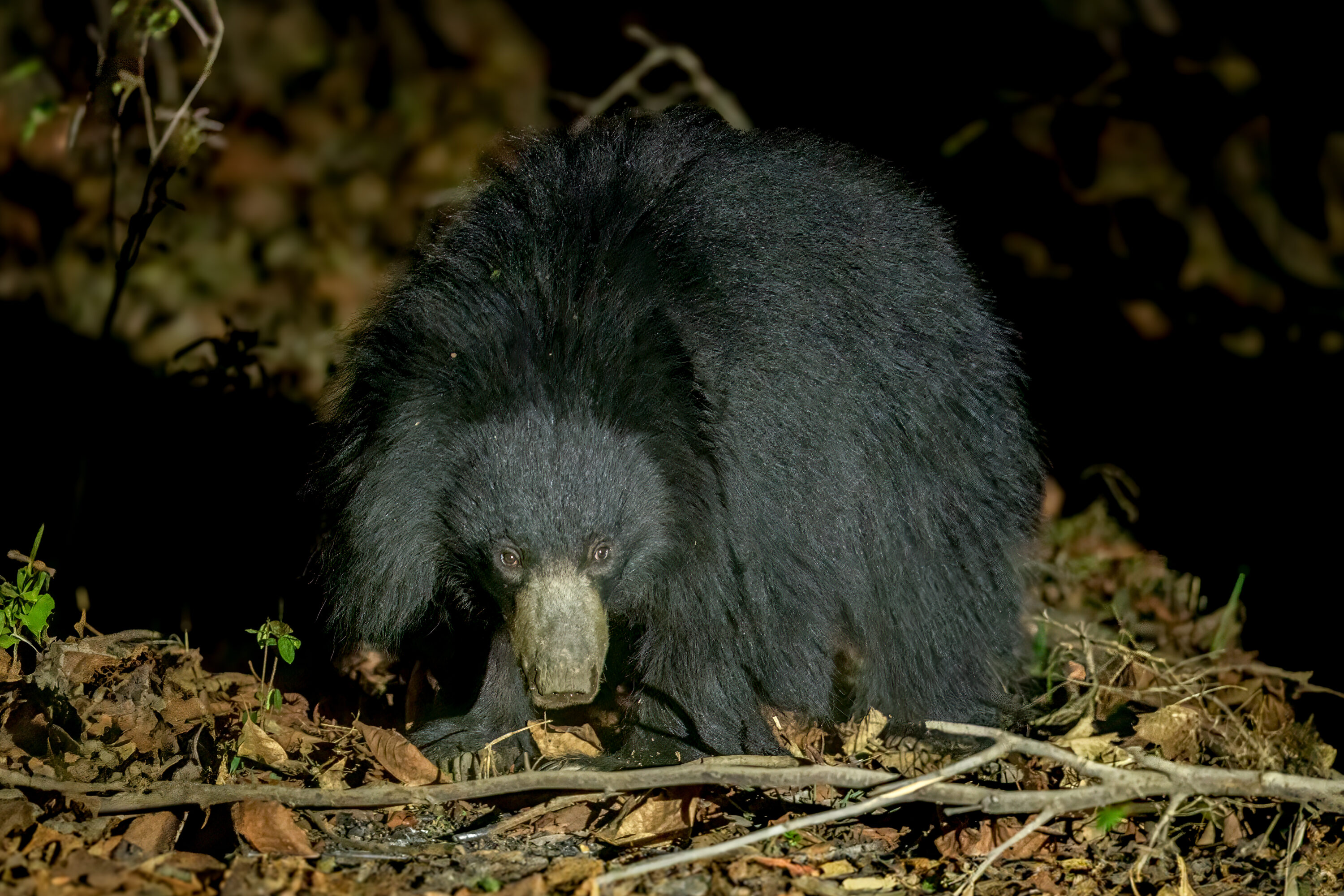
A 2026 study documented three cases in central Gujarat, India where sloth bears (Melursus ursinus) repeatedly entered villages or other human-use areas to feed on discarded food. The cases occurred between October and December 2024 in the wildlife corridor connecting Ratanmahal and Jambughoda wildlife sanctuaries.
At Ambakhut and Kundal villages, researchers collected nine sloth bear scats containing polystyrene and plastic bags and found disposable plates with leftover food. At the Kevdi eco-campsite, four scats contained cooked-food remains and used milk-pouch material. At Limbani, residents reported repeated visits to an anganwadi compound that provides food and basic health services to children. Discarded milk pouches were available there, and camera traps recorded bears feeding on them. Across 33 scat samples, milk pouches were the most common waste item, recorded in 60% of samples, followed by polystyrene (20%), plastic bags (11%) and cooked-food remains (9%).
The researchers worked with forest staff and local communities to remove waste. After the Kevdi campsite was cleaned, they no longer recorded sloth bears around the camp. At Limbani, cleaning was followed by meetings with teachers and children about waste disposal. No sloth bear sign was recorded during daily checks for one week and weekly visits over the next three months. The authors note that longer monitoring is needed to determine whether the effect persists.
The authors describe unmanaged food waste as a potential starting point for food conditioning, in which bears learn to return to predictable human food sources. They also warn that ingesting plastic and polystyrene can create health risks, while repeated attraction to settlements can increase the chance of close encounters. Sustained waste management and community involvement may therefore help discourage repeat visits and maintain more natural foraging patterns.
Management
Related news
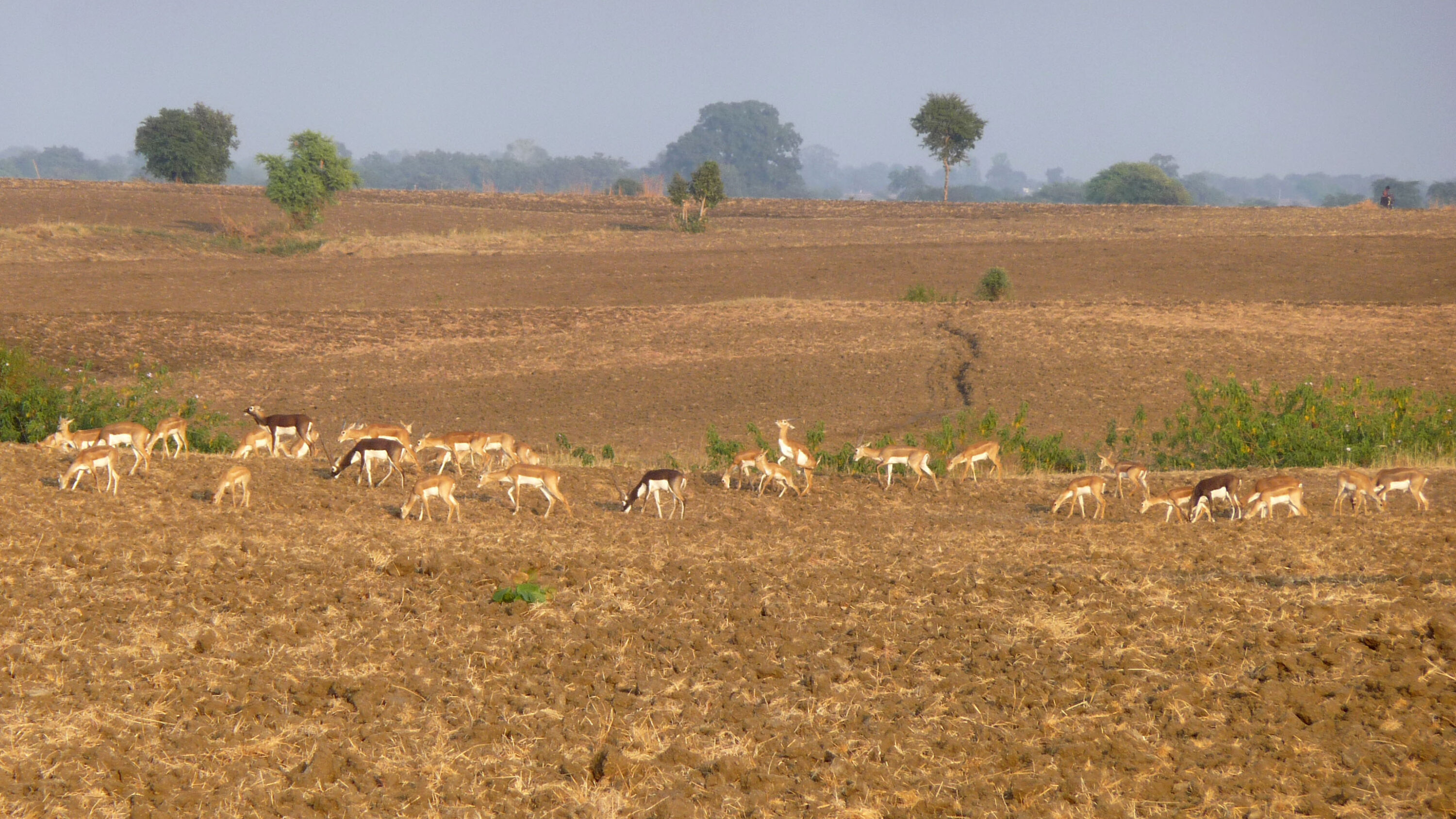
Blackbuck, Striped Hyenas, Sloth Bears and Indian Wolves Occurred Across Koppal’s Agro-pastoral Landscape
In Koppal district, Karnataka, interview-based models estimated occupancy of 63% for blackbuck, 52% for striped hyena and 26%…
Read story →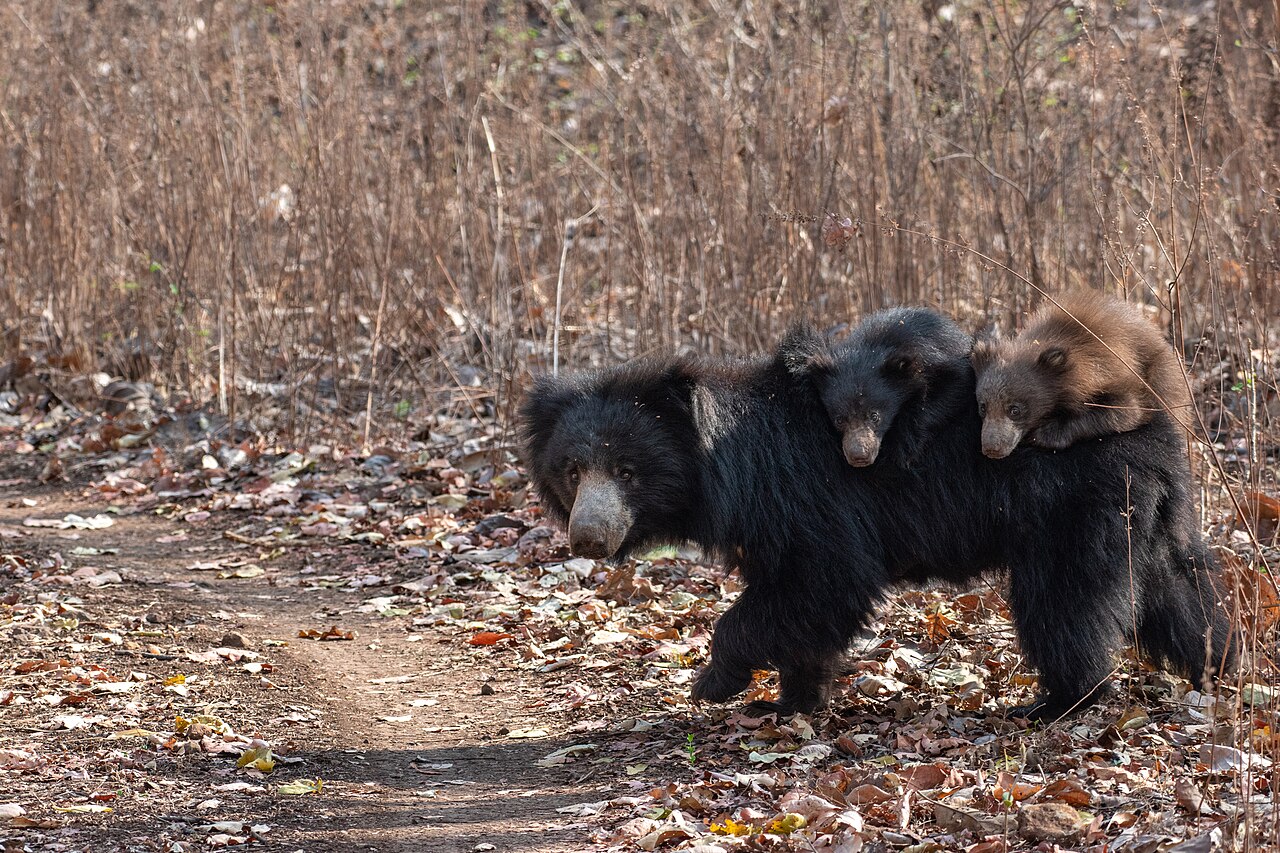
Sloth Bears Act as Selective Seed Dispersers in Western India
A 2026 study shows strong seasonal shifts in sloth bear diet and confirms that seeds of several plant…
Read story →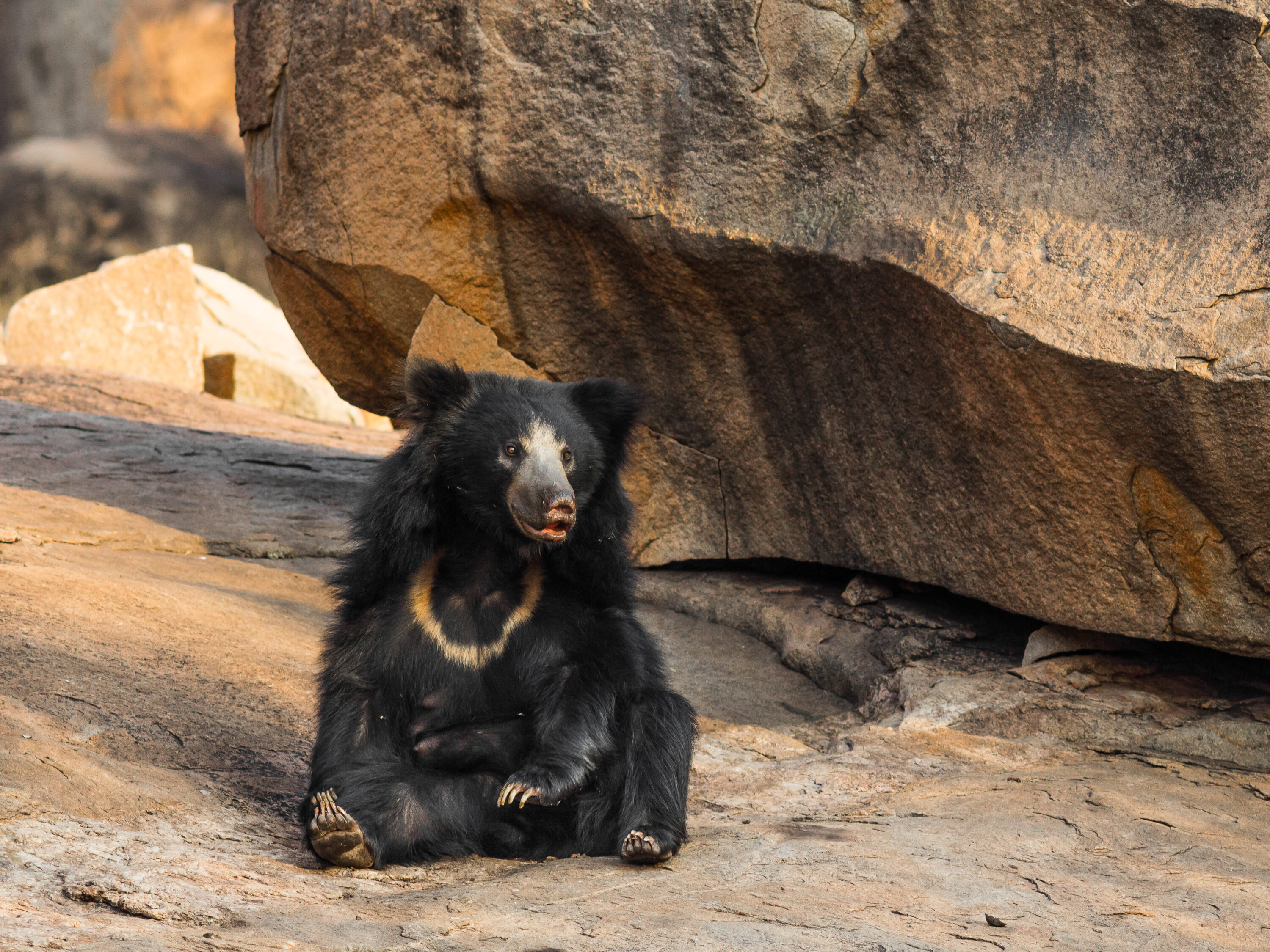
Sloth Bears in Unprotected Gujarat Favoured Riverine Forest
Sign surveys in unprotected parts of Gujarat found that sloth bears strongly favoured riverine forest. Over the same…
Read story →SPECIES IN THIS STORY
Species in this story
Independent research and conservation news archive
Did you find this information useful?
Wildlife Vagabond is independently built and maintained. Voluntary support helps cover source verification, hosting and continued work on research and conservation news.
Support Wildlife VagabondThe news archive will remain freely available.