
H5N1 Drove Local Outbreaks Among Mute Swans Across Southern Norway
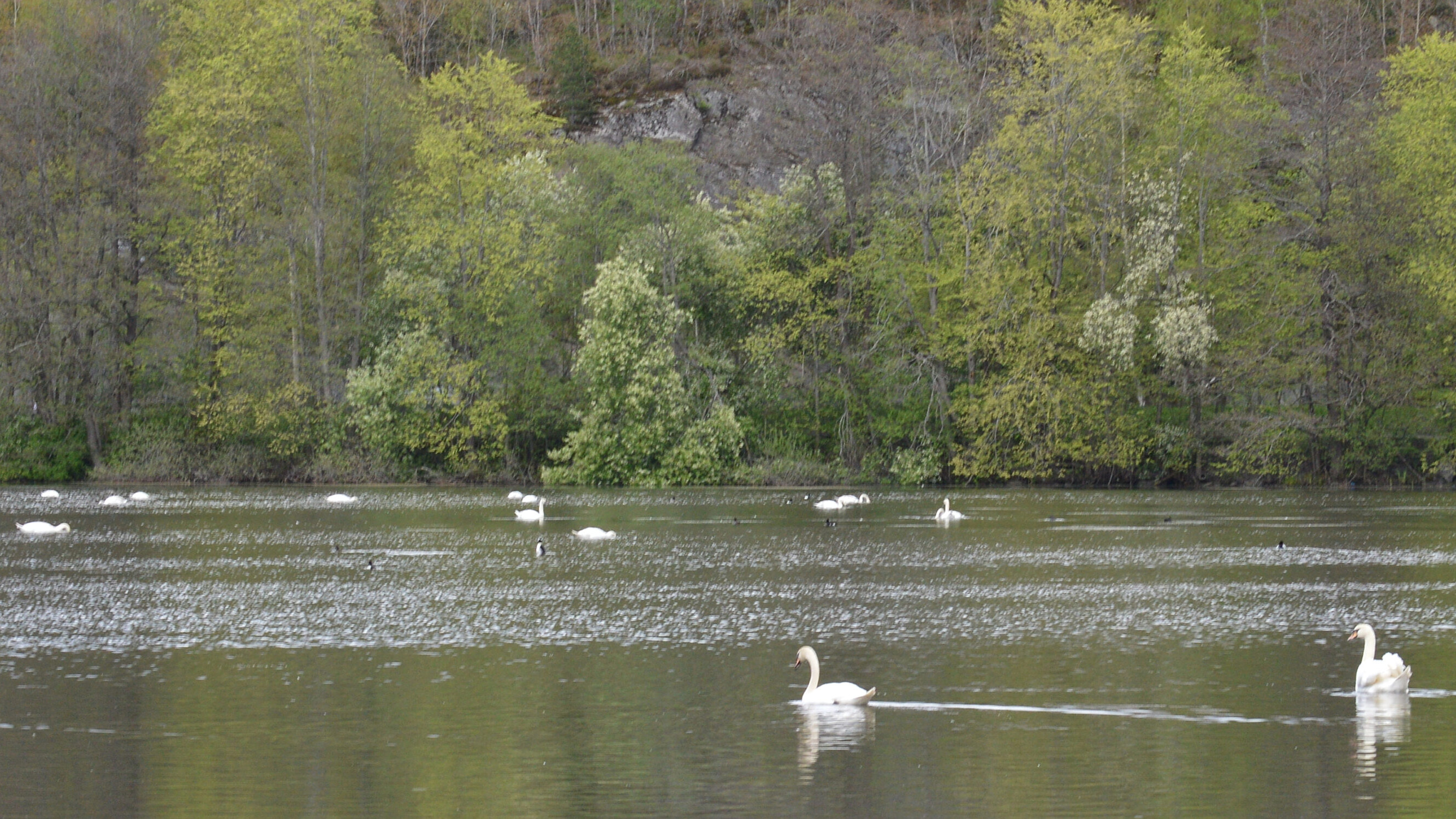
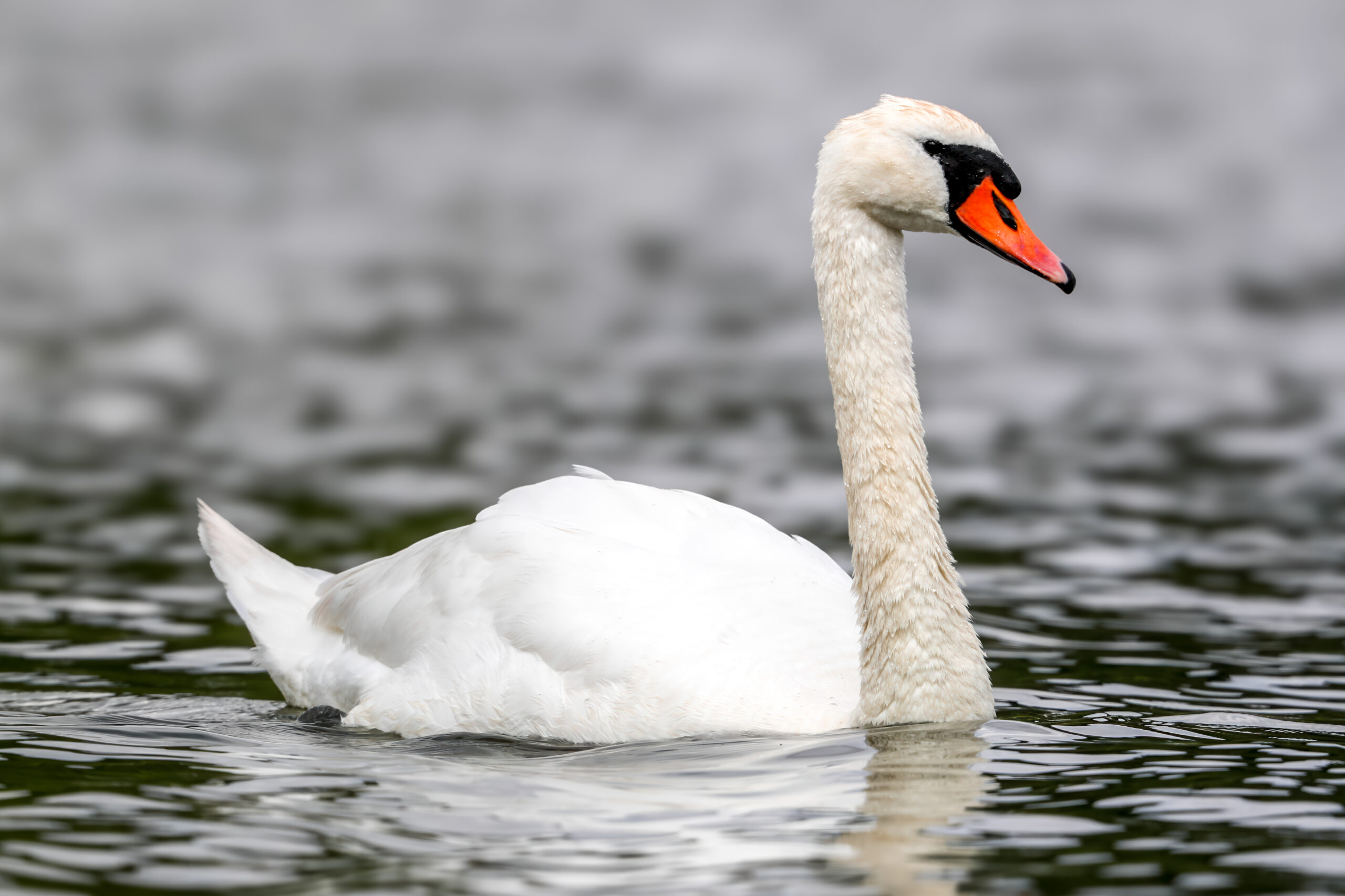
Several local outbreaks of highly pathogenic avian influenza H5N1 affected mute swans (Cygnus olor) in southern Norway during the winter of 2025/2026. The pattern is documented in a status report from the Norwegian Veterinary Institute published on 25 March 2026.
The report covers detections from 21 October 2025 to 20 March 2026. During that period, the Veterinary Institute tested 313 wild birds and confirmed highly pathogenic avian influenza in 65 individuals. Waterfowl were the most affected group, and several local outbreaks involved illness and mortality among swans, especially mute swans.
New cases continued from January into March
H5N1 continued to be detected in mute swans after the turn of the year. In January, three new infected mute swans were recorded in Oslo and Drammen. An outbreak around Bergen followed in early February, with H5N1 confirmed in six mute swans in Bergen and one in Øygarden. Three additional mute swans tested positive in Stavanger in March.
The report notes that many affected birds were sick or found dead. Swans in the local outbreaks often showed signs involving the central nervous system, which the authors say indicated that the virus had affected the brain. Many detections occurred around lakes, coastal areas and harbours in or near densely populated places where waterbirds congregate.
One H5N1 variant dominated
Nearly all characterised Norwegian H5N1 viruses in the reporting period belonged to the EA-2024-DI.2.1 variant, which had dominated in Norway and much of Europe since autumn 2025. The report also notes that the virus could be detected in apparently healthy birds, alongside the visibly sick and dead birds found through passive surveillance.
The winter outbreaks show that mute swans were one of the wildlife species most visibly affected by H5N1 in Norway during this period. Although the number of new detections had begun to decline by March, the Veterinary Institute concluded that the virus was still circulating, particularly among waterfowl, and recommended continued surveillance and vigilance as spring migration progressed.
Disease, parasites & microbiology
Related news
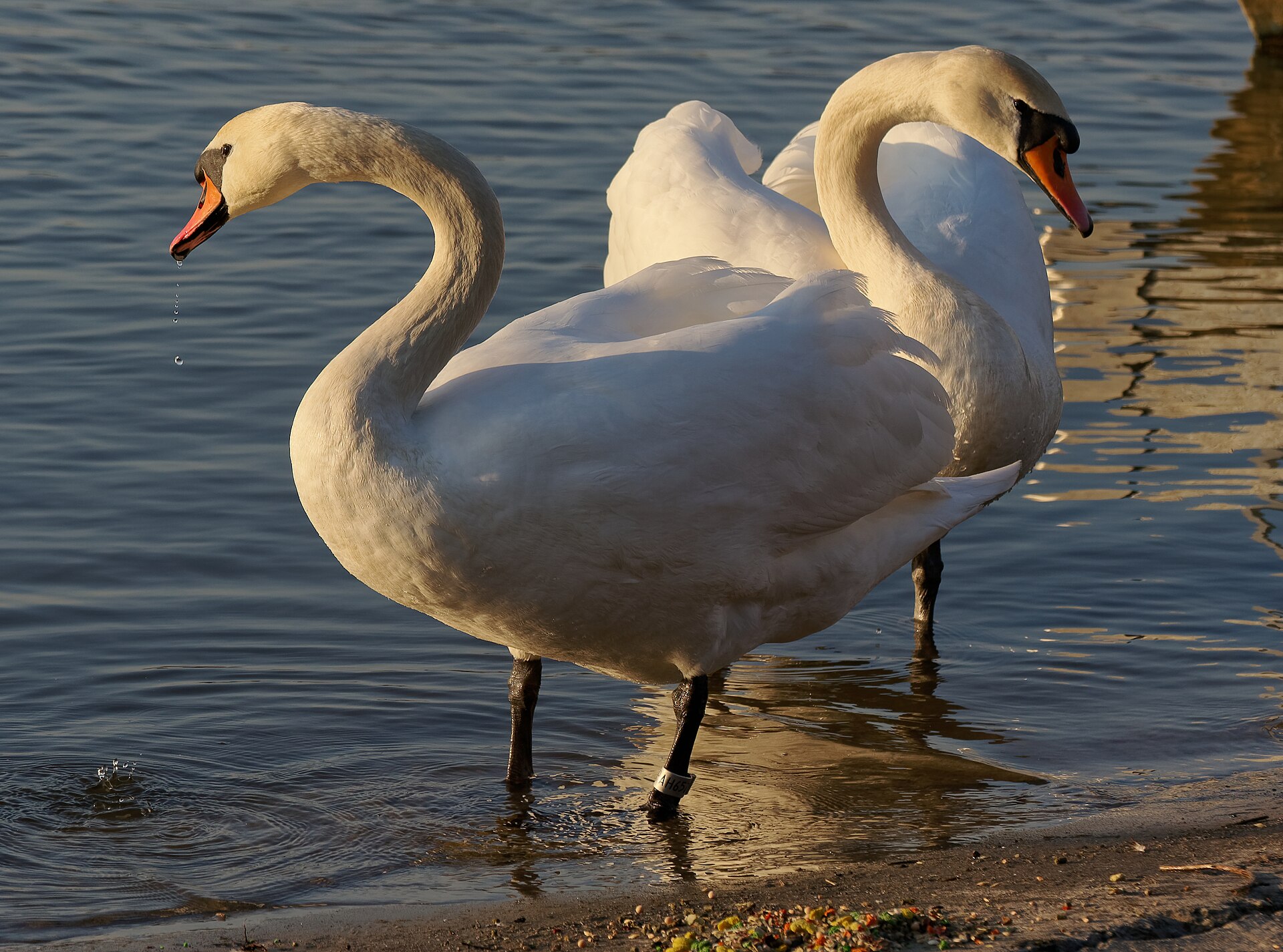
Inland Mute Swans Had Better Winter Body Condition Than Coastal Birds
A study of 853 mute swans in Poland suggests larger energy reserves in the colder interior than along…
Read story →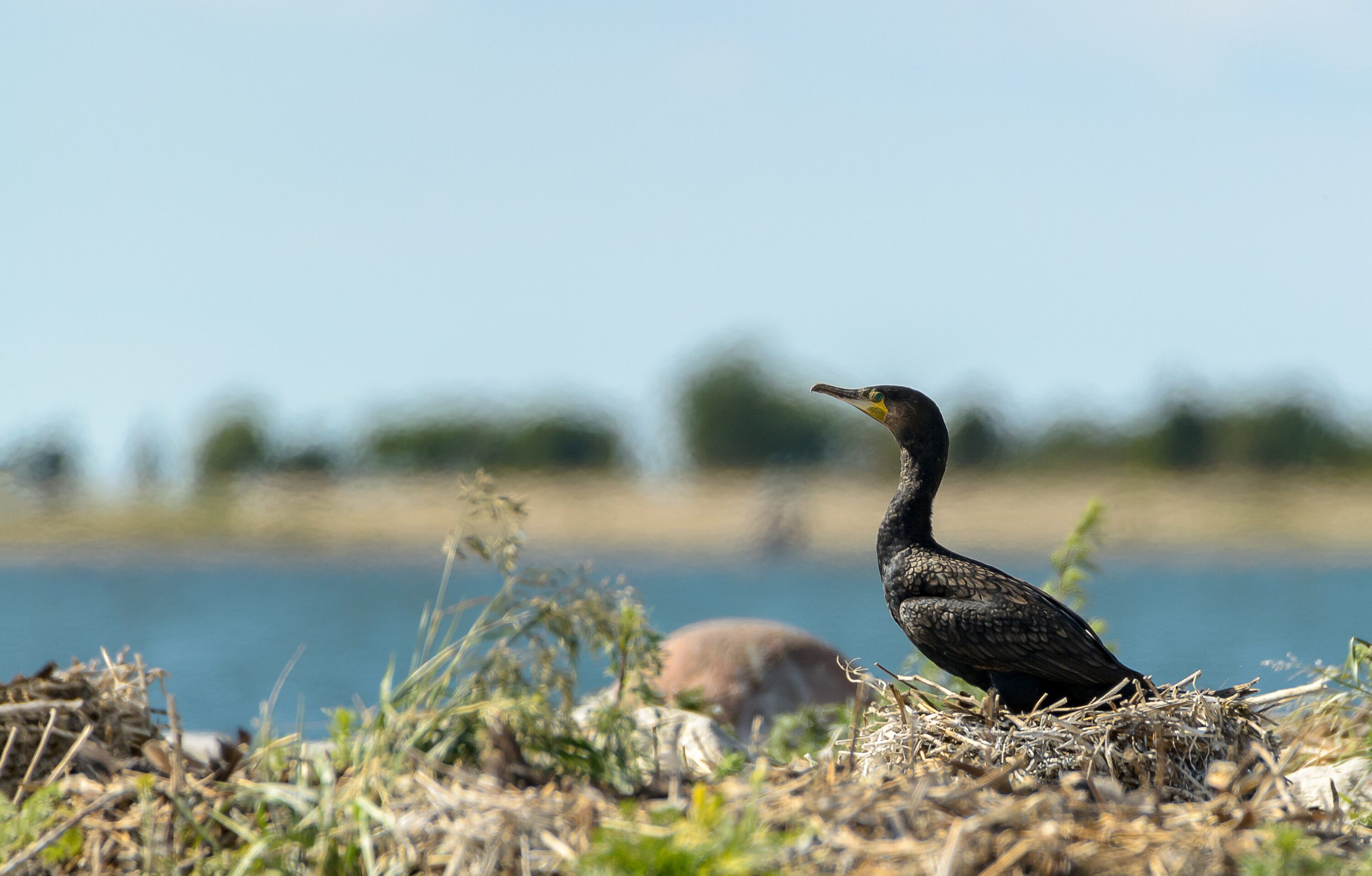
Bird Diversity Fell After Cormorant Colonies Became Established on Baltic Islands
Annual monitoring from 261 Estonian Baltic islands showed that breeding-bird diversity declined after great cormorant colonies became established…
Read story →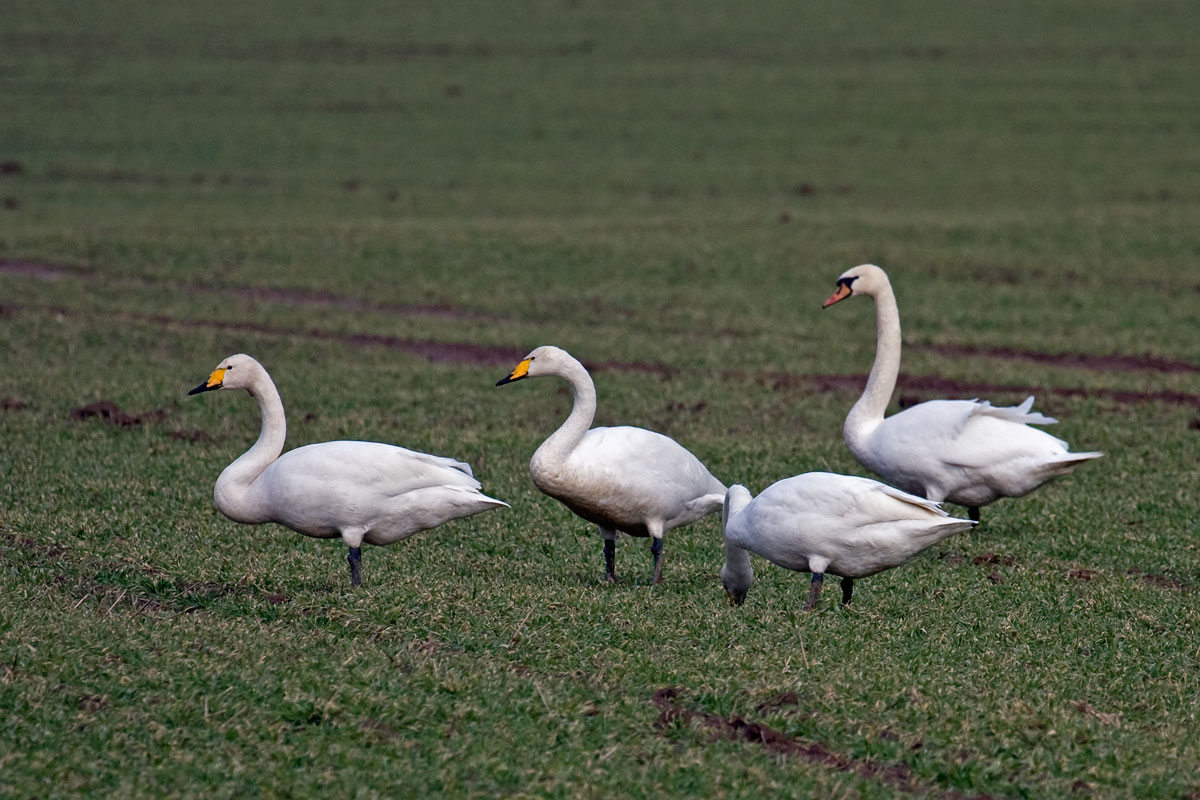
Mute Swan Nests Were More Concealed Where Whooper Swans Also Bred
Across 68 Mute Swan nests in Polish fishpond systems, nests were more concealed when Whooper Swans bred in…
Read story →SPECIES IN THIS STORY
Species in this story
Independent research and conservation news archive
Did you find this information useful?
Wildlife Vagabond is independently built and maintained. Voluntary support helps cover source verification, hosting and continued work on research and conservation news.
Support Wildlife VagabondThe news archive will remain freely available.