
Mute Swan Nests Were More Concealed Where Whooper Swans Also Bred
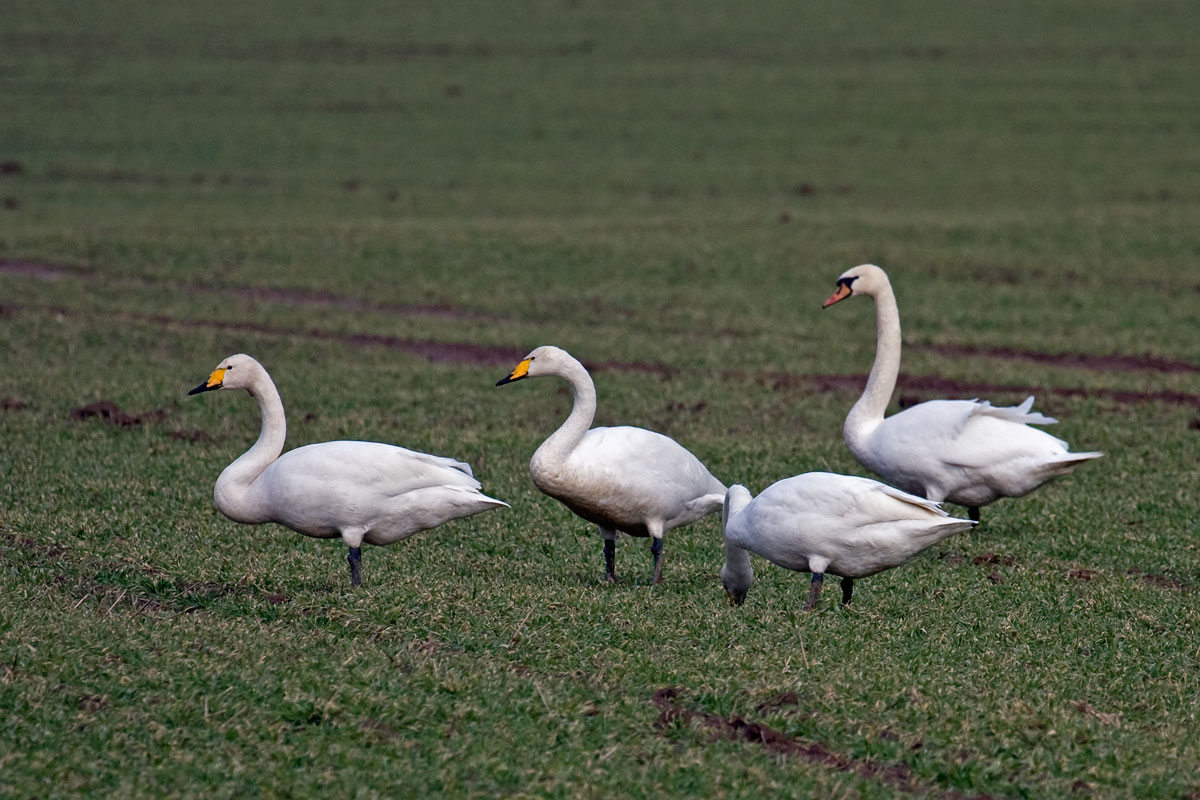
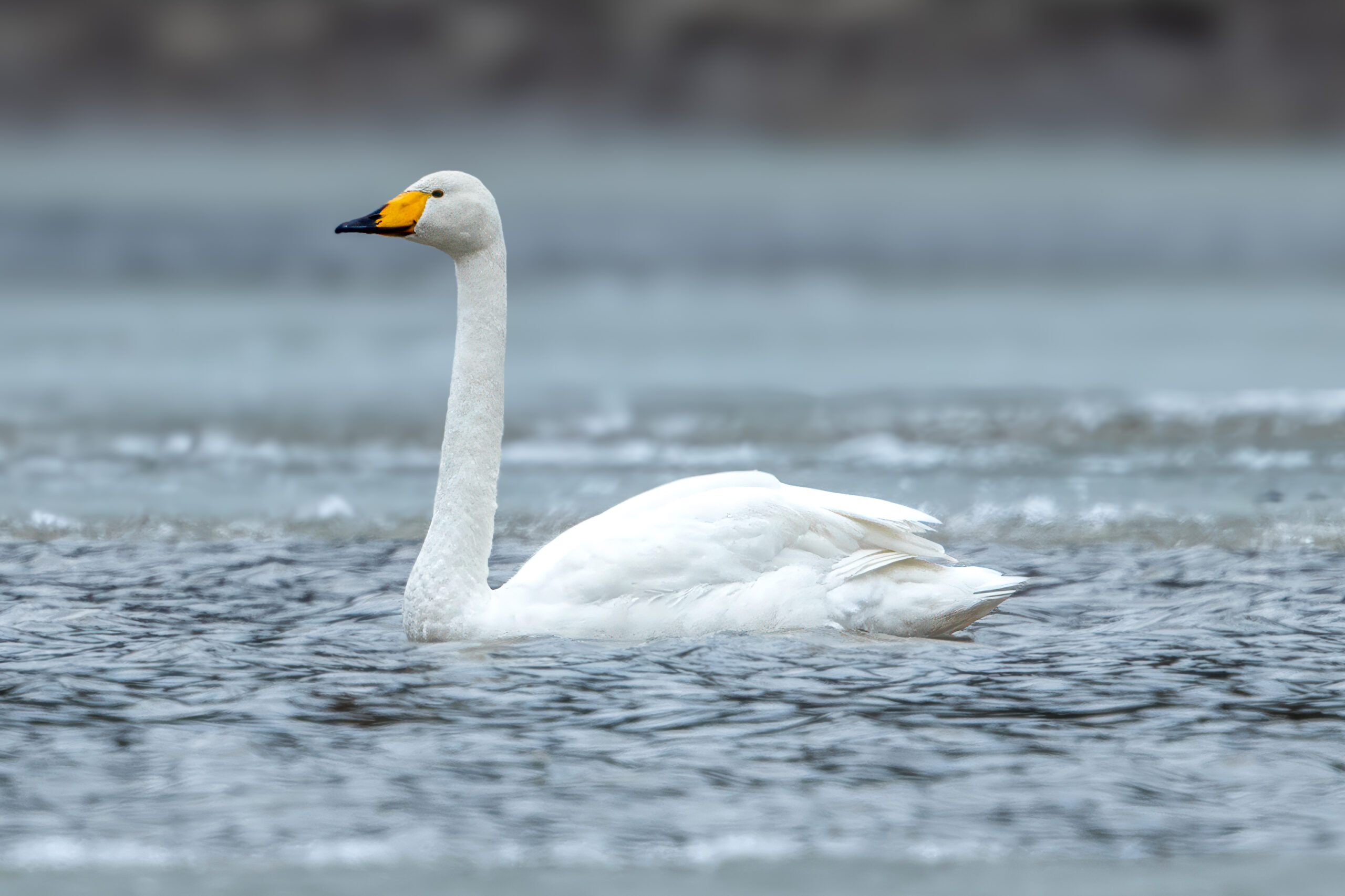
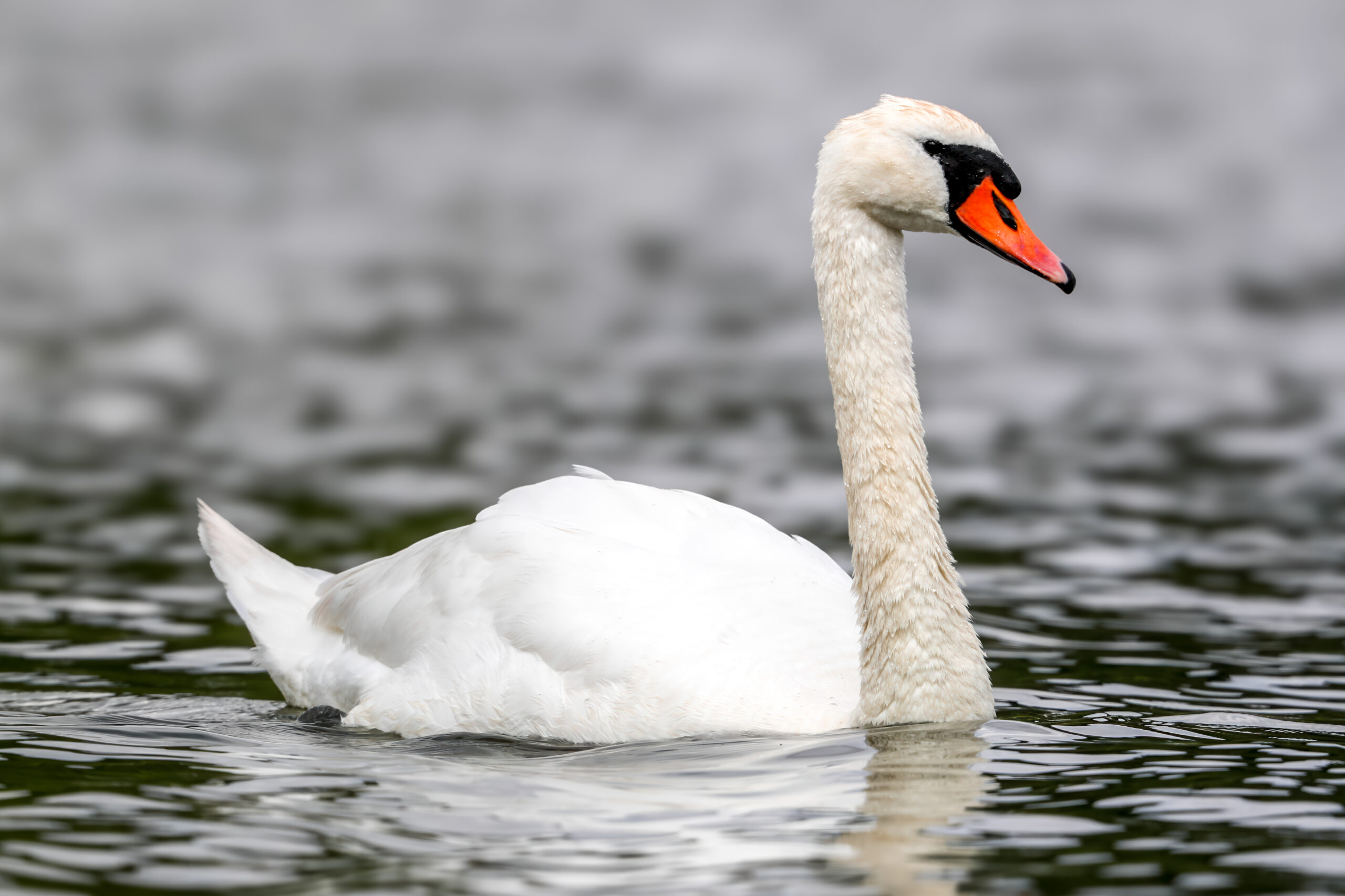
Mute Swan (Cygnus olor) nests were more concealed in Polish fishpond systems where breeding Whooper Swans (Cygnus cygnus) were also present. The study, published on 12 May 2026, compared nest placement under different combinations of neighbours to test how the expansion of the highly territorial Whooper Swan may be associated with Mute Swan nesting strategy.
The researchers analysed 68 Mute Swan nests at two study sites in central and southern Poland. The nests fell into four categories: isolated Mute Swan nests, groups of Mute Swan nests, isolated Mute Swan nests with Whooper Swan neighbours, and groups of Mute Swan nests with Whooper Swans breeding in the same water body or fishpond complex.
“Concealment” combined several features of the nest site
The study did not classify nests simply as hidden or exposed by eye. Researchers built a concealment index that combined several features: how deeply the nest lay within surrounding cover, how much open water surrounded it, how developed the pond vegetation was and whether the nest lay in a sheltered bay. Higher values therefore represented nests that were more visually protected and embedded in surrounding habitat.
A separate isolation index described how far a nest was from the nearest competing swan nest and how many natural or artificial barriers lay between them. The researchers also combined concealment and isolation into a third index. These indices were comparative proxies for nesting strategy; they were not direct measures of reproductive success.
Nests were more concealed when Whooper Swans were neighbours
The clearest pattern concerned concealment. Both isolated and grouped Mute Swan nests had higher concealment values when Whooper Swans were breeding nearby than comparable nests without Whooper Swan neighbours. In contrast, whether a Mute Swan nest was isolated or part of a group made little difference to concealment when the other swan species was absent.
Spatial isolation alone contributed much less to explaining the nesting pattern. The combined concealment–isolation measure also separated Mute Swan nests associated with Whooper Swans from grouped Mute Swan nests without interspecific neighbours, but the main signal came from concealment rather than simply placing nests farther apart.
The authors interpret this as a behavioural response to interspecific competition. Whooper Swans defend large breeding territories and have expanded into Central European fishpond systems that were already used by Mute Swans. More concealed nest placement may reduce encounters or visual exposure to a territorial competitor.
The study was observational rather than an experiment in which Whooper Swans were added or removed. The authors therefore also consider other possibilities: pond structure, vegetation succession and fishpond management could influence which nest sites were available. The concealment indices describe a strong association with Whooper Swan presence, not a direct measurement of aggressive encounters.
An earlier study found a reproductive cost in shared ponds
A separate Polish study published in March 2026 followed 80 Mute Swan breeding pairs and examined reproductive success as well as nest placement. Pairs sharing fishpond systems with breeding Whooper Swans placed nests deeper in reed vegetation and produced fewer cygnets than pairs without Whooper Swan neighbours. In that study, reproductive success was measured directly as the number of cygnets.
The May study did not test reproductive output as its main endpoint. Its contribution is a more detailed analysis of how nest-site strategy changes where the two swan species breed together. Taken together, the studies suggest that coexistence with expanding Whooper Swans is associated both with more concealed nesting by Mute Swans and, in the separate reproductive study, lower breeding output.
Reproduction & development
Related news
Genome Assemblies Released for 73 Anseriformes Species
A 2026 data paper released whole-genome assemblies for 73 species of ducks, geese, swans and other Anseriformes. Each…
Read story →
Inland Mute Swans Had Better Winter Body Condition Than Coastal Birds
A study of 853 mute swans in Poland suggests larger energy reserves in the colder interior than along…
Read story →
Whooper Swans in Urban and Natural Xinjiang Wetlands Had Different Gut Microbiomes
A study of 34 faecal samples found clear differences in gut bacterial communities between whooper swans wintering in…
Read story →SPECIES IN THIS STORY
Species in this story
Independent research and conservation news archive
Did you find this information useful?
Wildlife Vagabond is independently built and maintained. Voluntary support helps cover source verification, hosting and continued work on research and conservation news.
Support Wildlife VagabondThe news archive will remain freely available.