
608 Hawaiian Feral Pigs Had Mostly European Ancestry, but Southeast Asian Ancestry Remained Widespread
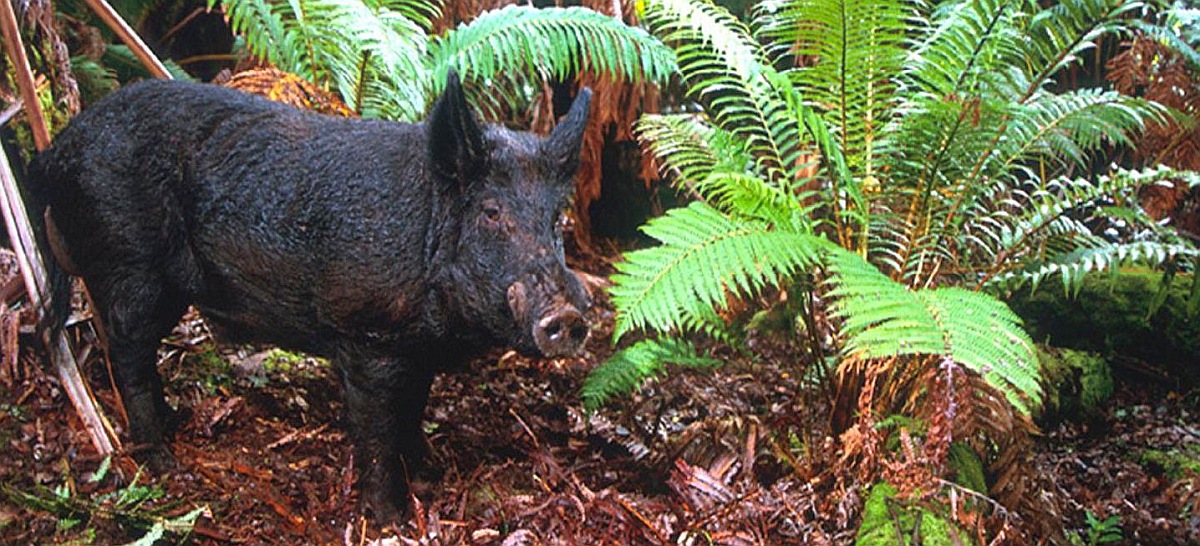
A genome-wide study of 608 feral pigs (Sus scrofa) from Hawaiʻi, Maui, Molokaʻi, Oʻahu and Kauaʻi examined how centuries of introductions have shaped their ancestry. Polynesian settlers brought pigs to Hawaiʻi in the early to mid-1200s, while European pigs began arriving from 1778 onward. The researchers compared contemporary Hawaiian pigs with a global reference set of domestic breeds and wild boar to test whether present-day populations still form a genetically distinctive Polynesian lineage or instead reflect later admixture.
European ancestry dominated, but Southeast Asian ancestry remained widespread
In the full reference-panel analysis, northern and southern European domestic groups accounted for an average of 39.6% of ancestry and European wild boar another 11.4%, giving a combined European contribution of 51.0%. Southeast Asian ancestry averaged 24.3%. A separate analysis that divided ancestry into two broad groups likewise found a larger European than Asian component, about 60% versus 40%.
The Southeast Asian component was present across the islands but varied geographically. It was highest on Oʻahu at about 29% and lowest on Maui and Molokaʻi at about 15%. The authors use Southeast Asian pigs as the closest available reference for the ancestry of pigs originally carried through Polynesia, but no Polynesian pig reference population is available. The Southeast Asian signal is therefore consistent with remnants of early Polynesian introductions, but it does not demonstrate a distinct Polynesian genomic lineage.
Admixture may have helped preserve genetic diversity
All 608 Hawaiian pigs showed statistically supported ancestry from more than one reference cluster. The researchers also examined runs of homozygosity, stretches of the genome that can reveal past isolation and inbreeding. Hawaiian pigs showed levels of homozygosity comparable to genetically managed domestic herds rather than the stronger signature expected from a small, long-isolated island lineage.
The authors interpret this as evidence that repeated gene flow and hybridisation have probably reduced the loss of genetic diversity that might otherwise be expected after a single island introduction. They suggest that the restored diversity could also have increased evolutionary potential, helping contemporary feral pigs exploit an ecological landscape very different from that encountered by the first Polynesian pigs. This is an interpretation of the genetic pattern, not a directly tested ecological effect.
The genetic result does not remove the cultural management dilemma
The study rejects the hypothesis that contemporary Hawaiian feral pigs represent a unique, isolated population primarily descended from Southeast Asian or Polynesian pigs. European domestic ancestry is the dominant influence, although Asian ancestry remains substantial. At the same time, the authors stress that ancestry does not erase the cultural importance of pigs in Hawaiʻi. Modern feral pigs damage native ecosystems and endemic species, while hunting and pigs themselves also remain important to local and Indigenous communities.
The genetic results clarify the composition of contemporary populations, but the authors conclude that management will still require strong working relationships among stakeholders and wildlife managers. Their findings change how the ancestry of Hawaiʻi’s feral pigs is understood; they do not remove the animals’ cultural significance in Hawaiʻi.
Genetics & genomics
Related news
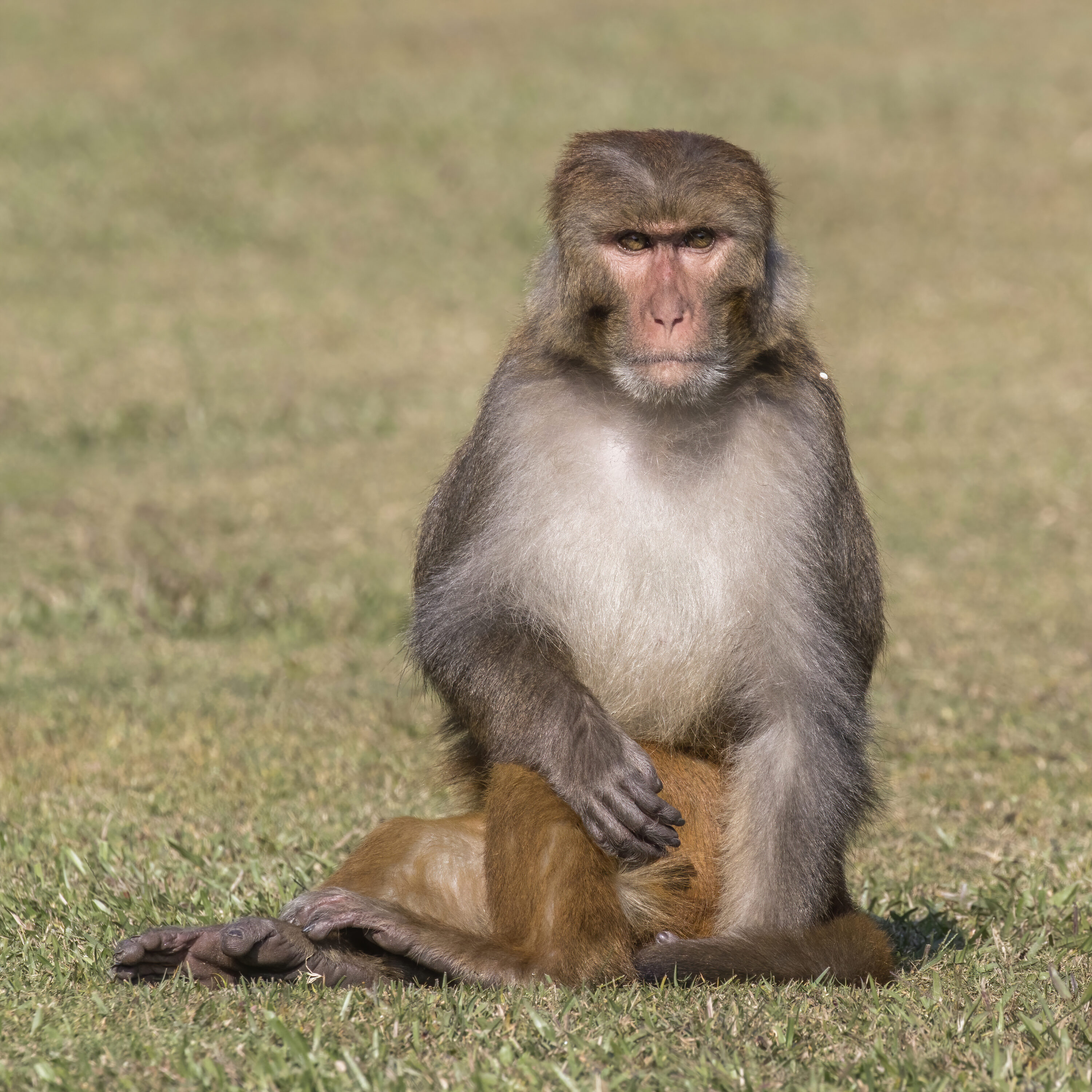
mFISH Mapped 16 of 22 Rhesus Macaque Chromosome Types to a Single Human Chromosome
Human chromosome-painting probes showed one-to-one homology for 16 of 22 rhesus macaque chromosome types, while three macaque chromosomes…
Read story →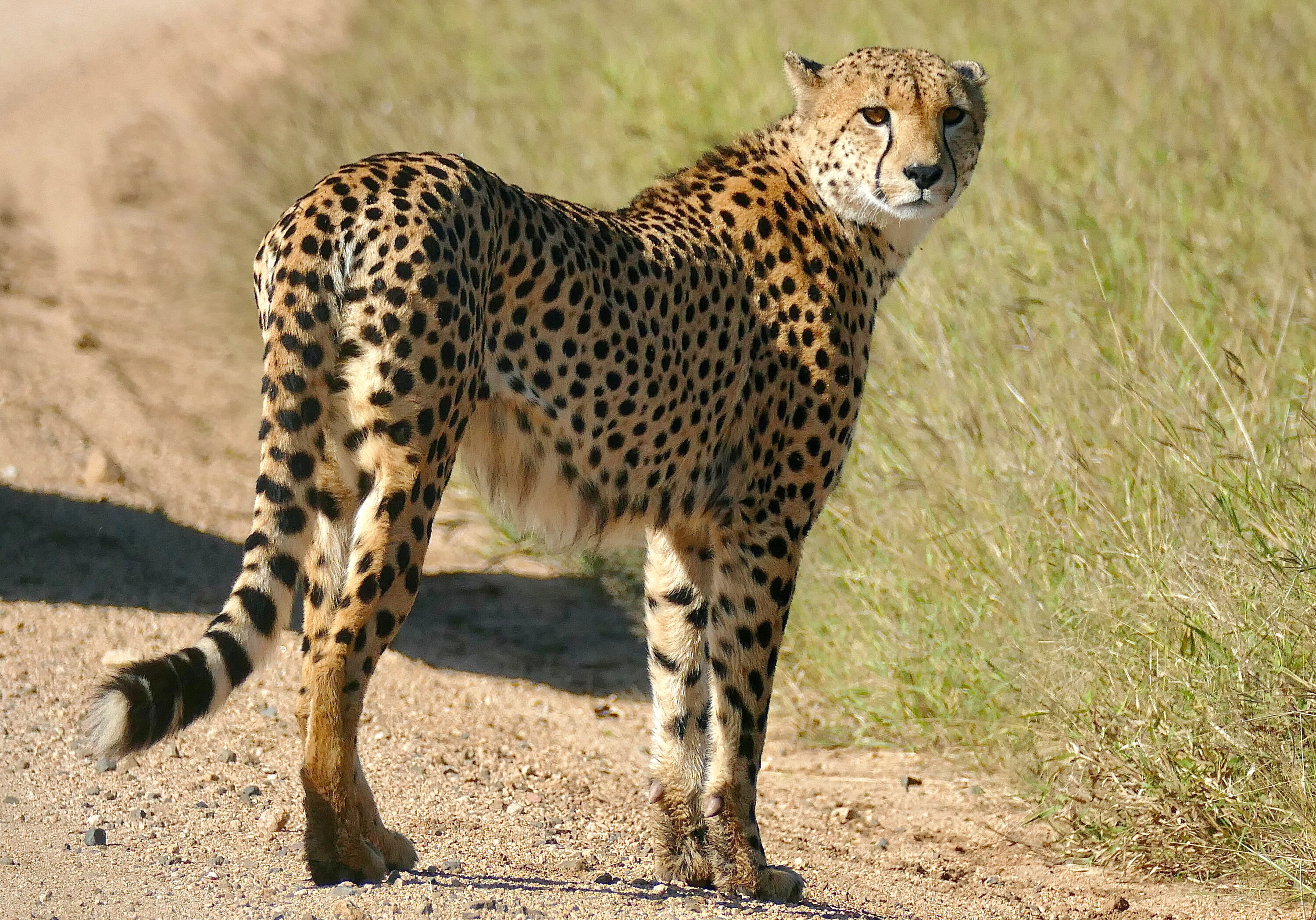
DNA Methylation Shifted as Namibian Male Cheetahs Became Territorial
Paired blood samples from ten free-ranging Namibian males revealed widespread, predominantly increased DNA methylation after the same cheetahs…
Read story →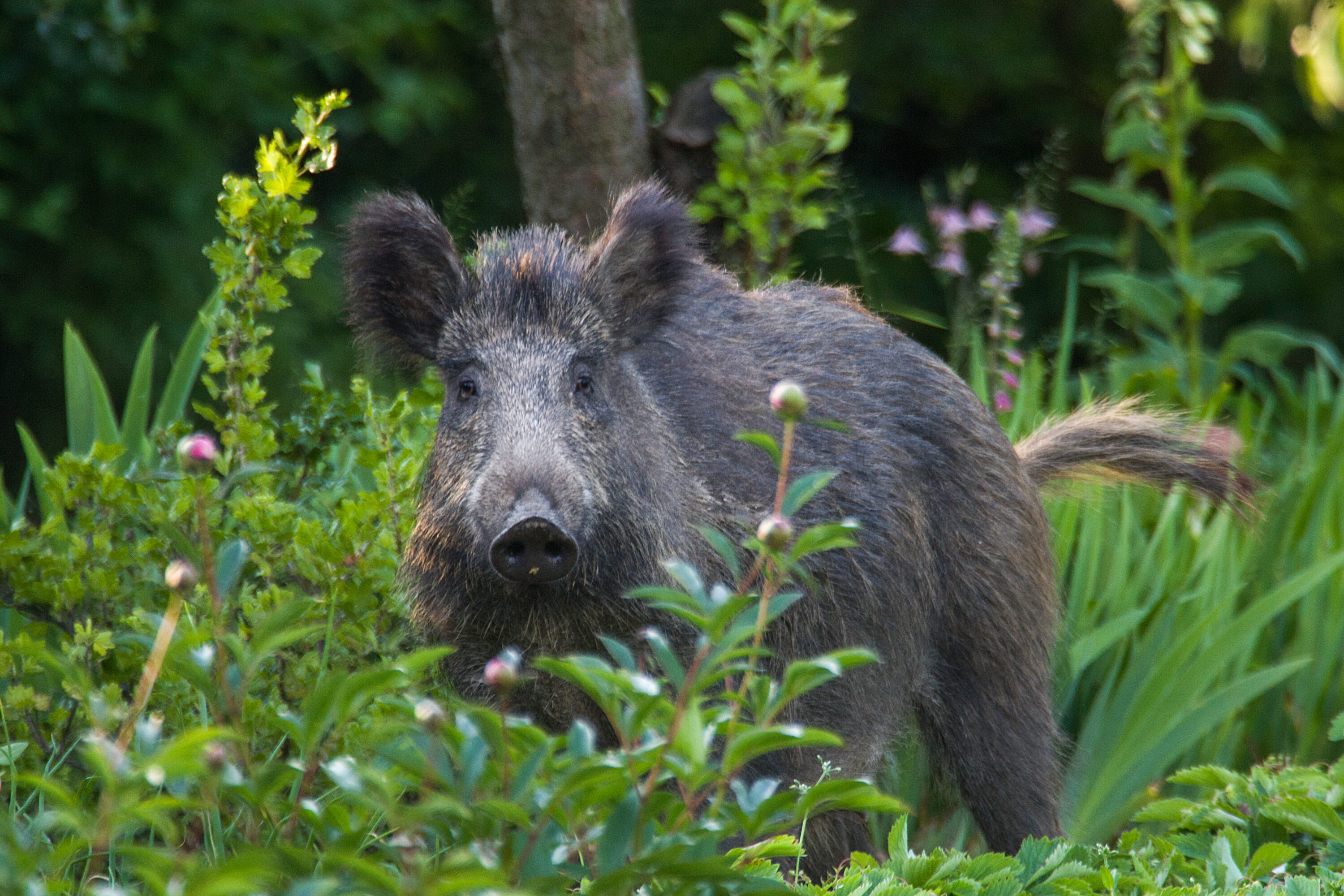
Zoonotic Sarcocystis Found in 3.3% of Polish Wild Boar Hunted for Food
Molecular testing of 241 wild boar from all 16 Polish provinces found Sarcocystis miescheriana DNA in 90% and…
Read story →SPECIES IN THIS STORY
Species in this story
Independent research and conservation news archive
Did you find this information useful?
Wildlife Vagabond is independently built and maintained. Voluntary support helps cover source verification, hosting and continued work on research and conservation news.
Support Wildlife VagabondThe news archive will remain freely available.