
Three Pelagic Fishes Made Up 93.8% of Fish Prey Taken by Heermann’s Gulls and Elegant Terns at Isla Rasa
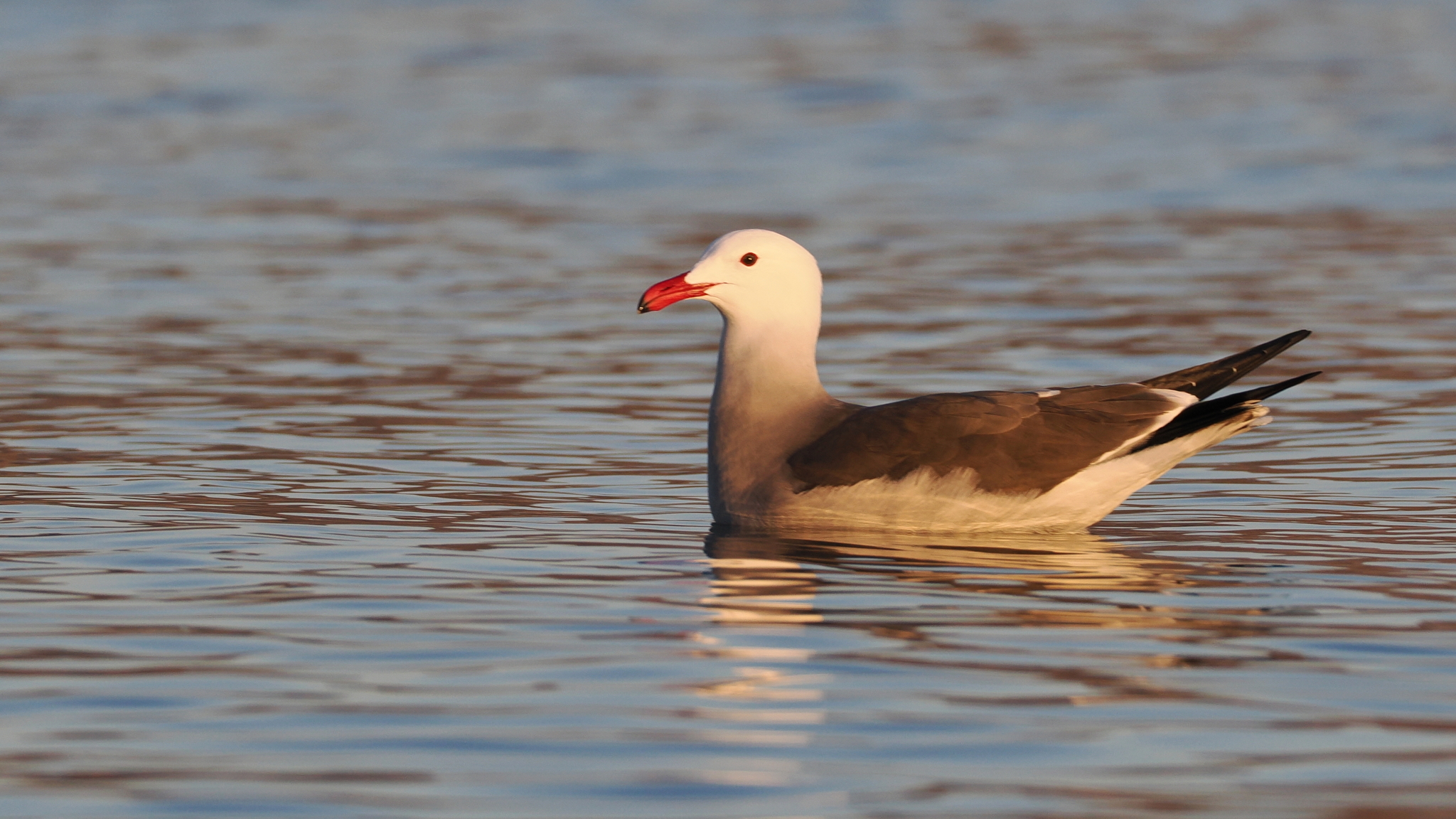
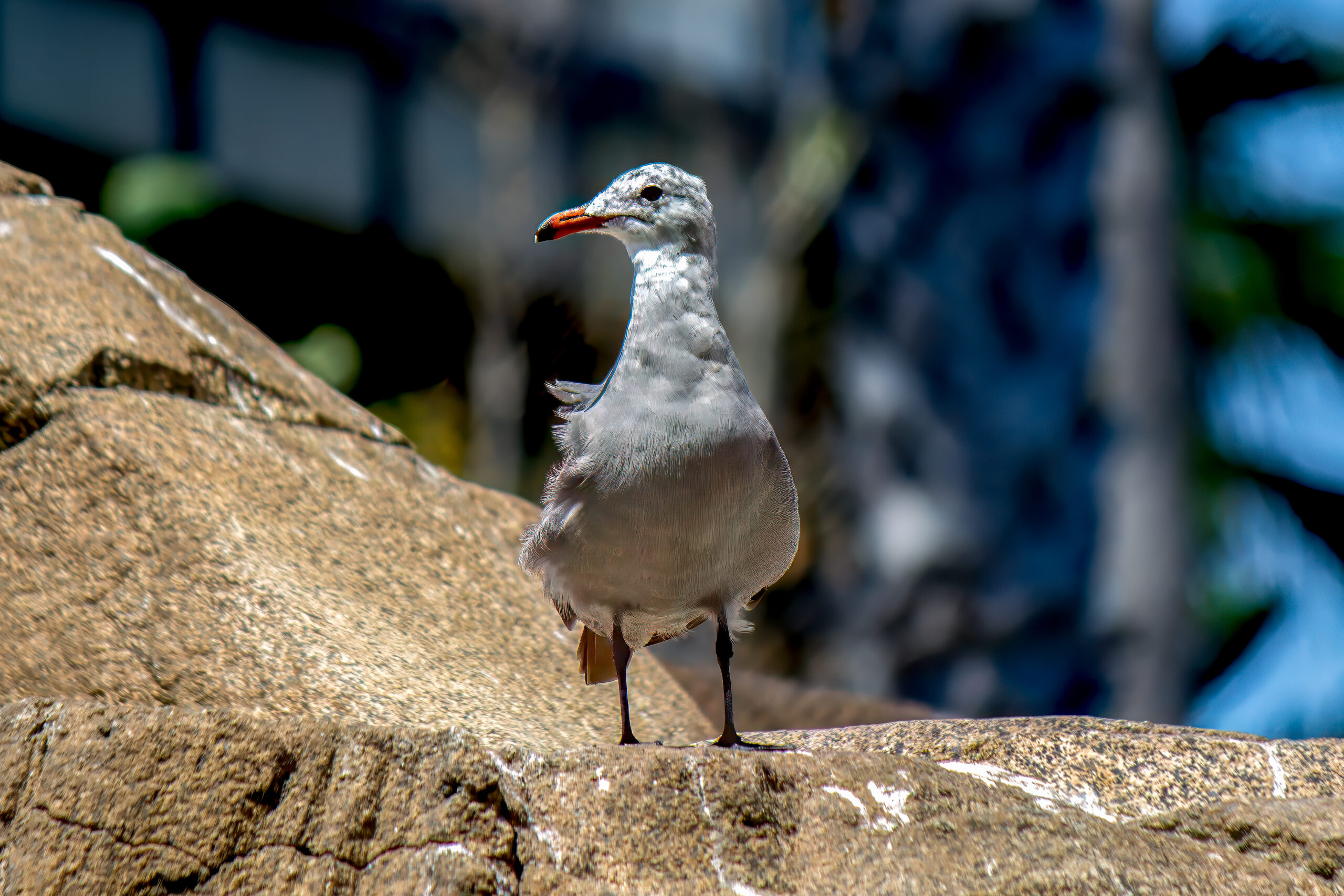
A long-running diet study at Isla Rasa in Mexico’s Gulf of California found that Heermann’s gulls (Larus heermanni) and elegant terns (Thalasseus elegans) depended overwhelmingly on the same small set of pelagic prey, while royal terns (Thalasseus maximus) used a much broader range of fishes and foraging habitats.
Researchers compared food samples collected during eight breeding seasons between 1996 and 2011. Fresh regurgitations were collected from all three species, while prey carried in the bill were also sampled from the terns. The samples were identified using whole prey, diagnostic remains and, particularly for the more digested Heermann’s gull samples, fish otoliths—small calcified structures in the inner ear that can remain identifiable after softer tissues have been digested.
Three forage fishes dominated the gull and elegant tern diets
Heermann’s gulls and elegant terns together used 17 prey taxa: 15 fish species and two pelagic crustaceans. Among the fish prey taken by the two seabirds, 93.8% represented just three pelagic species—northern anchovy (Engraulis mordax), Pacific sardine (Sardinops sagax) and Pacific chub mackerel (Scomber japonicus). The diets of the gull and elegant tern did not differ significantly, and 99% of their fish prey species were pelagic.
Royal terns used a much broader prey spectrum
Royal terns showed a substantially wider trophic niche. Their samples contained 36 fish species from 20 families, plus pelagic squat lobster, and only about half of their prey species were pelagic. The same three dominant forage fishes still made up roughly three-quarters of the royal tern diet, but the wider range of prey and habitats distinguished the species from the other two seabirds.
Isla Rasa holds exceptionally dense breeding aggregations, with the study describing colonies of about 260,000 Heermann’s gulls, 300,000 elegant terns and up to 17,000 royal terns. The authors suggest that the differences in diet and foraging habitat help reduce competition among species sharing the same crowded nesting site. They also identify the continuing growth of commercial fisheries for pelagic forage fish in the region as a threat to these seabirds and the wider Gulf of California food web.
Ecology
Related news
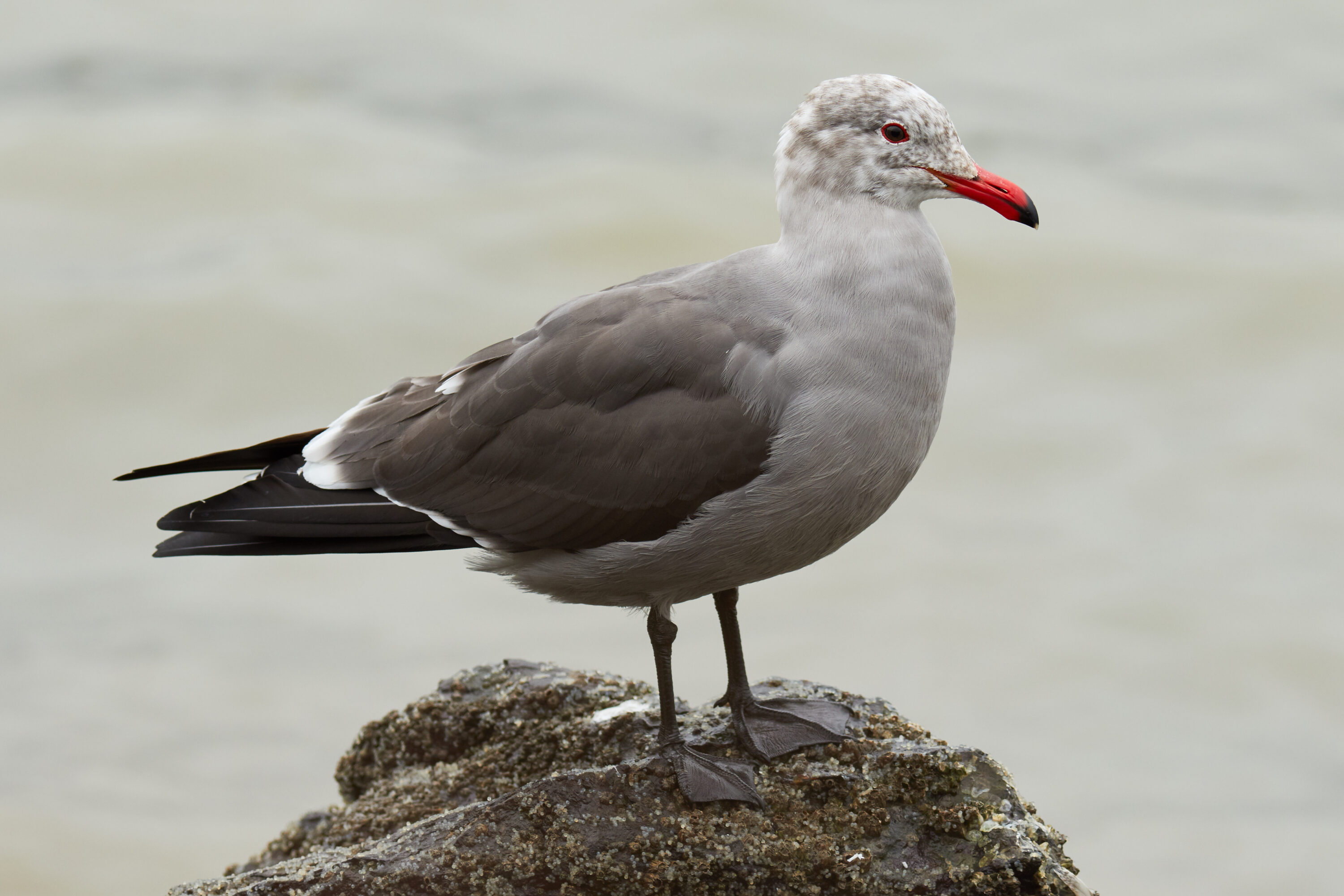
Banding Linked Seaside Heermann’s Gulls to a Gathering of About 120 Birds at Monterey State Beach
A 2026 monitoring project for the only U.S. breeding colony of Heermann’s gull counted about 120 birds at…
Read story →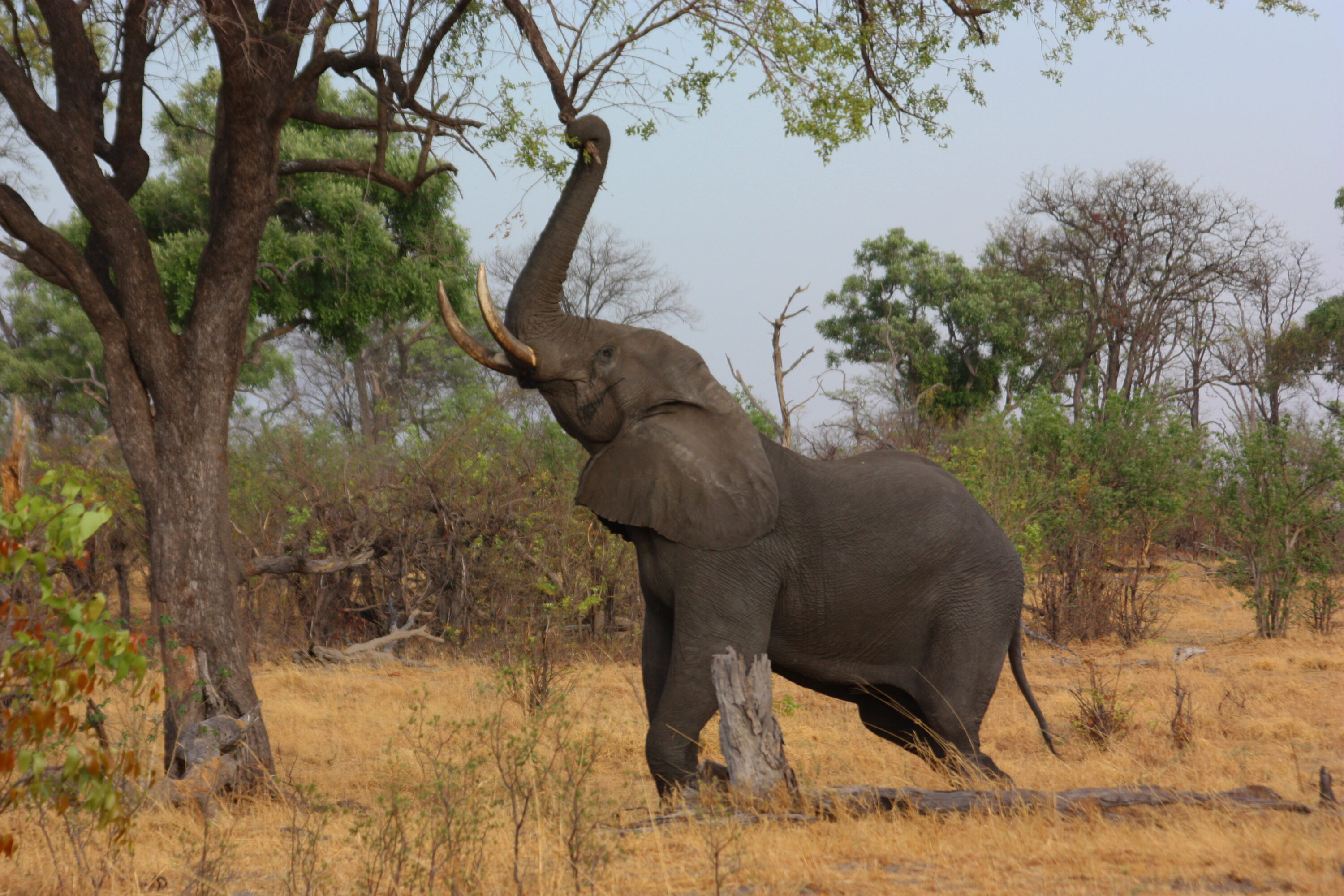
African Bush Elephants Distinguished Artificial Food-Quantity Patterns at Close Range
In experiments in South Africa, four semi-tame elephants chose between visual patterns representing canopy size and leaf density.…
Read story →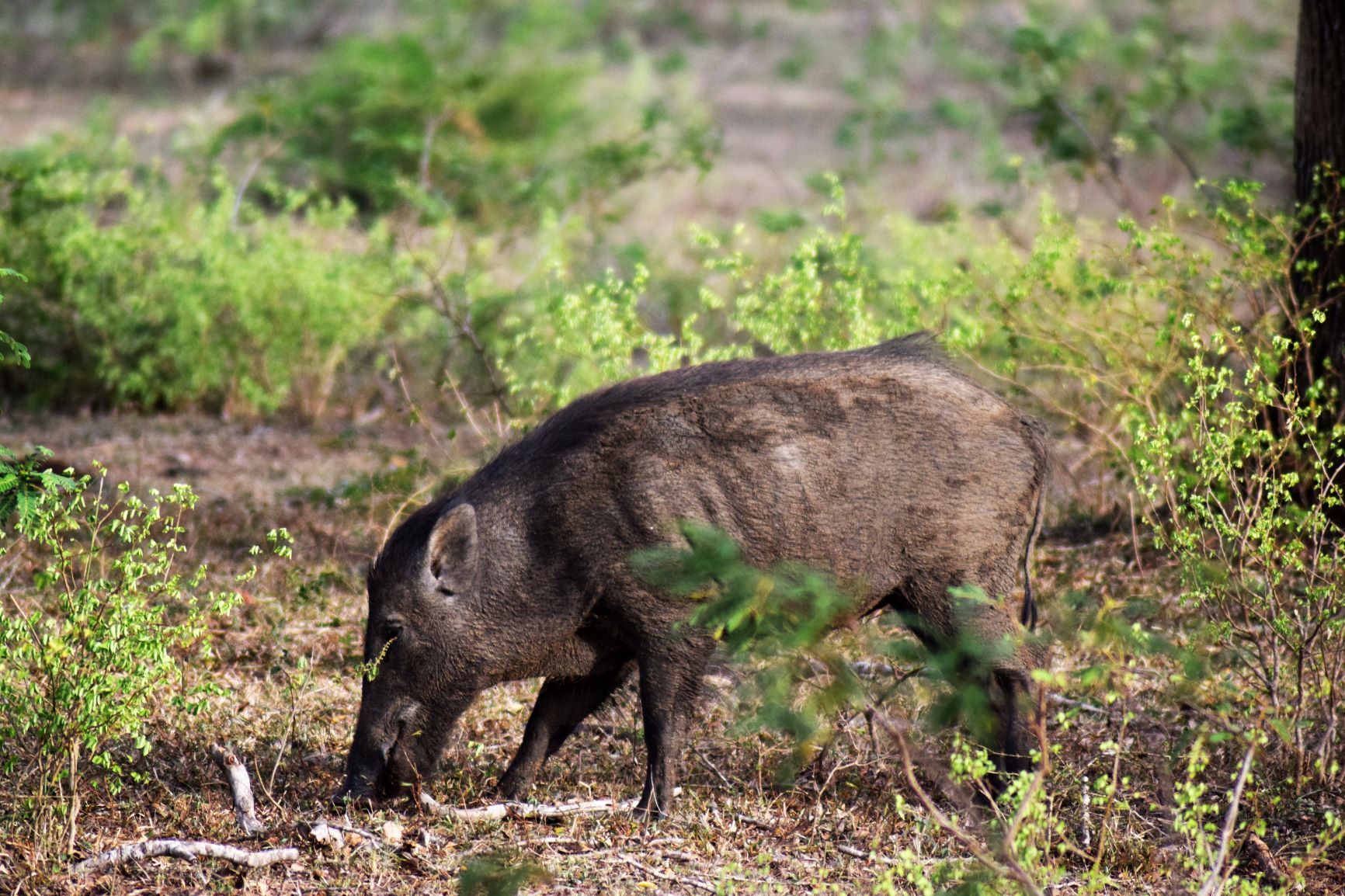
Maps Show Where Wild Boar Could Thrive and Spread on Jeju Island
Researchers mapped potentially suitable wild-boar habitat across roughly 36% of Jeju Island and identified eight possible corridors linking…
Read story →SPECIES IN THIS STORY
Species in this story
Independent research and conservation news archive
Did you find this information useful?
Wildlife Vagabond is independently built and maintained. Voluntary support helps cover source verification, hosting and continued work on research and conservation news.
Support Wildlife VagabondThe news archive will remain freely available.