
Immature Helmeted Guineafowl Consumed More Animal Food in Nigerian Savanna

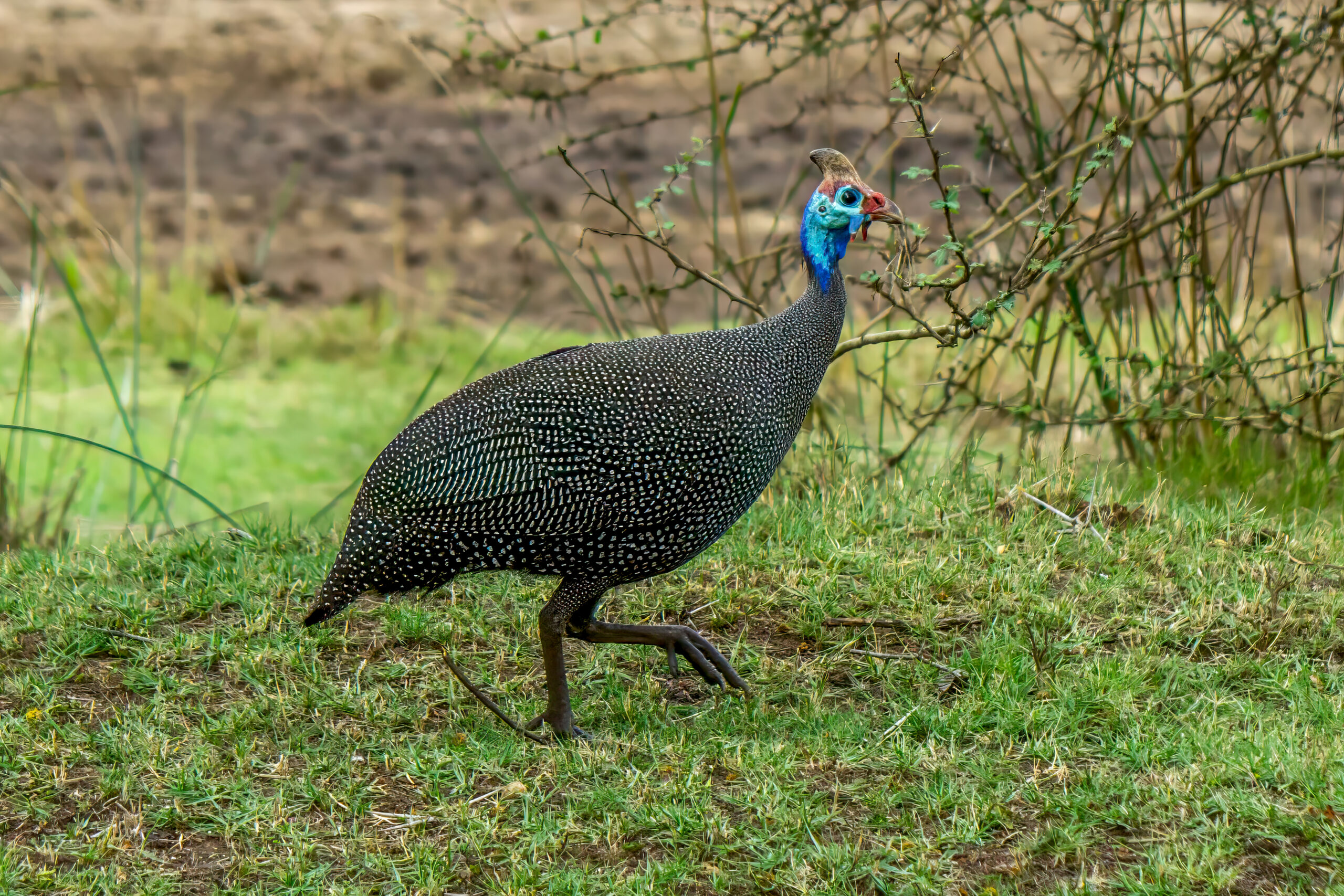
A study of wild helmeted guineafowl (Numida meleagris) in the savanna landscape around Ofaji in Kogi State, Nigeria, found a broad mixed diet and a clear age-related difference: immature birds consumed significantly more animal food than mature birds.
Researchers examined the crop and gizzard contents of 67 wild guineafowl collected in 2022. The sampling covered both an off-farming period from January to April and a farming period from May to December, allowing the team to compare diet according to age, sex and time of year.
The diet contained 42 types of food
Altogether, 42 types of food were identified. Eighteen were animal foods, mostly arthropods along with earthworms, while 24 came from plants. Ants and termites were especially frequent among the animal foods. The plant component included both wild resources and cultivated crops, with grass seeds, cowpea, sorghum, maize and sesame among the foods recorded.
Immature birds consumed more animal food
The strongest difference was linked to age. Immature birds consumed roughly twice as much animal food as mature birds. Plant-food consumption was similar between the two age groups. Males and females also showed no clear difference in their consumption of either plant or animal foods. Although individual food items changed between the two collection periods, overall plant- and animal-food intake was similar between them.
The authors interpret the greater intake of animal food by immature birds in relation to the higher protein requirements of growing young. More broadly, they describe helmeted guineafowl as euryphagic: able to use a wide range of foods from both plant and animal sources. They conclude that food choice in the Ofaji population appears to depend strongly on what is available and accessible at a given time.
Ecology
Related news
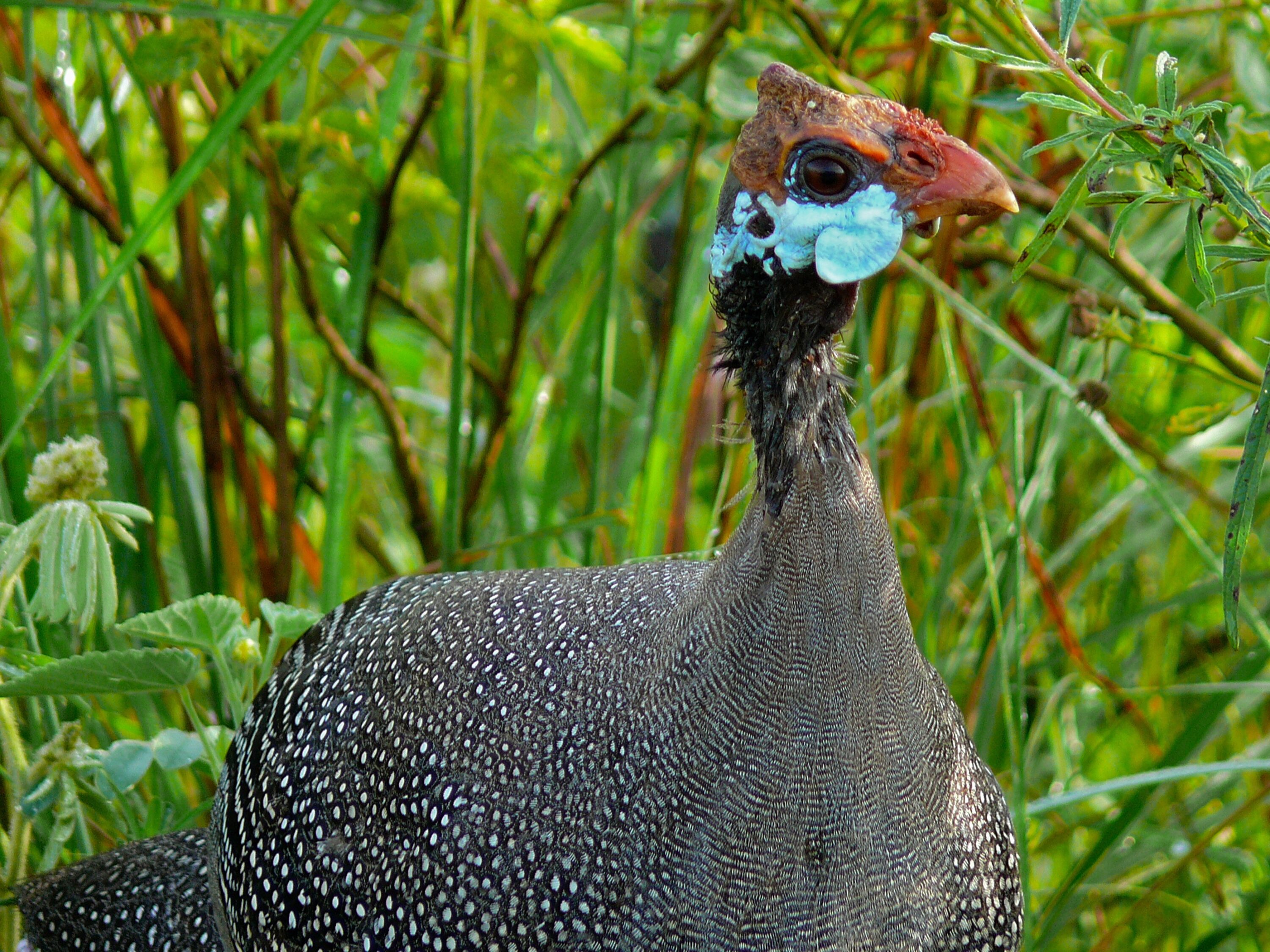
Helmeted Guineafowl Had Denser Support Tissue Along the Wing’s Leading Edge Than Domestic Chickens
A comparison of 15 helmeted guineafowl and 14 domestic chickens found denser connective tissue in the membrane along…
Read story →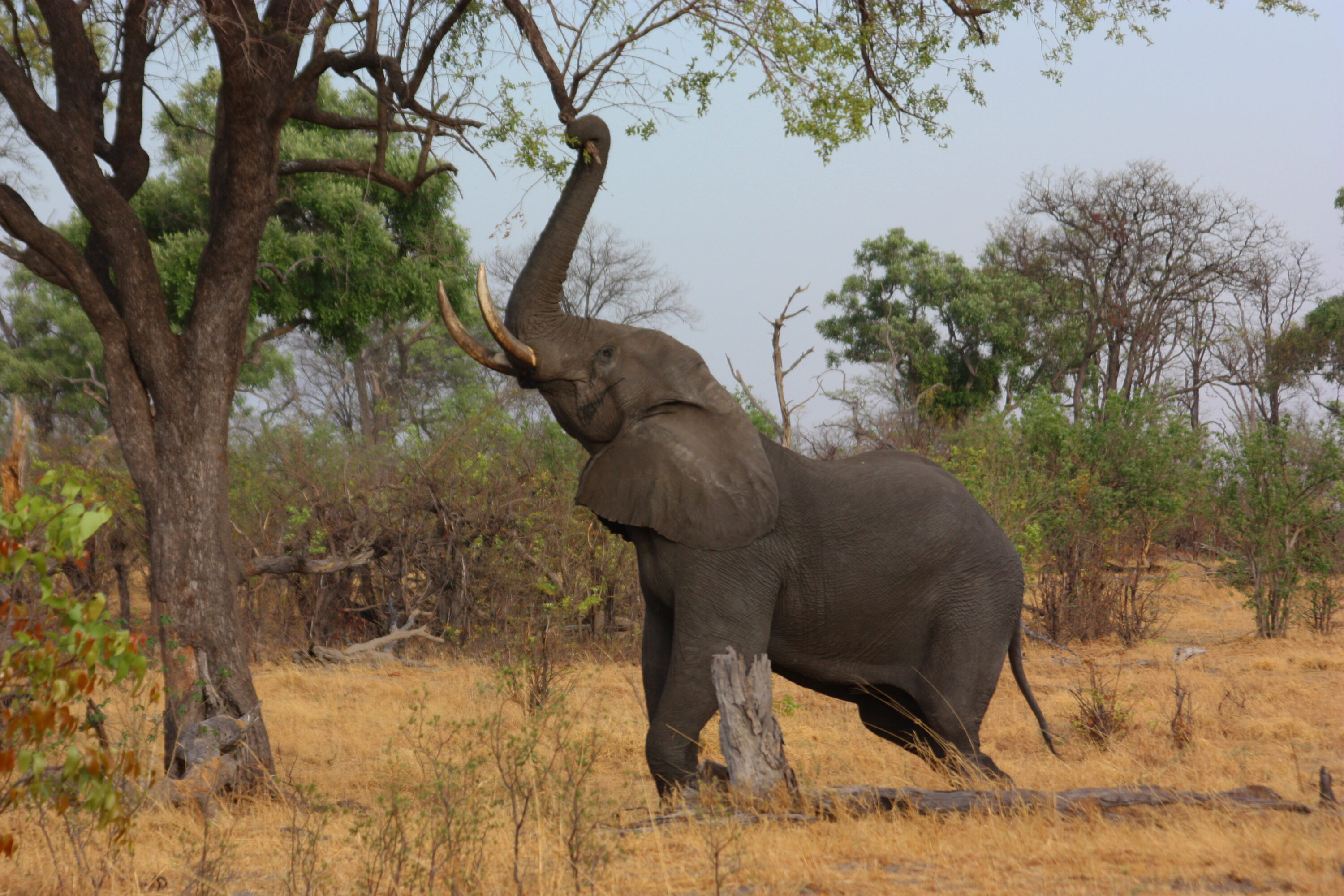
African Bush Elephants Distinguished Artificial Food-Quantity Patterns at Close Range
In experiments in South Africa, four semi-tame elephants chose between visual patterns representing canopy size and leaf density.…
Read story →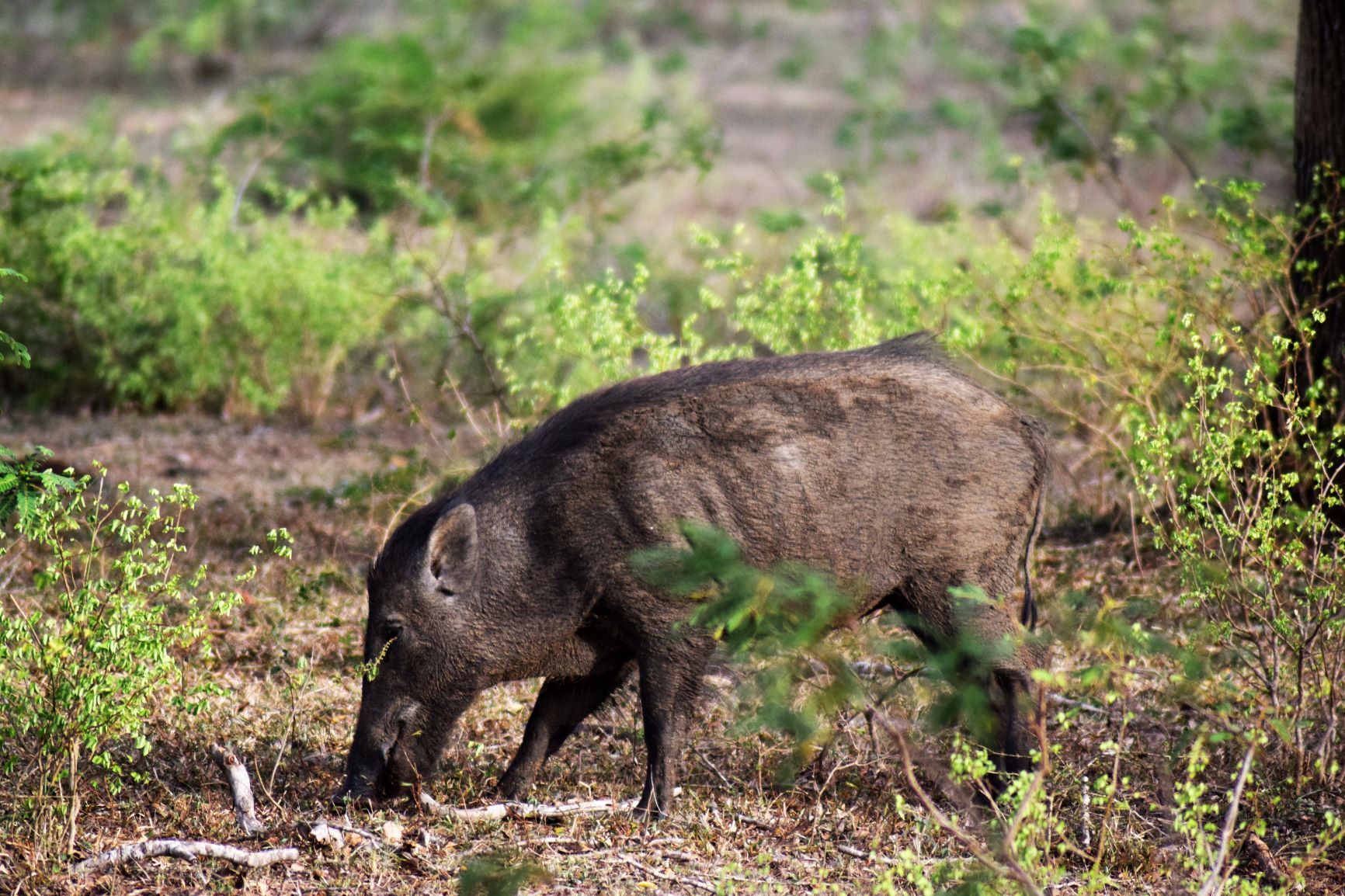
Maps Show Where Wild Boar Could Thrive and Spread on Jeju Island
Researchers mapped potentially suitable wild-boar habitat across roughly 36% of Jeju Island and identified eight possible corridors linking…
Read story →SPECIES IN THIS STORY
Species in this story
Independent research and conservation news archive
Did you find this information useful?
Wildlife Vagabond is independently built and maintained. Voluntary support helps cover source verification, hosting and continued work on research and conservation news.
Support Wildlife VagabondThe news archive will remain freely available.