
Rooftop-nesting European Herring Gulls Took Fewer Incubation Breaks but Had Lower Hatching Success
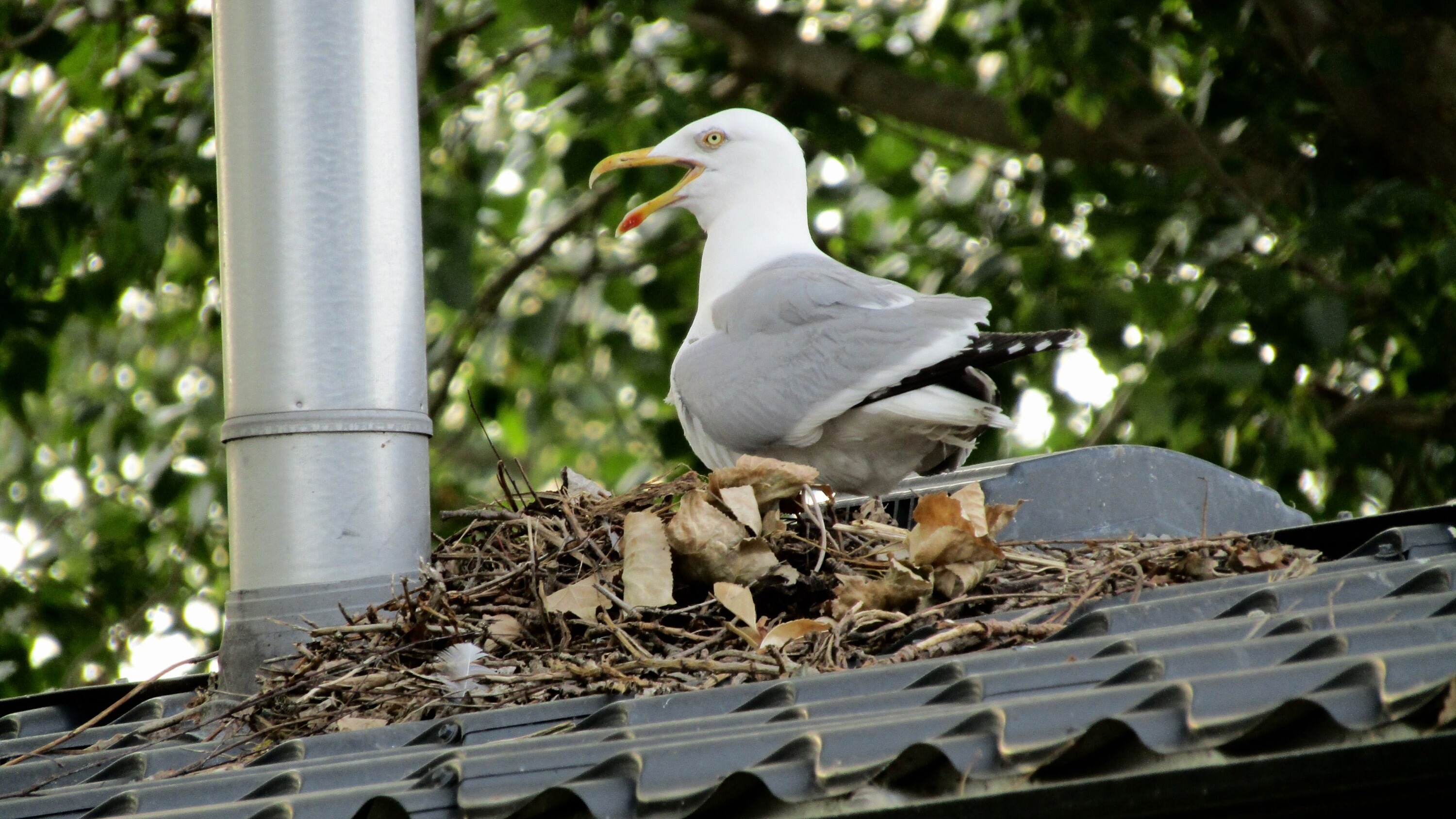
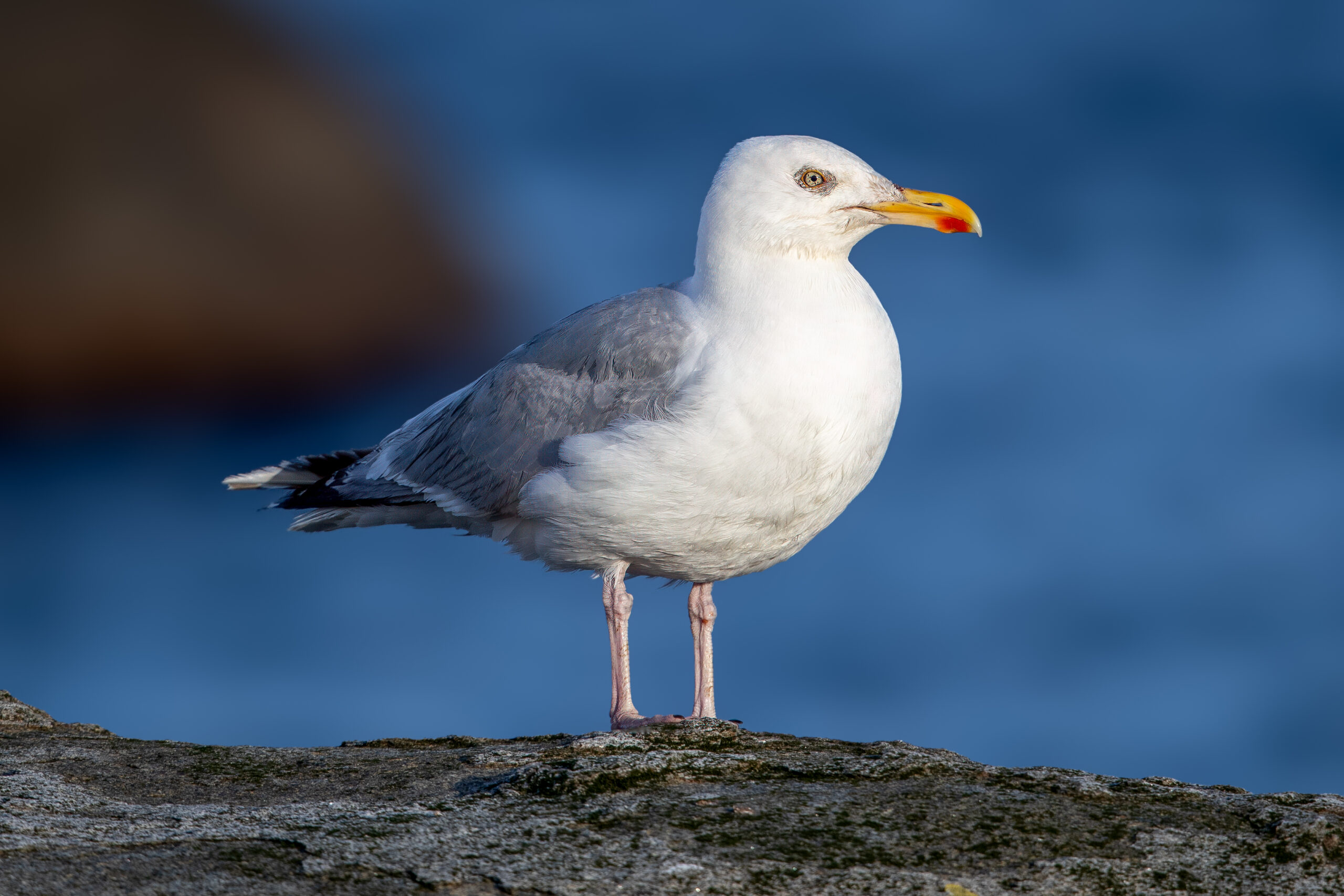
European herring gulls (Larus argentatus) nesting on urban rooftops left their eggs unattended less often than ground-nesting birds, yet still had substantially poorer hatching success, according to a Belgian study published on 25 March 2026.
Researchers compared rooftop nests on flat buildings in Ostend with ground nests in a gull colony at the outer port of Zeebrugge over two breeding seasons. Temperature loggers placed inside artificial eggs were used to reconstruct incubation breaks in 78 nests: 26 nests in 2023 and 52 in 2024.
Rooftop pairs reduced the number of incubation breaks
Pairs nesting on roofs took fewer daily off-bouts, meaning periods when the eggs were left without an incubating parent. The difference was especially strong in 2024, when ground-nesting pairs took about 3.5 times as many off-bouts as rooftop pairs. The average duration of each break, however, did not differ significantly between the two nesting environments.
The authors interpret the lower off-bout frequency as a behavioural adjustment that may reduce the time rooftop eggs are directly exposed to challenging environmental conditions.
Fewer breaks did not prevent lower hatching success
Despite spending more continuous time on the eggs, rooftop-nesting pairs had much lower hatching success. This difference remained after eggs lost through predation or breakage were excluded from the analysis.
Hatchlings that did emerge were similar in size in both environments. Mean combined head-and-bill length was almost identical in rooftop and ground-nest chicks. The researchers therefore concluded that the main difference in breeding outcome arose from embryo mortality rather than reduced growth of embryos that survived to hatching.
The authors describe urban rooftops as potentially suboptimal incubation habitat: fewer incubation breaks did not prevent substantially lower hatching success.
Reproduction & development
Related news
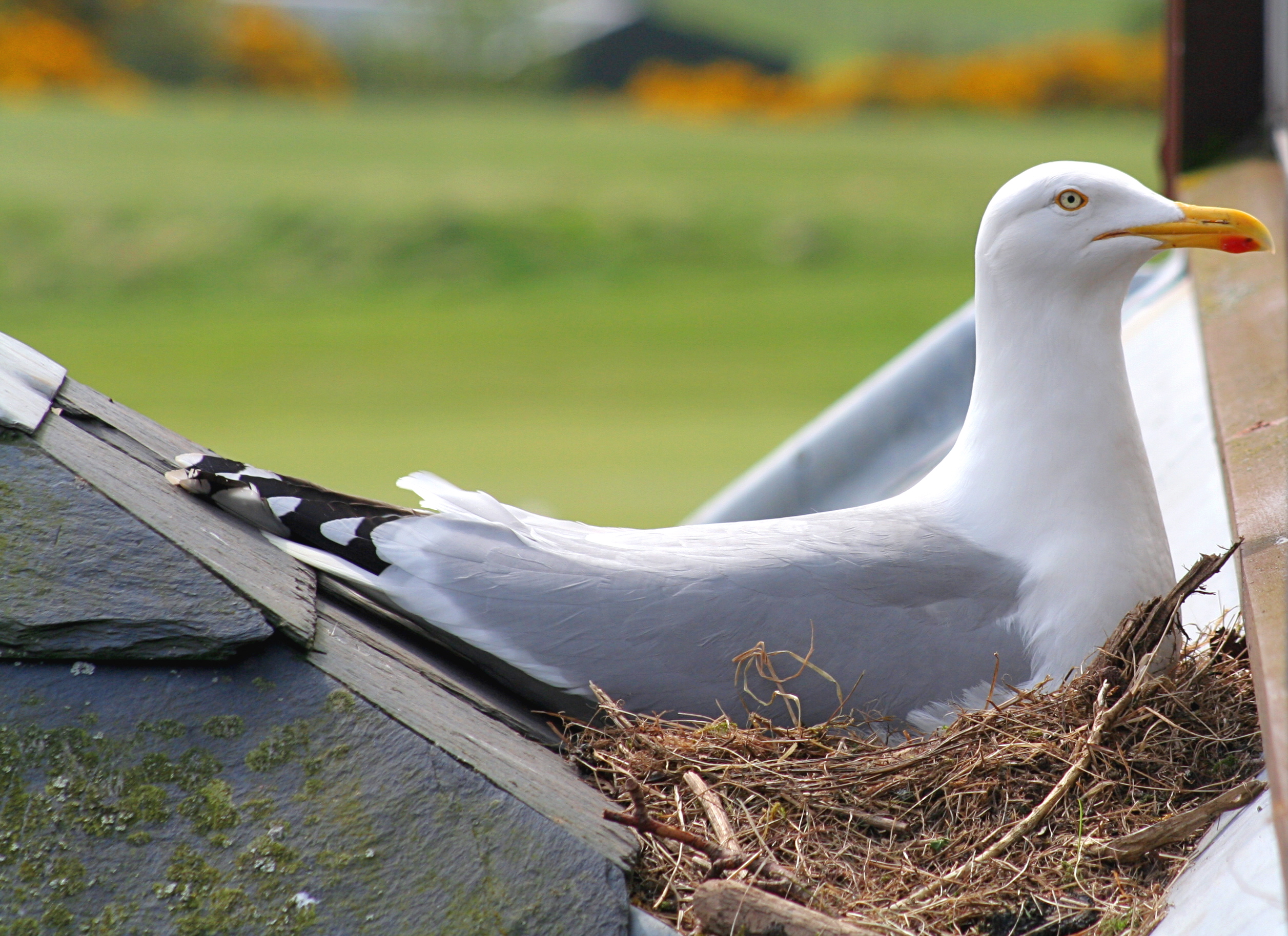
Scotland’s European Herring Gull Index Was 54% Below Its 1986 Baseline
NatureScot’s 2026 seabird indicator estimated European herring gull breeding abundance in Scotland 54% below the 1986 baseline and…
Read story →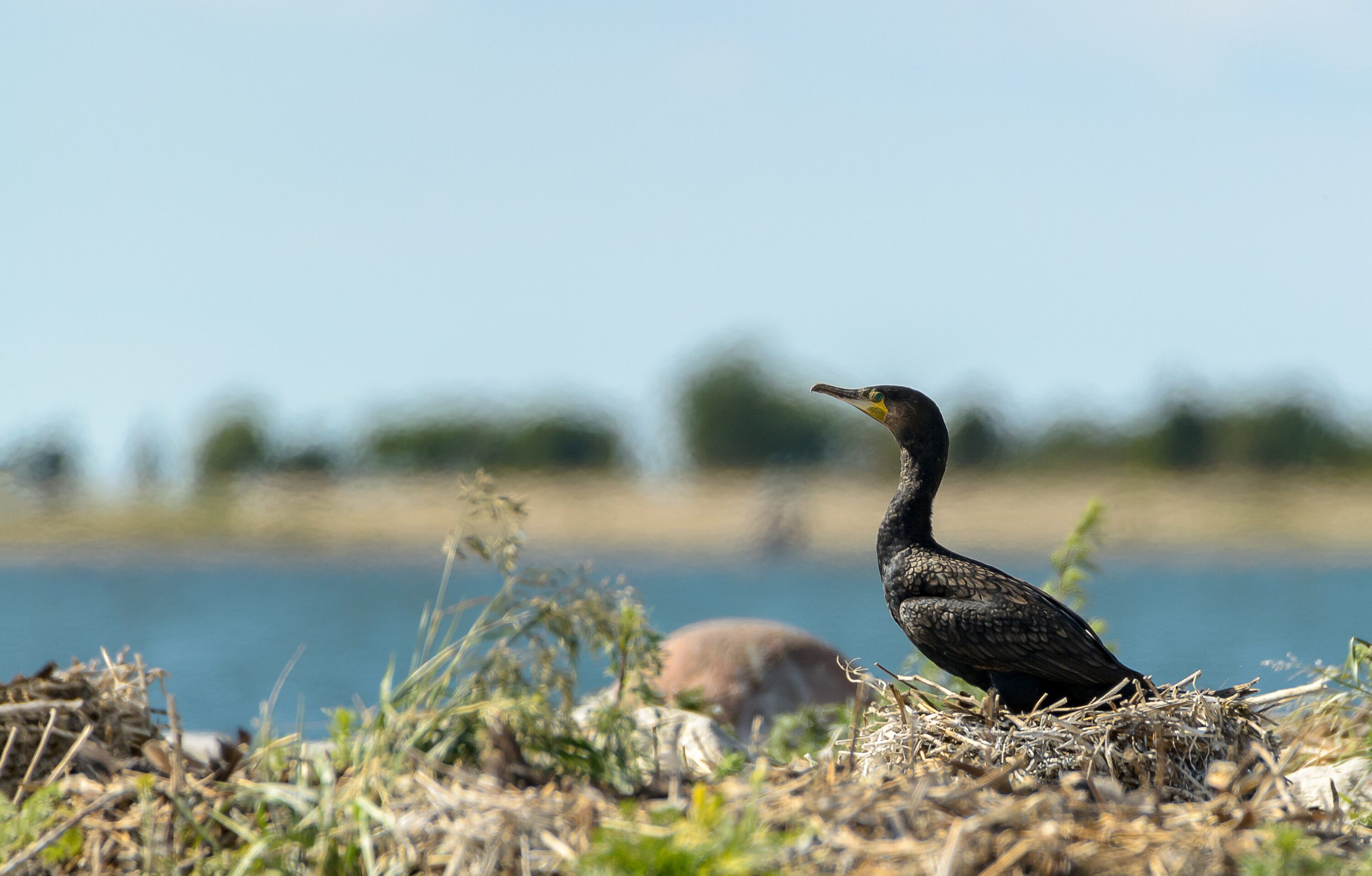
Bird Diversity Fell After Cormorant Colonies Became Established on Baltic Islands
Annual monitoring from 261 Estonian Baltic islands showed that breeding-bird diversity declined after great cormorant colonies became established…
Read story →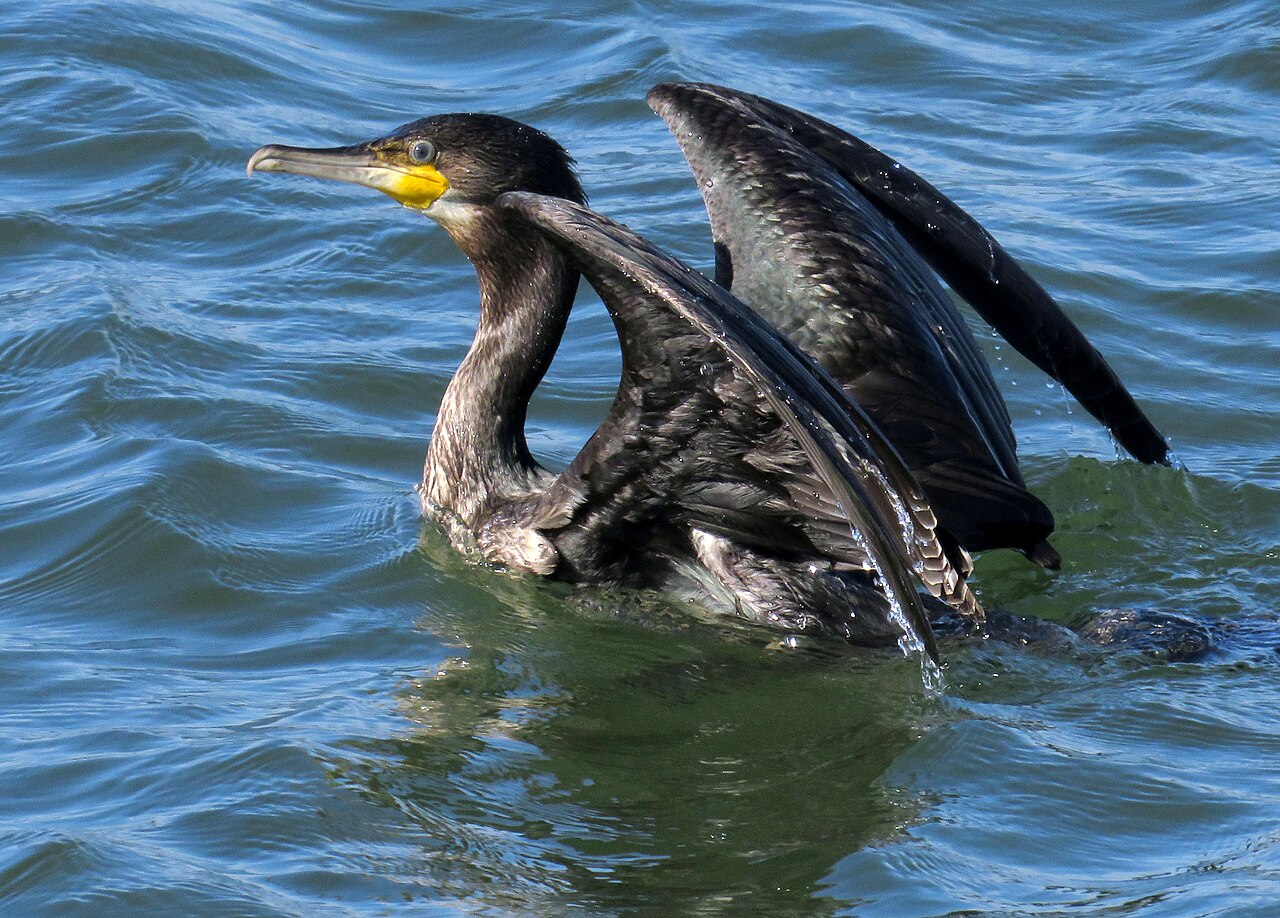
Cormorant and Large-Gull Counts Fell at a Danish Pound Net, but the Difference Disappeared Within Weeks
At one Danish pound net fitted with Looming-Eye Buoys, great cormorant and large-gull counts dropped sharply relative to…
Read story →SPECIES IN THIS STORY
Species in this story
Independent research and conservation news archive
Did you find this information useful?
Wildlife Vagabond is independently built and maintained. Voluntary support helps cover source verification, hosting and continued work on research and conservation news.
Support Wildlife VagabondThe news archive will remain freely available.