
Six Highland Green Sandpiper Sites Showed Breeding or Territorial Occupation in 2024
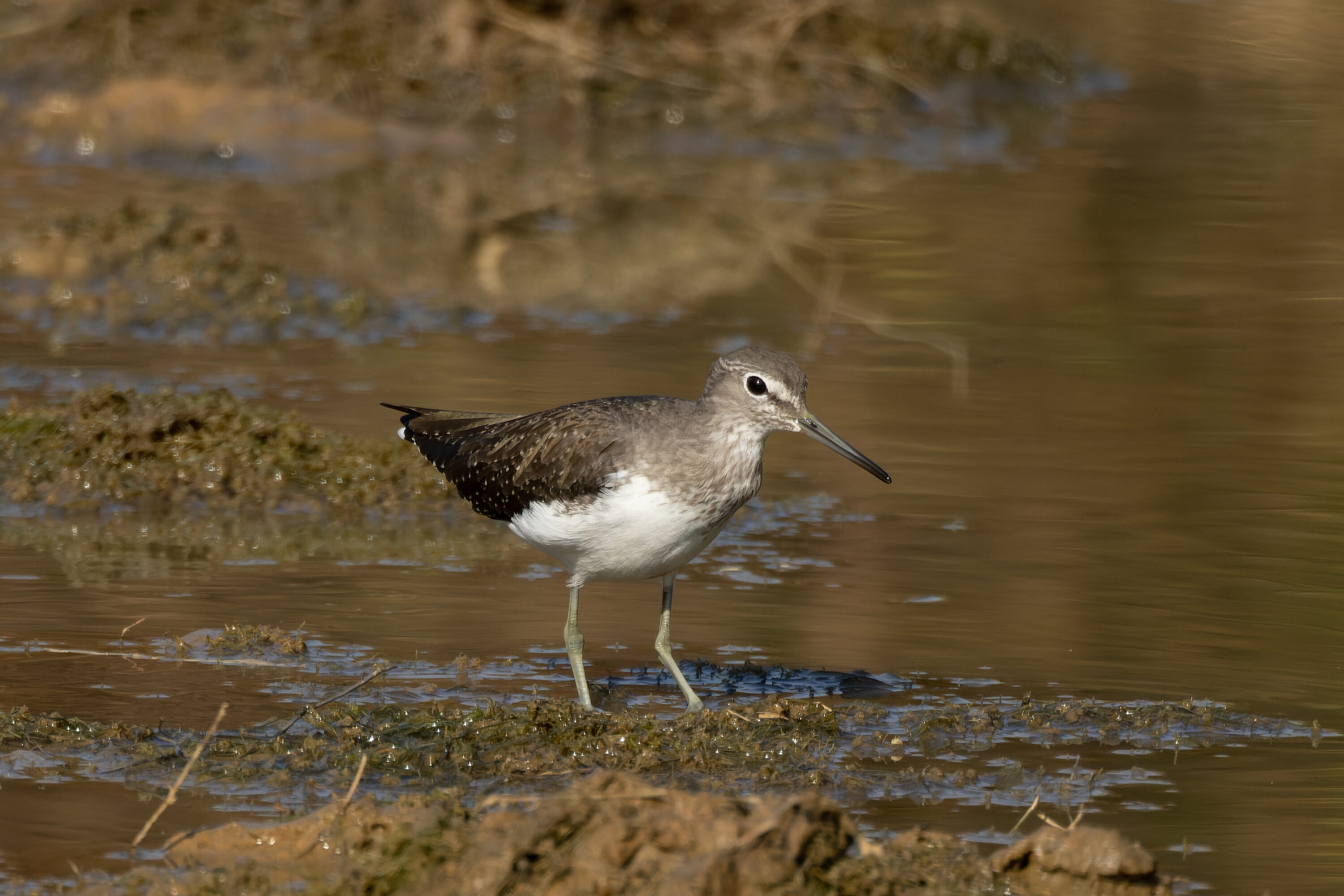
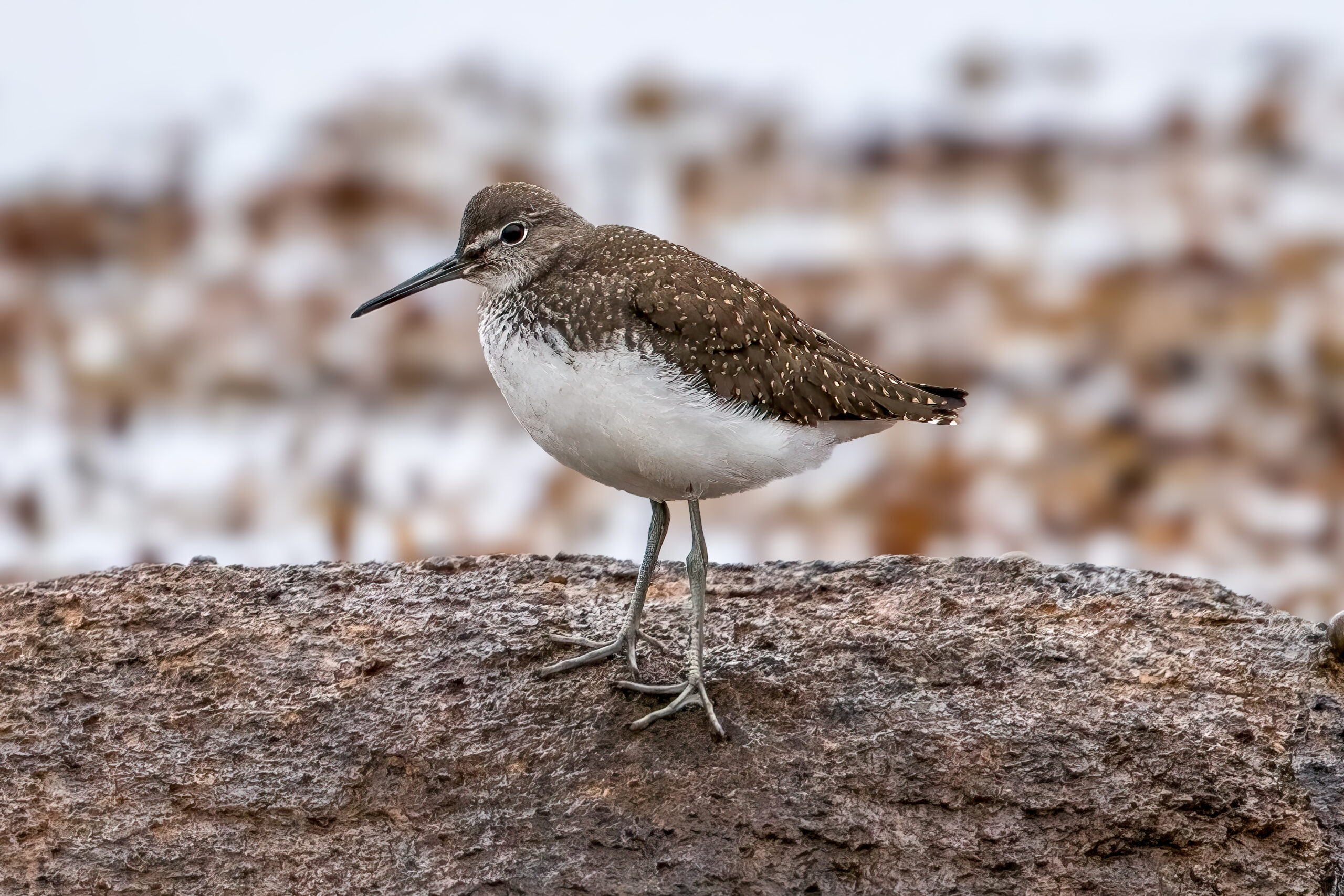
Green sandpiper (Tringa ochropus) has probably been a rare breeding bird in the United Kingdom for more than a century. A study published in January 2026 revisited 20 breeding sites that had become known in the Scottish Highlands over the previous 25 years. Ten of these sites had been used during the 2020s, and six showed evidence of breeding or territory occupation in 2024.
The six sites did not represent six confirmed successful breeding attempts. Evidence ranged from breeding to territory occupation, and the study also described habitat at natural sites, rewetted Scots pine plantations managed for conservation, and non-native conifer plantations.
Restoration Created Habitat, but Not Permanently
At the conservation sites, Scots pine plantations had been rewetted by blocking drainage ditches. Four nests were found across the study, all in old nests of other tree-nesting birds or in an old squirrel drey, and all were in Scots pine woodland at natural or rewetted conservation sites.
Sedges growing in pools or through Sphagnum provided cover and feeding habitat for chicks, while adults foraged along muddy margins and on Sphagnum beside pools, ponds, lochs and streams. The restored sites did not necessarily remain suitable: the authors considered later growth of soft-rush, heather and common haircap moss likely to have made some formerly occupied sites unsuitable.
Two sites were associated with non-native conifer woodland, including a clear-felled plantation, showing that green sandpipers can also use novel habitats. Again, those conditions could be temporary: the clear-felled site later became unsuitable as rushes and heather developed. The authors also suggest that the return of Eurasian beavers (Castor fiber) to the Highlands could create additional breeding habitat, citing evidence from Finland where beaver-created wetlands have benefited breeding green sandpipers. Taken together, the sites show that suitable breeding habitat occurs both naturally and after wetland restoration, but can also be lost again as wetland vegetation changes.
Ecology
Related news
Gut Microbiomes Across Nine Kruger Mammals Clustered More Strongly by Dietary Group Than Species
A study of 89 quality-filtered faecal samples from nine wild mammals in Kruger National Park found that carnivores,…
Read story →
Inland Mute Swans Had Higher Winter Body Condition Despite Harsher Winters and Supplemental Feeding
A study of 853 mute swans from four Polish wintering regions found higher body condition inland than on…
Read story →
Dunnock Spring Passage Advanced by Up to 8.3 Days Over 61 Years at Hel
Standardised ringing data from northern Poland showed that the first, median and last phases of dunnock spring passage…
Read story →SPECIES IN THIS STORY
Species in this story
Independent research and conservation news archive
Did you find this information useful?
Wildlife Vagabond is independently built and maintained. Voluntary support helps cover source verification, hosting and continued work on research and conservation news.
Support Wildlife VagabondThe news archive will remain freely available.