
Common Hippopotamus Carcass Linked Wildlife and Human Exposure in Zambian Anthrax Outbreak
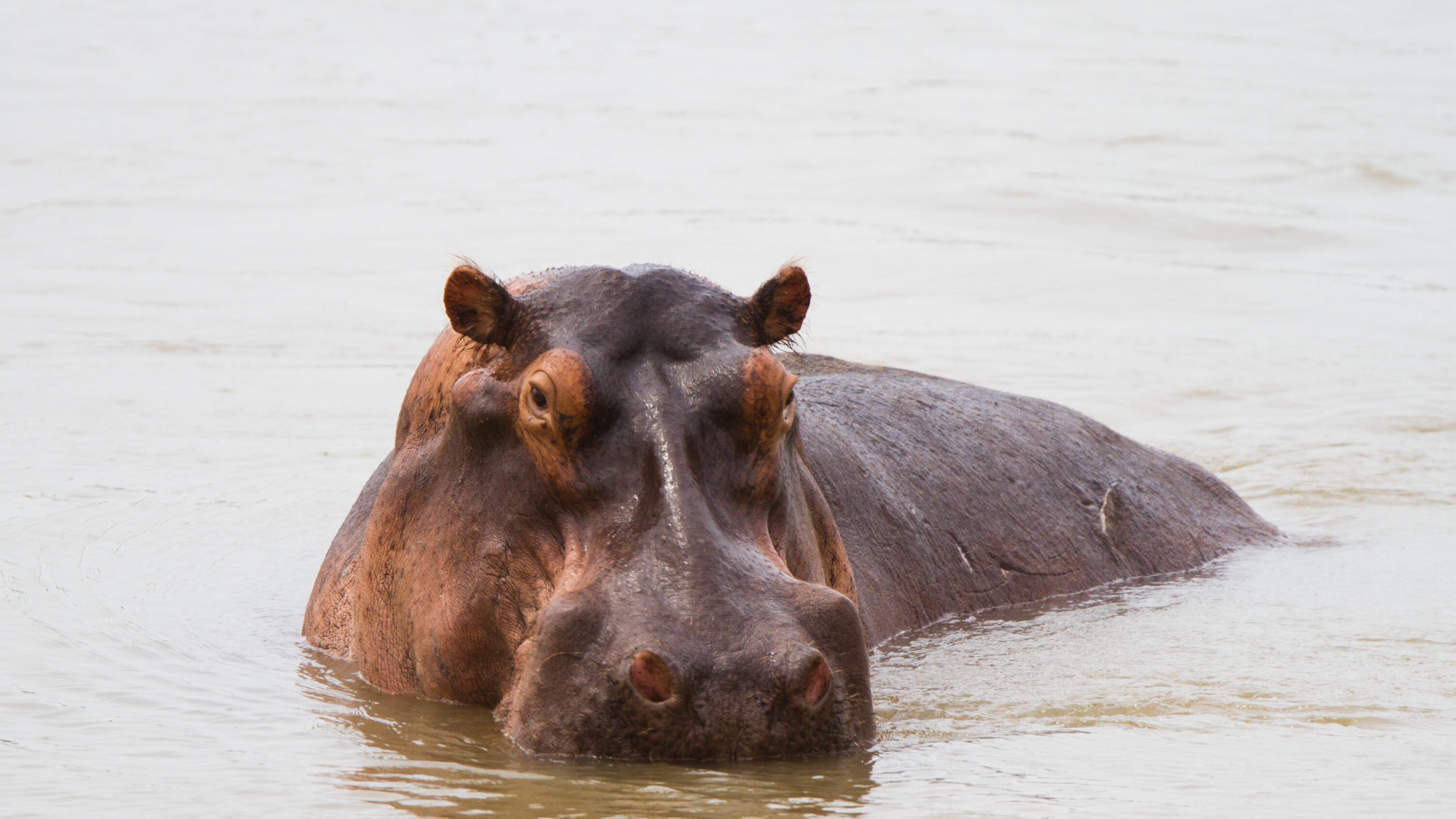
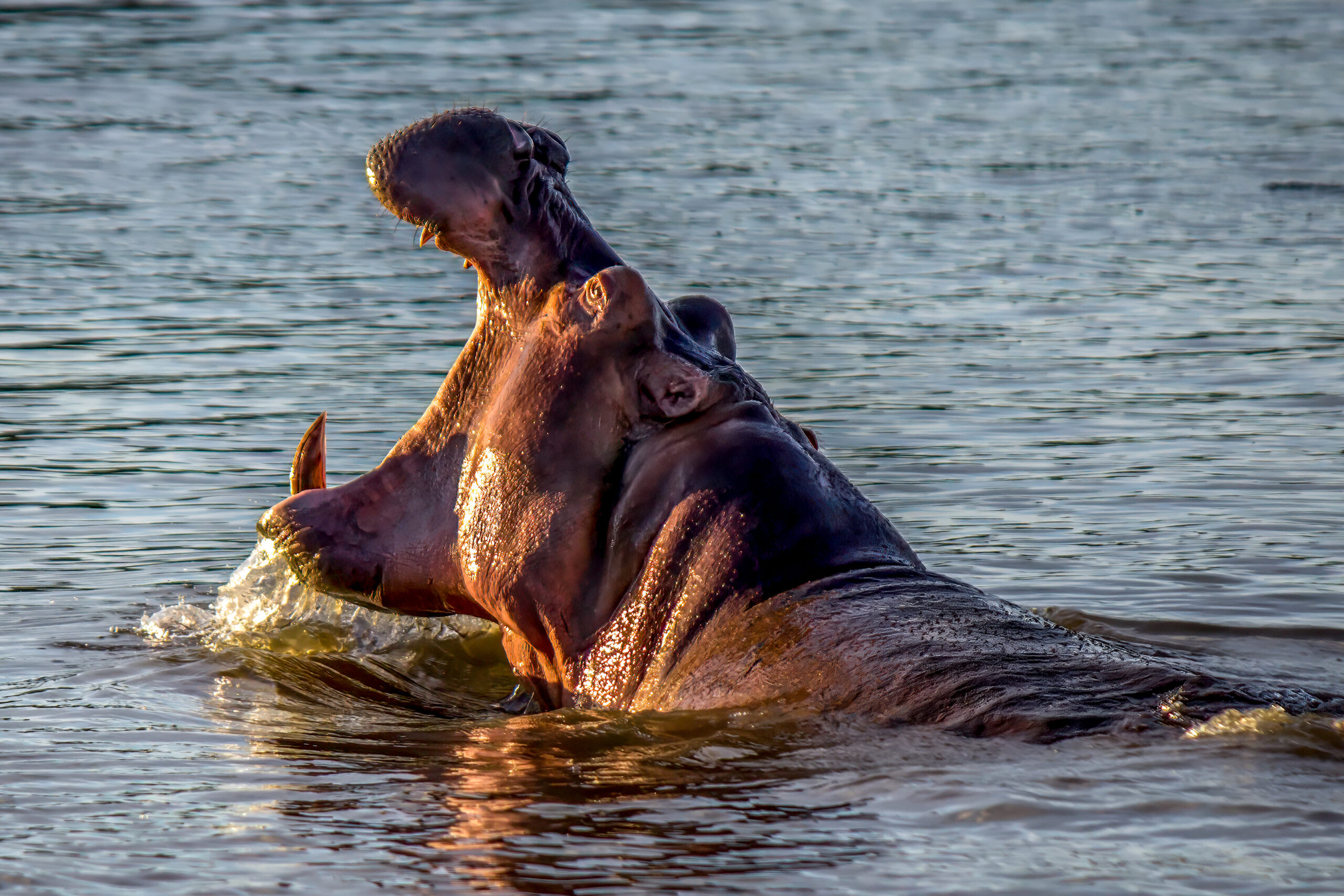
A common hippopotamus (Hippopotamus amphibius) carcass became a key exposure point in a multi-species anthrax outbreak investigated in southern Zambia. The wider outbreak included other herbivore deaths, so the carcass should not be read as the sole origin of environmental transmission. Instead, it linked a wildlife carcass implicated in the outbreak to lions that consumed it and to human exposure when the death was not initially recognised as anthrax.
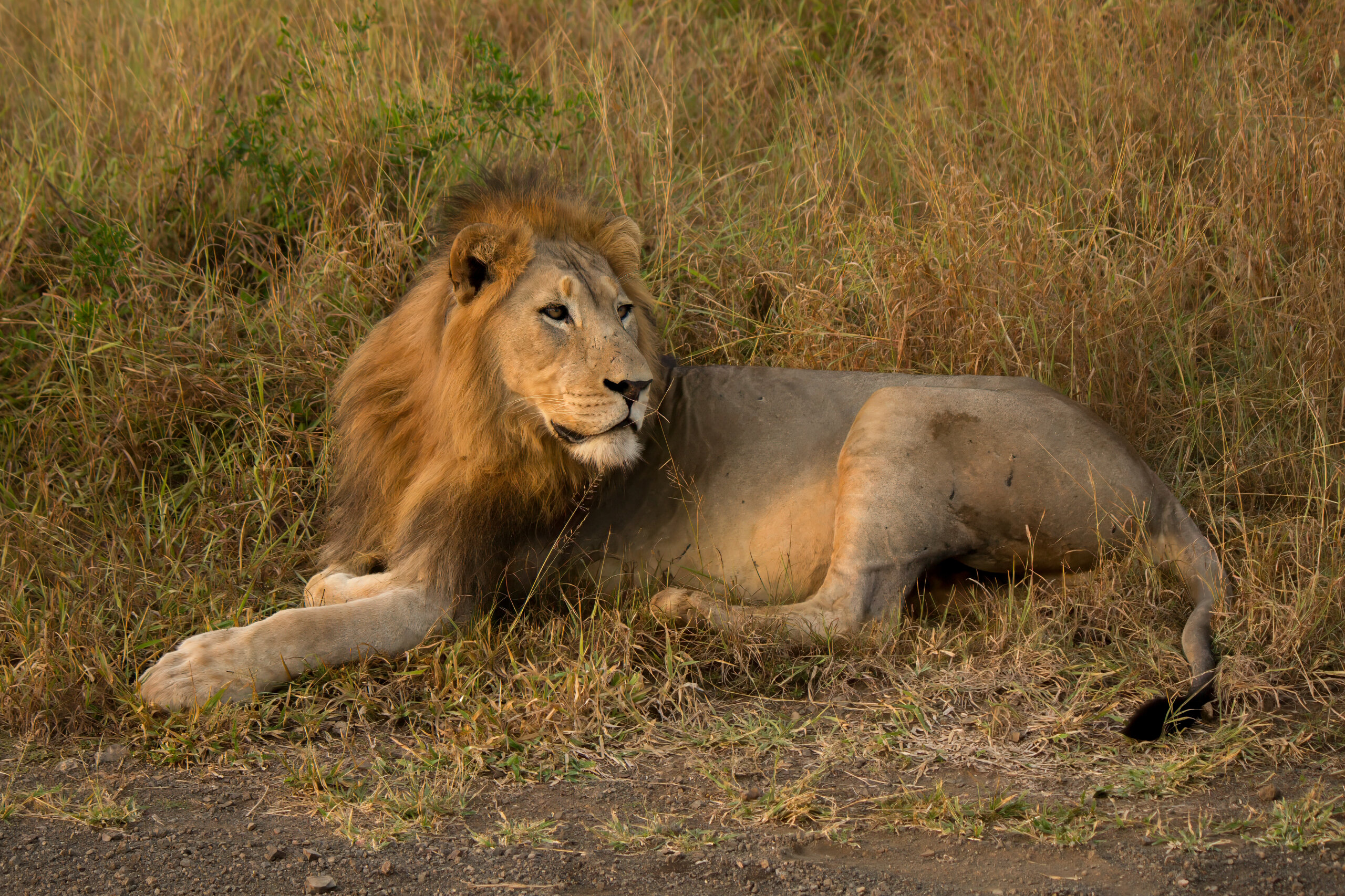
The hippopotamus had initially been thought to have died from trauma. A separate Zambian public-health investigation of the same October–November 2025 event reports that the carcass was fed to 36 captive lions. Seven were classified as lion cases and three of those animals died; the investigation also identified one epidemiologically linked human case. The African Journal of Ecology study likewise reports clinical disease and mortality after lions consumed the carcass, while concurrent deaths among other herbivores indicated that the bacterium was circulating more widely in the environment.
Anthrax is caused by the spore-forming bacterium Bacillus anthracis. The resistant spores can persist in soil for years or decades. Grazing herbivores are commonly exposed by ingesting spores from contaminated environments, whereas carnivores can become infected by feeding on infected carcasses and people can be exposed through contact with infected animals, tissues or meat. The bacterium can produce powerful toxins after infection, which cause the severe disease associated with anthrax.
Diagnosis confirmed in lion tissues
Laboratory testing confirmed B. anthracis in lion tissues, providing direct evidence that the sick predators had anthrax. The study links the hippopotamus carcass to the outbreak through the documented sequence of events and the lions’ feeding exposure, while the laboratory confirmation it specifically reports is from the lions.
When an infected animal dies and the carcass is opened or disturbed, exposure to oxygen allows B. anthracis to form durable spores that can contaminate the surrounding environment. Scavenging and carcass handling can therefore bring several species into the same transmission chain and help create longer-lived environmental exposure around a carcass.
Delayed detection increased the risks
The researchers identify the initial attribution of the hippopotamus death to trauma as an important part of the outbreak. The separate public-health investigation found that the outbreak was detected seven days after emergence, notification followed six days after detection, and public-health responses began ten days after notification. When anthrax is not recognised early, a carcass may remain accessible to scavengers, and people may approach or handle it without the precautions used for a suspected infectious death.
The authors say the event underlines the need for a One Health approach: wildlife authorities, veterinary services and public-health teams sharing surveillance and outbreak information because the same pathogen links animals, people and the environment. They also emphasise rapid investigation of unexplained wildlife deaths and appropriate carcass management in ecosystems where anthrax occurs.
Disease, parasites & microbiology
Related news
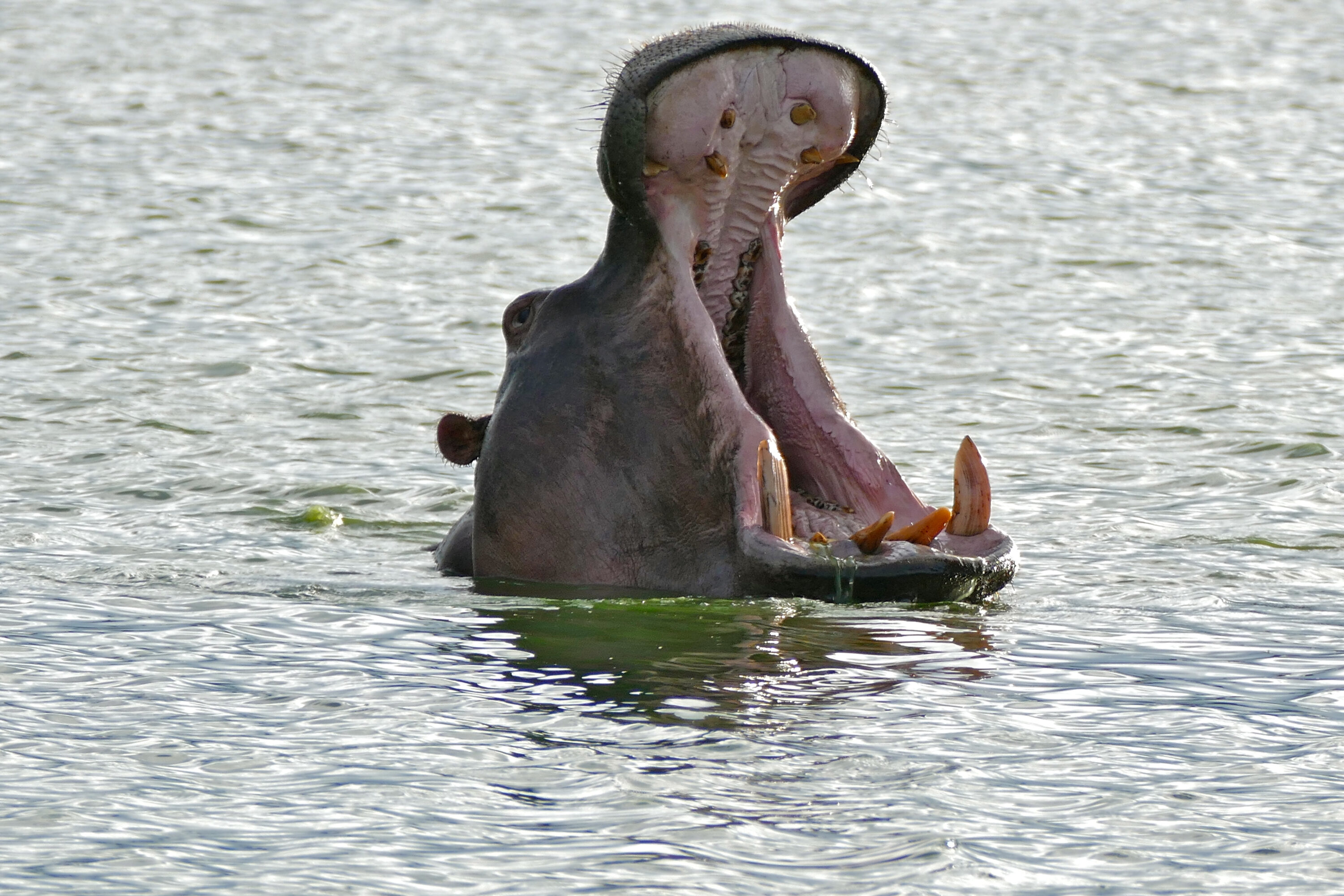
Hippos Yawned Before Heading Out to Feed — Even on Cool Evenings
Observations in Zambia and South Africa found that hippos yawned most frequently as they prepared to leave their…
Read story →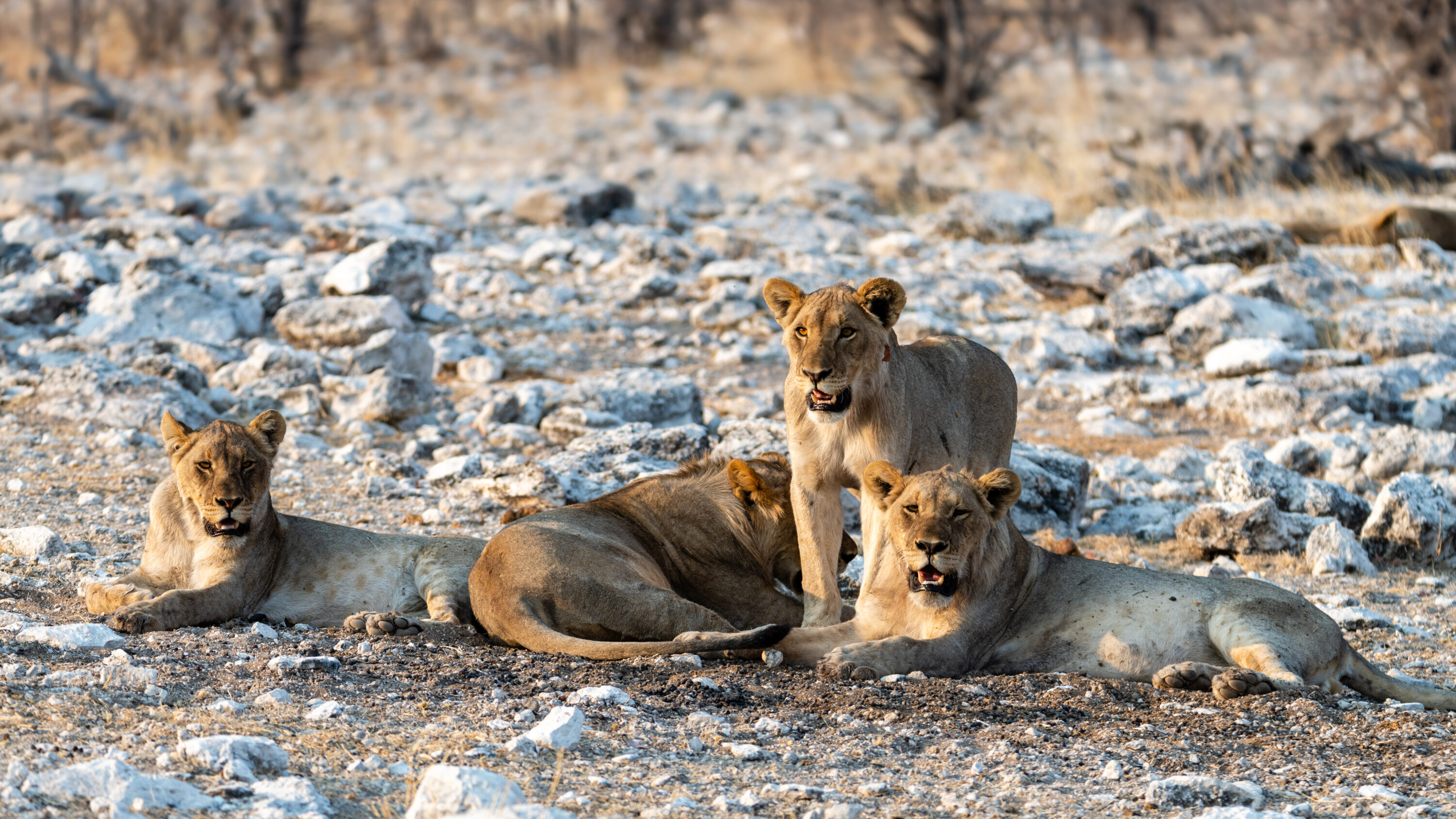
A Little-Known Microbial World Inside Lions’ Guts
Faecal samples from wild lions in Namibia gave researchers a much clearer picture of their gut bacteria. Microbial…
Read story →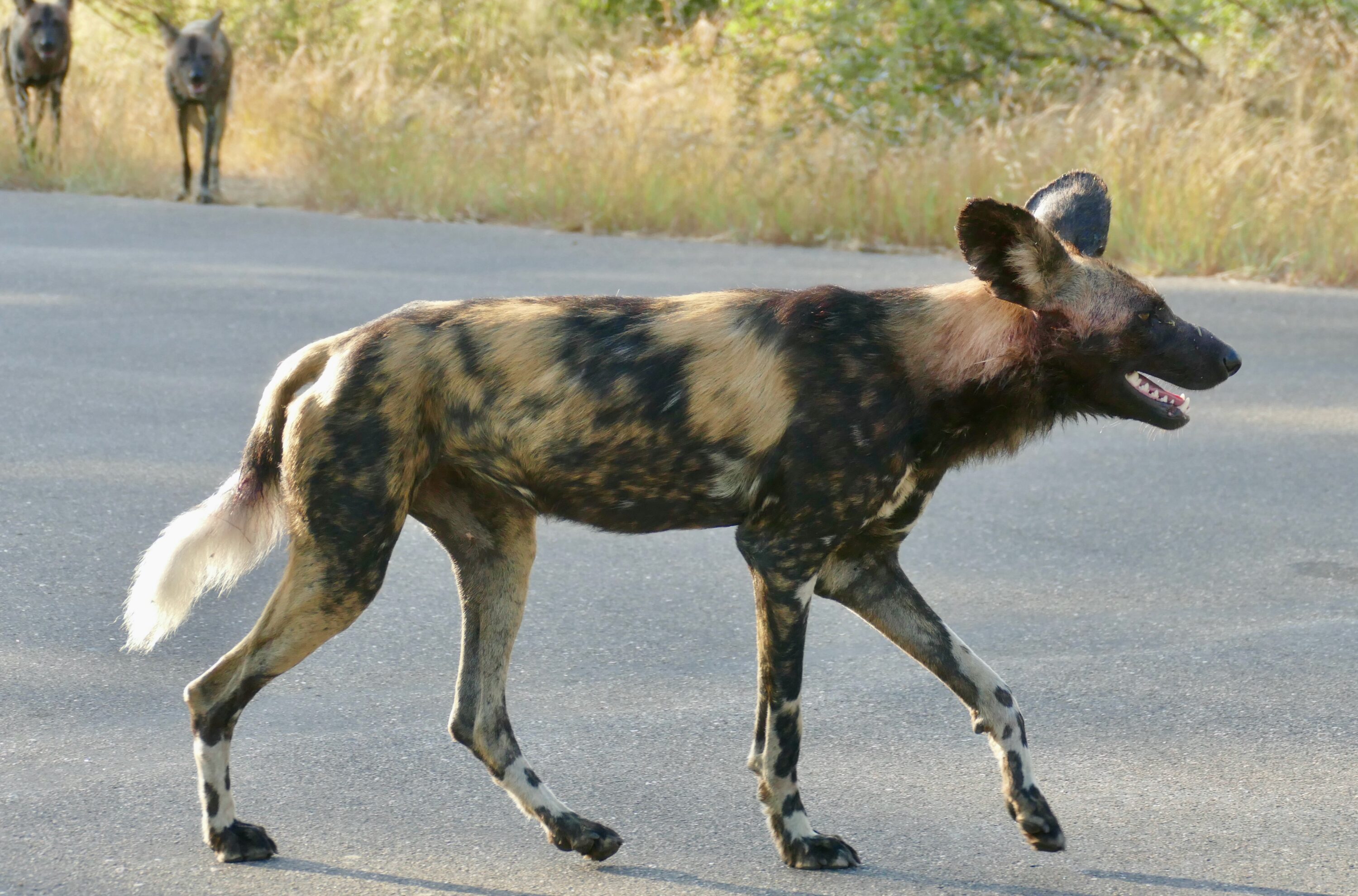
Food Leaves Its Mark on the Gut Bacteria of Kruger’s Wildlife
Gut bacteria in nine mammal species from Kruger National Park followed clear patterns linked to food and digestion.…
Read story →SPECIES IN THIS STORY
Species in this story
Independent research and conservation news archive
Did you find this information useful?
Wildlife Vagabond is independently built and maintained. Voluntary support helps cover source verification, hosting and continued work on research and conservation news.
Support Wildlife VagabondThe news archive will remain freely available.