
Hippos Yawned Before Heading Out to Feed — Even on Cool Evenings
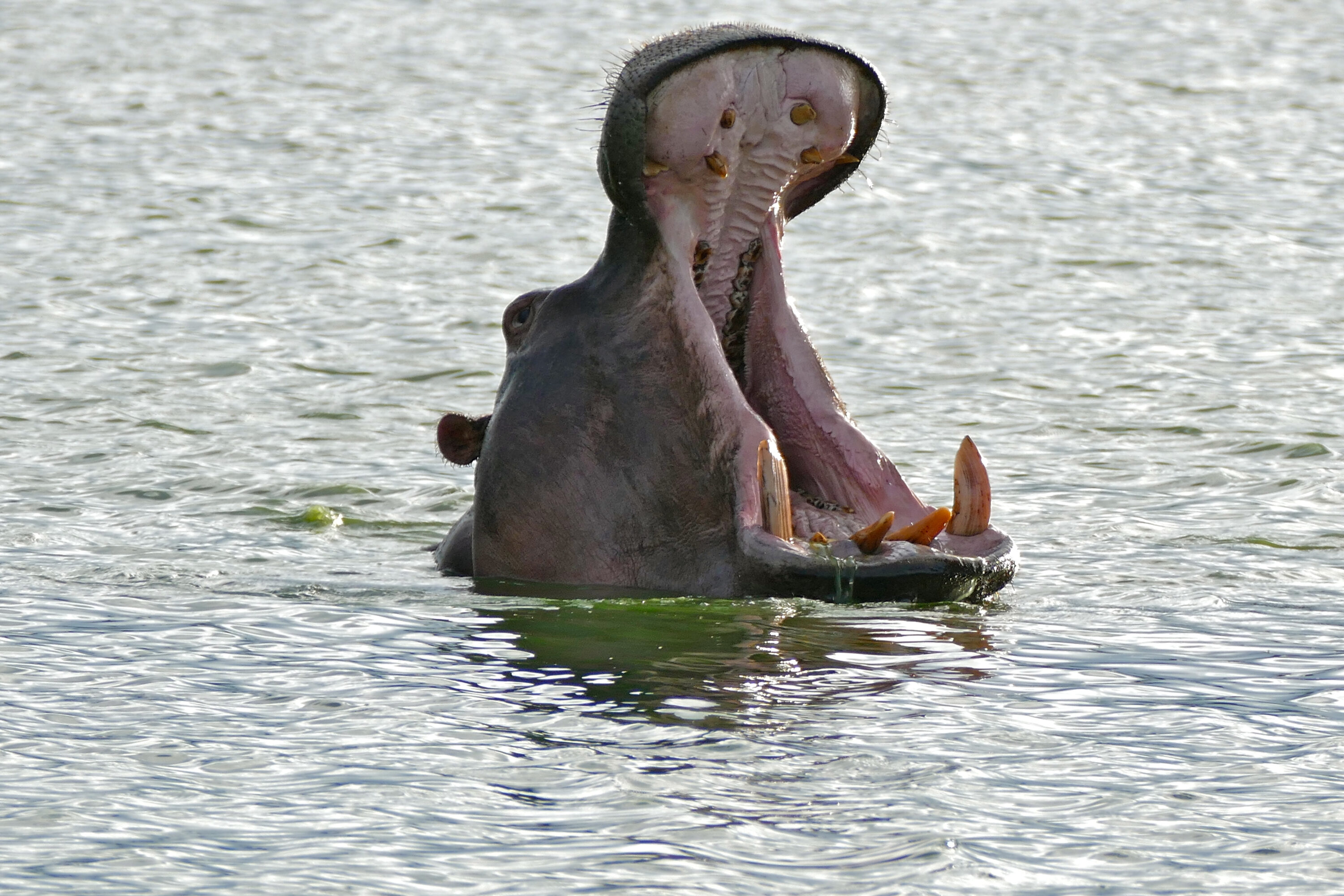
Common hippopotamuses (Hippopotamus amphibius) yawned especially often before leaving their resting sites to forage in the evening. The pattern appeared both in warm conditions in Zambia and on cool evenings in South Africa. This suggests that yawning may be linked to the transition from rest to activity, rather than solely to a need for cooling.
Along Zambia’s Luangwa River, researchers watched about 40 hippos over four mornings and evenings. They recorded an average of 0.03 yawns per hippo per hour in the morning, compared with 0.85 in the evening—roughly 28 times as many. The increase occurred just before the animals left the water to forage at night. Open-mouthed threat displays between males were excluded, since these are not necessarily ordinary yawns.
Hippos yawned in cool weather too
At a reserve in South Africa, a smaller group, usually four hippos, was observed during the afternoon. In cool July weather, the animals rested on land before waking, yawning and moving off to forage. The average was 1.8 yawns per hippo per hour. The same average was recorded during warmer December evenings, when the hippos had been resting in water.
The researchers considered two possible functions: that yawning helps activate the brain as an animal wakes, and that it can cool the brain. The Zambian observations are consistent with both ideas. But frequent yawning on cool evenings in South Africa makes cooling alone a less convincing explanation. The study measured neither brain activity nor brain temperature, so it cannot establish the function of the behaviour.
The observations nevertheless point to a clear connection with the hippos’ daily rhythm, as they move from quiet daytime rest to nighttime activity and feeding. The report is a short preprint that has not been peer reviewed, based on two sites with very few animals in South Africa. More research is therefore needed before scientists can establish why hippos yawn.
Behaviour
Related news
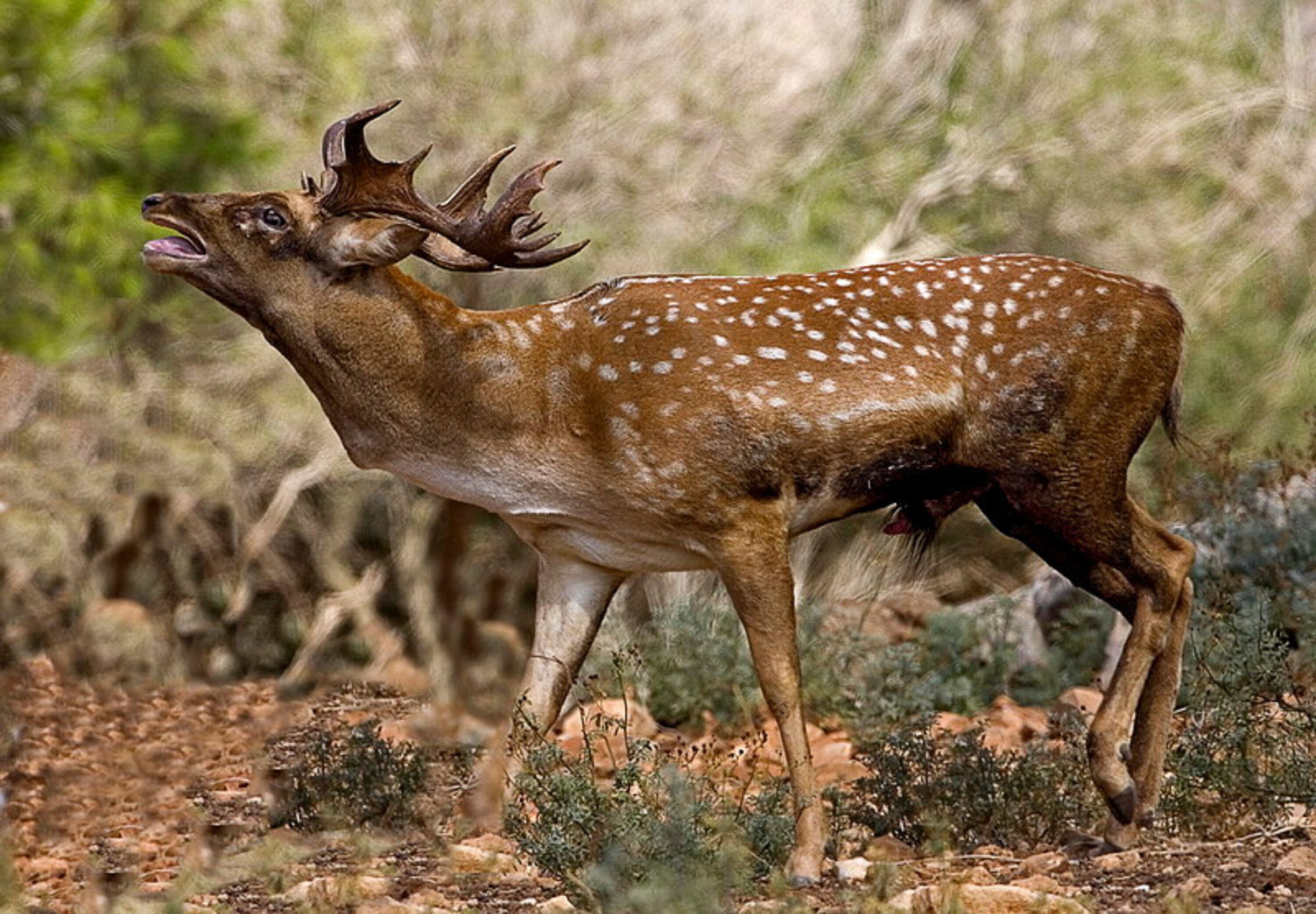
Fossil Teeth Reveal a Lush Refuge Along Lebanon’s Coast
Teeth from deer, wild goats and other herbivores show that Lebanon’s coast repeatedly offered woodland, water and feeding…
Read story →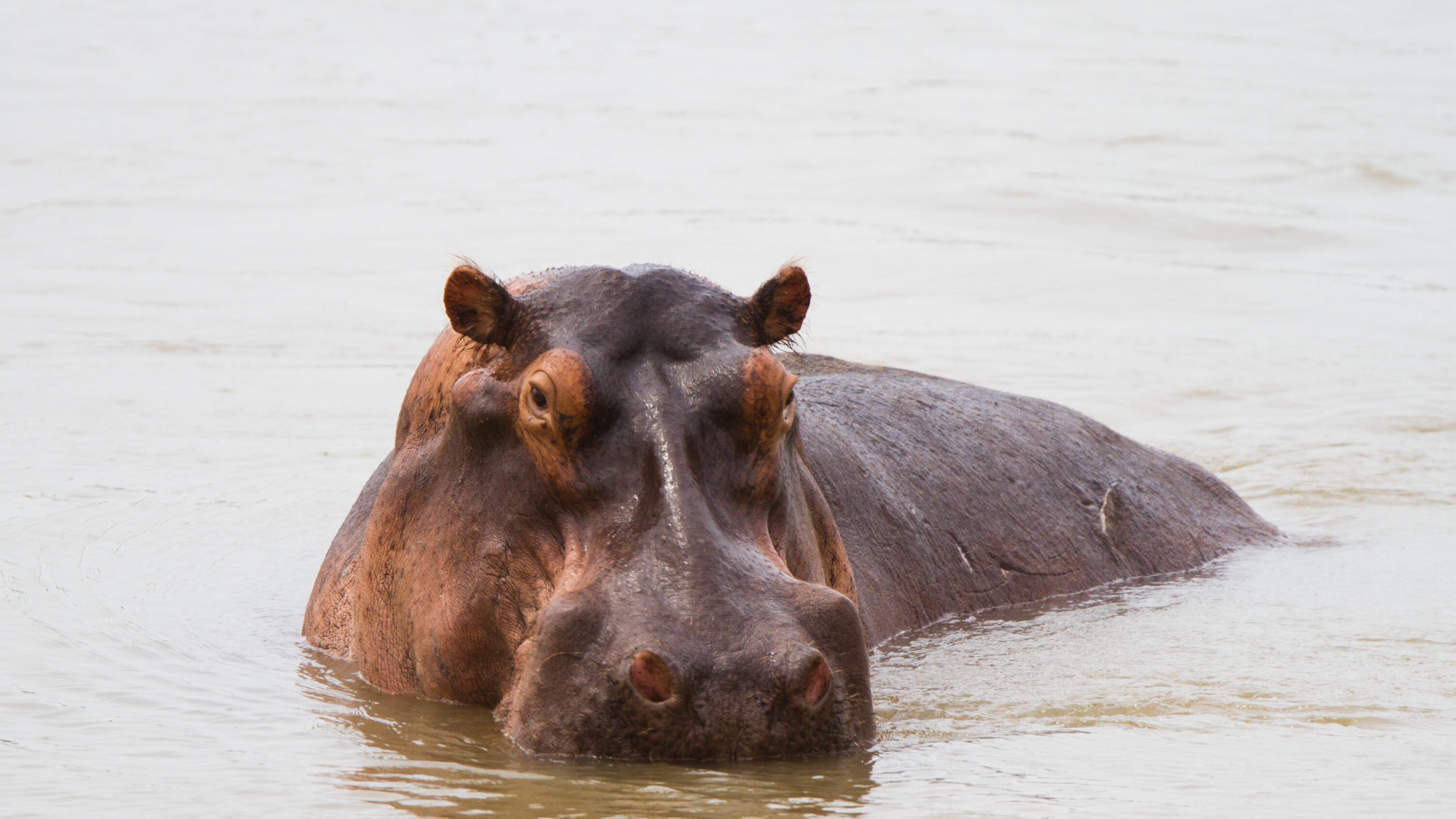
Common Hippopotamus Carcass Linked Wildlife and Human Exposure in Zambian Anthrax Outbreak
A hippopotamus carcass initially attributed to trauma was followed by laboratory-confirmed anthrax in lions and one epidemiologically linked…
Read story →
More Sensitive PCR Revealed Rickettsia DNA in Six New South African Wildlife Hosts
Nested PCR detected Rickettsia DNA in 32 of 73 previously negative wildlife samples and produced first host records…
Read story →SPECIES IN THIS STORY
Species in this story

Independent research and conservation news archive
Did you find this information useful?
Wildlife Vagabond is independently built and maintained. Voluntary support helps cover source verification, hosting and continued work on research and conservation news.
Support Wildlife VagabondThe news archive will remain freely available.