
Honeybee Swarms Used Larger Black Woodpecker Cavities
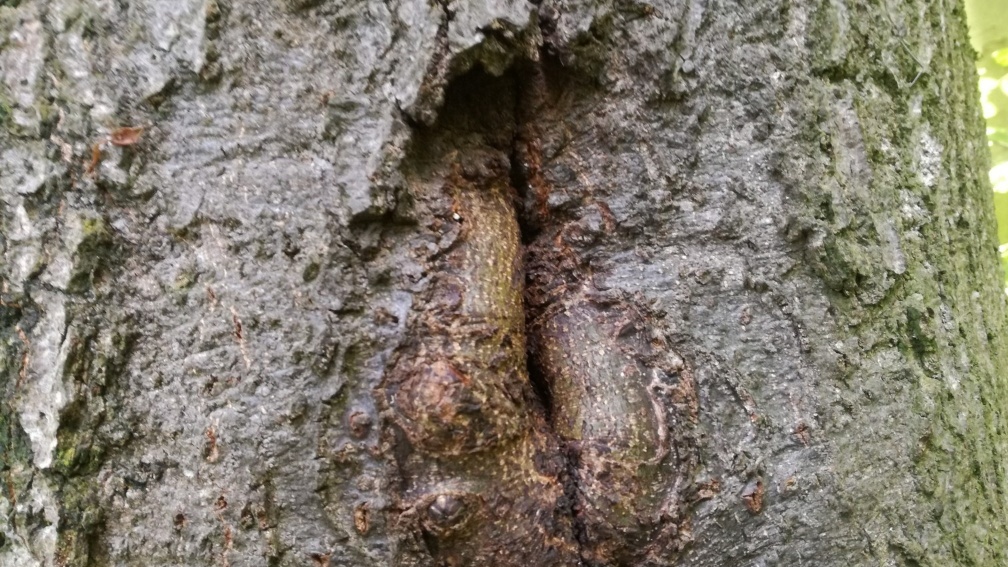
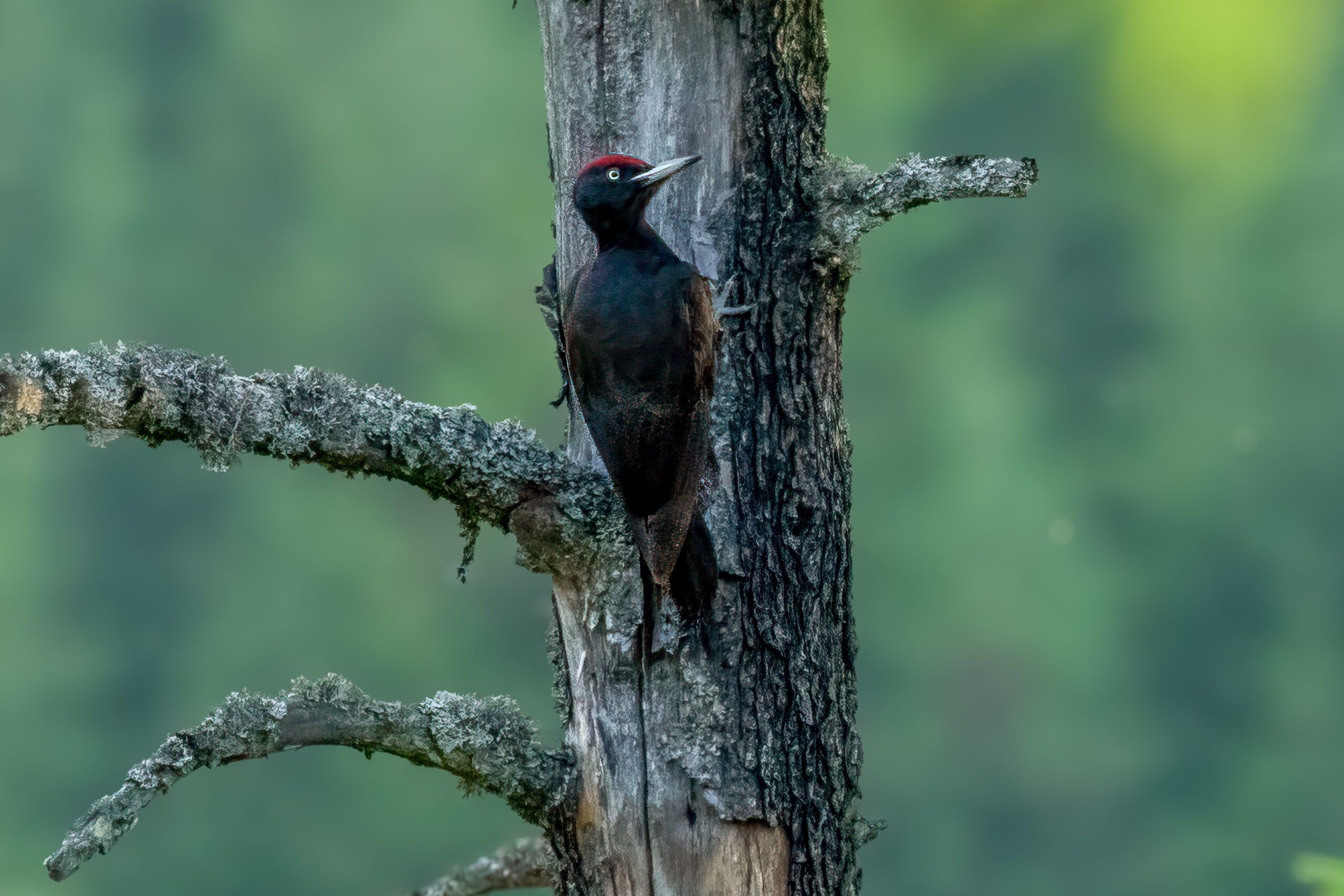
Black woodpecker (Dryocopus martius) cavities can remain useful in a forest long after the birds themselves have moved on. A German study published on 28 April 2026 found that western honeybee (Apis mellifera) swarms occupied larger black-woodpecker cavities, which also had smaller median entrances.
The researchers measured 20 black-woodpecker cavities in managed forests dominated by European beech (Fagus sylvatica) in southern Germany. Half had been occupied by honeybees at least once during an earlier two- to four-year monitoring period. They compared cavity volume, entrance area and position, height above the ground, tree diameter and entrance direction.
Bee-used cavities were roughly twice as large
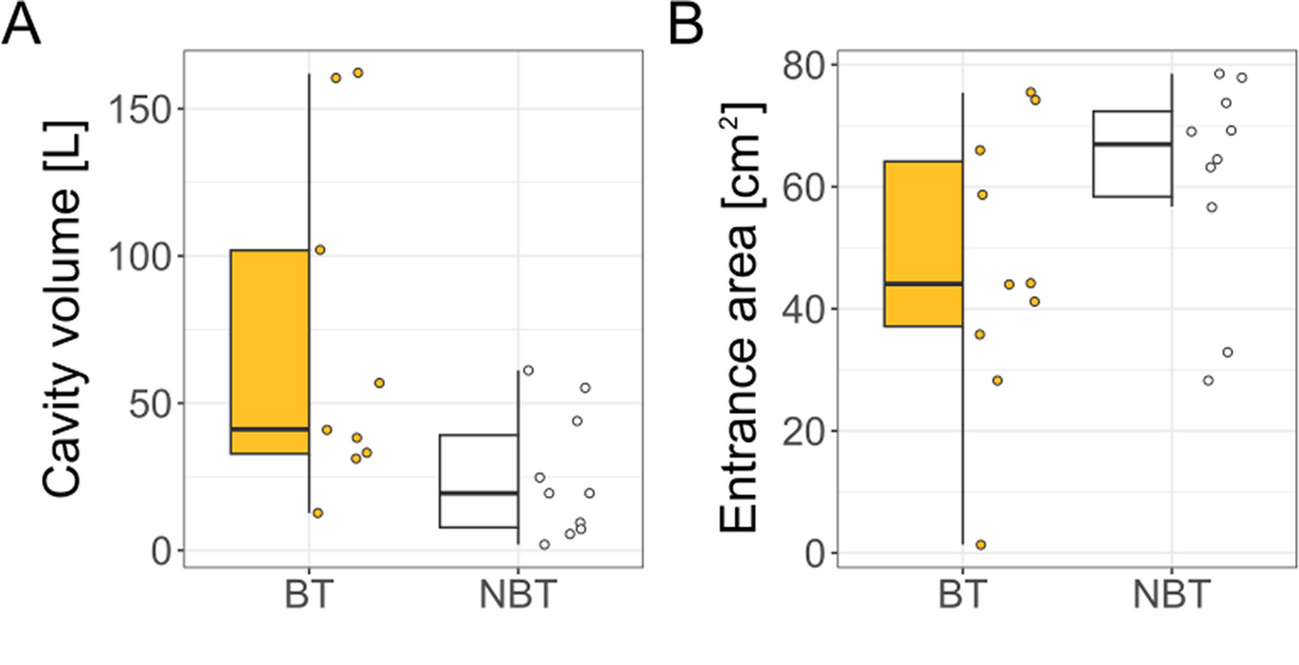
Volume could be estimated for nine bee-used cavities and ten comparison cavities. Those selected by bees had a median volume of 41.1 litres, compared with 19.4 litres for cavities that had not recently been used by bees. Their entrances had a smaller median area: the median entrance area was 44.1 cm² in bee-used cavities and 67 cm² in the comparison group.
The entrance-size difference did not reach the conventional 5% significance threshold in the separate test. The entrance also tended to sit lower in relation to the cavity chamber in cavities chosen by honeybees. The researchers did not find the same clear differences for cavity height above the ground, tree diameter or compass direction of the entrance.
Old woodpecker cavities change over time
Fresh black-woodpecker cavities are generally much smaller than many of the chambers measured in this study. The authors conclude that cavities can enlarge substantially as wood decays after excavation. This makes older black-woodpecker cavities particularly valuable to honeybees, which need enough internal space for combs and winter food stores.
Black woodpeckers act as important creators of large cavities in managed European forests, where natural large hollows can be scarce. The authors therefore recommend mapping, marking and preserving black-woodpecker cavity trees over the long term so that the cavities can continue developing and remain available to secondary users such as wild-living honeybees.
Behaviour
Related news
Inside inspections reveal animals missed at Black Woodpecker cavities
In Poland’s Augustów Forest, researchers recorded 50 animal taxa associated with Black Woodpecker cavities. Entrance cameras mostly recorded…
Read story →
Fresh Black Woodpecker Evidence Found at Mount Moriyoshi, but No Detections in Iwate or Shirakami
A 2026 survey found fresh black-woodpecker evidence at Mount Moriyoshi in Akita, while 169 hours of acoustic monitoring…
Read story →
Six European Woodpeckers Shared a Common Eyelid Plan but Showed Microscopic Variation
Microscopic study of 40 woodpeckers from six European species found the same basic eyelid plan, including a fibrous…
Read story →SPECIES IN THIS STORY
Species in this story
Independent research and conservation news archive
Did you find this information useful?
Wildlife Vagabond is independently built and maintained. Voluntary support helps cover source verification, hosting and continued work on research and conservation news.
Support Wildlife VagabondThe news archive will remain freely available.