
Eurasian Hoopoe Preen Gland Showed the Hallmarks of a Specialized Symbiotic Organ
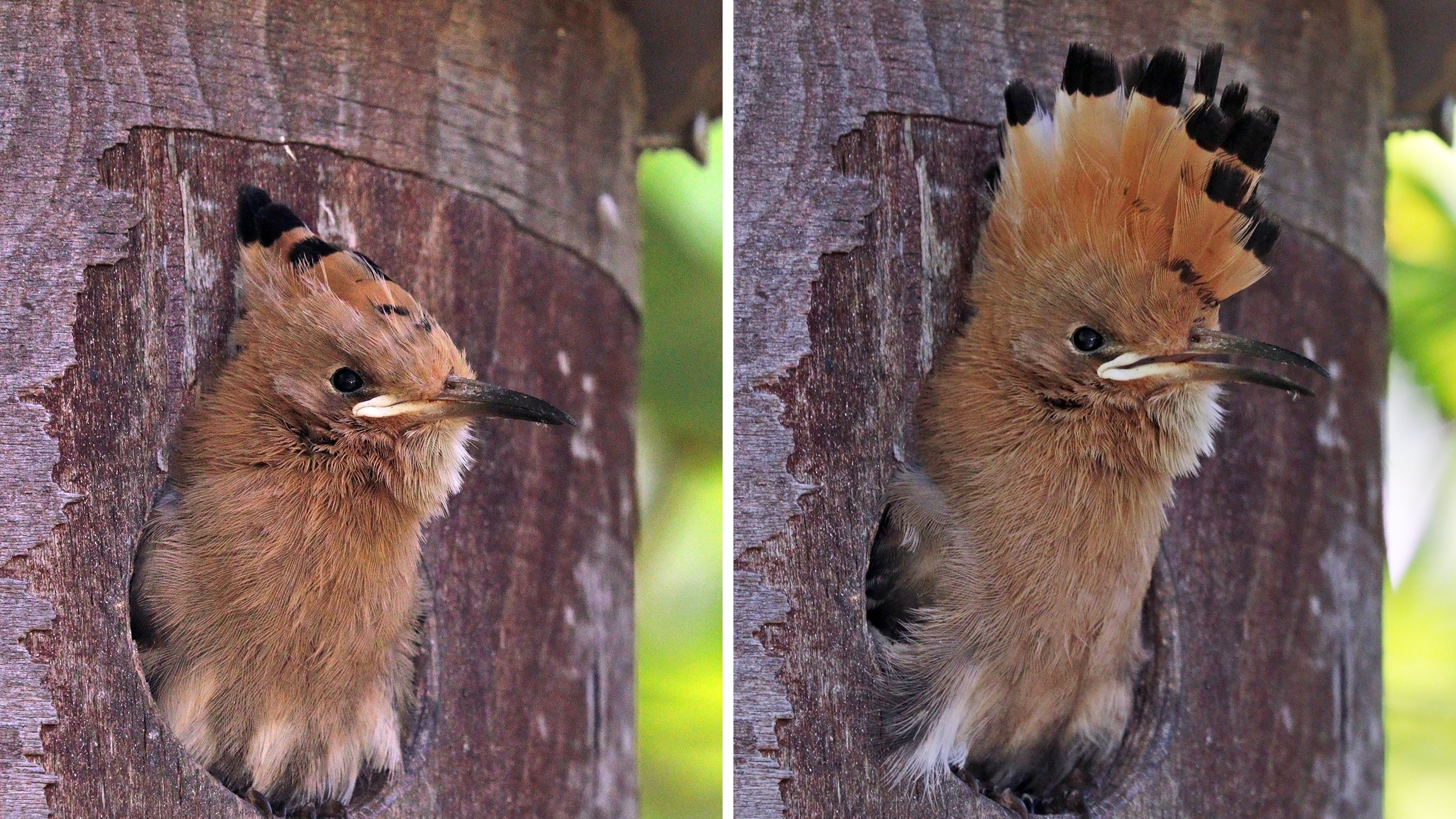
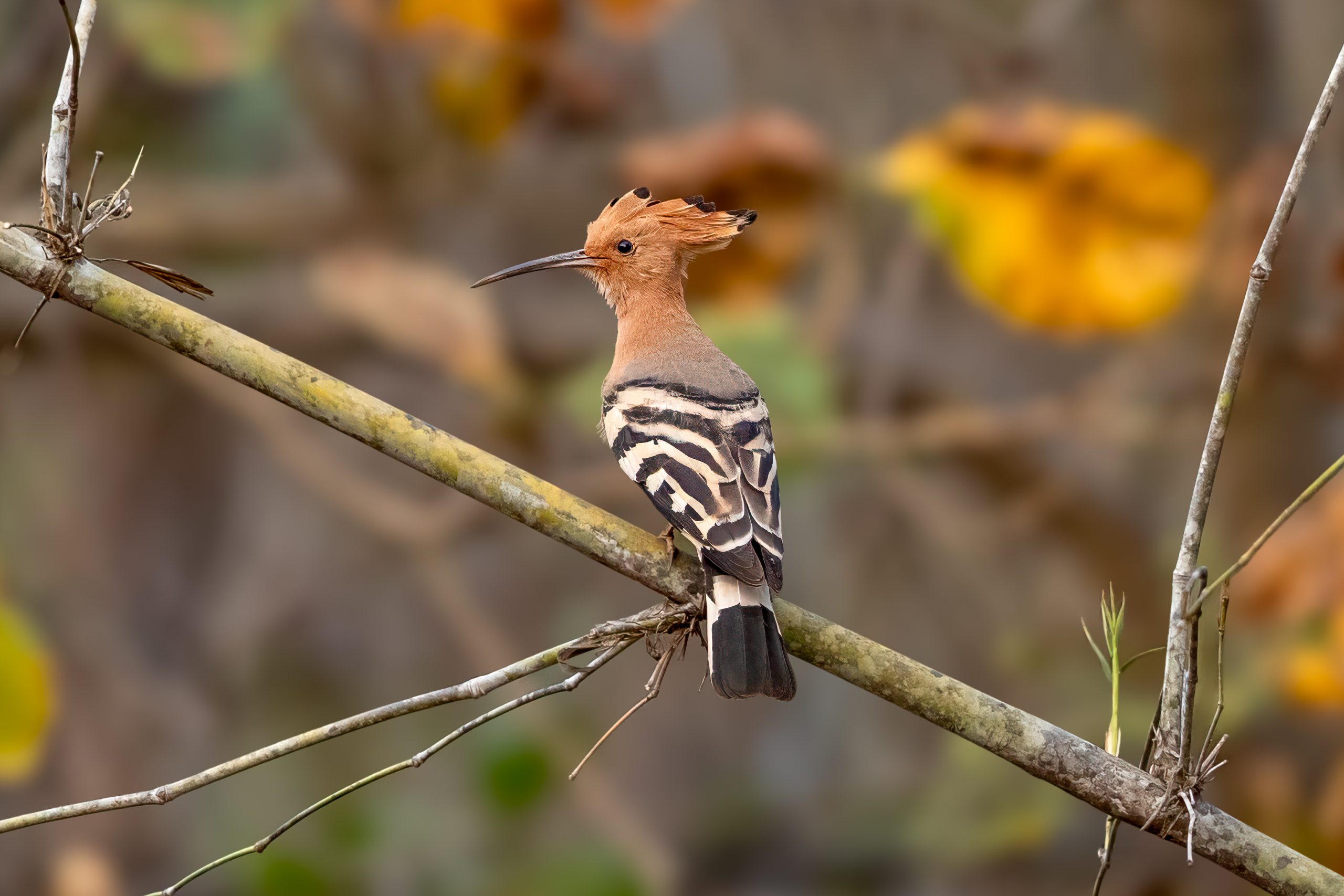
A 2026 study of the Eurasian hoopoe (Upupa epops) concludes that its uropygial, or preen, gland has the hallmarks of a specialized symbiotic organ: a structure that provides favourable niches for beneficial bacteria while keeping them compartmentalized away from living host tissues. The researchers compared wild breeding populations in southern Spain and southwestern Switzerland, combining microbiome analyses with detailed studies of the gland’s internal structure.
They analysed 342 samples of uropygial secretions and eggshells from breeding females and nestlings, collected in Spain in 2010 and Switzerland in 2014. Bacterial communities in the gland secretions were more similar between the Spanish and Swiss populations than the bacterial communities on eggshells, which are more exposed to the surrounding environment. The authors interpret this as evidence that the gland helps select and maintain a particular community of symbiotic bacteria.
The gland’s anatomy isolated bacteria from living tissue
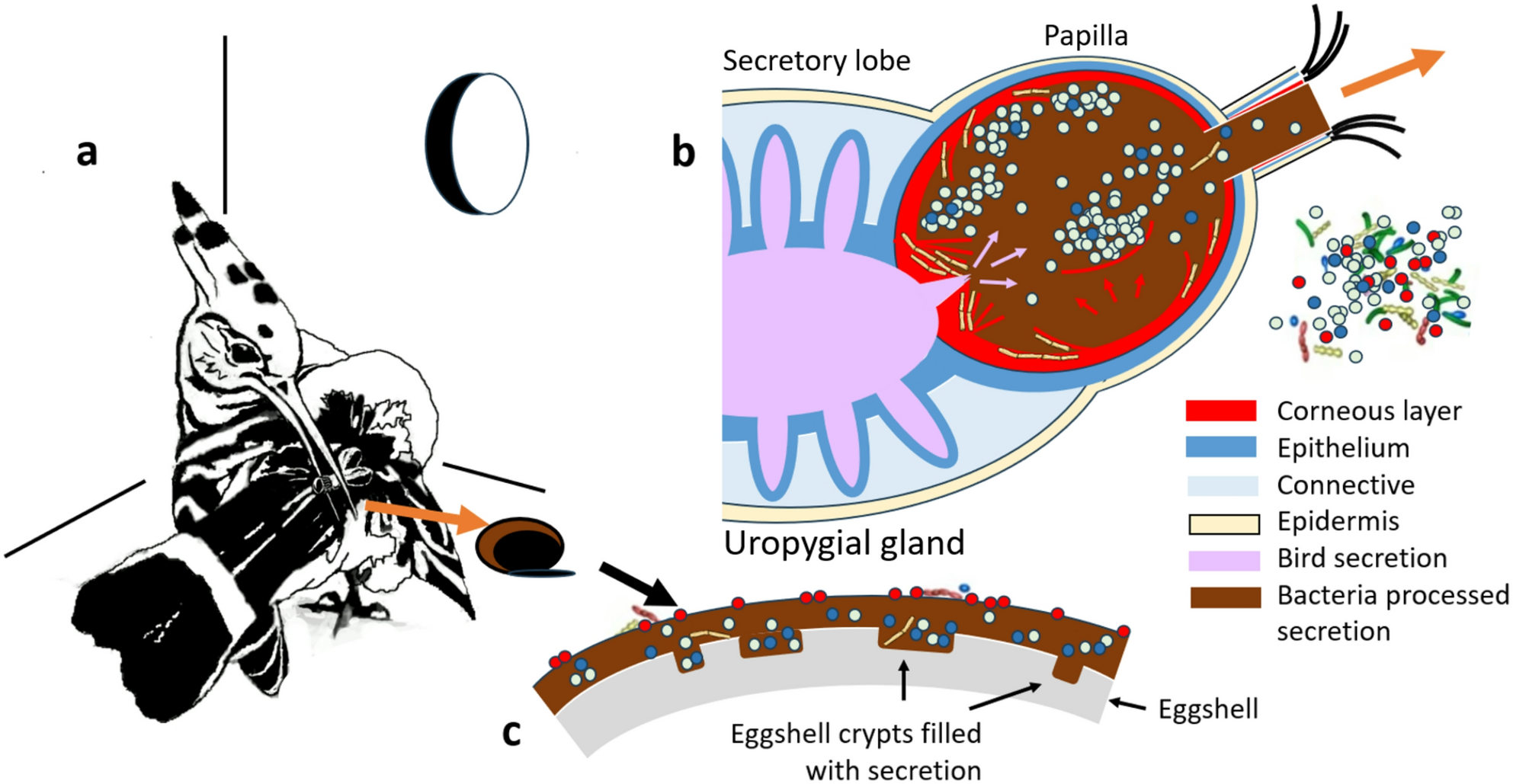
The anatomical study used glands from nine birds found killed by predators in the wild and eight that died accidentally in a captive breeding population. Histology and fluorescence microscopy showed that in breeding females and nestlings, the gland was strongly compartmentalized by specialized tissue, with bacteria concentrated in particular internal niches rather than entering the surrounding tissues. These structural features were absent in males and non-breeding females that lacked the seasonal symbiosis.
The secretion carried antimicrobial symbionts
The dark secretion produced by breeding females and nestlings contains a complex bacterial community that includes antimicrobial-producing symbionts. These bacteria produce compounds that inhibit other microbes, helping explain why cultivating them can be useful to the host. Females spread the secretion over their eggs.
Disease, parasites & microbiology
Related news
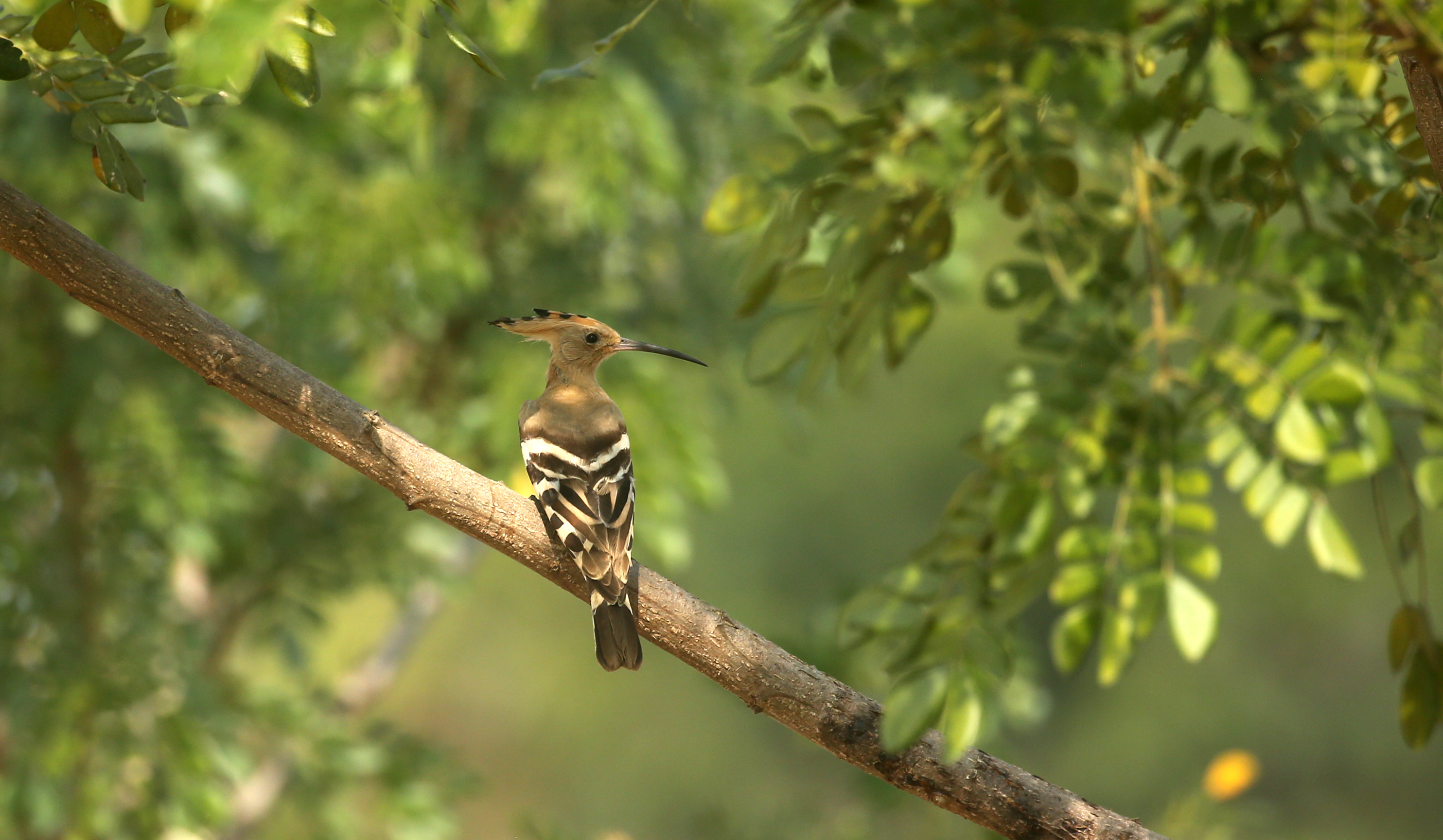
Closer Relatives Among Hoopoes, Woodhoopoes and Hornbills Had More Similar Preen-Gland Microbiomes
Across eight taxa of hoopoes, woodhoopoes and hornbills, more closely related birds had more similar bacterial communities in…
Read story →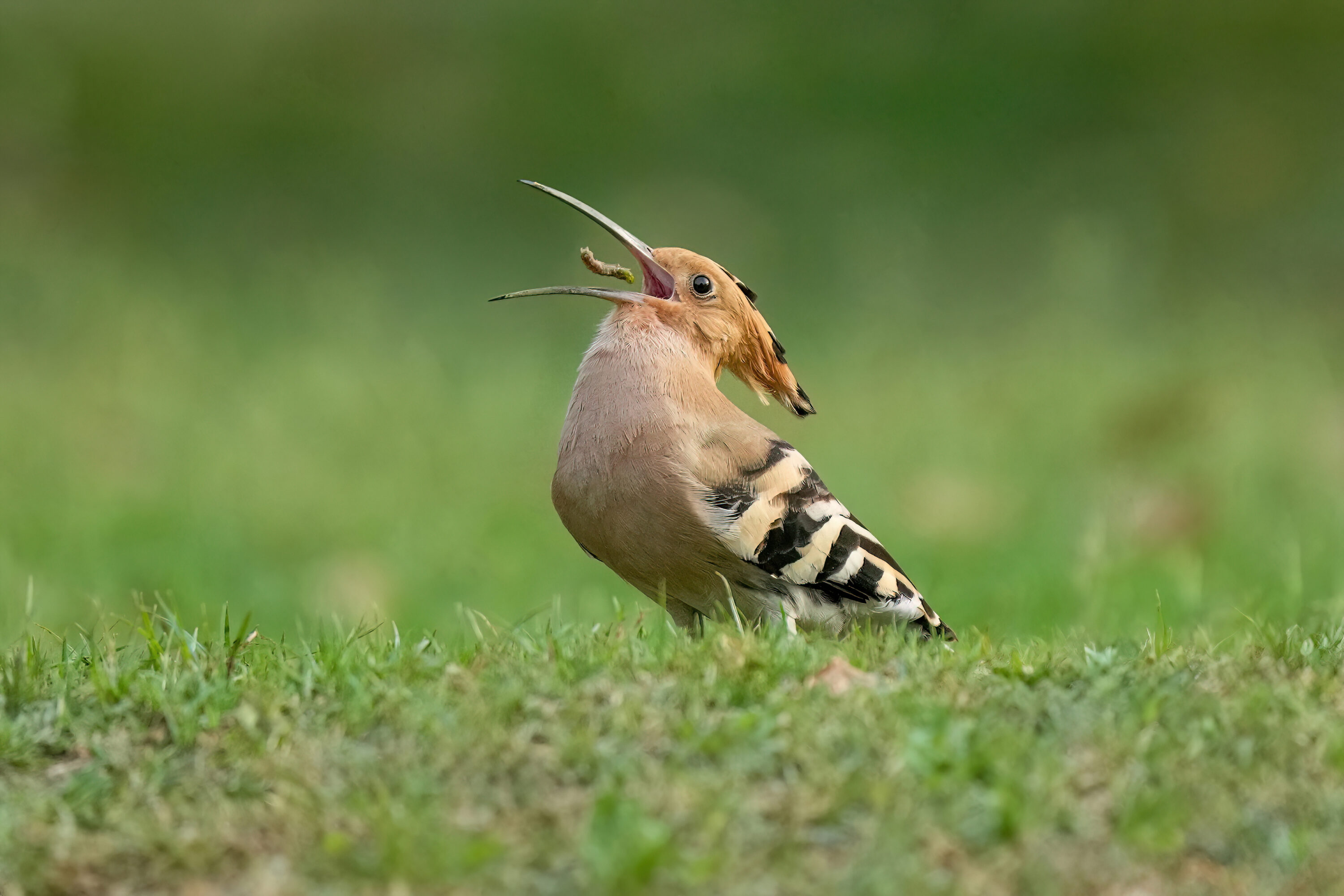
Eurasian Hoopoe Index Showed Clear Declines on Both Time Scales in India
The 2025 State of India’s Birds update estimated a −46.4% long-term trend and a −2.3% current annual trend…
Read story →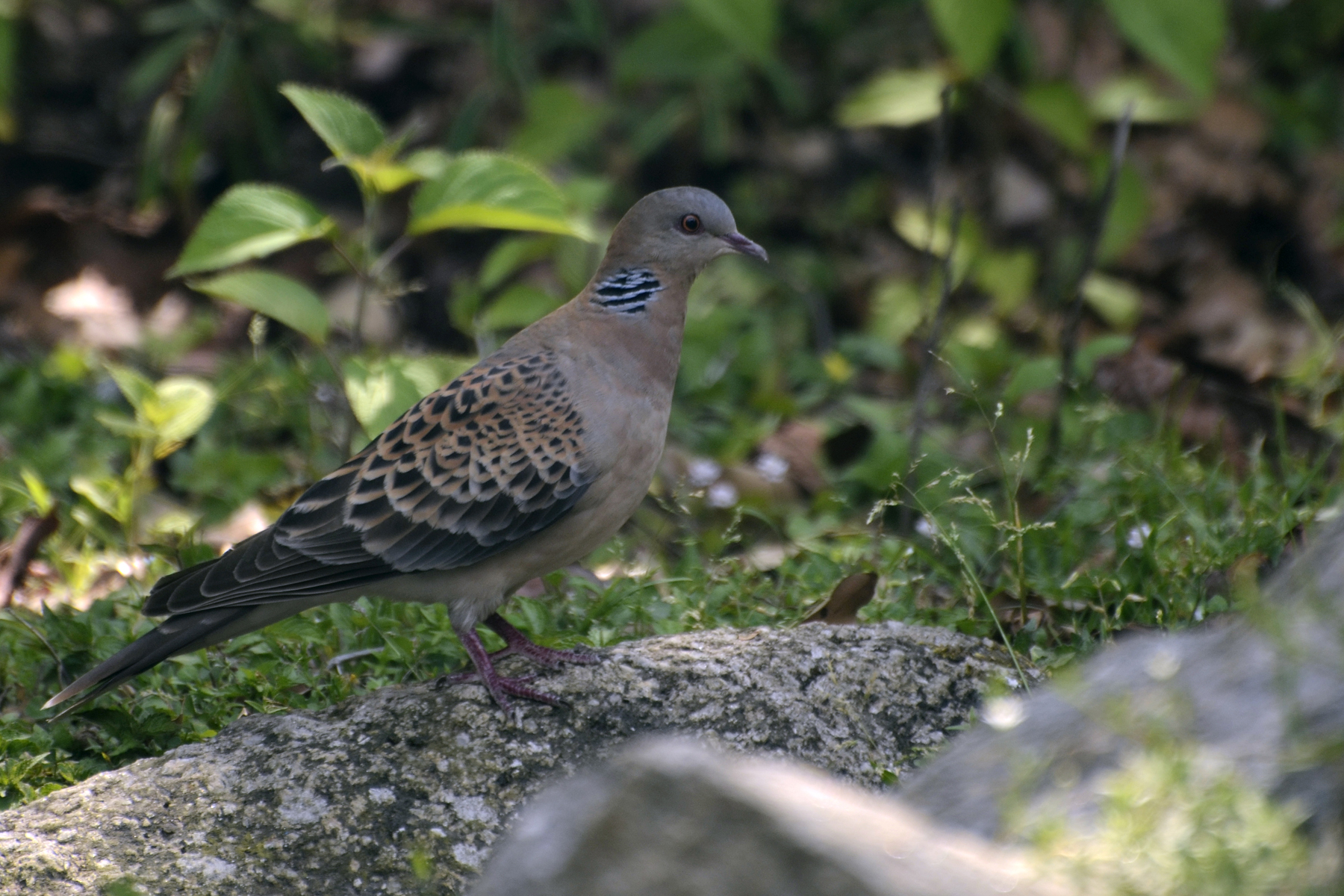
Gut Bacterial Profiles Differed Among Three Bird Species Near Harbin
A study of 27 wild birds near Harbin found species-specific differences in gut bacteria among Oriental turtle doves,…
Read story →SPECIES IN THIS STORY
Species in this story
Independent research and conservation news archive
Did you find this information useful?
Wildlife Vagabond is independently built and maintained. Voluntary support helps cover source verification, hosting and continued work on research and conservation news.
Support Wildlife VagabondThe news archive will remain freely available.