
Foster-Host Diet Differences Covaried With Gut Microbiome Differences in Common Cuckoo Nestlings
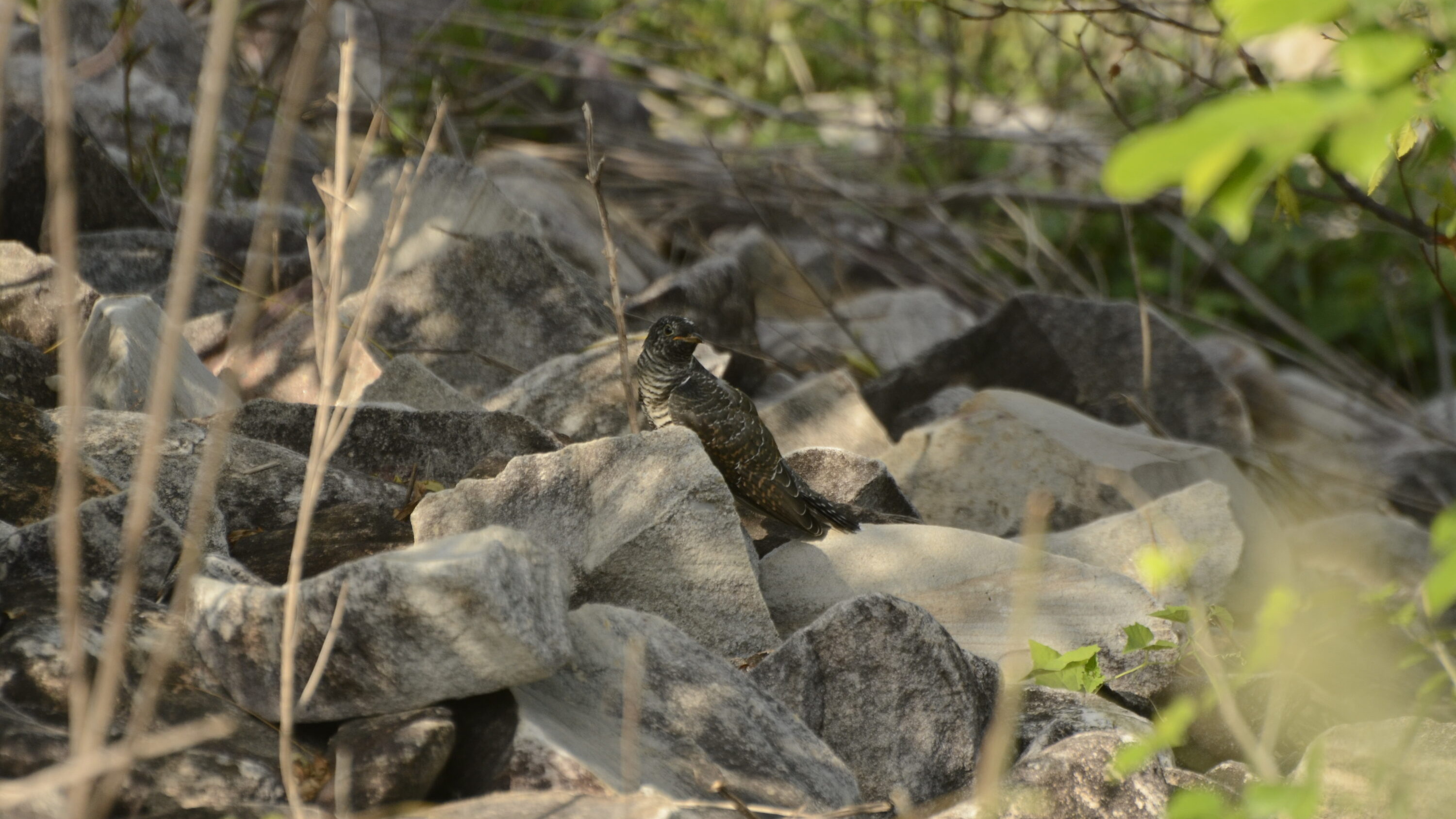
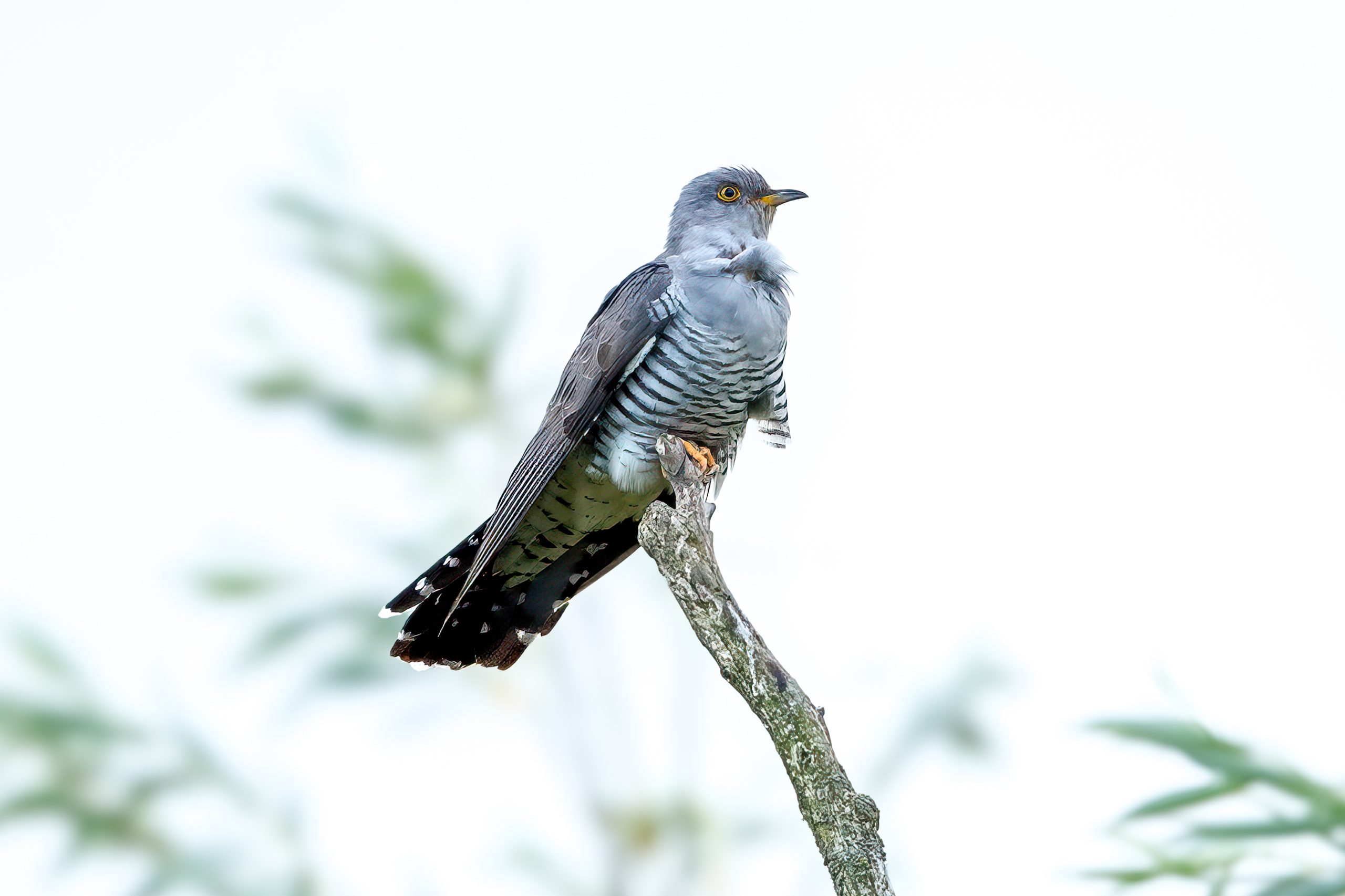
Common cuckoo (Cuculus canorus) nestlings raised by three different host species received different diets, and those dietary differences covaried with differences in their gut microbial communities and functional gene profiles. The study was conducted in China. The study, available online on 16 June 2026, combined three molecular approaches. Diet DNA metabarcoding identified prey from DNA remaining in faecal samples; 16S rRNA gene sequencing described the bacterial community; and metagenomic sequencing examined microbial genes and their functional potential.
The researchers compared cuckoo nestlings reared by oriental reed warbler (Acrocephalus orientalis), daurian redstart (Phoenicurus auroreus) and grey bushchat (Saxicola ferreus). Because brood-parasitic cuckoo chicks depend entirely on food delivered by their foster parents, the three host species provided a natural way to examine how different host-provided diets covary with the developing gut microbiome.
The three host groups provided different diets
Both dietary composition and Shannon diversity differed among cuckoo nestlings raised by the three host species. Shannon diversity combines how many prey types are present with how evenly feeding is distributed among them. The result therefore means that the foster hosts differed not only in which prey they delivered, but also in the diversity structure of the chicks’ diets.
Gut microbial Shannon diversity, however, did not differ clearly among the three cuckoo groups. Microbial community composition did. In other words, the groups could have broadly similar overall bacterial diversity while differing in which bacteria were present and in their relative abundances. A similar diversity value therefore did not mean that the microbiomes were biologically identical.
Microbial function differed most strongly in one host context
The metagenomic functional profile of the gut microbiome in cuckoos raised by oriental reed warblers differed from that of chicks raised by daurian redstarts and grey bushchats. The latter two groups were functionally more similar to each other. The authors discuss this as a form of functional redundancy: bacterial communities can differ in taxonomic composition while retaining partly similar metabolic capacities.
Across samples, greater dissimilarity in diet was associated with greater dissimilarity in both microbial community composition and metagenomic function. Several prey families were also associated with particular microbial genera and functional features. These are covariation patterns: because the study compared naturally reared chicks rather than experimentally assigning diets, it does not show that diet alone caused the microbiome differences.
The authors conclude that diet and gut microbiome composition and function covary in common cuckoo nestlings raised by different host species. They suggest that these associations may be relevant to nutrient acquisition under contrasting foster-host diets. The study therefore links a distinctive feature of brood parasitism — being fed entirely by another species — with variation in the microbial environment developing inside the cuckoo chick, while leaving the relative roles of diet and other host-rearing conditions for future causal tests.
Disease, parasites & microbiology
Related news
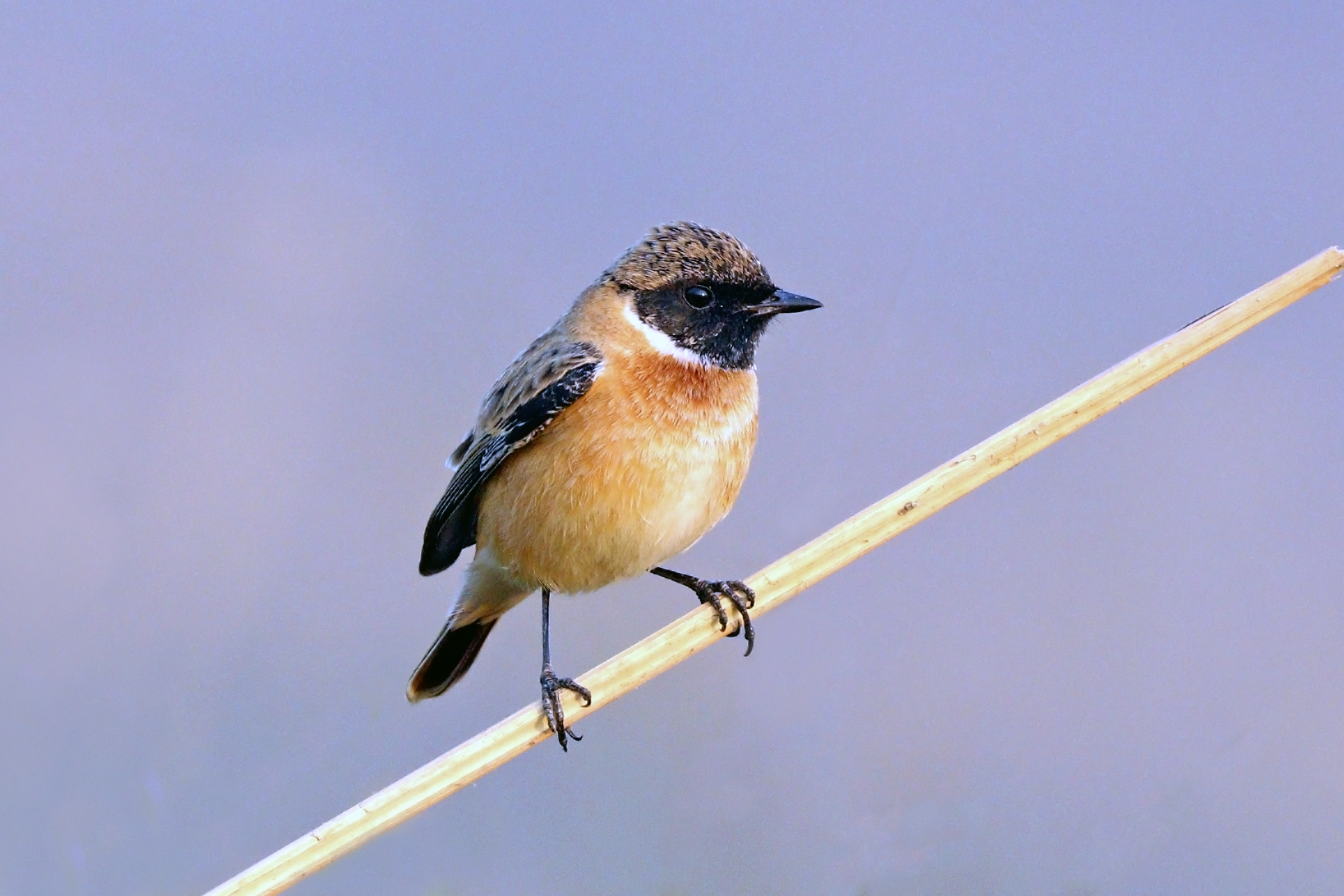
Egg Rejection Did Not Clearly Increase After Cuckoo Arrival in Two Host Species
Grey bushchats and Siberian stonechats showed no clear increase in foreign-egg rejection after common cuckoos arrived. The result…
Read story →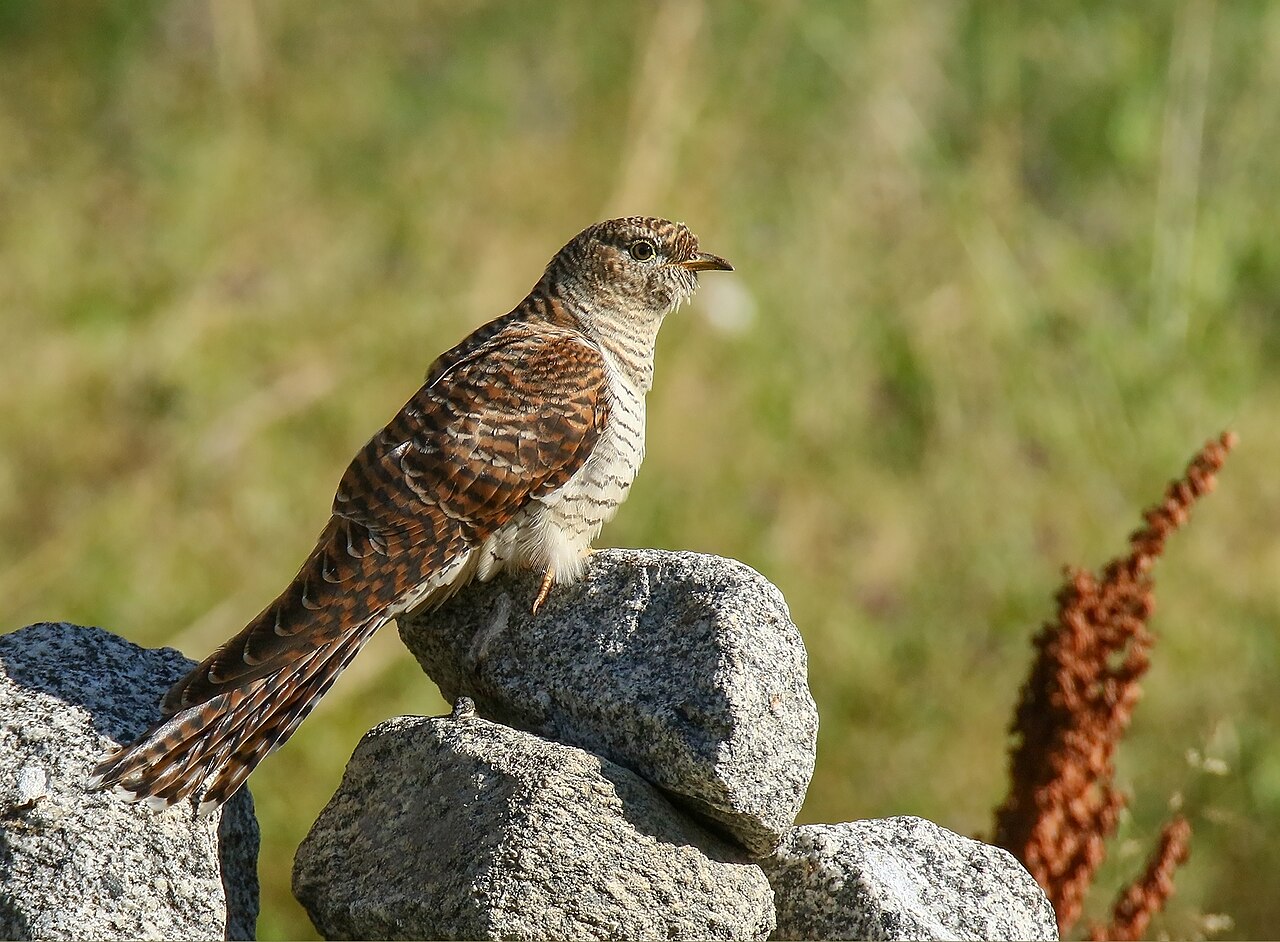
Cuckoos Use Two Different Strategies to Lay Eggs in Redstart Nests
Video from Finnish redstart nest boxes provides the first direct evidence that common cuckoos use two egg-laying strategies,…
Read story →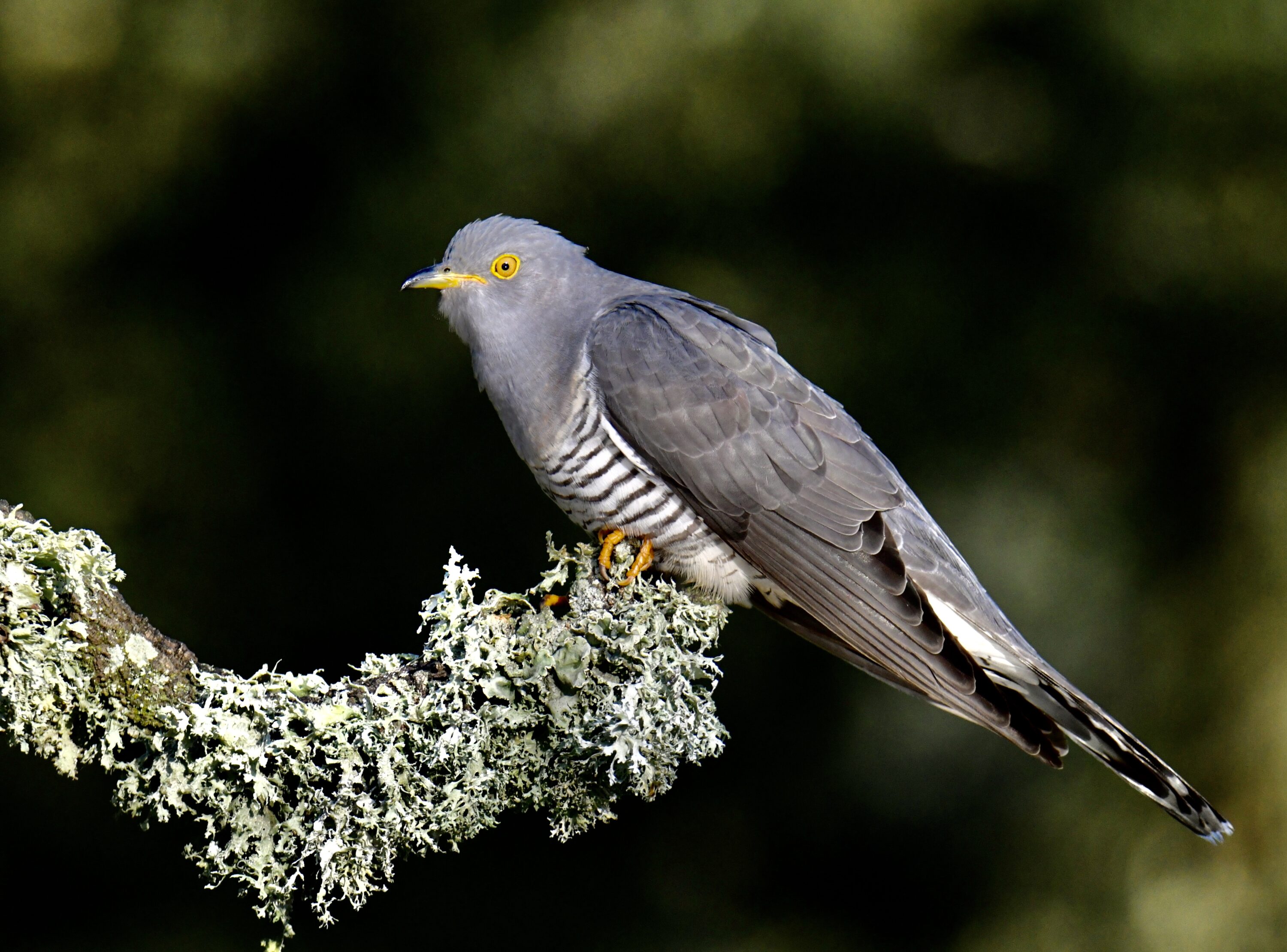
Models Highlighted Iberian Mountains and the Po Watershed as Key Stopover Regions for UK Common Cuckoos
Models based on satellite tracks from 88 UK-breeding male common cuckoos highlighted Iberian mountain ranges and the Po…
Read story →SPECIES IN THIS STORY
Species in this story
Independent research and conservation news archive
Did you find this information useful?
Wildlife Vagabond is independently built and maintained. Voluntary support helps cover source verification, hosting and continued work on research and conservation news.
Support Wildlife VagabondThe news archive will remain freely available.