
House Crow Breeding Varies Across Regions, Review of 34 Studies Finds
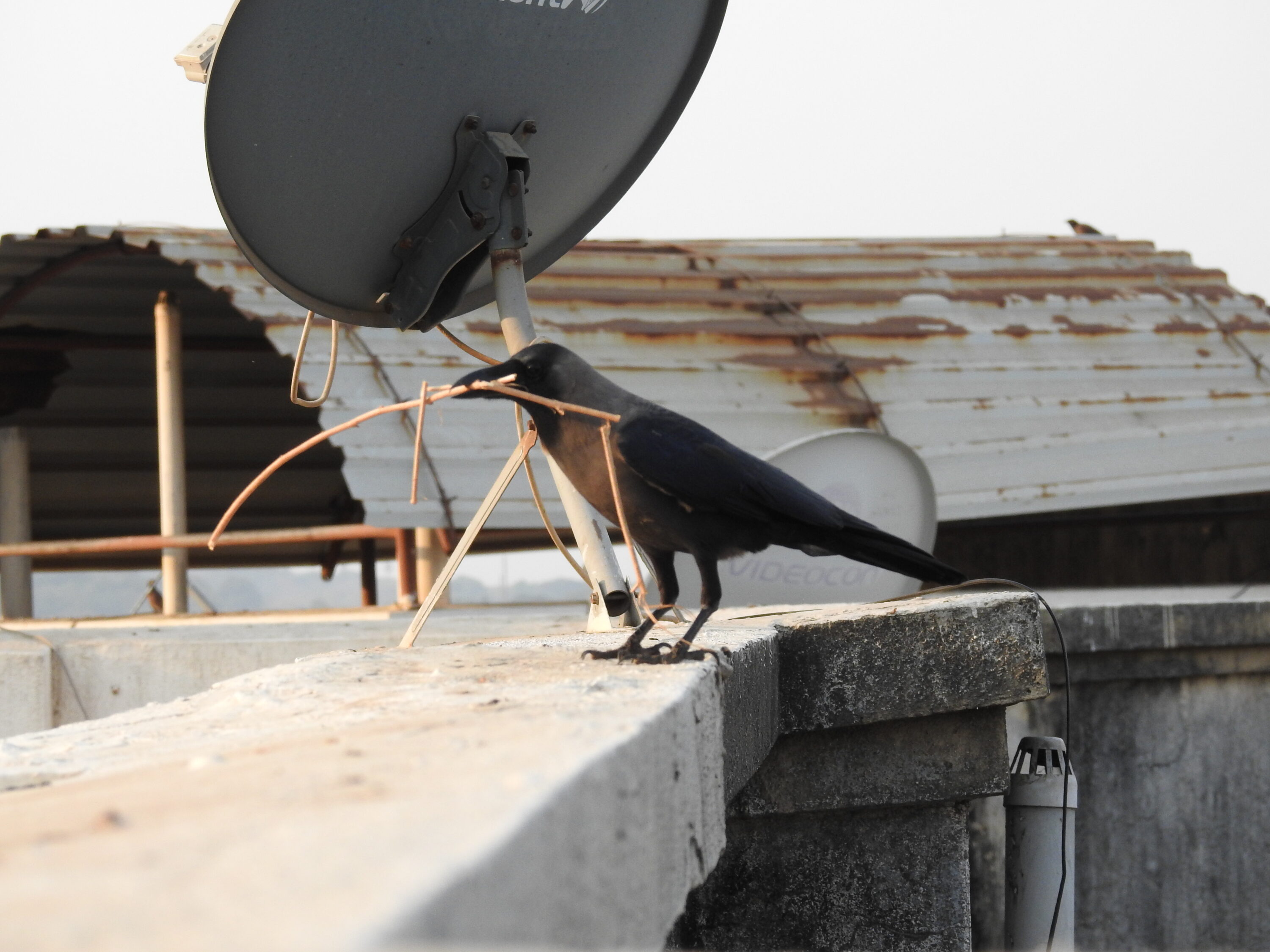
A 2026 review of 34 studies found substantial geographic variation in the breeding biology of house crows (Corvus splendens), with differences in breeding-season timing, nesting, clutch size and reproductive success. The authors examined how this variation can be used to improve control of invasive populations.
Breeding calendars and nest sites differed among regions
The reviewed studies showed that breeding seasons do not follow one universal calendar. Across many regions, breeding was concentrated in the dry season, but timing differed locally with climate, food availability and access to nesting material. Nest-site choice was linked more strongly to structural features of trees — including height, canopy volume and branch density — than to how abundant a tree species was.
Mean clutch size generally ranged from about 3.5 to 4.5 eggs, with some geographic variation. Available studies also suggested higher breeding success in urban than rural populations, but this part of the evidence base was small: only five of the 34 studies contributed data on nest or breeding success. Reported nest-success estimates were roughly 46–59%, so the review treats this pattern as less comprehensively documented than nest-site selection. Nesting material varied between regions as well: house crows commonly incorporated human-made material such as wire and plastic, while the mix of natural and artificial material differed among study areas.
Control should follow local breeding biology
The authors argue that population control should be adapted to local breeding biology rather than applied uniformly. They recommend timing interventions to local breeding periods, concentrating nest-based measures on preferred nesting structures, and reducing access to food waste and nesting material through urban sanitation. The review also notes that single control methods often produce only short-term reductions when used alone.
Management
Related news
More House Crows Were Counted on Hotter Days in Jaipur
At five urban sites in Jaipur, daily totals ranged from 17 to 81 house crows, and about 22%…
Read story →
Two House Crows Began Anting After Watching a Large-billed Crow in Coonoor
In Coonoor, India, a Large-billed Crow rubbed yellow crazy ants through its plumage. Three House Crows arrived; one…
Read story →
Singapore House Crows Kept Preferred Tree Species but Shifted Other Nest-site Choices
A 2026 comparison with a 2001 Singapore survey found that house crows still favoured the same main tree…
Read story →SPECIES IN THIS STORY
Species in this story
Independent research and conservation news archive
Did you find this information useful?
Wildlife Vagabond is independently built and maintained. Voluntary support helps cover source verification, hosting and continued work on research and conservation news.
Support Wildlife VagabondThe news archive will remain freely available.