
Review Compiled 40 Parasite Records From House Crows Across Native and Introduced Ranges
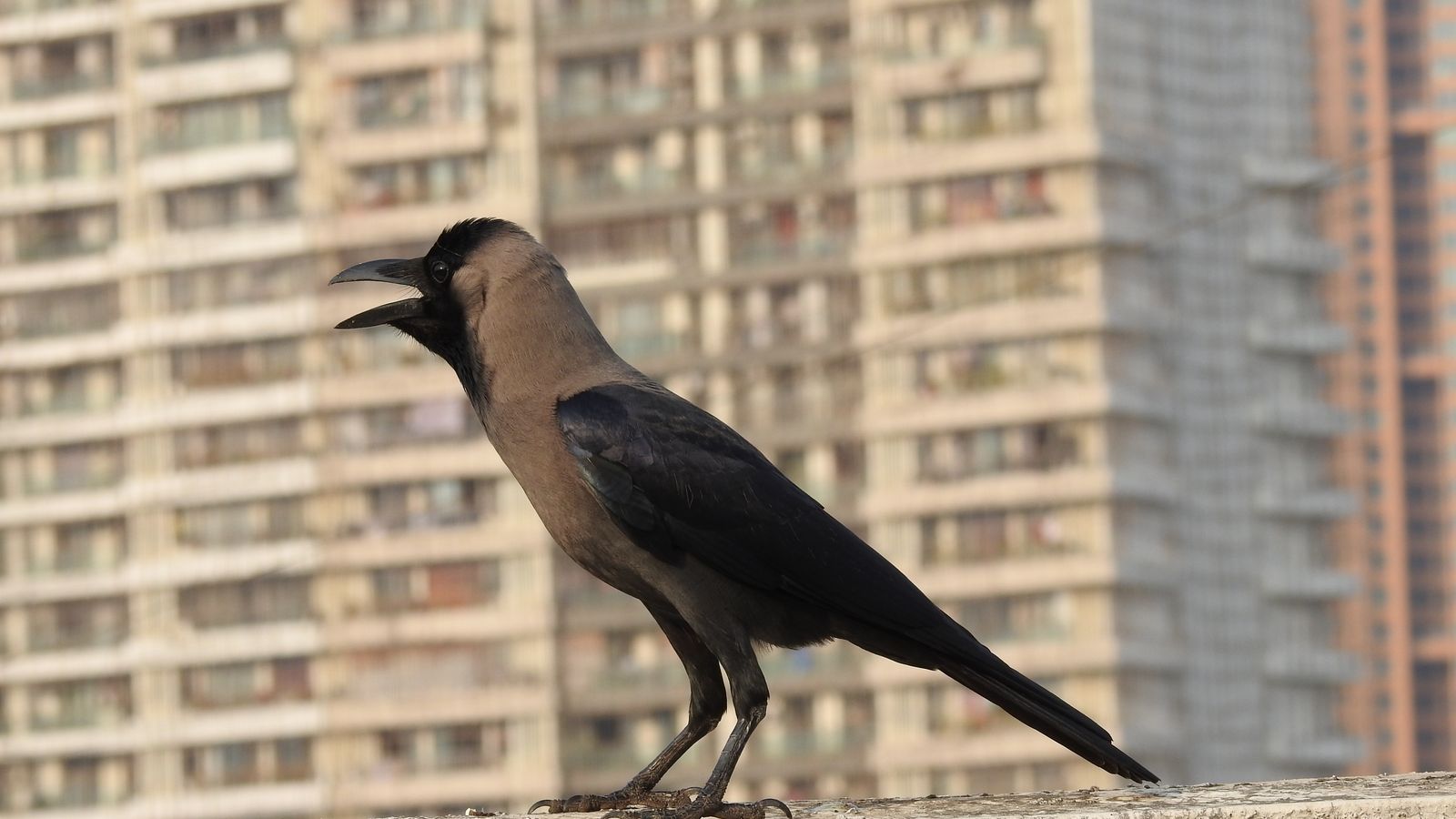
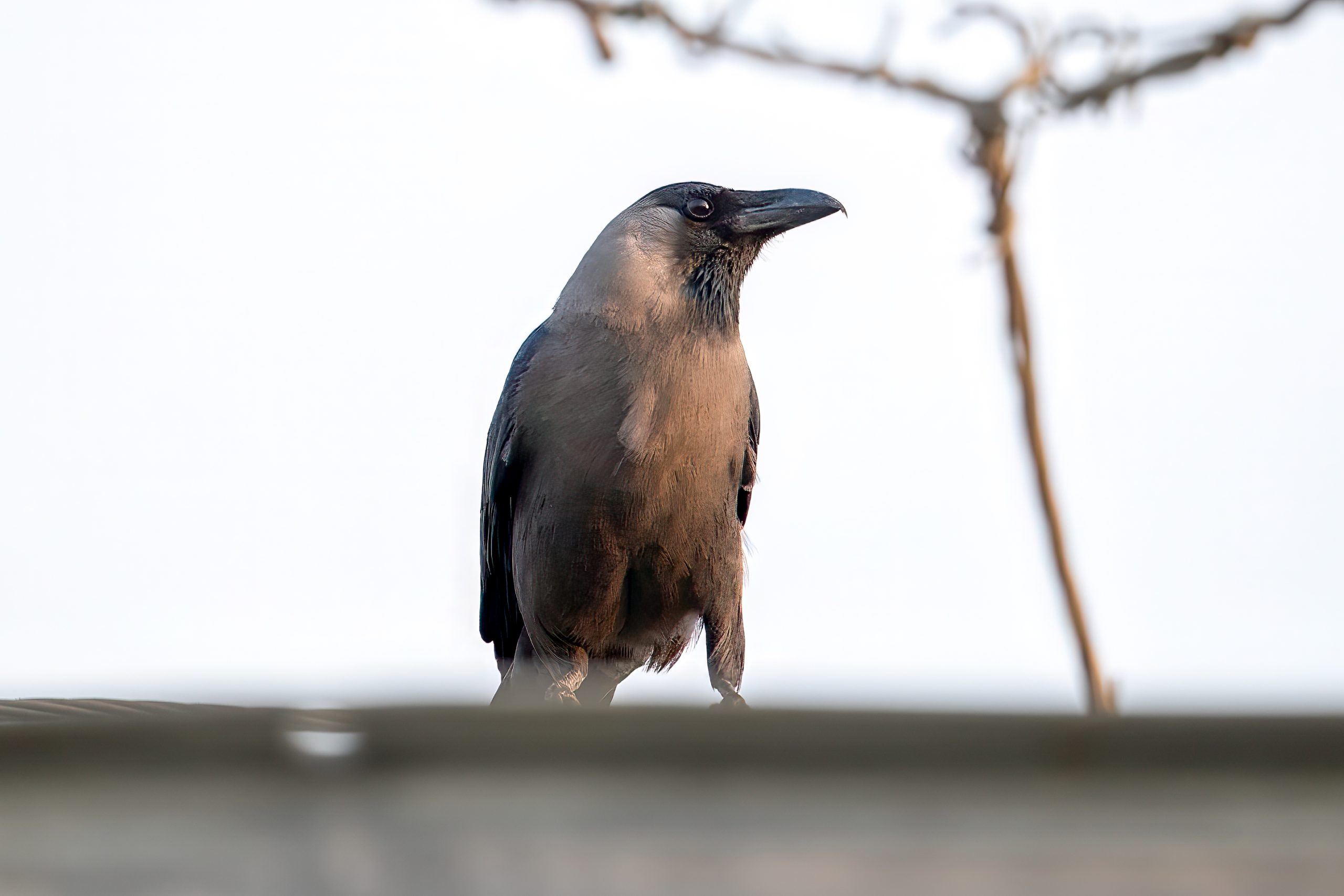
A 2026 SSRN preprint brought together published records of parasites in house crows (Corvus splendens) from the species’ native South Asian range and introduced populations elsewhere. House crows live closely alongside people and often feed around waste and livestock, making it useful to know which parasites have been reported from them. The review searched studies published from 1991 to 2025 and included 21 unique studies containing 40 parasite–host occurrence records. These are records in the literature, not 40 infected individual crows or necessarily 40 unique parasite species.
The records covered several major parasite groups: nematodes are roundworms, cestodes are tapeworms, trematodes are flukes, acanthocephalans are thorny-headed worms, and protozoans are single-celled parasites. Just over half of the studies reported prevalence—the share of sampled birds in which a parasite was detected—while the rest mainly documented that a parasite species had occurred.
Most studies identified parasites from their physical appearance. Only about 9.5% of the 21 studies used molecular methods such as DNA-based identification. This matters because parasites that look similar under a microscope can be difficult to distinguish confidently, whereas genetic data can help verify species identity and relationships.
Four records involved parasites with recognised zoonotic importance
Four occurrence records involved parasites regarded as zoonotic, meaning they can also infect humans: Toxoplasma gondii, Giardia lamblia, Hymenolepis spp. and Sarcocystis spp. Individual studies reported prevalences of 12.5%, 26%, 12% and 20%, respectively. These percentages come from different studies, places and sampling designs and should not be combined into a single infection rate for house crows.
The review also found records of parasites important in poultry, including Ascaridia galli, Heterakis gallinarum, Syngamus trachea, Raillietina echinobothrida and Histomonas meleagridis. Their occurrence in house crows shows that the same parasite species can occur in wild urban birds and domestic-bird systems, but the review does not demonstrate that crows transmitted them to poultry.
The review points to a One Health surveillance gap
The author describes house crows as potential reservoirs and environmental dispersers of zoonotic and avian parasites. “Potential” is important: finding a parasite in a crow documents host association, but does not by itself show that the bird infected people, livestock or other wildlife. The One Health perspective connects human, animal and environmental health because house crows move through all three settings.
The review therefore calls for broader surveillance using molecular identification, especially where house crows occur at high densities around people and domestic animals. As an SSRN preprint, however, the synthesis had not yet undergone peer review when posted.
Disease, parasites & microbiology
Related news
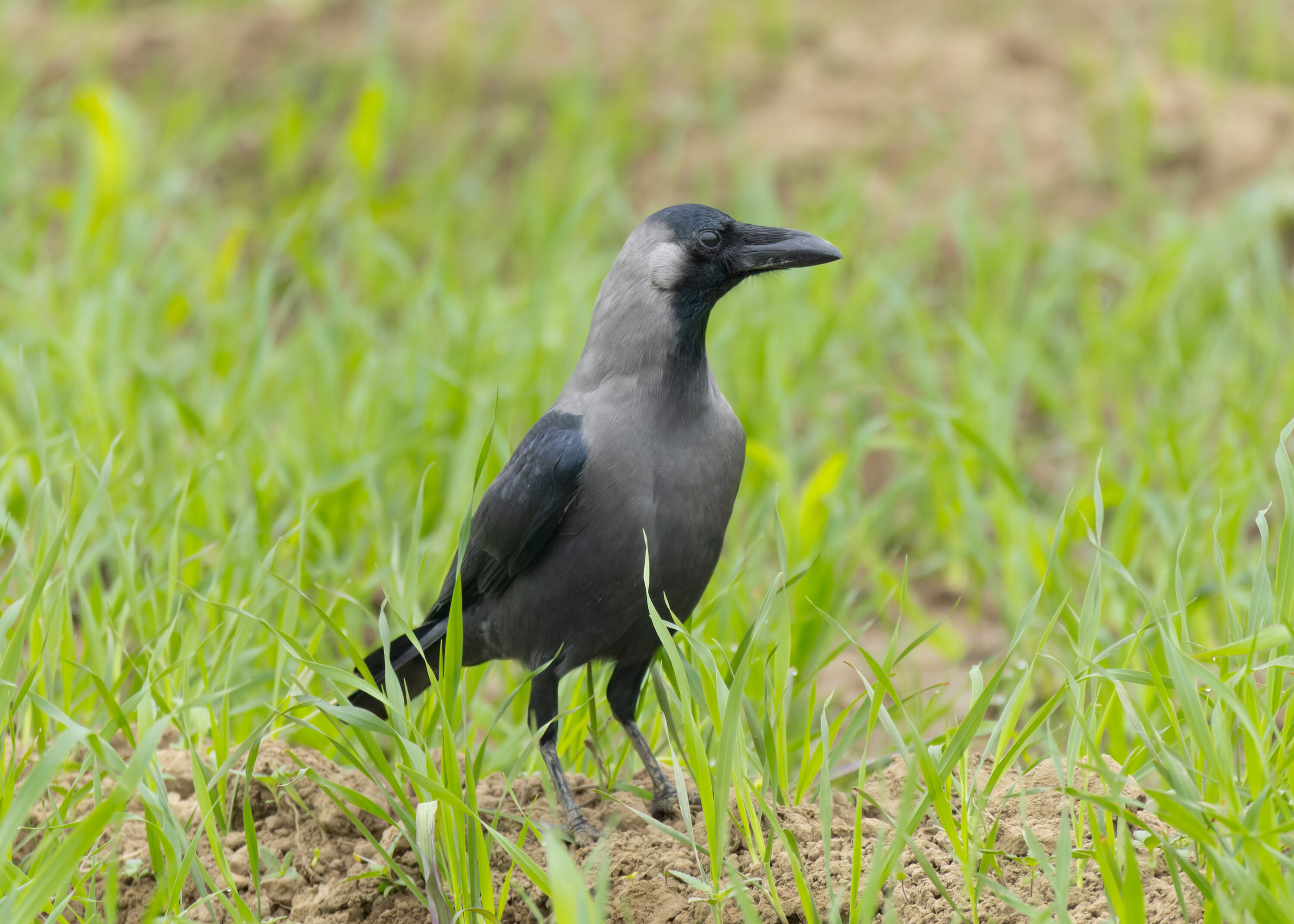
More House Crows Were Counted on Hotter Days in Jaipur
At five urban sites in Jaipur, daily totals ranged from 17 to 81 house crows, and about 22%…
Read story →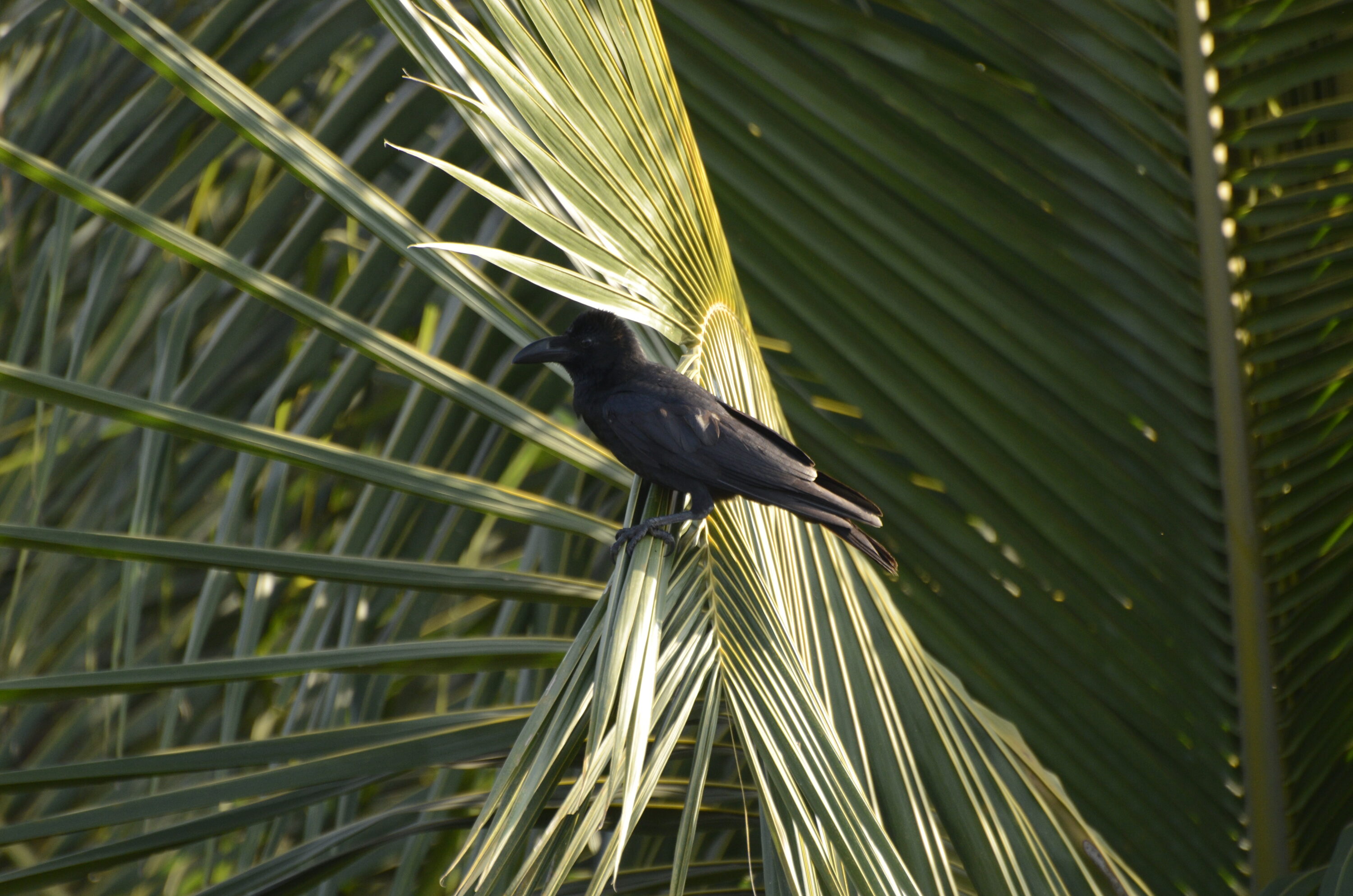
Two House Crows Began Anting After Watching a Large-billed Crow in Coonoor
In Coonoor, India, a Large-billed Crow rubbed yellow crazy ants through its plumage. Three House Crows arrived; one…
Read story →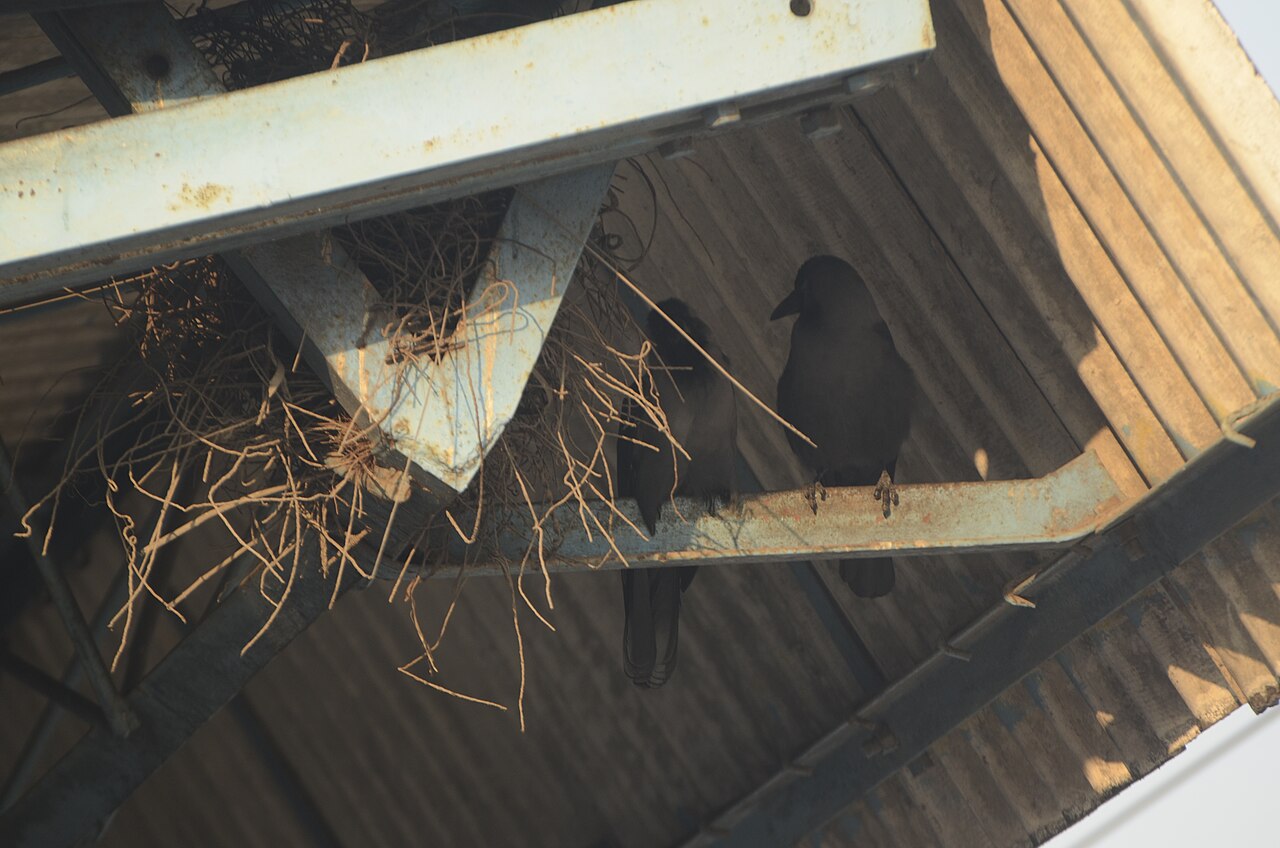
Singapore House Crows Kept Preferred Tree Species but Shifted Other Nest-site Choices
A 2026 comparison with a 2001 Singapore survey found that house crows still favoured the same main tree…
Read story →SPECIES IN THIS STORY
Species in this story
Independent research and conservation news archive
Did you find this information useful?
Wildlife Vagabond is independently built and maintained. Voluntary support helps cover source verification, hosting and continued work on research and conservation news.
Support Wildlife VagabondThe news archive will remain freely available.