
Dhole Packs in Human-Influenced Parts of Mudumalai Ranged Over Much Smaller Areas
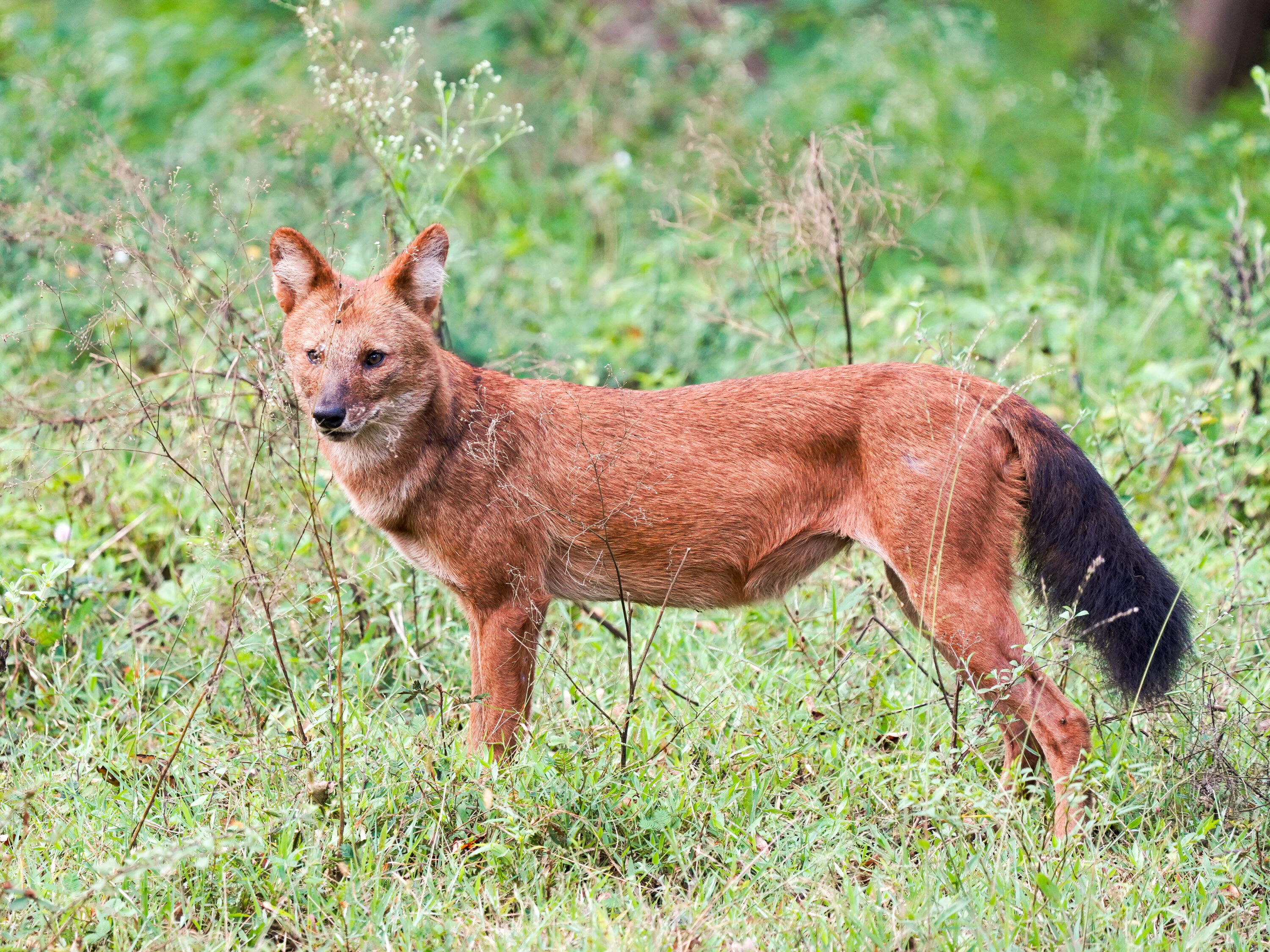
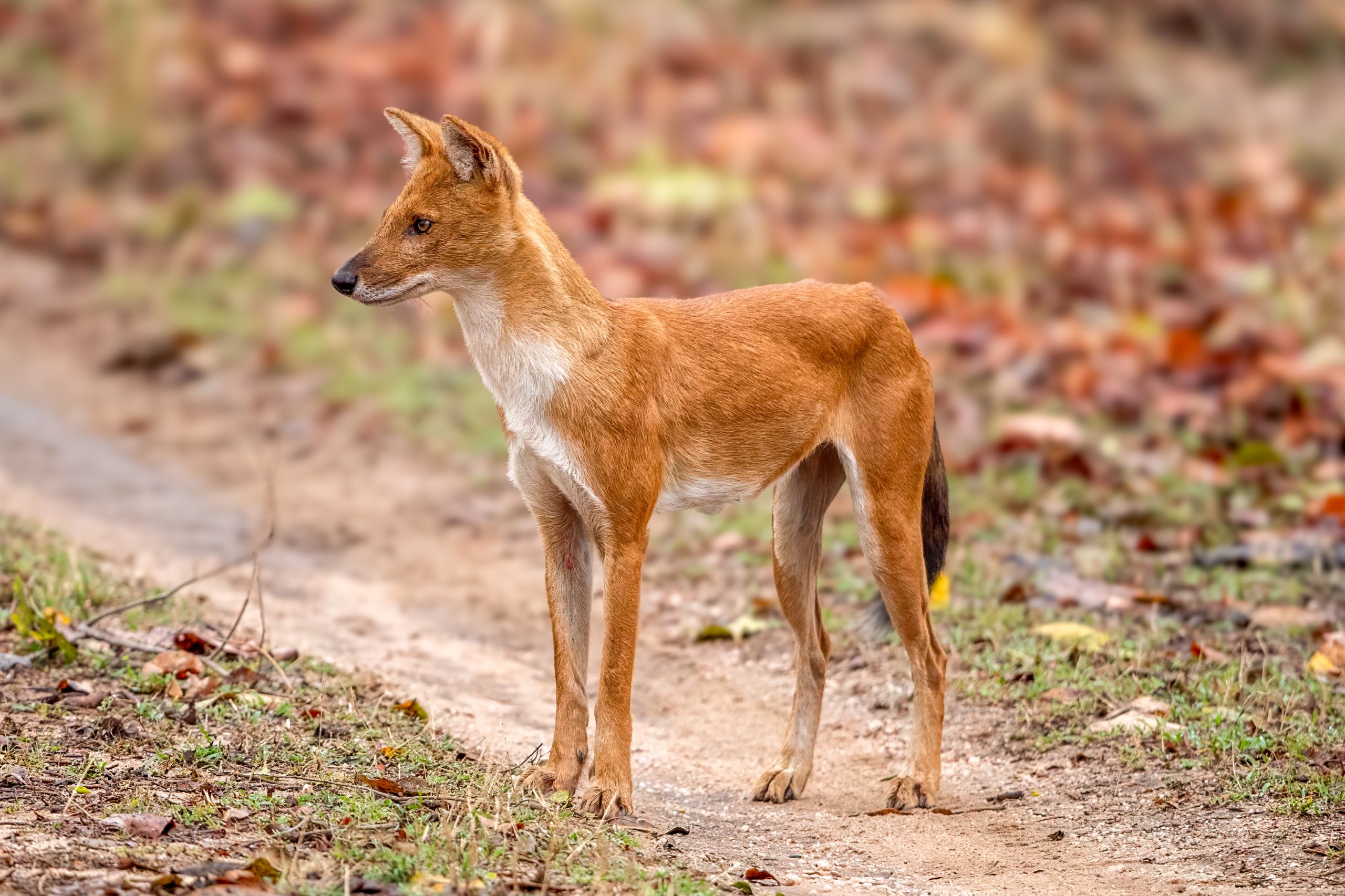
Dhole packs (Cuon alpinus) in the more human-influenced parts of Mudumalai Tiger Reserve, India ranged over much smaller areas than packs in more natural forest. Home ranges were estimated at 14.38 and 6.97 km² for two packs exposed to greater human influence, compared with 36.14 and 40.29 km² for two forest packs. The study was published on 7 August 2026.
Researchers combined direct observations with camera and video trapping from 2011 to 2015. The two smaller home ranges also contained much more human-modified land: residential and agricultural areas made up 17.8% of P1’s range and 30.4% of P2’s, compared with less than 1% in each of the P3 and P4 forest ranges. The authors suggest that access to livestock and garbage may reduce the need for long foraging movements, but this was proposed as an explanation rather than demonstrated as the cause of the smaller ranges.
One heavily exposed pack was more active at night
Dholes were mainly active by day, with peaks around dawn and dusk, and often rested for more than six hours around midday. One pack living under particularly strong human influence showed more nighttime activity, which the researchers interpret as a possible way of avoiding people. Encounters with people, domestic animals or vehicles consistently caused resting dholes to flee, even when the disturbance was detected from 50–150 m away.
The human-influenced packs also had higher mortality
Pups were observed only in the two packs using the more human-influenced areas, but these packs also experienced higher adult and pup mortality. The authors identify retaliatory killing and disease transmission from domestic dogs as possible contributors. They recommend reducing access to garbage, lowering disease risks from domestic and feral dogs, improving livestock management and limiting disturbance around long-term resting sites.
Ecology
Related news
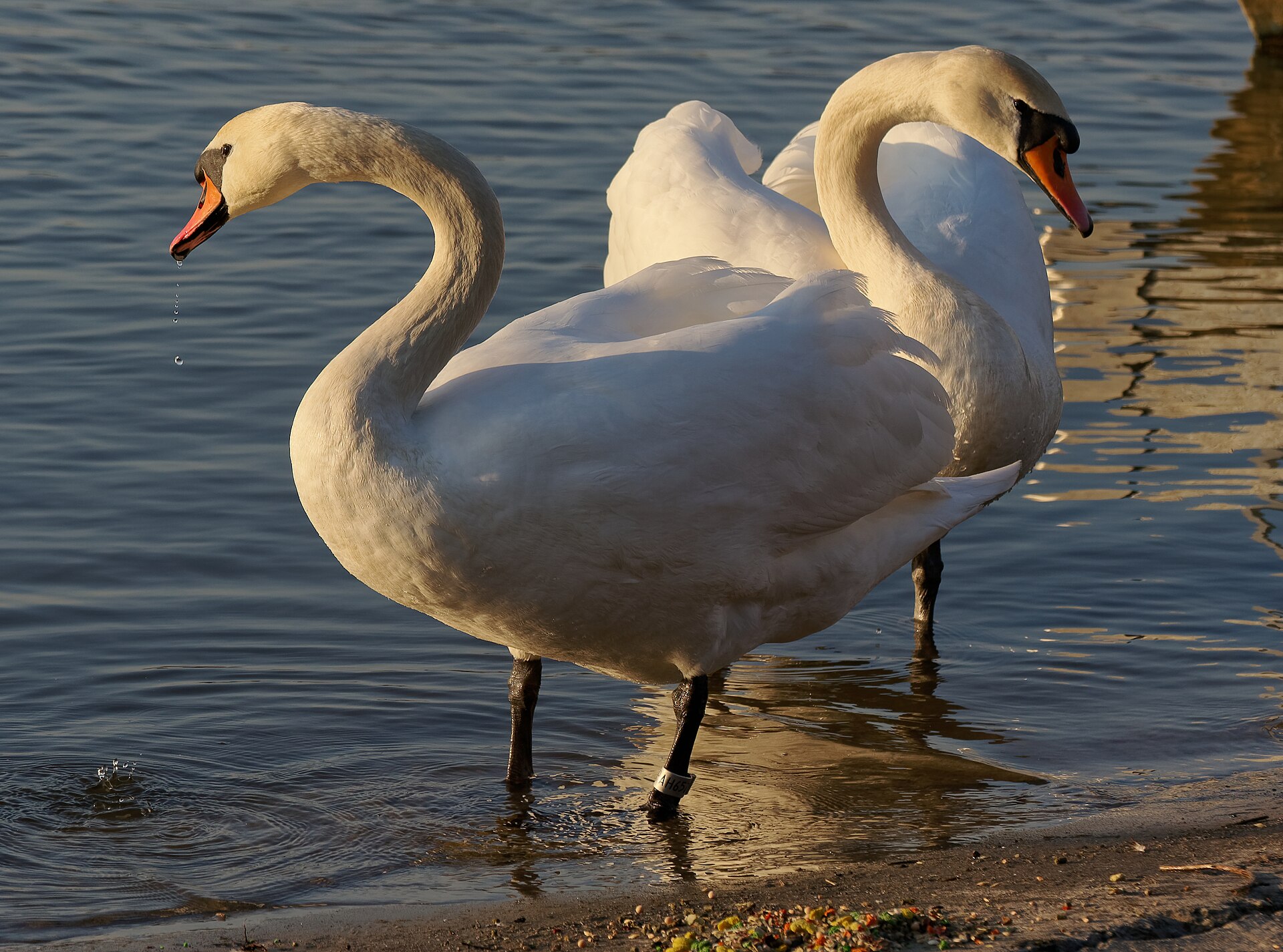
Inland Mute Swans Had Higher Winter Body Condition Despite Harsher Winters and Supplemental Feeding
A study of 853 mute swans from four Polish wintering regions found higher body condition inland than on…
Read story →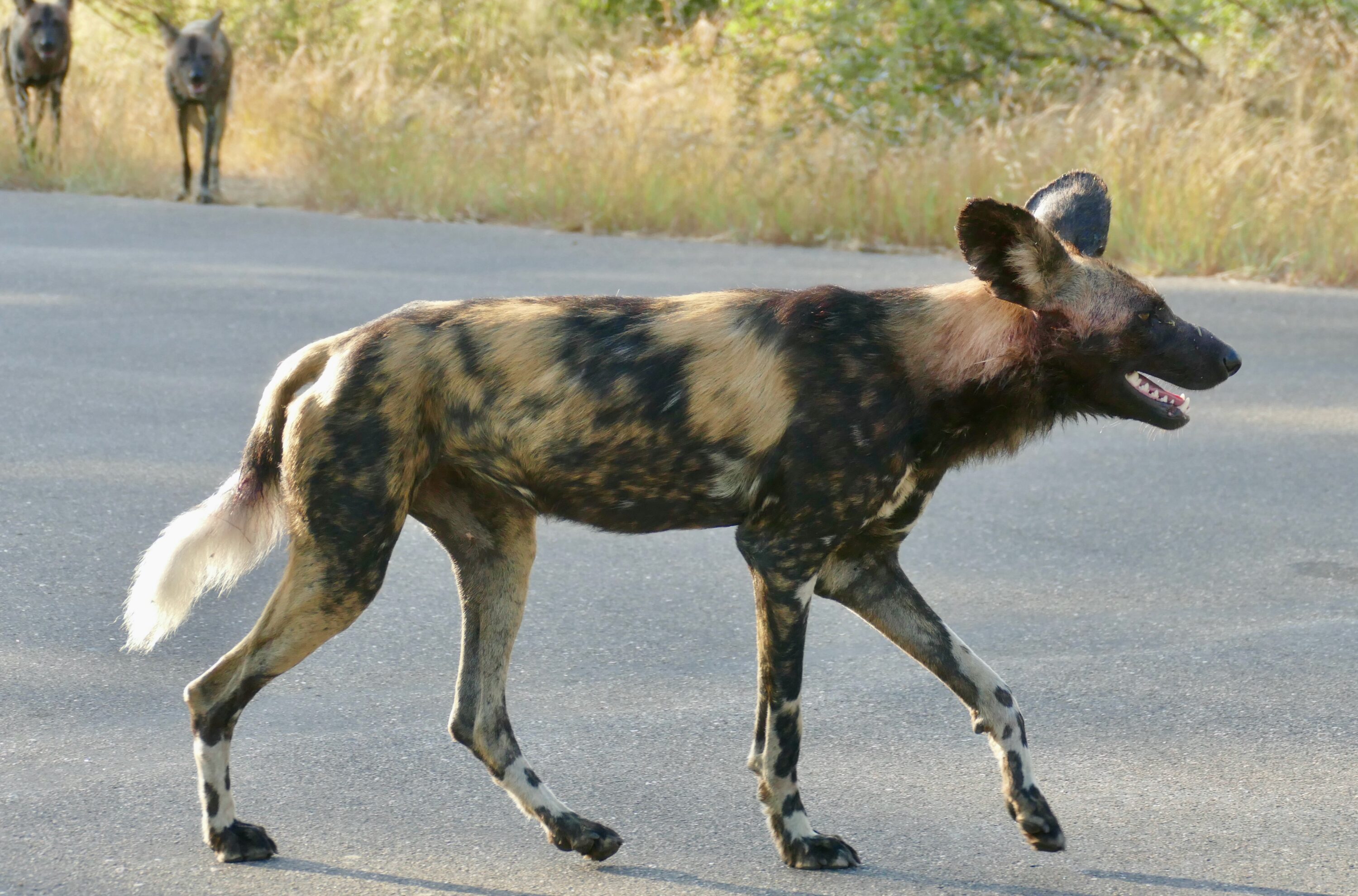
Gut Microbiomes Across Nine Kruger Mammals Clustered More Strongly by Dietary Group Than Species
A study of 89 quality-filtered faecal samples from nine wild mammals in Kruger National Park found that carnivores,…
Read story →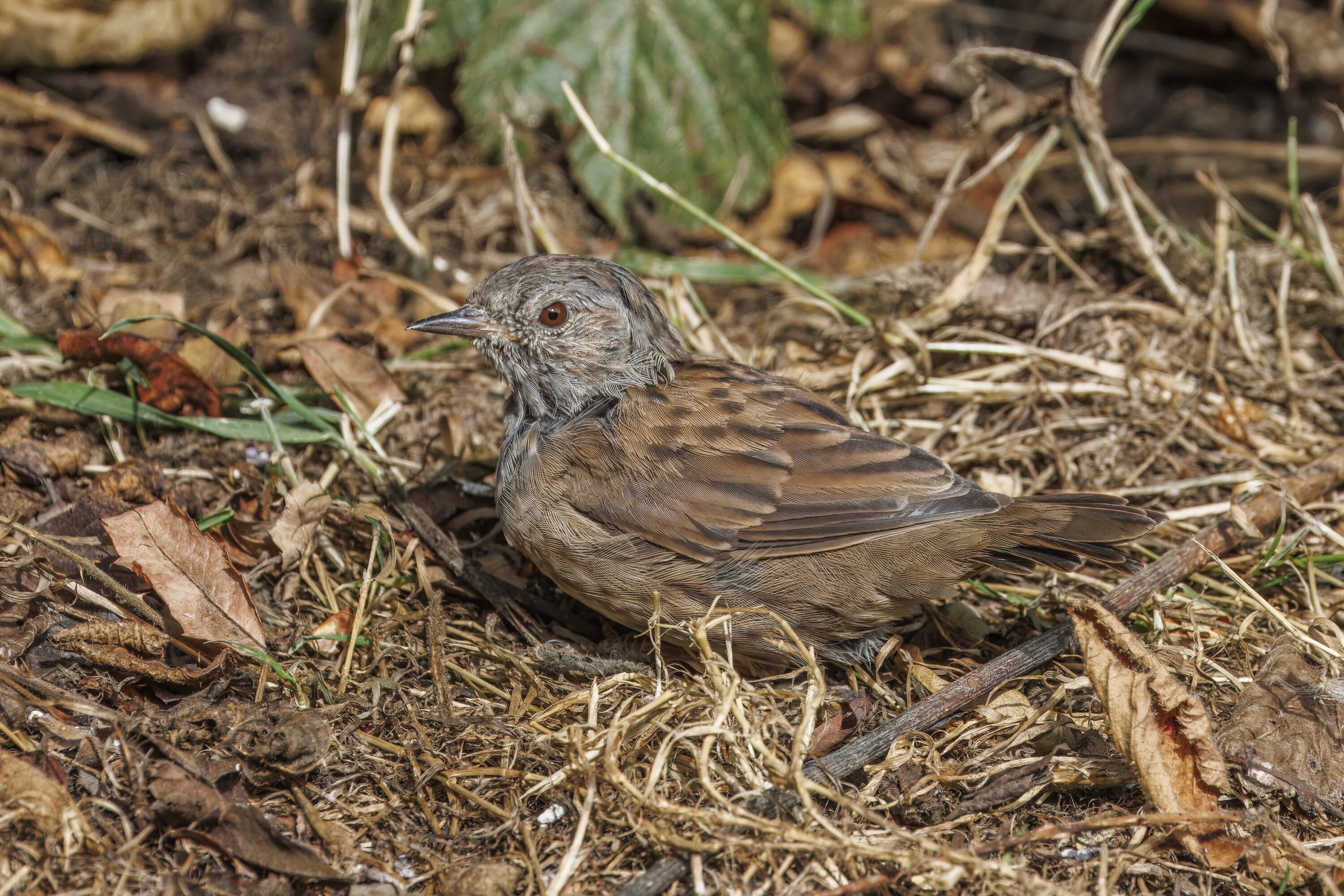
Dunnock Spring Passage Advanced by Up to 8.3 Days Over 61 Years at Hel
Standardised ringing data from northern Poland showed that the first, median and last phases of dunnock spring passage…
Read story →SPECIES IN THIS STORY
Species in this story
Independent research and conservation news archive
Did you find this information useful?
Wildlife Vagabond is independently built and maintained. Voluntary support helps cover source verification, hosting and continued work on research and conservation news.
Support Wildlife VagabondThe news archive will remain freely available.