
India launches a new evaluation cycle for its 58 tiger reserves

India has launched the sixth cycle of its Management Effectiveness Evaluation of Tiger Reserves (MEE-TR 2026). The cycle began with an inception workshop in New Delhi, organised by the National Tiger Conservation Authority in collaboration with the Wildlife Institute of India. It is planned to cover all 58 of the country’s tiger reserves, where the tiger (Panthera tigris) is the central conservation focus.
The five earlier evaluation cycles covered 28, 39, 43, 50 and 51 reserves, respectively. A technical manual for the new cycle was also released.
What will the evaluation examine?
The evaluation is described as an evidence-based assessment adapted from a framework developed by the IUCN World Commission on Protected Areas. It considers six parts of management: context, planning, inputs, processes, outputs and outcomes. Together, these provide a way to examine the conditions reserves work in, the plans and resources available to them, how management is carried out, and what it produces and achieves.
Independent multidisciplinary teams are to examine field-based evidence and management across a range of subjects. These include tiger and prey conservation, habitat, protection, wildlife monitoring, coexistence with people, communities, tourism and connectivity between areas.
One change in the new cycle is that solid waste management will be assessed as a separate criterion. This includes waste from forest chowkis, tourism and biomedical waste from wildlife rescue centres.
An evaluation can help identify where reserve management is working well and where there are gaps, giving decision-makers a basis for prioritising actions and resources. The new cycle also places greater emphasis on field evidence, management outcomes, emerging threats, and digital and spatial information.
However, MEE-TR 2026 has only just begun: the announcement describes a planned assessment, not completed evaluations. It does not yet report how individual reserves are performing or whether the new waste criterion will improve conservation outcomes.
Management
Related news
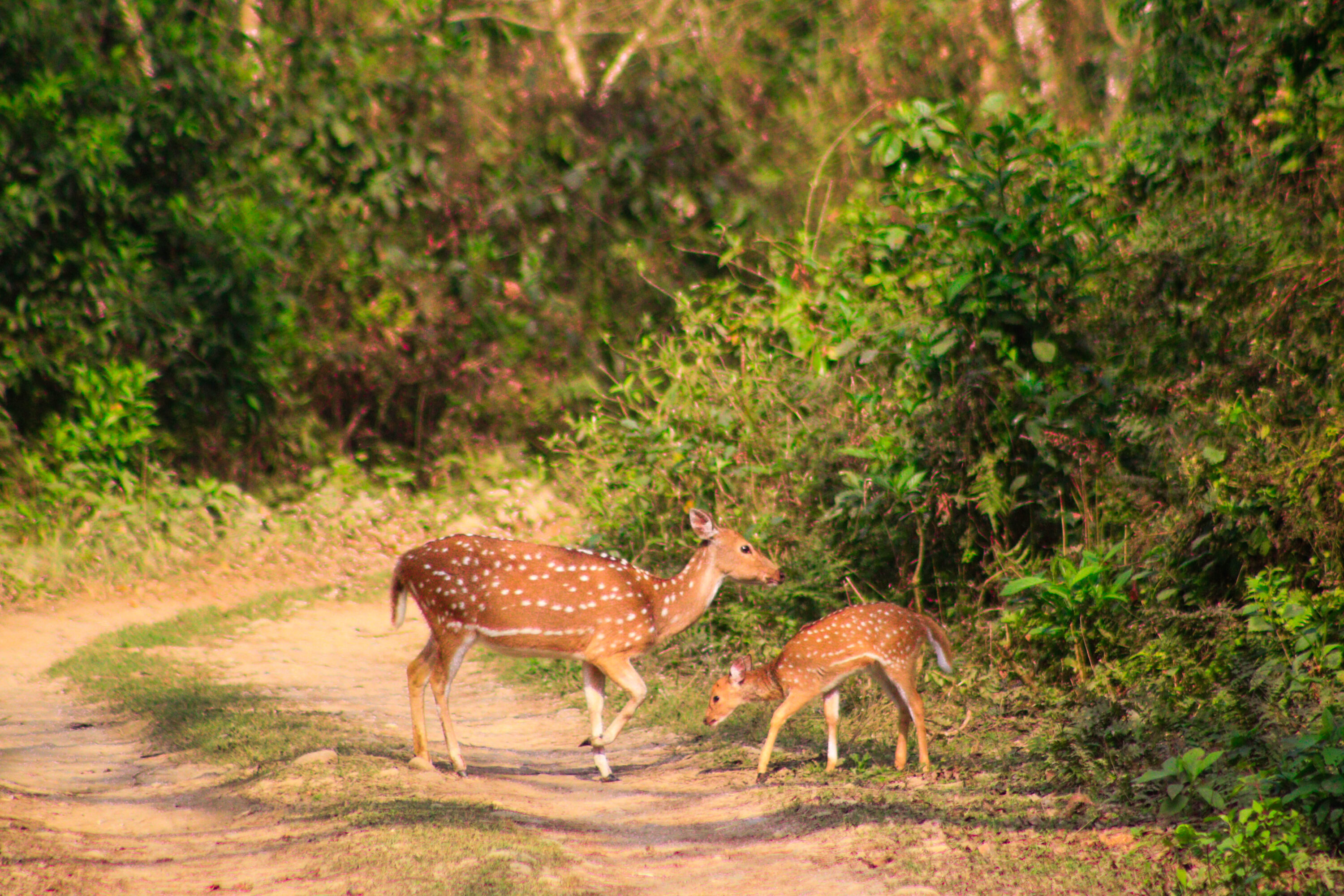
Human Activity and Large Wildlife Overlapped Most in Chitwan’s Buffer Zone
Across 80 camera traps around Chitwan National Park, human activity and large wildlife showed their strongest spatial and…
Read story →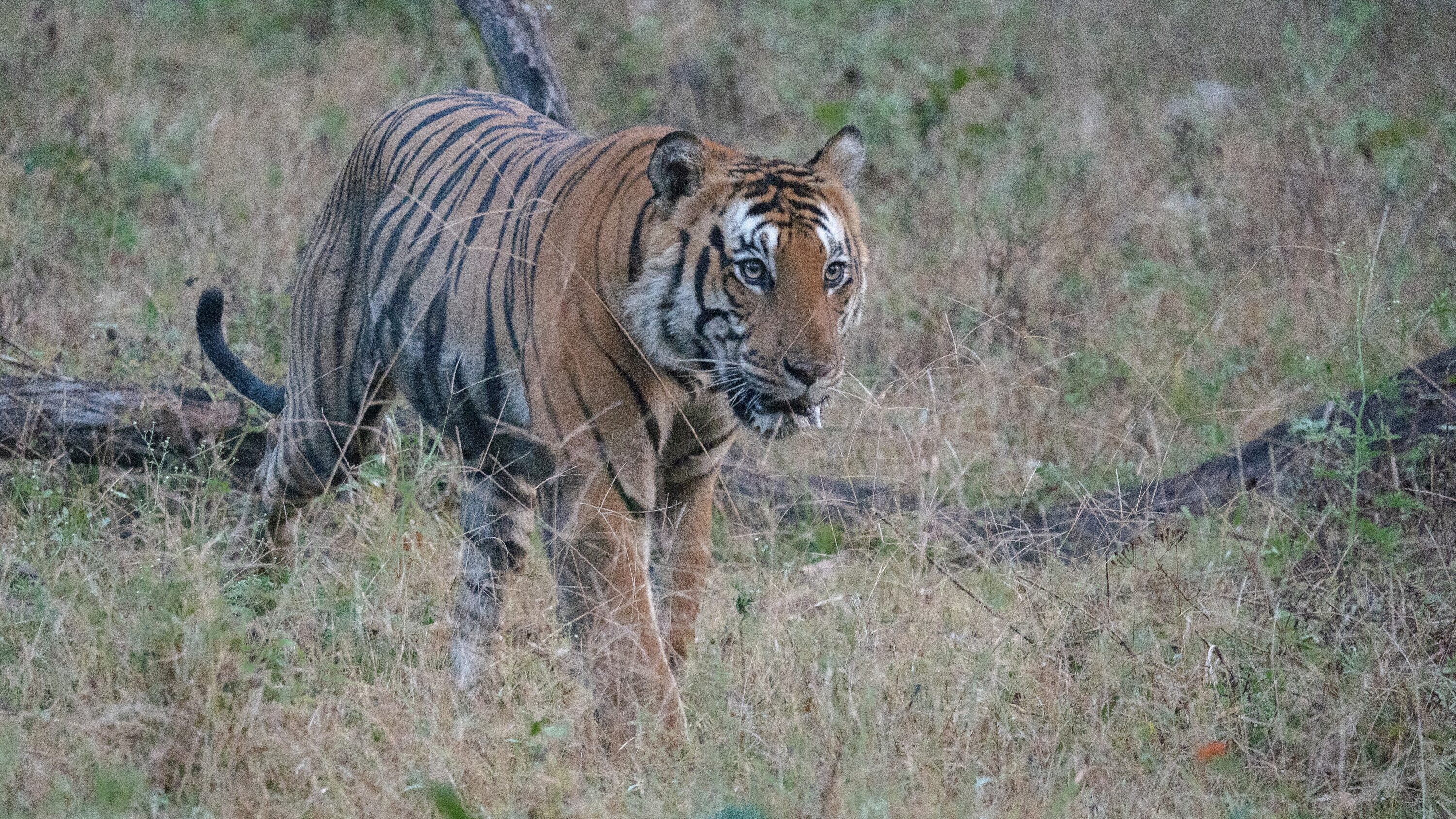
One Male Tiger Confirmed in Bhutan’s Biological Corridor 7
A 5,144-trap-night survey photographed one adult male tiger at two stations in Bhutan’s Biological Corridor 7, confirming use…
Read story →
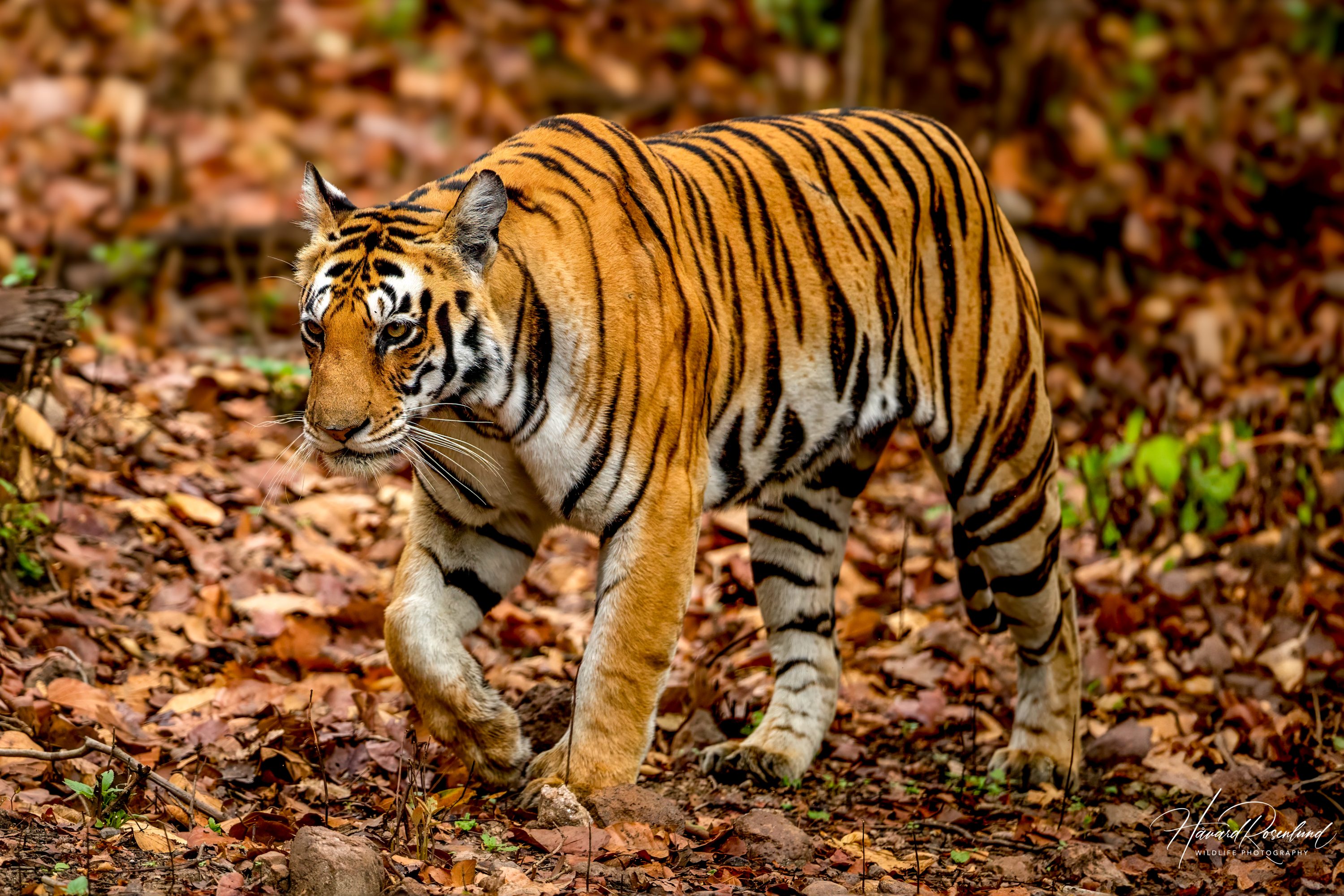
Female Tigers Returned More Often and Stayed Longer Than Males in Panna
GPS tracking of 12 resident tigers in Panna Tiger Reserve showed higher revisitation and residence times in females…
Read story →SPECIES IN THIS STORY
Species in this story
Independent research and conservation news archive
Did you find this information useful?
Wildlife Vagabond is independently built and maintained. Voluntary support helps cover source verification, hosting and continued work on research and conservation news.
Support Wildlife VagabondThe news archive will remain freely available.