
Industrial Basin Loss Halved Nesting Habitat for Black-winged Stilts
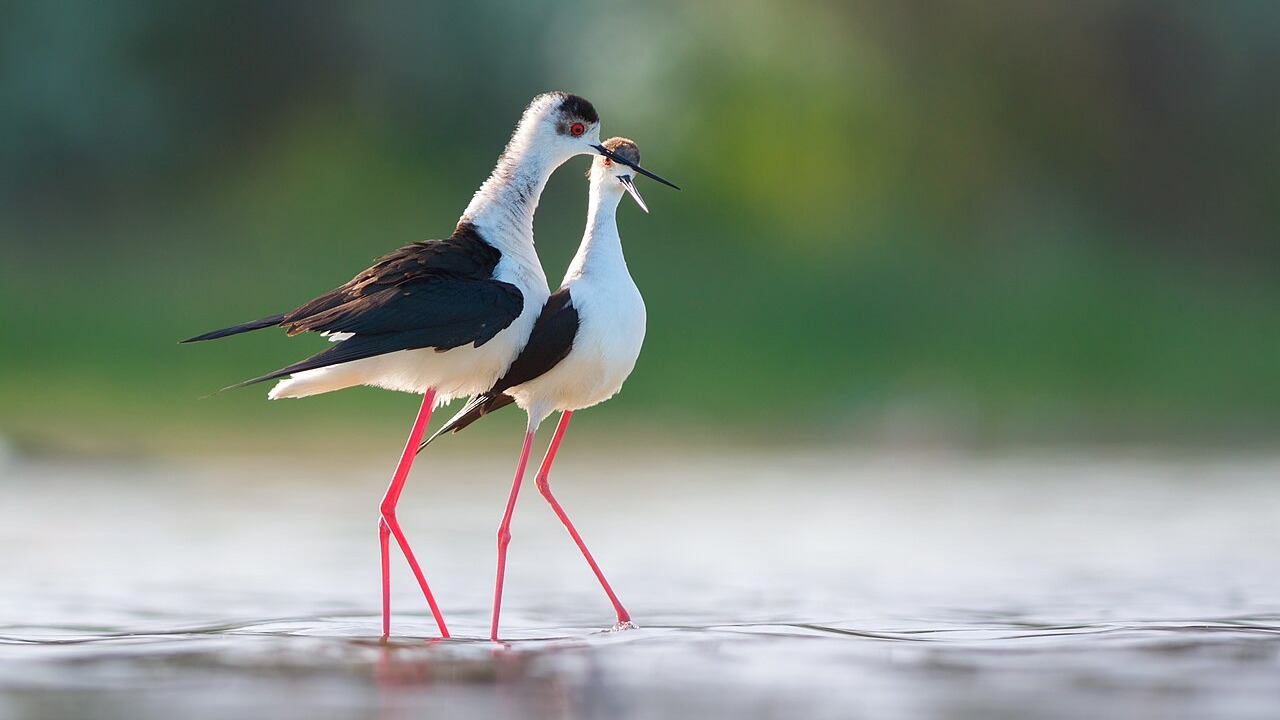
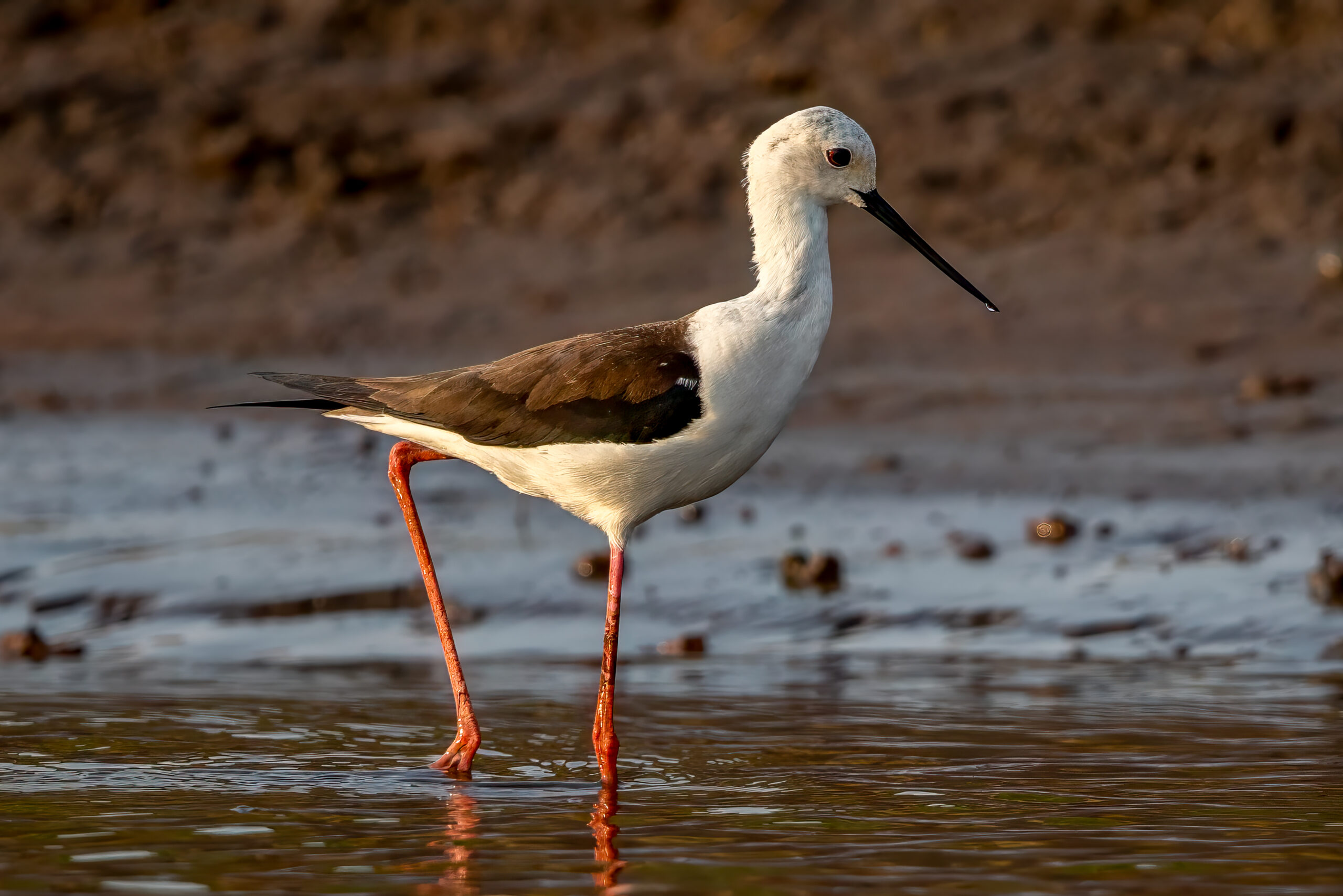
More than half of the nesting habitat used by black-winged stilts (Himantopus himantopus) disappeared as settling basins were progressively filled in at an industrial wastewater-treatment site in central Italy. A 16-year monitoring series found that the numbers of breeding pairs, adults and chicks all declined as the available wet area contracted.
The study followed stilts at the Huntsman-Tioxide plant, later renamed Venator, beside the Padule di Scarlino wetland in Tuscany. Observers surveyed a roughly three-kilometre route once each breeding season in mid-June from 2009 to 2024, recording breeding pairs, adults and chicks in seven basins.
All seven basins were active in 2009 and provided 23.6 hectares of suitable wet habitat. Progressive infilling left four basins and 10.7 hectares from 2017 onwards—a reduction of more than 50 per cent. Counts changed from 12 breeding pairs, 49 adults and 18 chicks in 2009 to three pairs, six adults and two chicks in 2024. Statistical analyses showed significant year-by-year declines across all three measures.
Because fewer birds were compressed into a much smaller area, density remained stable or increased slightly, although the density trends were not statistically significant. The researchers describe this as a possible crowding effect. The median number of chicks also fell significantly between the first four-year period, 2009–2012, and 2017–2020.
Industrial ponds can offer shallow water, relatively stable levels and protection from terrestrial predators and disturbance. The authors nevertheless warn that infilling can turn such sites into ecological traps — habitats that attract birds because they appear suitable but may impose longer-term survival or reproductive costs. Possible accumulation of toxic substances must also be considered when assessing their long-term value. They argue that the conservation costs and benefits of artificial wetlands should be evaluated together.
Threats
Related news
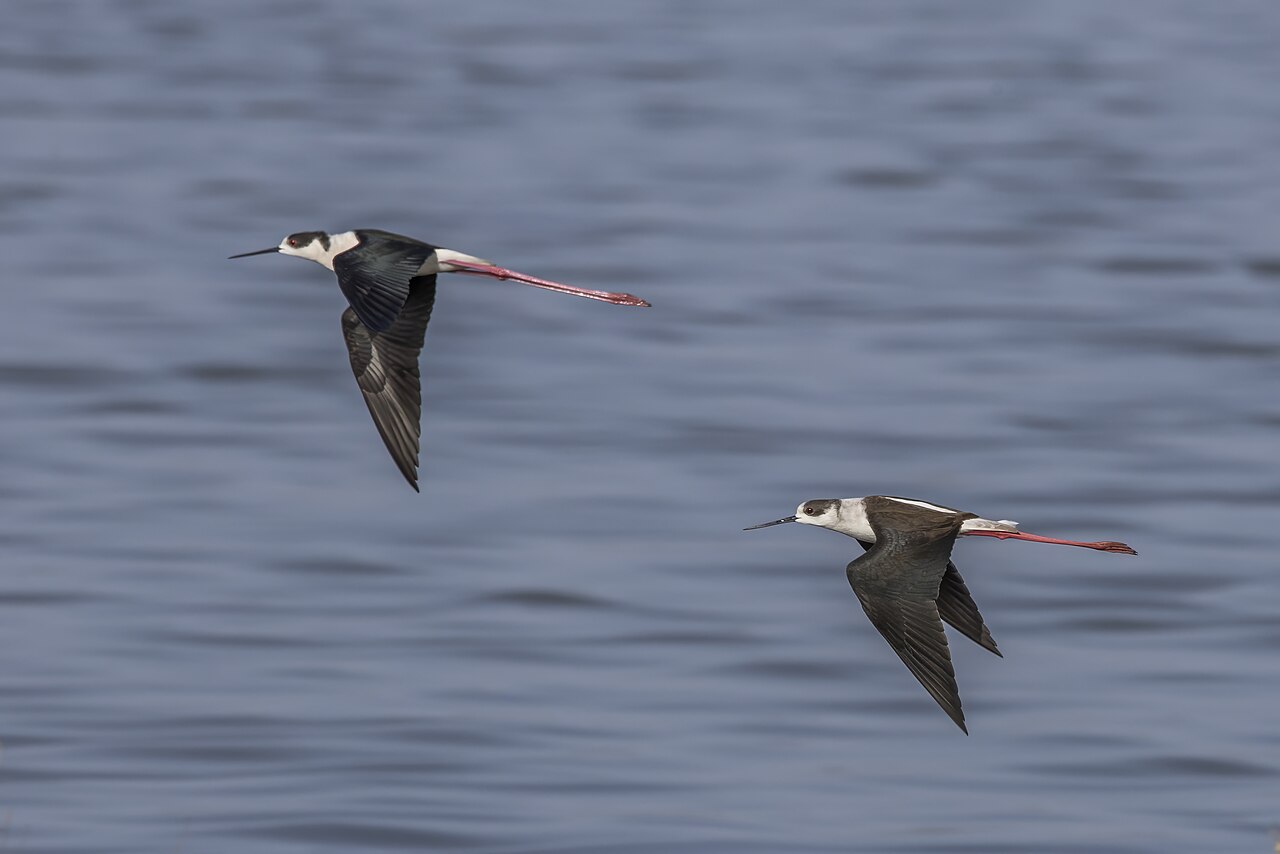
GPS Tracks and Wind Modelling Suggest Black-winged Stilts May Fly Above 7,000 Metres
Two GPS-tracked black-winged stilts moved rapidly between Mallorca and West Africa, while wind modelling identified atmospheric layers compatible…
Read story →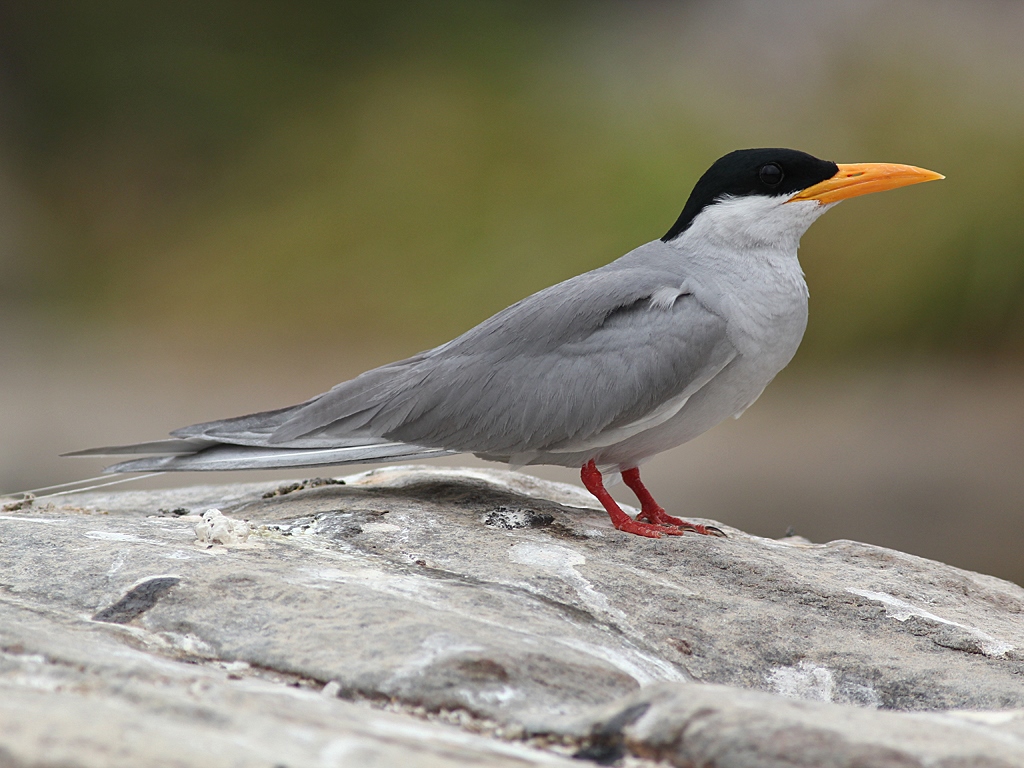
Ujjani Reservoir Survey Found 818 Nests of Six Ground-nesting Waterbirds
Surveys of Ujjani Reservoir in Maharashtra recorded 818 nests of six ground-nesting waterbird species. Little terns had the…
Read story →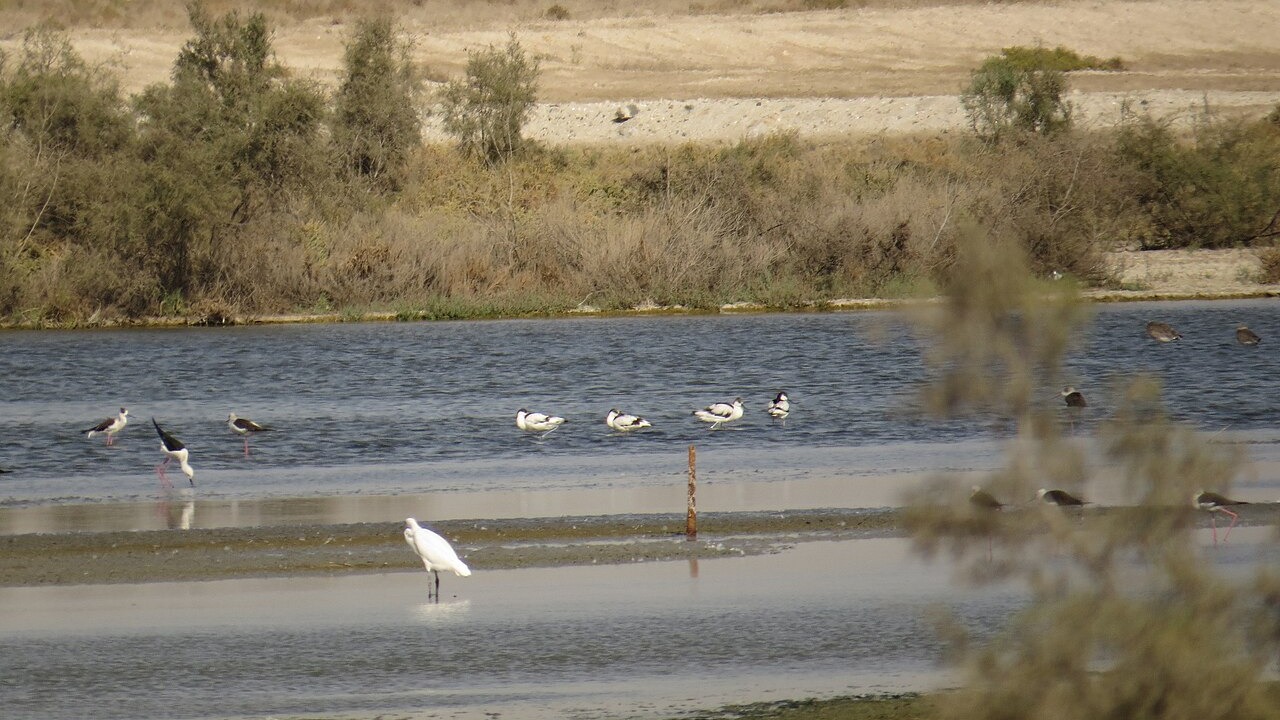
Restored Wetland Attracted Avocets but Few Nests Succeeded
Only 6.9% of monitored pied avocet nests and 20.3% of black-winged stilt nests succeeded in a restored Yangtze…
Read story →SPECIES IN THIS STORY
Species in this story
Independent research and conservation news archive
Did you find this information useful?
Wildlife Vagabond is independently built and maintained. Voluntary support helps cover source verification, hosting and continued work on research and conservation news.
Support Wildlife VagabondThe news archive will remain freely available.