
Isle of May European Herring Gull Nests Fell 42% Between the 2021 and 2024 Censuses
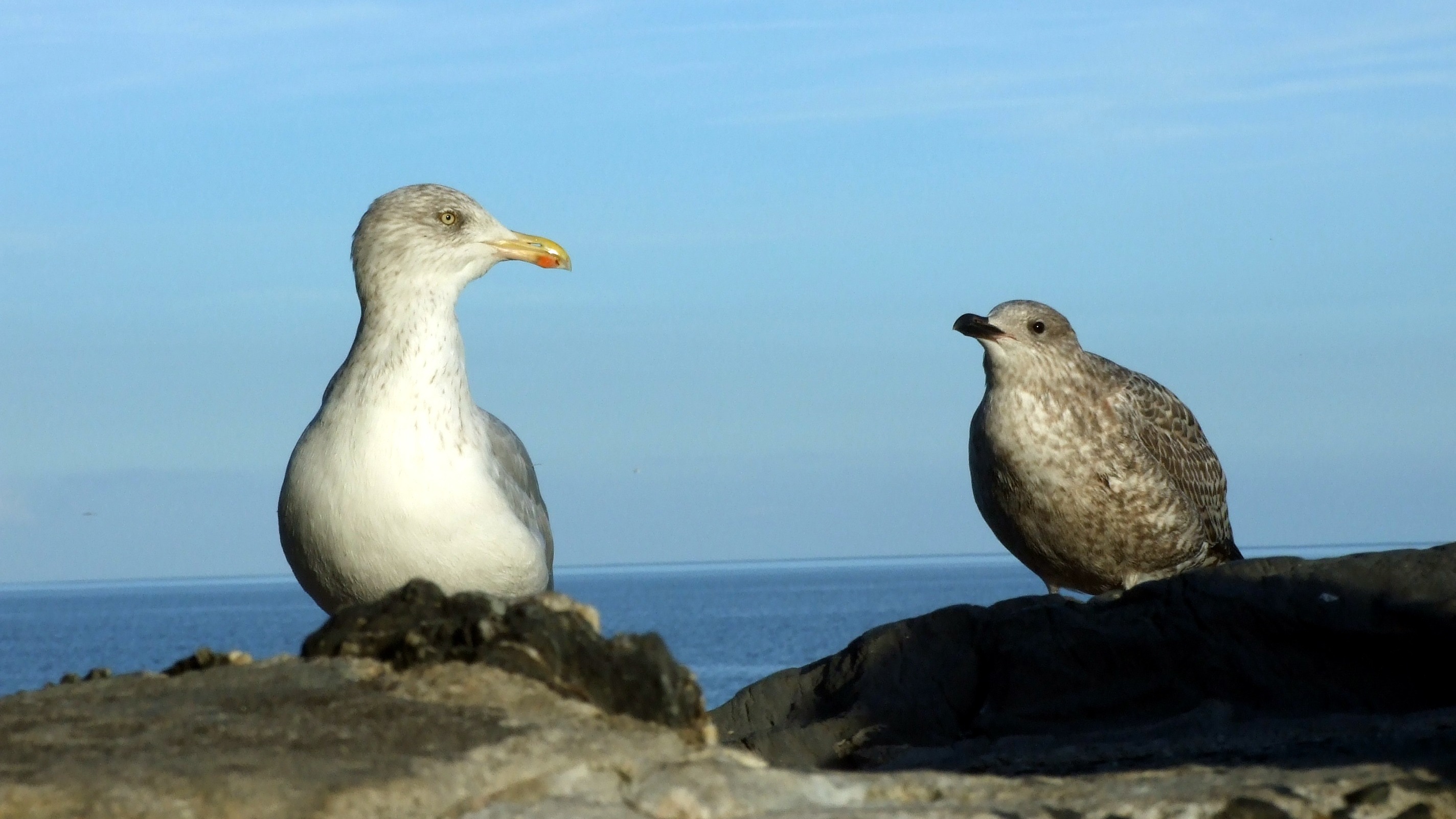
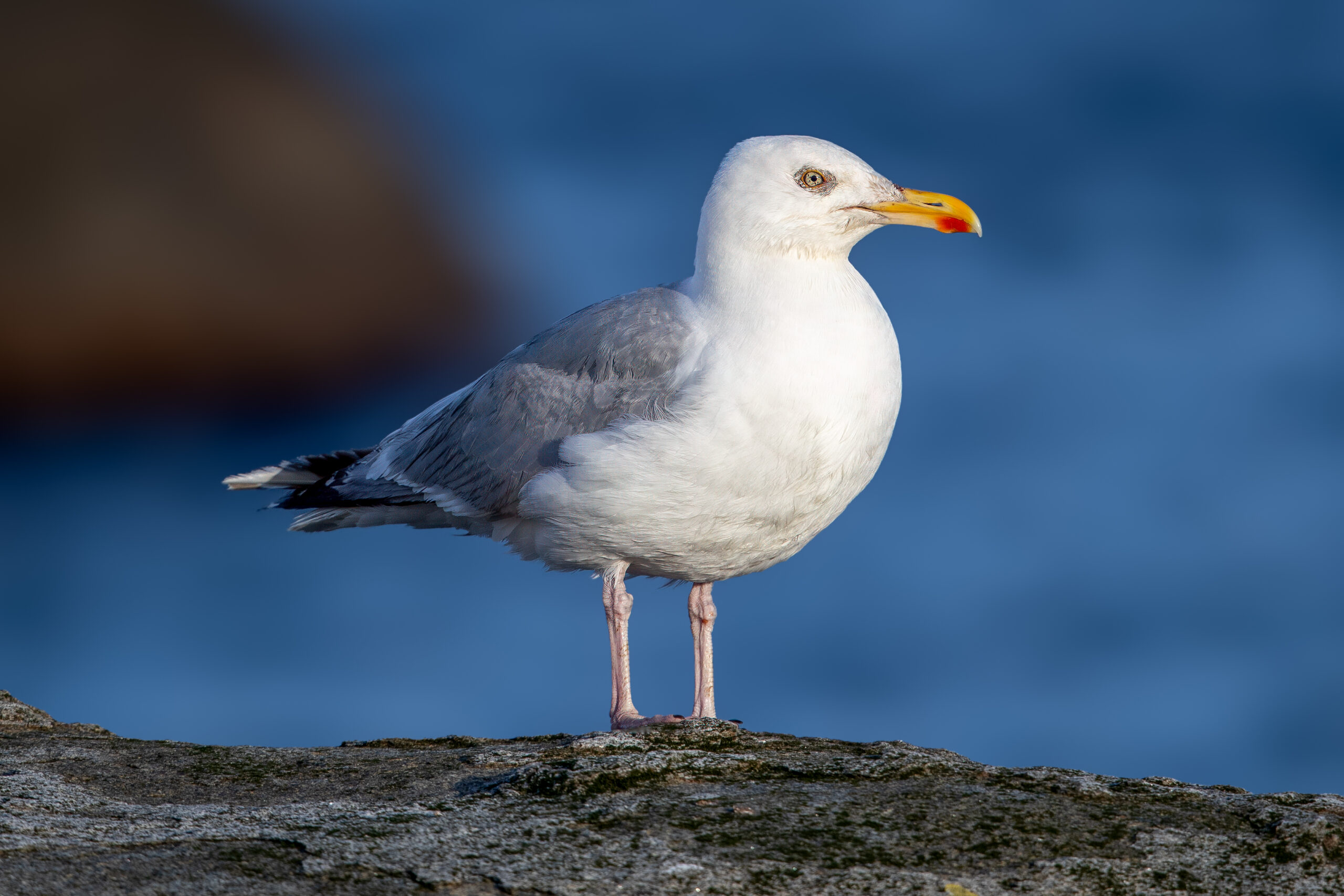
The number of apparently occupied European herring gull (Larus argentatus) nests on the Isle of May in Scotland fell by 42% between the 2021 and 2024 censuses, according to NatureScot’s 2025 annual report for the national nature reserve, published on 24 March 2026. The 2024 survey recorded 3,009 apparently occupied nests.
Large gulls on the island have been counted every second year since 2021. The census uses images taken by an unmanned aerial vehicle, allowing staff to count nesting gulls from a composite image of the island while reducing disturbance to the breeding colony.
Wind delayed the 2024 census
NatureScot notes that the 2024 gull survey was first attempted on 30 May but had to be abandoned because wind speeds increased. The count was completed on 12 June instead. The report states that this later timing may have contributed to some of the large reduction recorded for herring gulls and lesser black-backed gulls.
The reserve therefore presents the 42% change as the difference between the two censuses while also recording the possible effect of survey timing. The next large-gull census is scheduled for 2026.
Breeding continued across the island in 2025
Although large gulls were not counted again in 2025, breeding timing was recorded. The first herring gull eggs were found on 27 April, the first chicks hatched from 24 May, and fledging began from 9 July.
Highly pathogenic avian influenza was also confirmed in herring gulls on the Isle of May during the 2025 breeding season, together with four other seabird species. The report says the most substantial observed mortality was among black-legged kittiwakes rather than herring gulls.
Population & status
Related news
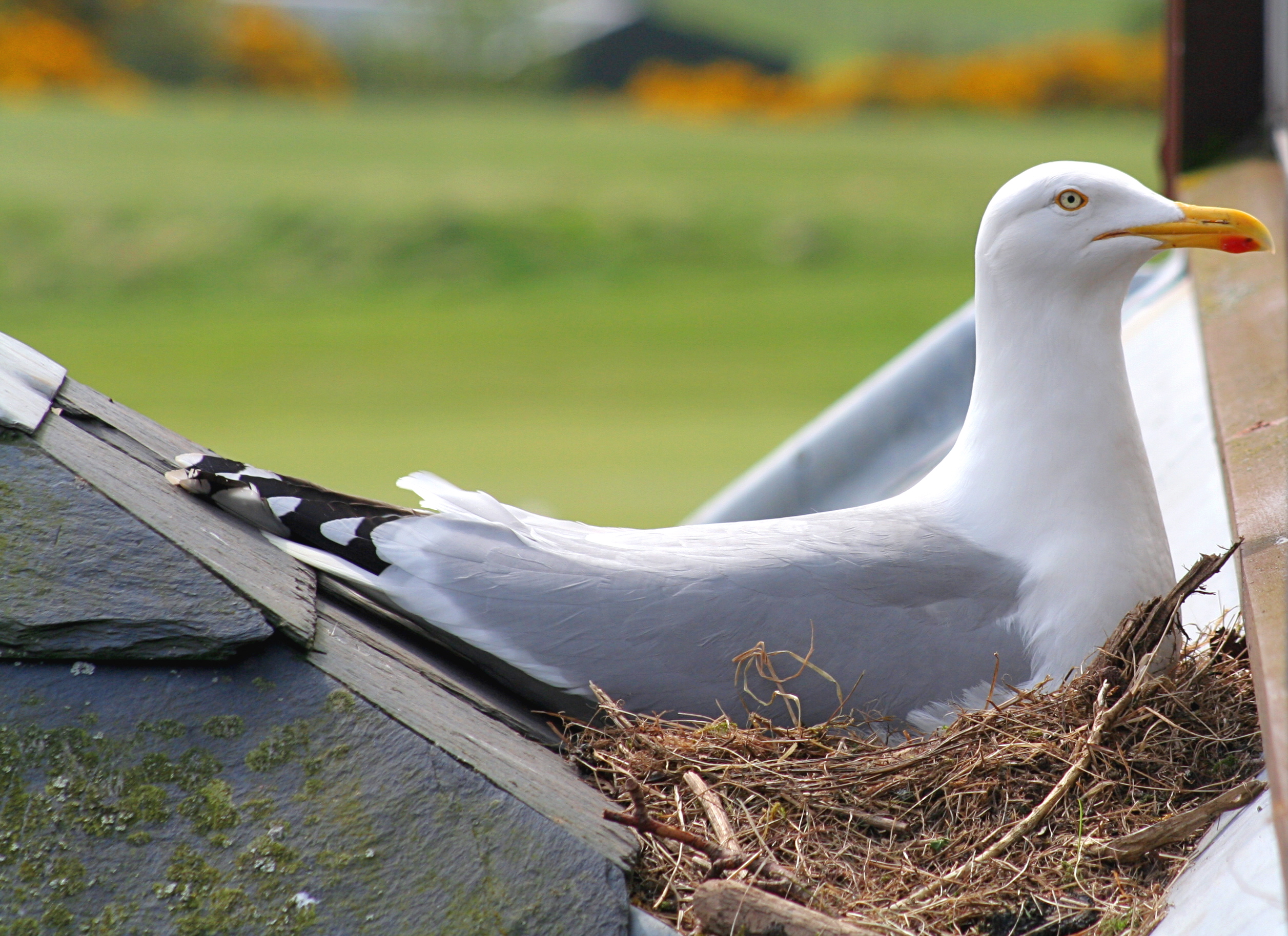
Scotland’s European Herring Gull Index Was 54% Below Its 1986 Baseline
NatureScot’s 2026 seabird indicator estimated European herring gull breeding abundance in Scotland 54% below the 1986 baseline and…
Read story →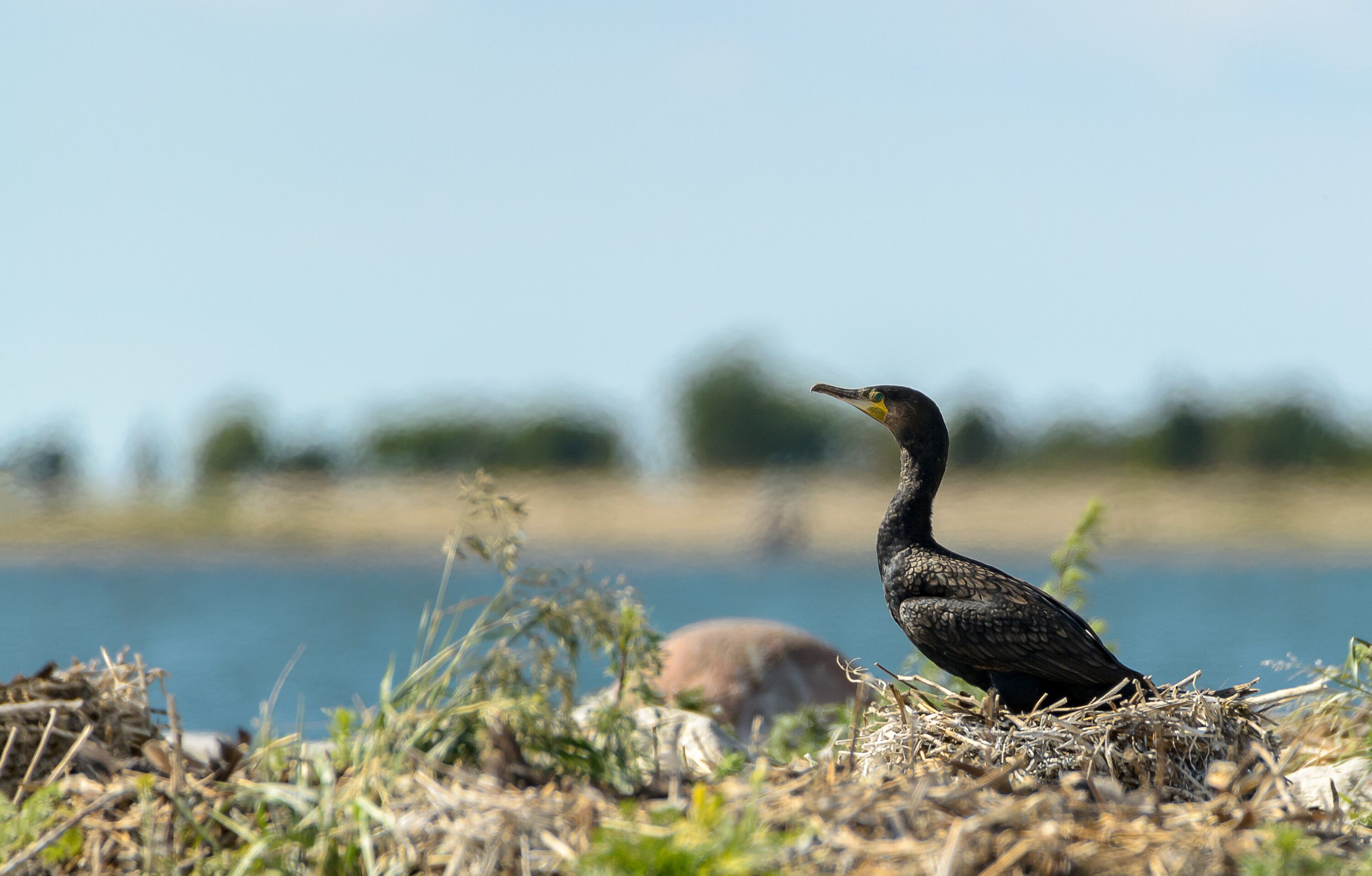
Bird Diversity Fell After Cormorant Colonies Became Established on Baltic Islands
Annual monitoring from 261 Estonian Baltic islands showed that breeding-bird diversity declined after great cormorant colonies became established…
Read story →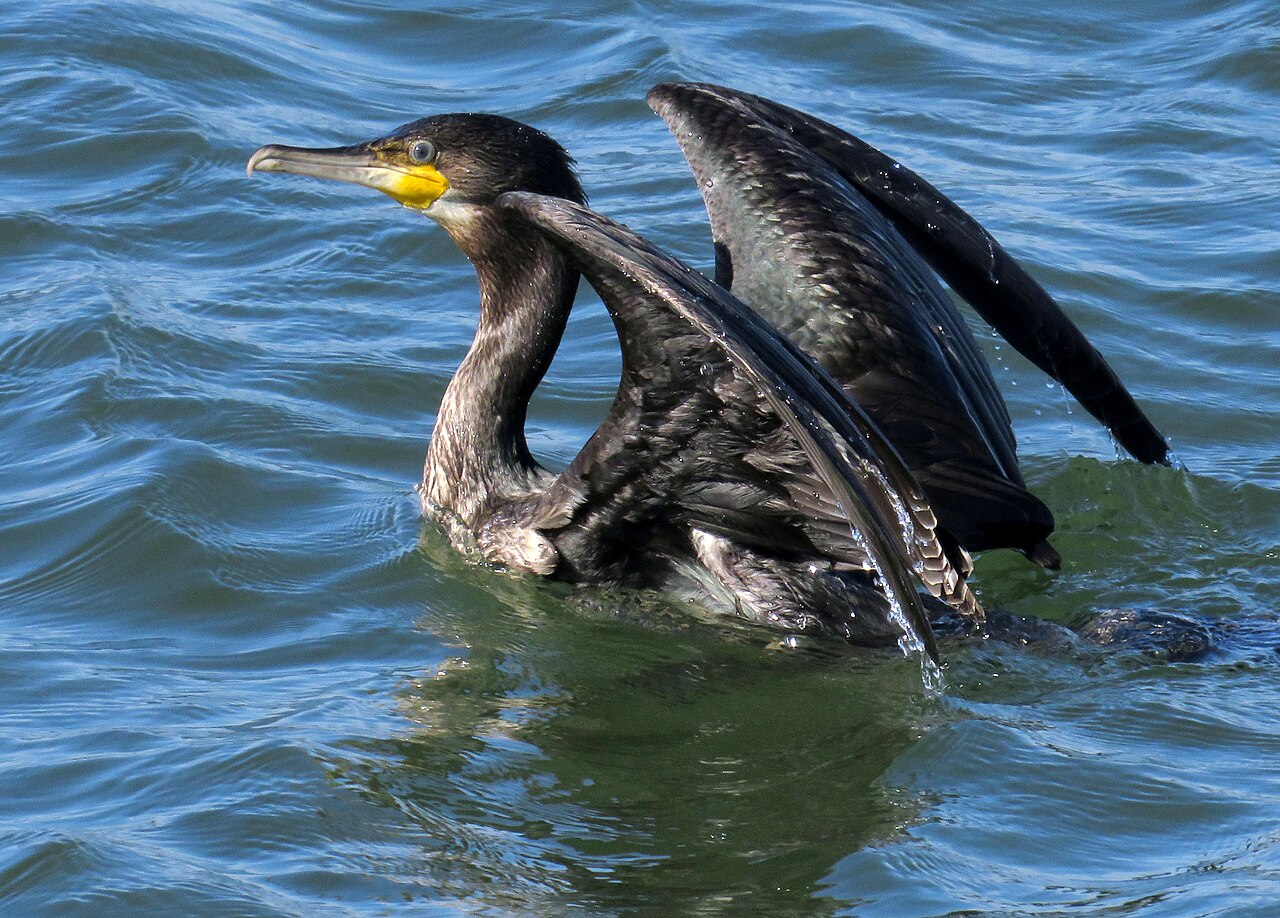
Cormorant and Large-Gull Counts Fell at a Danish Pound Net, but the Difference Disappeared Within Weeks
At one Danish pound net fitted with Looming-Eye Buoys, great cormorant and large-gull counts dropped sharply relative to…
Read story →SPECIES IN THIS STORY
Species in this story
Independent research and conservation news archive
Did you find this information useful?
Wildlife Vagabond is independently built and maintained. Voluntary support helps cover source verification, hosting and continued work on research and conservation news.
Support Wildlife VagabondThe news archive will remain freely available.