
Endogenous Feline Leukemia Virus Entered the Jungle Cat Genome Hundreds of Thousands of Years Ago
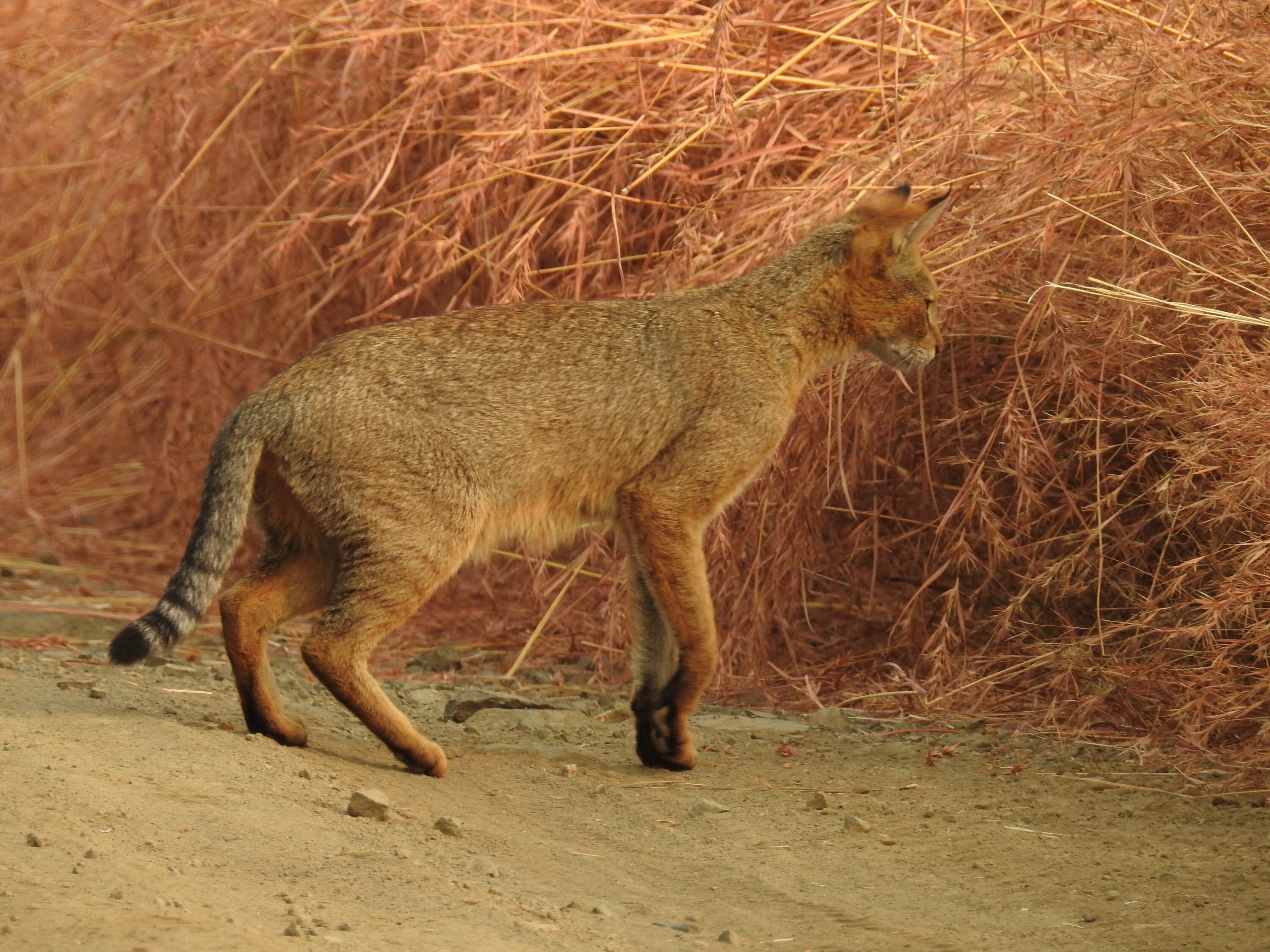
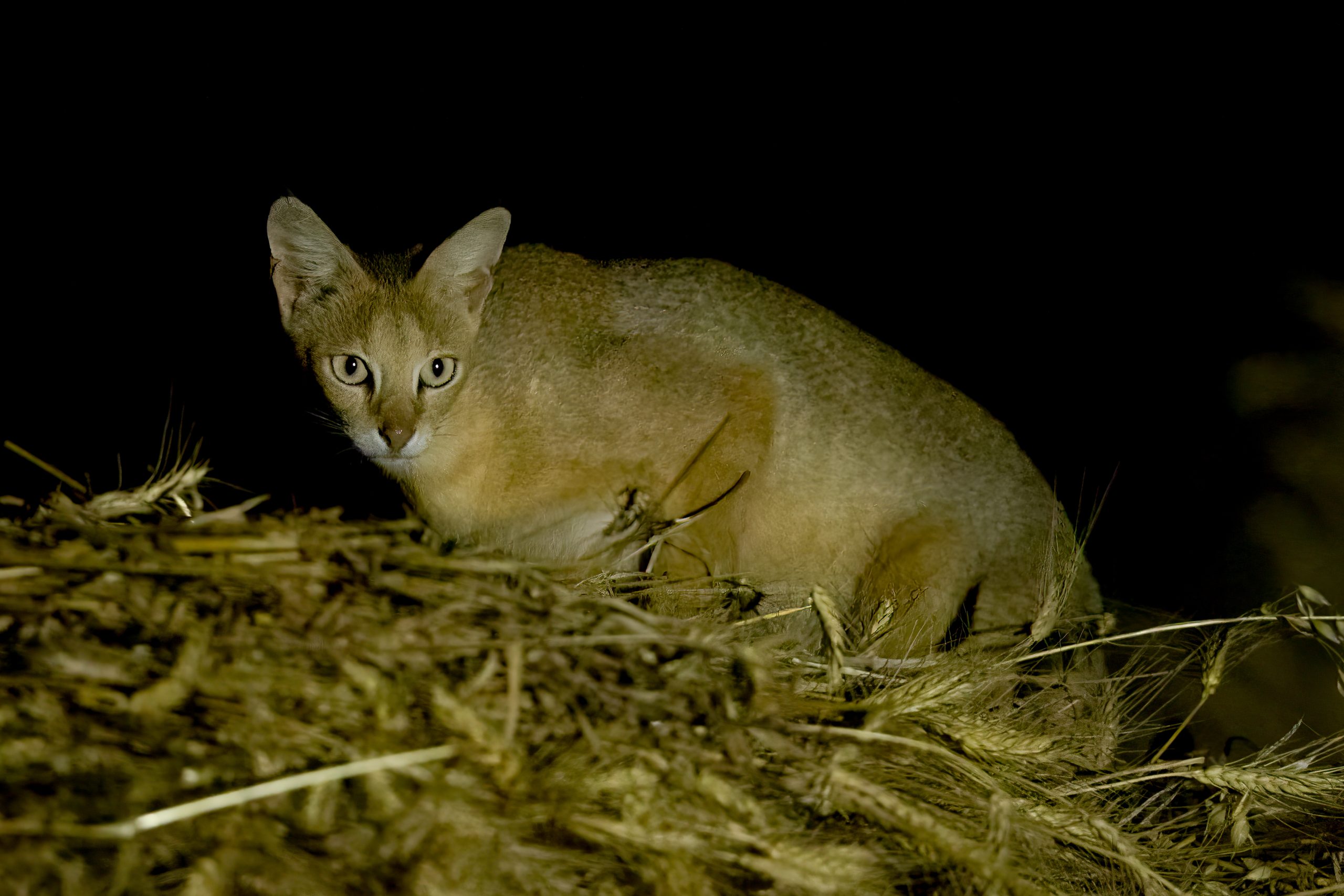
A genomic study has strengthened evidence that inherited DNA from feline leukemia virus entered the jungle cat (Felis chaus) genome long after the species split from other members of the genus Felis. Published on 21 April 2026 in Annals of the New York Academy of Sciences, the study dated integration of the endogenous virus sequences in the jungle cat lineage to approximately 320,000–801,000 years ago.
Feline leukemia virus is a retrovirus that can cause immunosuppression, anaemia and tumours in cats. The sequences studied here were not evidence of a current infection. They were endogenous retroviral DNA: remnants of an ancient virus that entered germ cells, became part of the host genome and was then inherited by later generations. The researchers searched 17 felid genomes for this endogenous form, known as enFeLV. For domestic cat (Felis catus), black-footed cat (Felis nigripes) and jungle cat they used long-read genome assemblies, which read much longer continuous stretches of DNA and therefore make repeated viral insertions easier to place accurately in the genome.
The jungle cat genome contained 27 typical enFeLV copies, significantly more than the other long-read genomes examined. Unlike older, more degraded viral remnants that may persist only as isolated long terminal repeats (LTRs), none of the jungle cat copies had been reduced to a solo LTR. All 27 insertions were estimated to have occurred within the last million years, and ten still retained uninterrupted protein-coding regions across the viral genome. Together, this indicates that the jungle cat copies are relatively young and structurally well preserved. The authors also note that no circulation of the exogenous, infectious form of FeLV is known in jungle cats or black-footed cats.
Evidence of Ancient Hybridisation
The evolutionary position of the jungle cat sequences differed from what would be expected if the viral DNA had simply been inherited continuously from the common ancestor of the Felis species. Jungle cats diverged from the rest of the genus at least about two million years ago, whereas the estimated integration of enFeLV occurred much later. The researchers therefore found the timing incompatible with straightforward inheritance from the ancestral lineage.
Instead, their genomic results support an earlier hypothesis that enFeLV entered the jungle cat germline through introgression after hybridisation with another Felis species. Introgression means that DNA from one species enters another species’ gene pool through hybridisation and subsequent breeding. Earlier genetic tests of gene flow cited by the authors point to the sand cat (Felis margarita) as the most likely source, although the donor species has not yet been established with certainty.
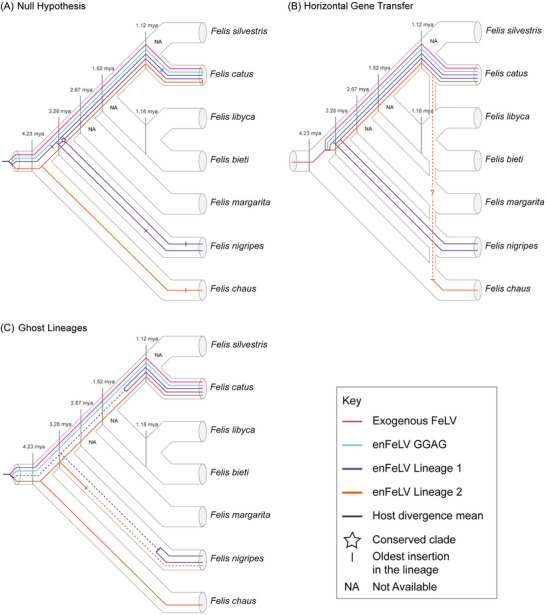
The jungle cat copies were highly similar to one another and formed their own strongly supported evolutionary group. Their similarity, structural completeness and young insertion dates are consistent with the viral DNA spreading to multiple genomic locations after introgression. The authors describe this as a possible example of “genomic shock”: newly introduced mobile genetic elements—DNA sequences able to copy or move within a genome—can proliferate rapidly before the host genome and the elements settle into a more stable relationship.
Genetics & genomics
Related news
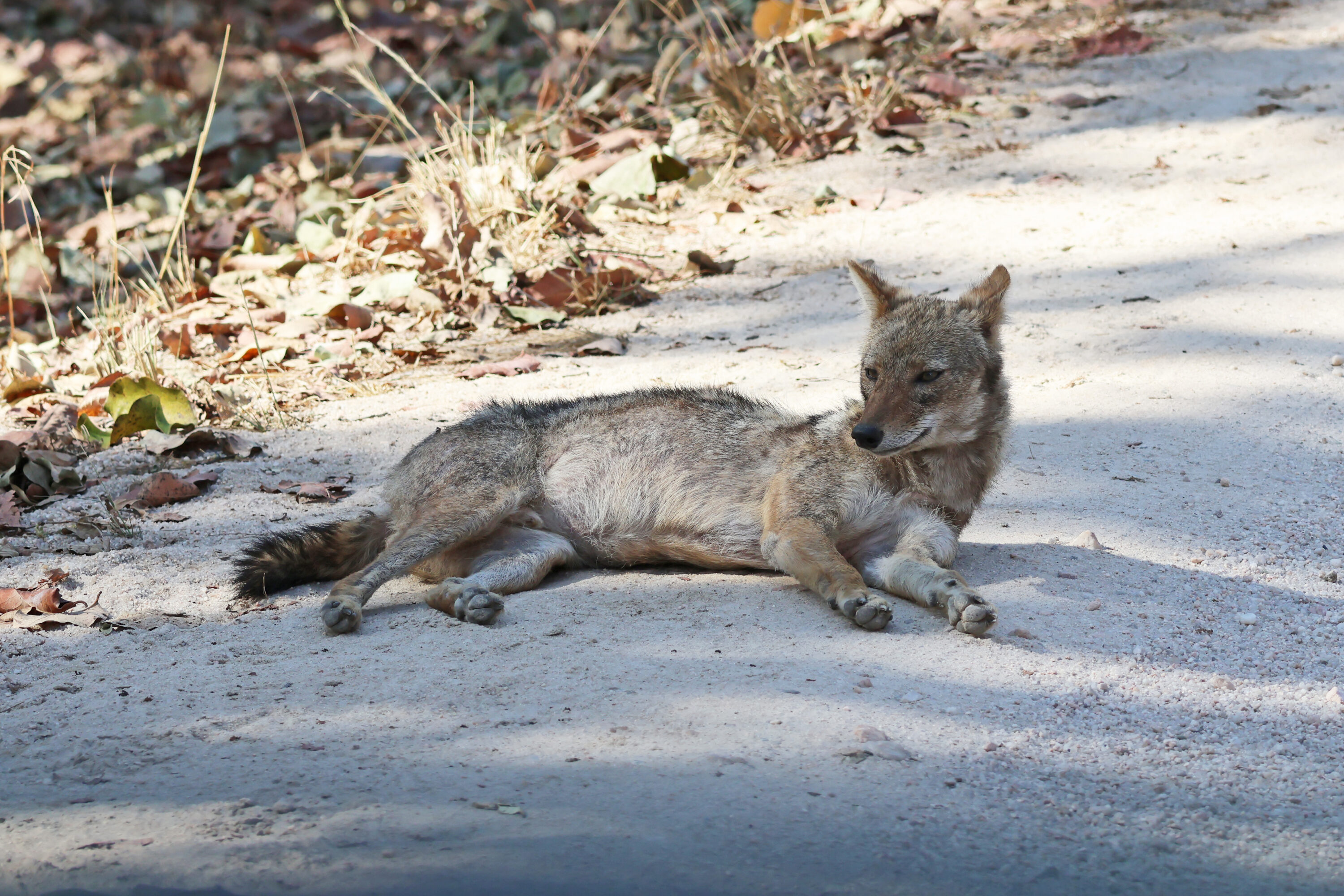
Golden Jackal Diet Was Dominated by Livestock Carrion, While Jungle Cats Focused on Small Mammals
Scat analysis in Madhya Pradesh found livestock carrion contributed about 80% of estimated prey biomass in golden jackals,…
Read story →
Only 1.5% of Modelled High Collision-risk Area for Jungle Cats in Northern Iran Overlapped Protected Areas
A MaxEnt model built from 30 confirmed jungle-cat road mortalities classified 13,878 km² of northern Iran as high…
Read story →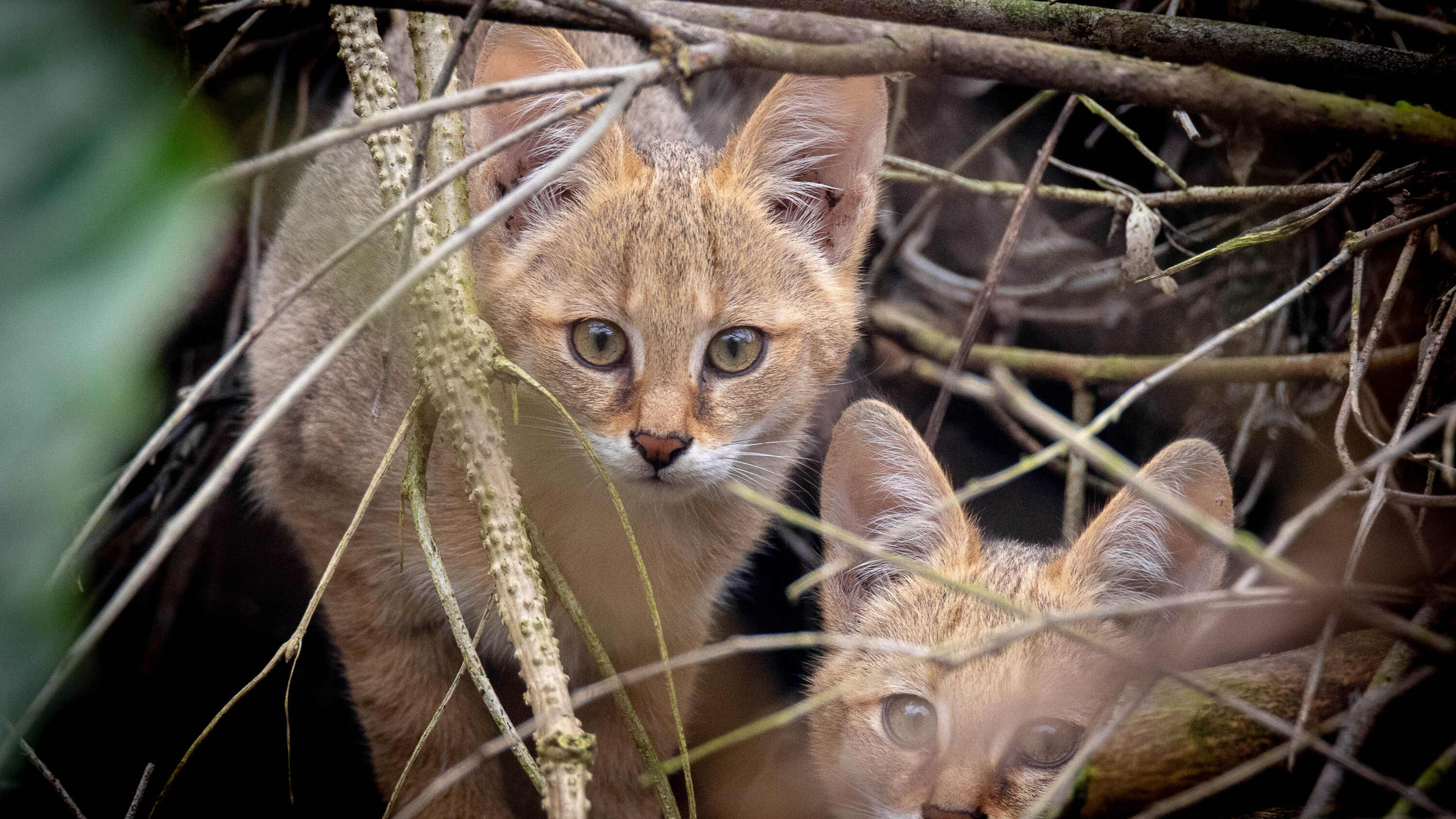
Jungle Cats and Leopard Cats Overlapped Strongly at Night but Differed in Habitat Use in Bardia
Camera traps in Bardia National Park found 17% estimated occupancy for jungle cats and 19% for leopard cats,…
Read story →SPECIES IN THIS STORY
Species in this story
Independent research and conservation news archive
Did you find this information useful?
Wildlife Vagabond is independently built and maintained. Voluntary support helps cover source verification, hosting and continued work on research and conservation news.
Support Wildlife VagabondThe news archive will remain freely available.