
Kaldoaivi Reindeer Used More Mires and Shifted Diet Through the Snow-free Season
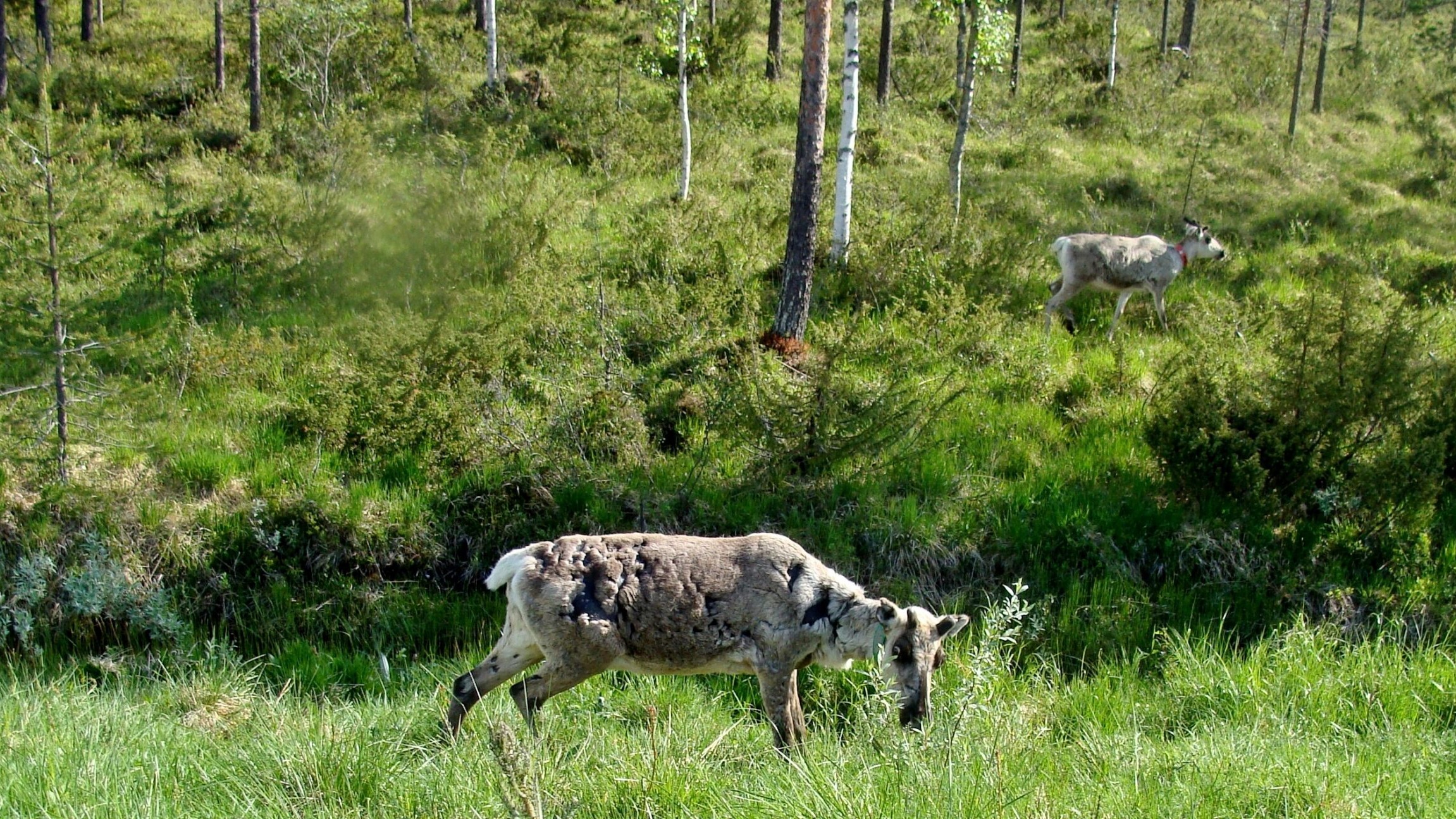
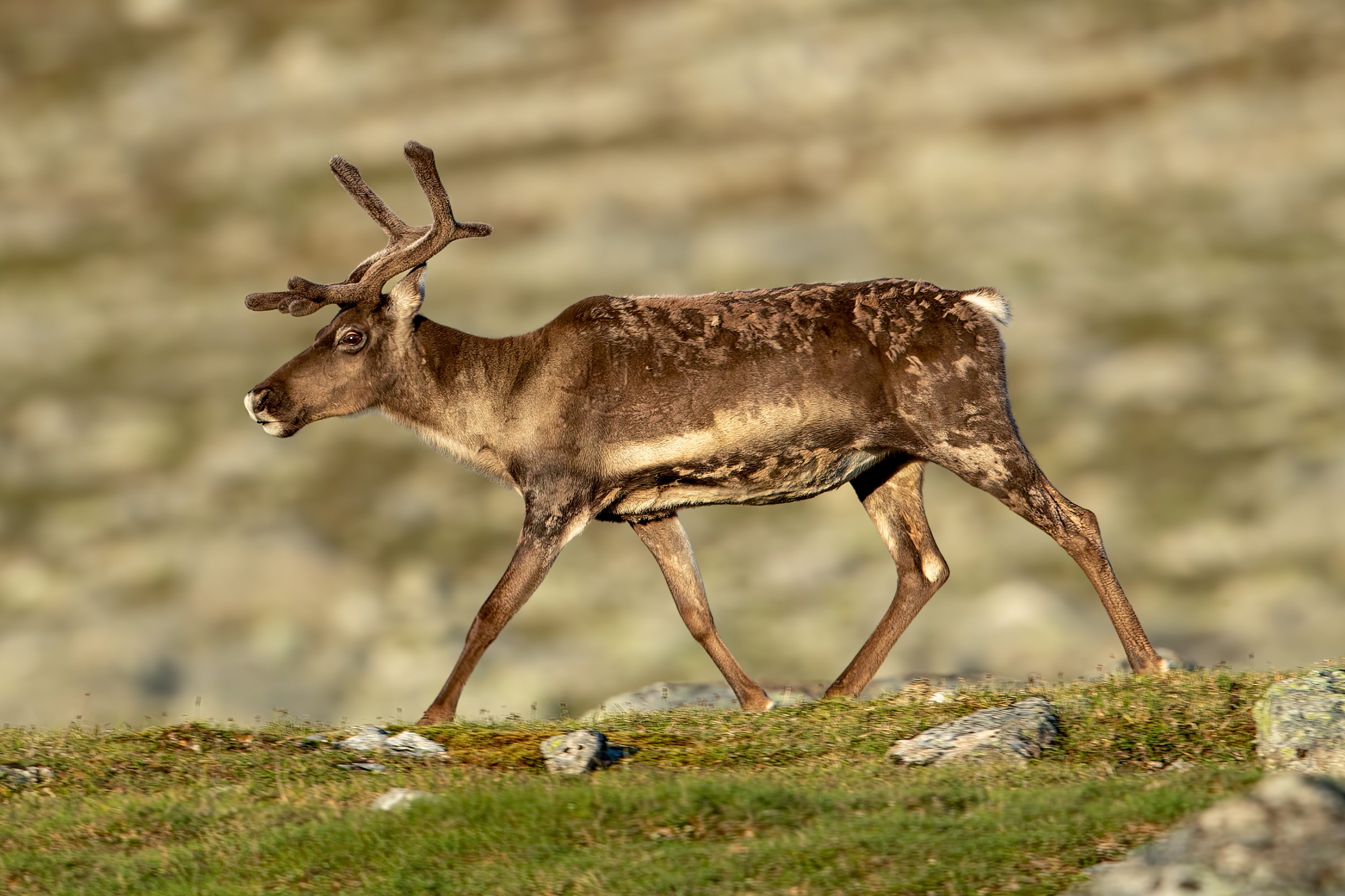
Semi-domesticated reindeer (Rangifer tarandus tarandus) in the Kaldoaivi/Gálddoaivi herding district of northern Finland changed both habitat use and diet through the snow-free season, according to a study first published in February 2026. Fifteen adult females were fitted with GPS collars in 2019, and 12 provided complete GPS and hair-isotope datasets for the combined analysis.
From spring and early summer to late summer and autumn, avoidance of rugged terrain weakened and use of mires and bogs increased. Greener areas were selected in both periods. Every analysed individual changed its selection for at least one habitat variable.
Hair isotopes showed a seasonal diet shift
Stable carbon and nitrogen isotopes in different sections of the animals’ hair also showed seasonal dietary change. Because hair grows over time, sections formed at different times retain isotopic signals from the forage eaten while they were growing. This allowed the researchers to compare diet from spring and early summer with diet from late summer and autumn.
The pattern was consistent with a shift from plants such as lichens, evergreen dwarf shrubs and deciduous woody vegetation toward forage such as sedges, grasses, horsetails and mushrooms that produced more enriched carbon and nitrogen isotope signals later in the season. The late-summer and autumn isotopic niche — the spread of isotope values used here as an indicator of dietary breadth — was also broader than in spring and early summer.
Habitat use and diet changed together
Habitat and diet changes were not completely independent. Among the habitat variables tested, how strongly individual reindeer reduced their avoidance of rugged terrain was the factor that showed a clear relationship with the direction of their dietary isotope shift. The authors interpret this link, together with the wider seasonal changes, as evidence of flexible foraging rather than fixed use of the same habitats and foods throughout the snow-free season.
They therefore classify the Kaldoaivi reindeer as habitat–diet generalists, while emphasising substantial individual variation in how foraging strategies changed between seasons.
Ecology
Related news
Inland Mute Swans Had Higher Winter Body Condition Despite Harsher Winters and Supplemental Feeding
A study of 853 mute swans from four Polish wintering regions found higher body condition inland than on…
Read story →
Gut Microbiomes Across Nine Kruger Mammals Clustered More Strongly by Dietary Group Than Species
A study of 89 quality-filtered faecal samples from nine wild mammals in Kruger National Park found that carnivores,…
Read story →
Dunnock Spring Passage Advanced by Up to 8.3 Days Over 61 Years at Hel
Standardised ringing data from northern Poland showed that the first, median and last phases of dunnock spring passage…
Read story →SPECIES IN THIS STORY
Species in this story
Independent research and conservation news archive
Did you find this information useful?
Wildlife Vagabond is independently built and maintained. Voluntary support helps cover source verification, hosting and continued work on research and conservation news.
Support Wildlife VagabondThe news archive will remain freely available.