
Kentish Plover Pairs Switched Incubation More Often at Higher Temperatures
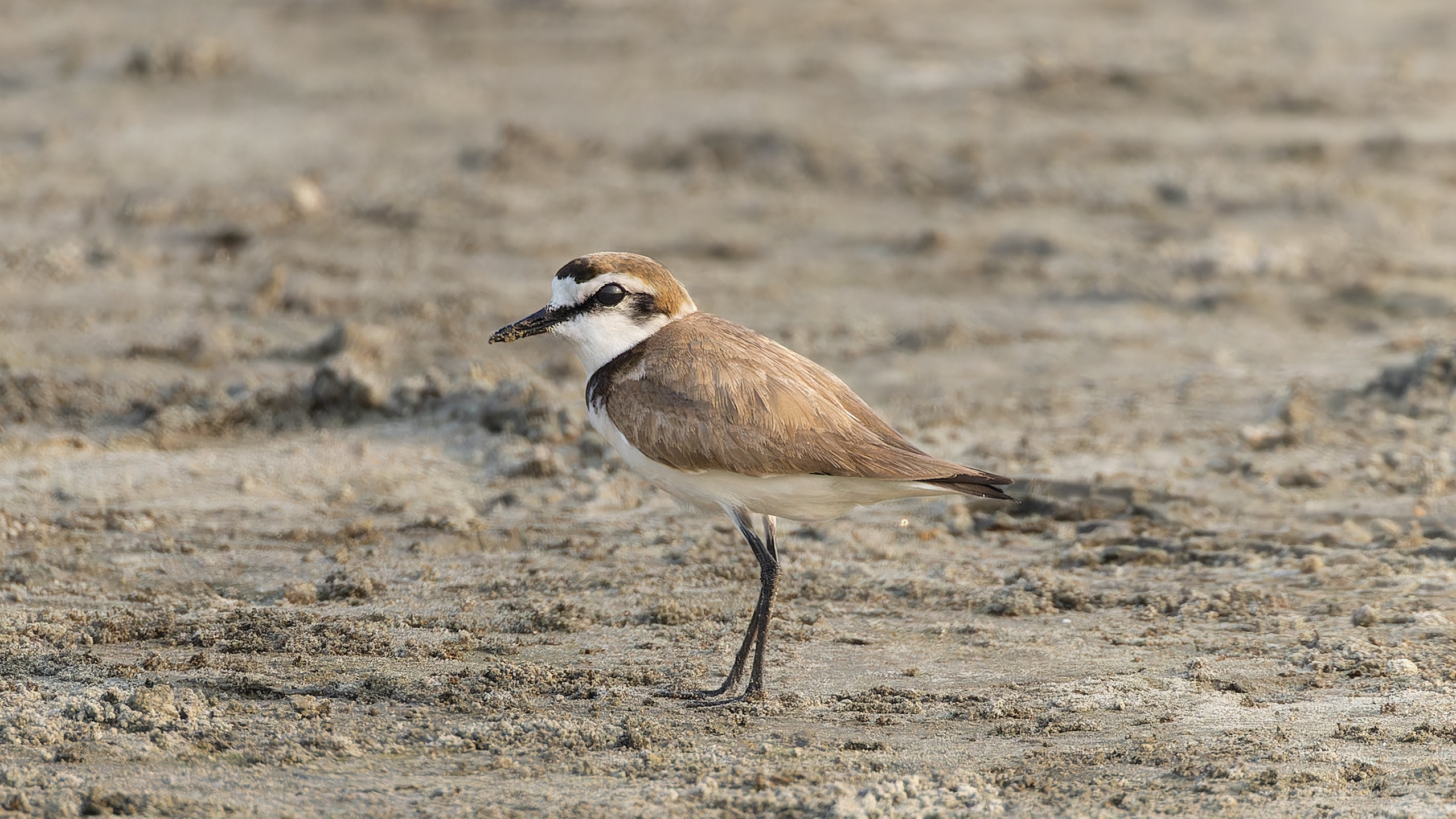
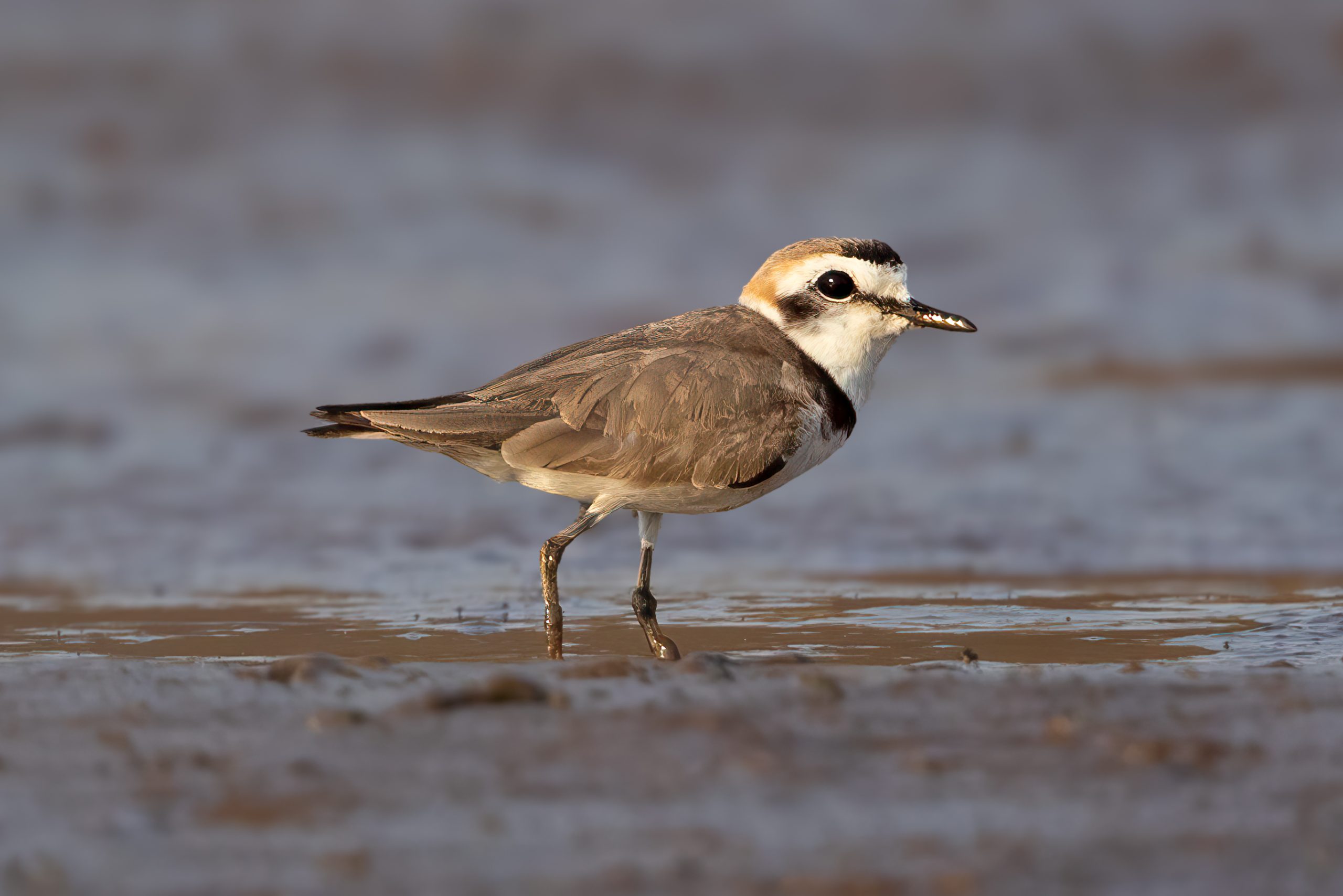
Kentish plover (Anarhynchus alexandrinus) pairs adjusted how they shared incubation as thermal conditions changed, according to research first made public in February 2026. The study followed breeding birds at a coastal and an inland site in Spain to examine how temperature, wind and environmental variability were related to biparental care.
Males generally took a larger share of incubation at night and females during the day. At higher ambient temperatures, males also contributed more during daytime, while the adults showed more heat-dissipating behaviour and pairs changed incubation duties more frequently.
Wind was associated with less thermoregulatory behaviour, which the authors interpret as an effect of stronger convective cooling — moving air carries heat away from the body — allowing a parent to remain on the nest for longer. The two study populations also differed: at comparable temperatures, males at the more environmentally variable inland site spent more time incubating than males at the coastal site.
The authors describe this higher male contribution as a possible safety margin in a less predictable environment and conclude that short-term thermal conditions and broader environmental variability can both influence how Kentish plover parents divide incubation.
Behaviour
Related news
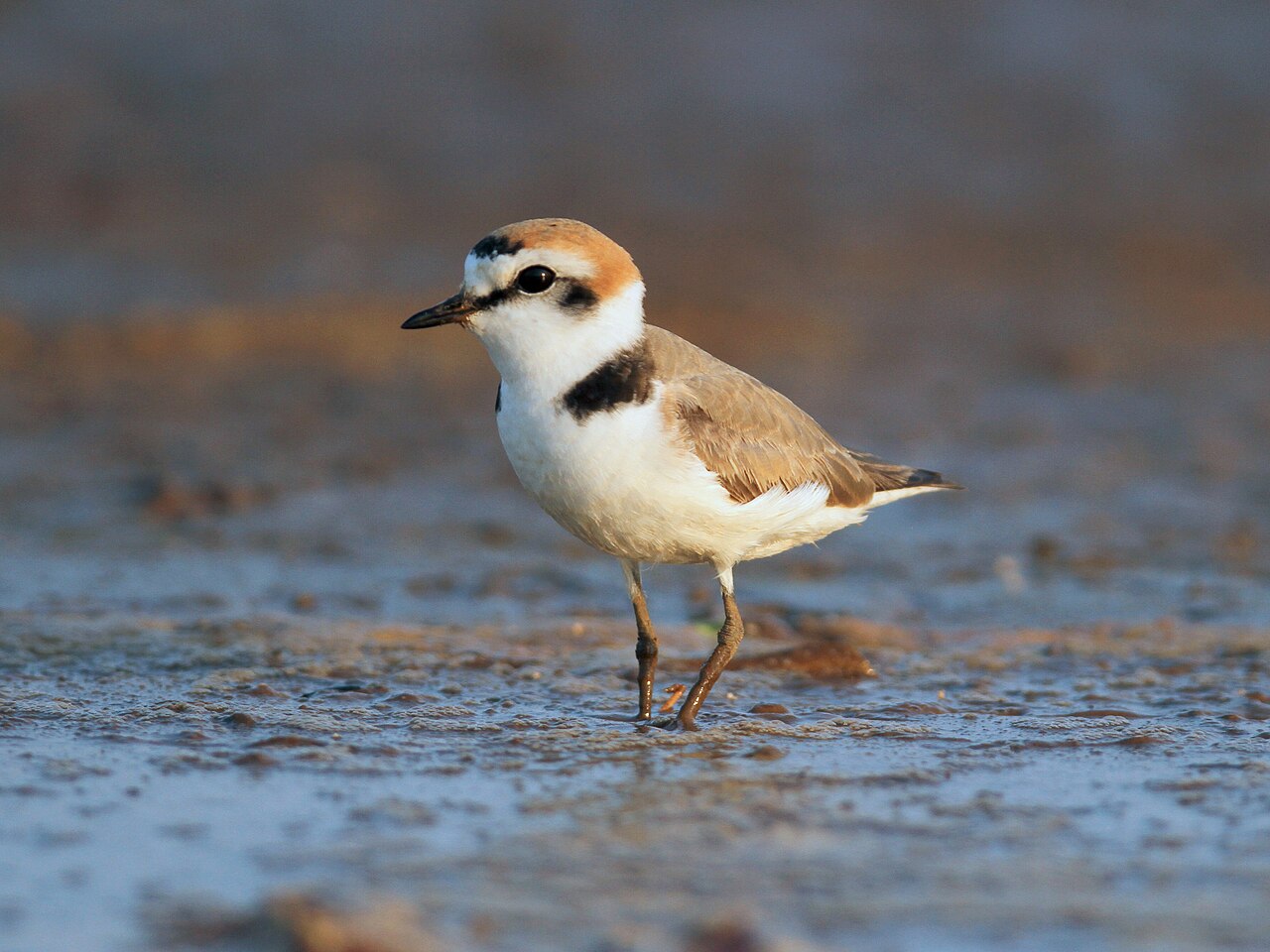
Kentish Plovers Chose More Open Nests as the Season Progressed
On Tunisia’s coast, Kentish Plovers nested increasingly in the open as the season progressed, despite expectations that they…
Read story →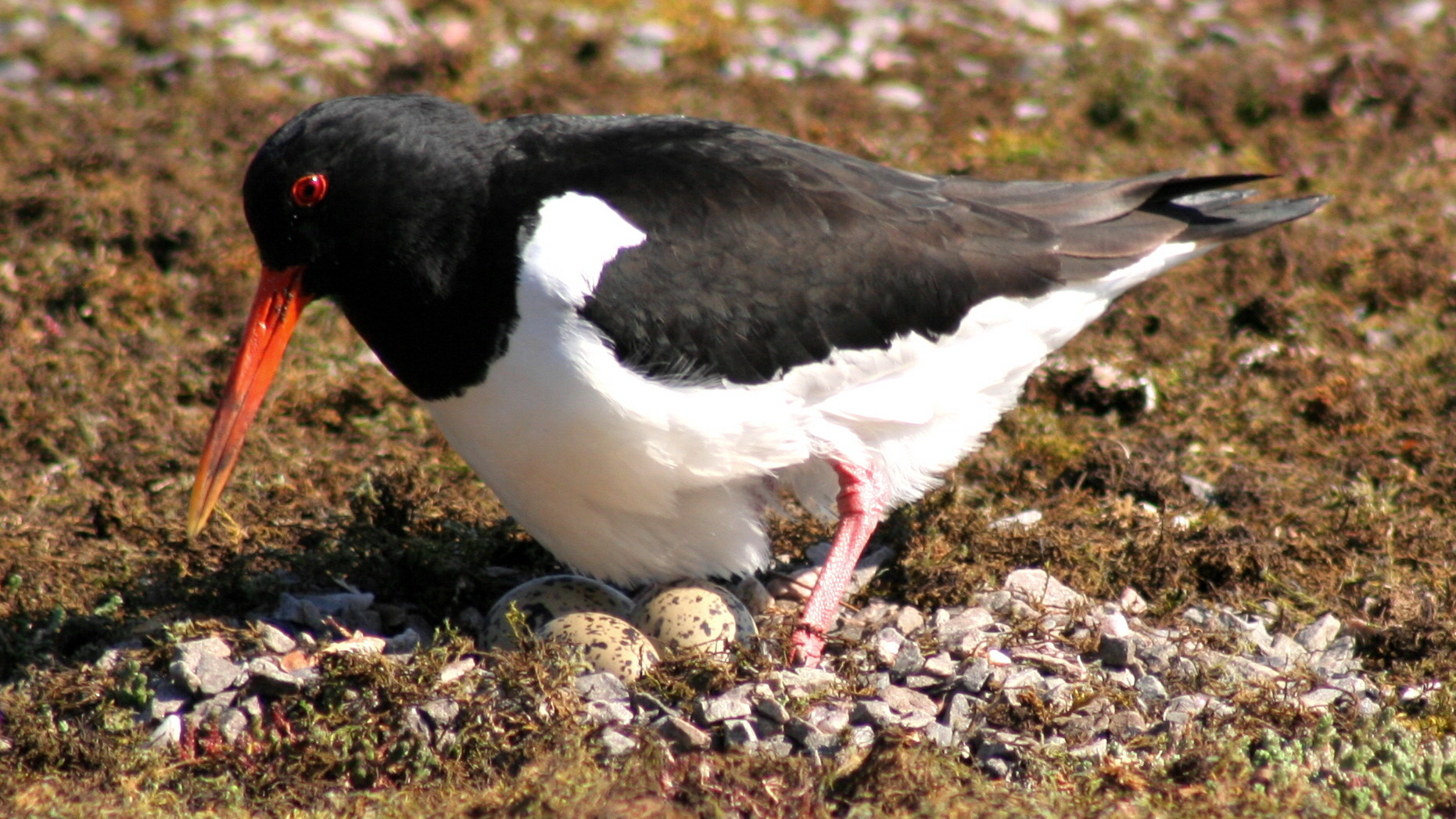
First Eurasian Oystercatcher Nest in Lazio Used an Active Kentish Plover Nest
Italy's first documented Eurasian oystercatcher nesting attempt in Lazio used an active Kentish plover nest and became the…
Read story →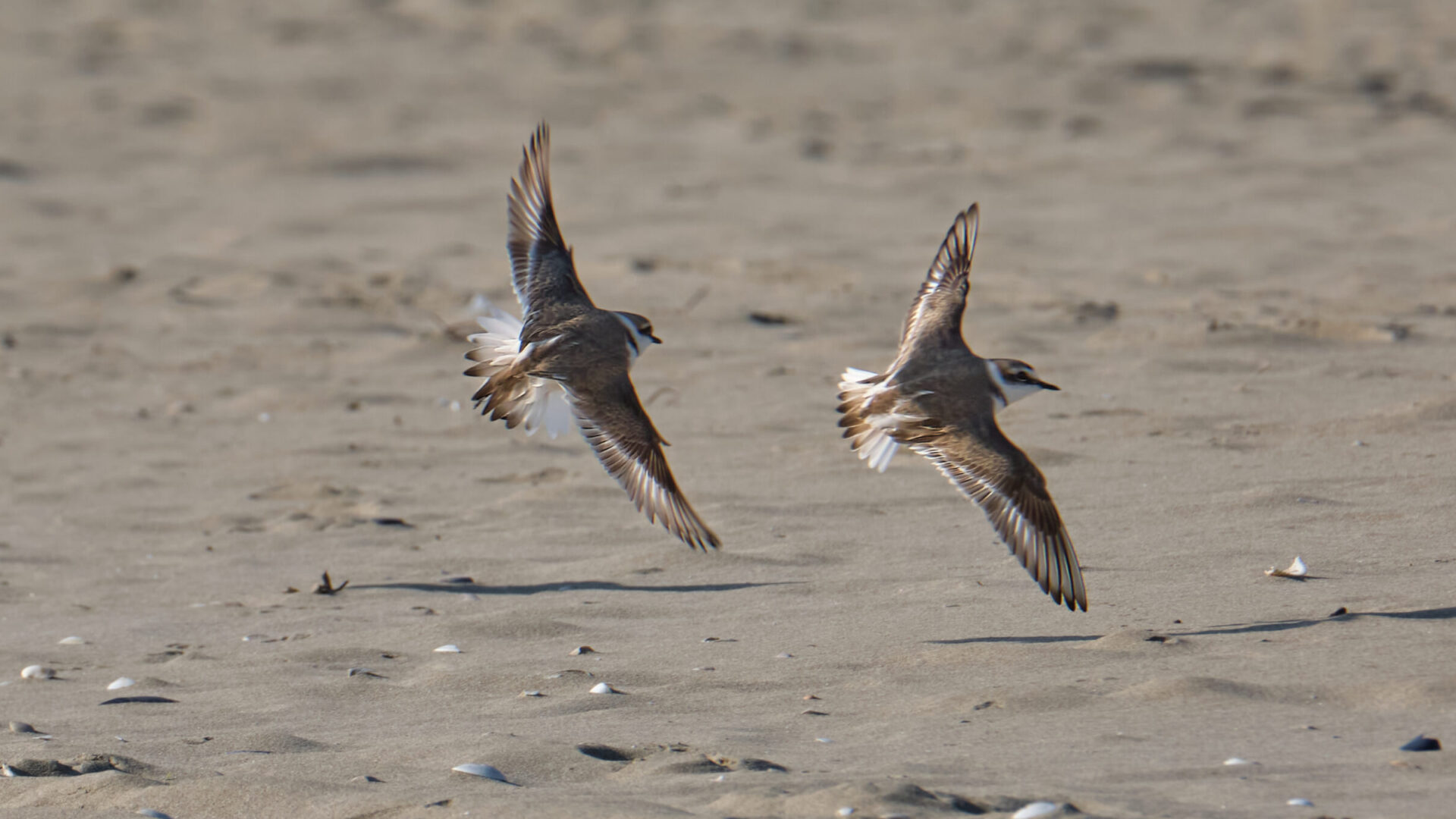
Experts Grouped 34 Stakeholders Into Six Kentish Plover Conservation Roles
A 2026 study at Torre Flavia in central Italy used assessments from 13 experts to group 34 stakeholders…
Read story →SPECIES IN THIS STORY
Species in this story
Independent research and conservation news archive
Did you find this information useful?
Wildlife Vagabond is independently built and maintained. Voluntary support helps cover source verification, hosting and continued work on research and conservation news.
Support Wildlife VagabondThe news archive will remain freely available.