
Nilgai in Kuno Selected Savanna Most Strongly at Night
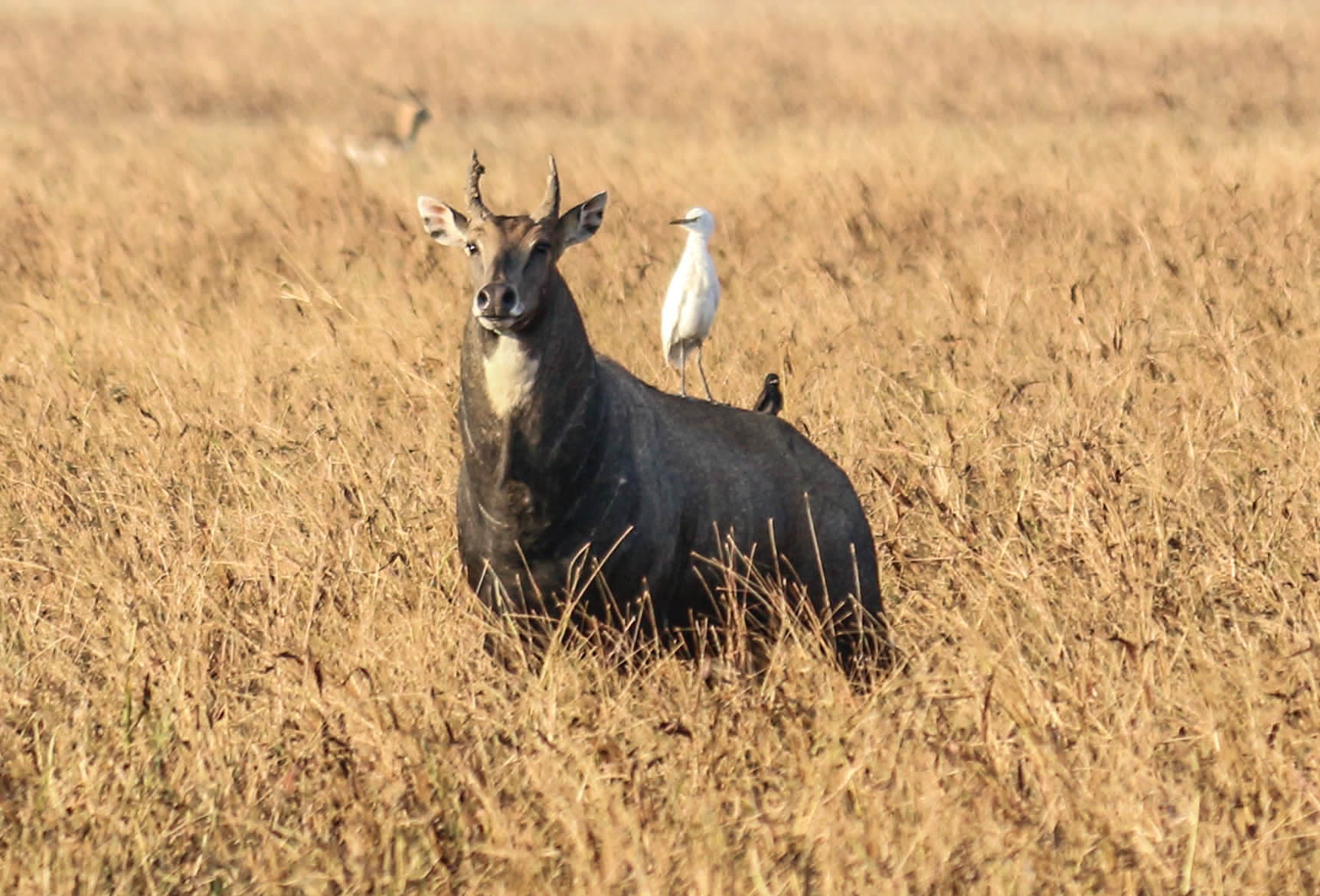
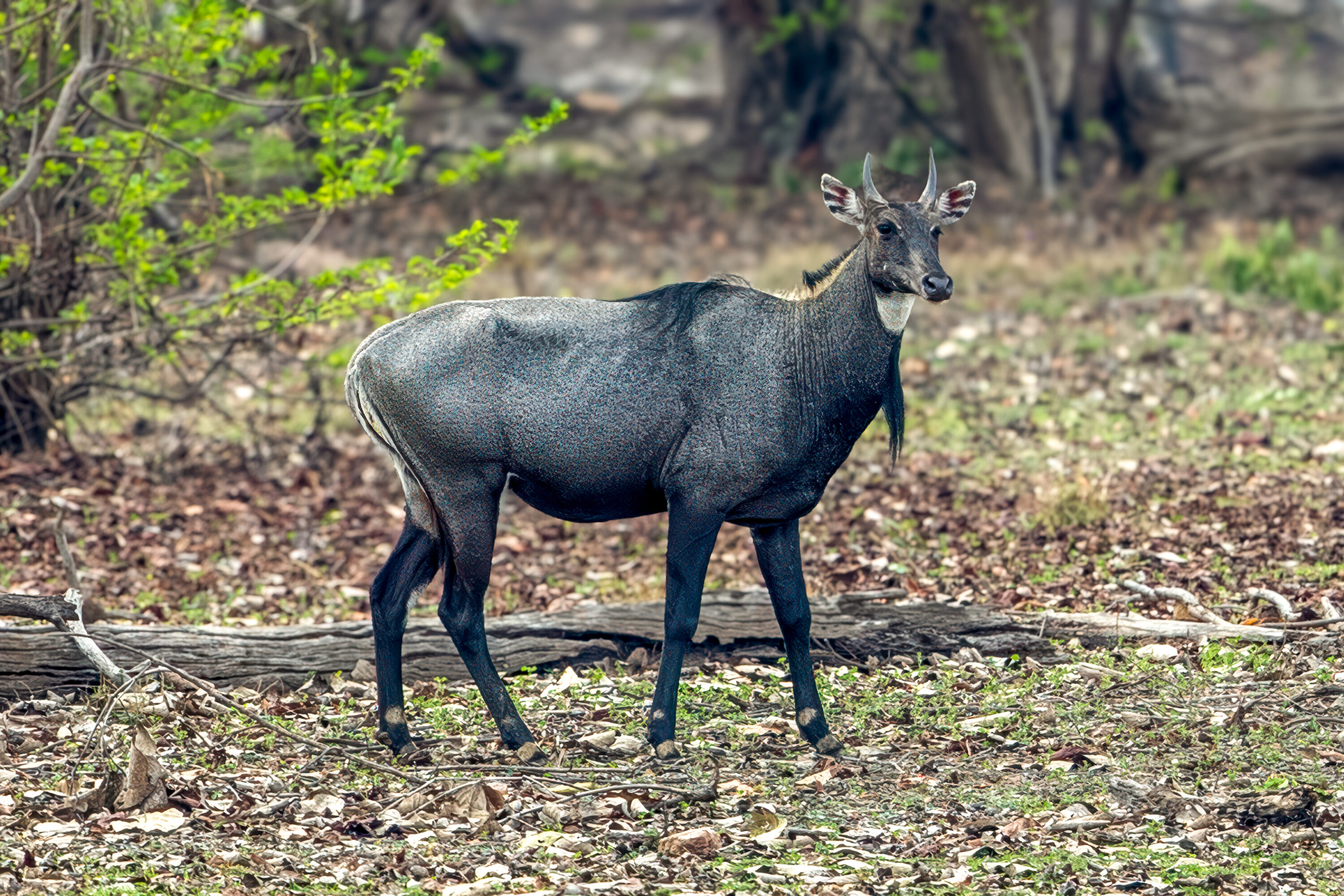
A 2026 MSc dissertation from the Wildlife Institute of India examined why nilgai (Boselaphus tragocamelus) may move into cropland around Kuno National Park in Madhya Pradesh. The study combined nutritional ecology, habitat selection, movement patterns and herd dynamics to investigate factors that could help explain crop raiding.
Nutrition alone did not appear to explain the pattern. The dissertation reports that nutrition mattered in semi-arid areas dominated by invasive vegetation, but crops did not appear to offer a clear nutritional advantage where natural vegetation was available.
Habitat use showed a clearer pattern. Nilgai selected savanna, especially at night — meaning they used it more than expected from how much savanna was available — and used forest less than expected. At a finer scale they also avoided higher elevations, steeper slopes, hills and mixed forest. The dissertation also reports behaviour consistent with predator avoidance, although no actual attacks were observed.
Herd dynamics changed through the day and across the breeding season. The dissertation also identifies nilgai social structure as an area for further study. The dissertation therefore treats crop raiding as more than a question of food quality alone, with habitat use, movement and herd dynamics also part of the picture.
Ecology
Related news
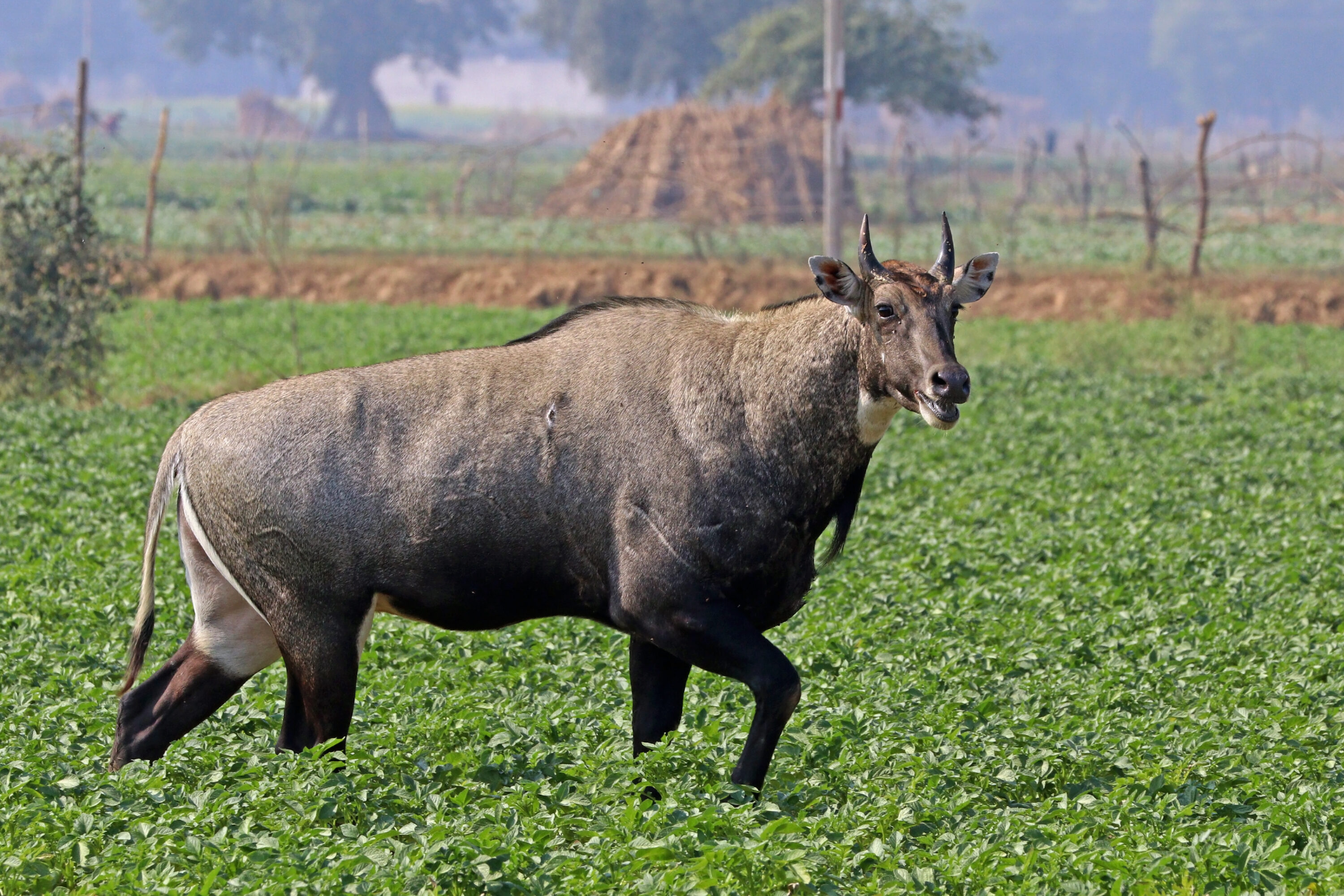
Farmer Survey Estimated Annual Nilgai Crop Destruction Near Junagadh at 63%
A farmer survey across eight villages near Junagadh estimated annual nilgai crop destruction at 63%, with groundnut particularly…
Read story →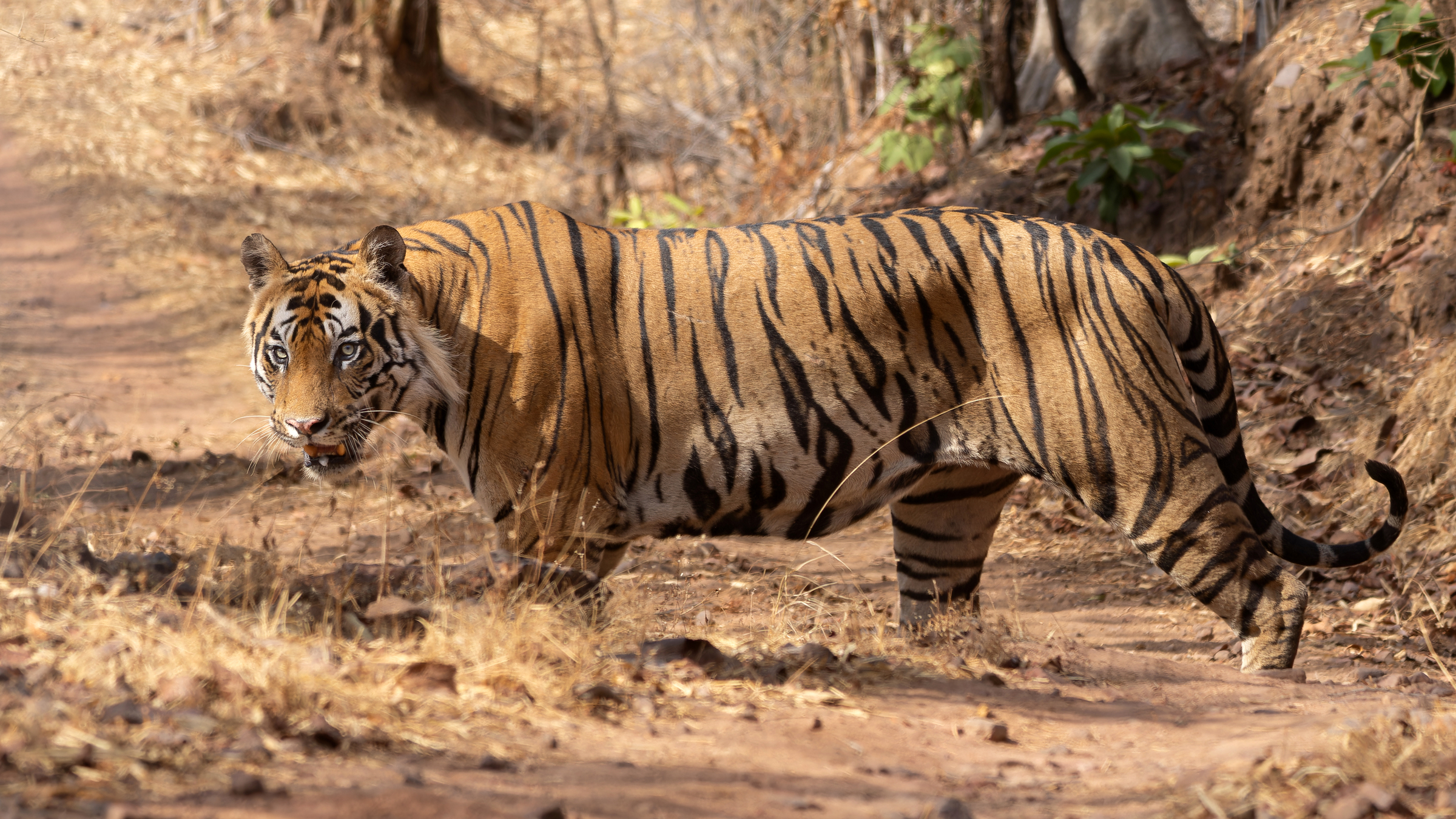
Kawal’s Prey Base Could Support About 36–41 Tigers
Twelve years of prey monitoring in India’s Kawal Tiger Reserve found rising chital density and estimated that the…
Read story →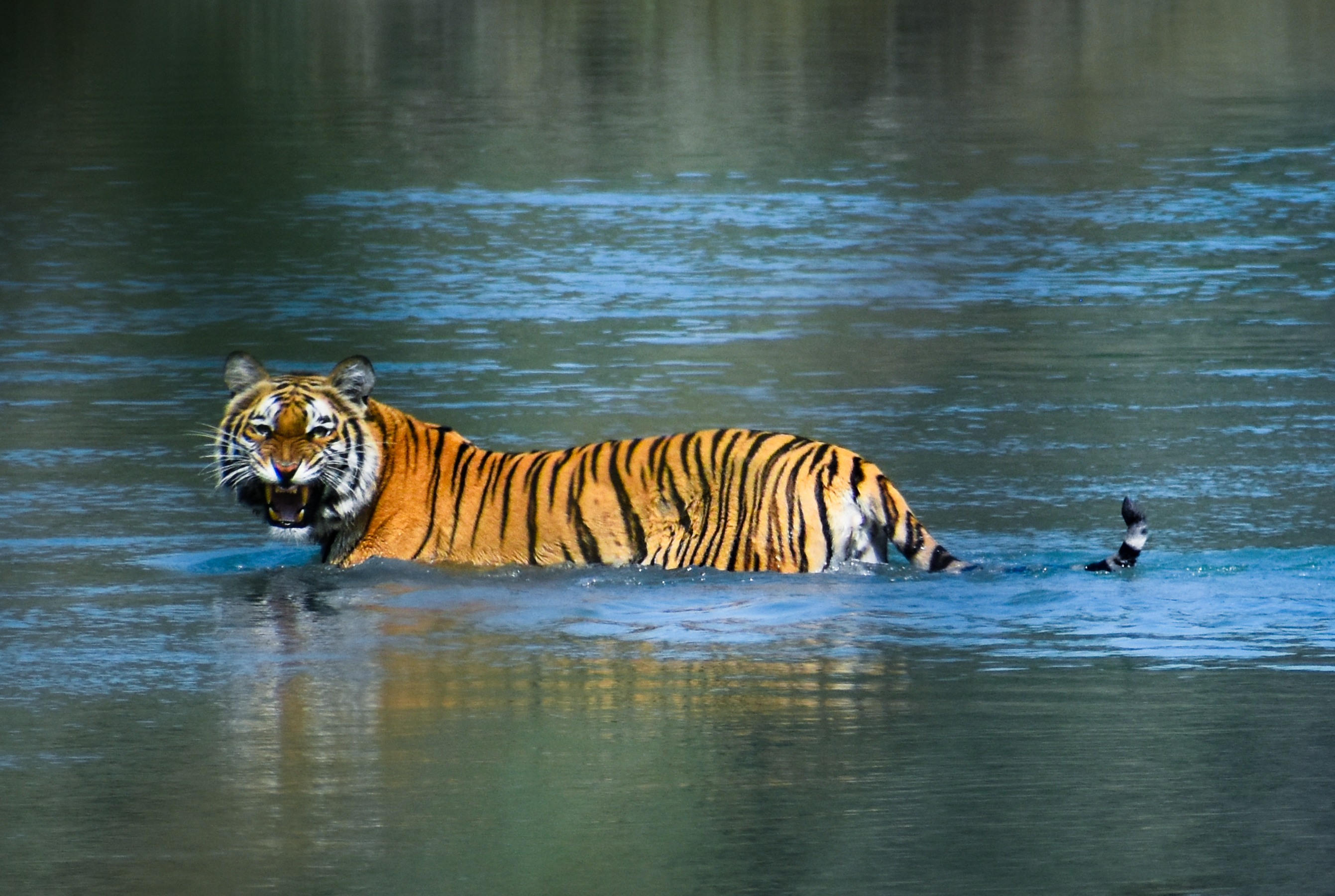
Tiger Site Use Increased While Several Prey Species Became More Diurnal During Bardia’s Lockdown
At 49 matched camera stations in Bardia National Park, tiger, wild boar and nilgai showed clear increases in…
Read story →SPECIES IN THIS STORY
Species in this story
Independent research and conservation news archive
Did you find this information useful?
Wildlife Vagabond is independently built and maintained. Voluntary support helps cover source verification, hosting and continued work on research and conservation news.
Support Wildlife VagabondThe news archive will remain freely available.